
Guard dog breeds for private homes
Living in a private home requires good protection from thieves, hooligans, and other uninvited guests. There are many guard dog breeds, and the most common ones are described below.
Content
Rottweiler
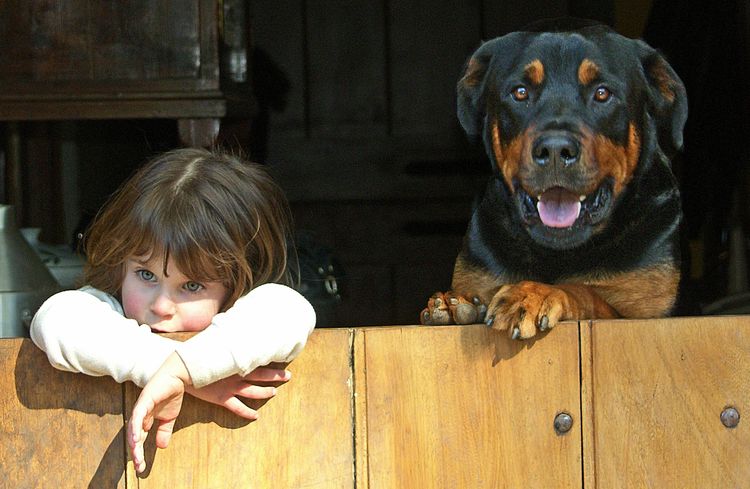
Rottweiler The German Shepherd is one of the best guard dog breeds. Physically developed, it is also highly intelligent, making it a loyal companion and protector of its owner. The average adult weight is 50-60 kg, but there may be variations depending on diet, genetics, and lifestyle. The standard height is 58-60 cm, and the length is 120-140 cm.
Rottweilers are highly trainable, but the training process can be complicated by their natural laziness, coupled with their keen intelligence. That's why, during the puppy development stage, it's recommended to involve professional trainers, who can also help them establish proper leadership priorities with their owner. A trained dog is a terror to any uninvited guests or ill-wishers who come within their sight.
Excellent hearing and coordination, coupled with powerful muscles and a fearless nature, provide a 100% guarantee that the home will always be under reliable supervision. Rottweilers love children, but due to their large size, they can unintentionally push or bump into them. The average lifespan is 10-12 years, although with proper care, they often live to 14-15 years.
Boxer
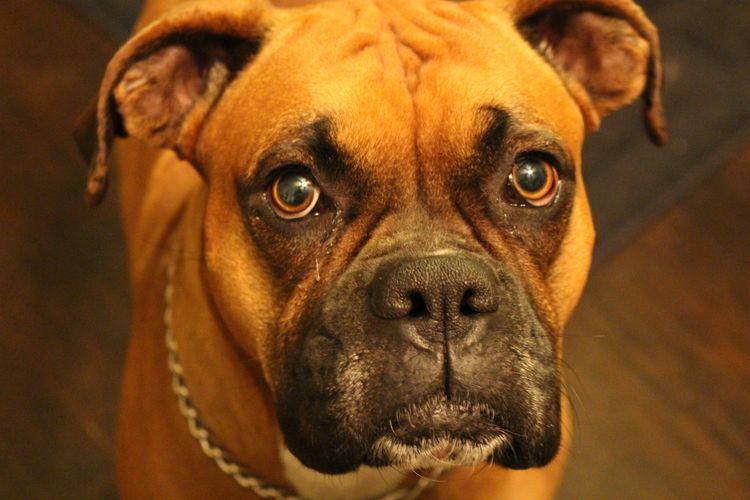
Boxers Boxers are intelligent and quite emotional dogs, more often kept to guard city apartments than private homes. They are naturally very affectionate and talkative, and can bark at both strangers and their owners from the doorway. Physical development usually stops at 18 months, although mental maturity occurs much later. Average weight is 25-32 kg, height 54-63 cm. They are considered long-lived, easily reaching 13-14 years of age.
Although they get along well with other animals in the same territory, they can chase cats, losing control. They dislike being alone, preferring to always be surrounded by people. They do not tolerate the use of "whips" or punishments in training; instead, they learn commands more quickly with praise and rewards. A distinctive characteristic of this breed is their excessive noise and tendency to snore.
Doberman
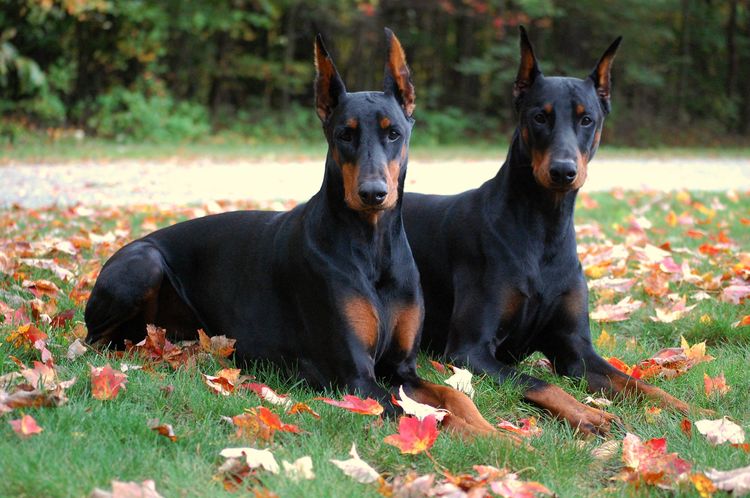
Doberman The German Shepherd is a strong and graceful dog with a sturdy build yet never bulky. A true aristocrat, it has a proud posture, a long neck, and a tucked-up belly. Its color is most often black or dark brown with distinctive reddish-brown markings. Its average height at the withers is 63-72 cm, and its weight ranges from 32 to 45 kg, depending on gender. Its coat is smooth, shiny, and silky.
Dobermans are distinguished by their courage and firmness of character, keen intelligence, and quick wit. They are able to quickly react to any changes in their environment. Naturally alert, they are always on guard and instantly rush to their owner's aid upon sensing danger. They are moderately calm and excitable, able to control their emotions, but can also be vindictive.
German shepherd
German Shepherds — the best guard dogs, according to numerous cynologists. They possess an excellent sense of smell and a calm, even temperament. They are easy to train, naturally intelligent, and have excellent navigation skills. German Shepherds clearly understand the boundaries of the area they must guard and are ready to attack immediately at the slightest threat. At the same time, they are very friendly and will never attack first.
Adults typically weigh between 25-40 kg (male/female), and reach a height of 60-65 cm at the withers. The average lifespan is 12-14 years, but with proper nutrition, balanced exercise, and medical care, a dog can live up to 16-17 years. During adulthood, German Shepherds can exhibit excessive disobedience and independence. It is crucial to convey the owner's authority and set boundaries.
The breed is used to guard private homes, serve in various law enforcement agencies, and at customs and border posts. Thanks to their excellent trainability and physical endurance, German Shepherds can be called true "universal soldiers." Intelligent, loyal, hardworking, and docile, they also require maximum attention and discipline.
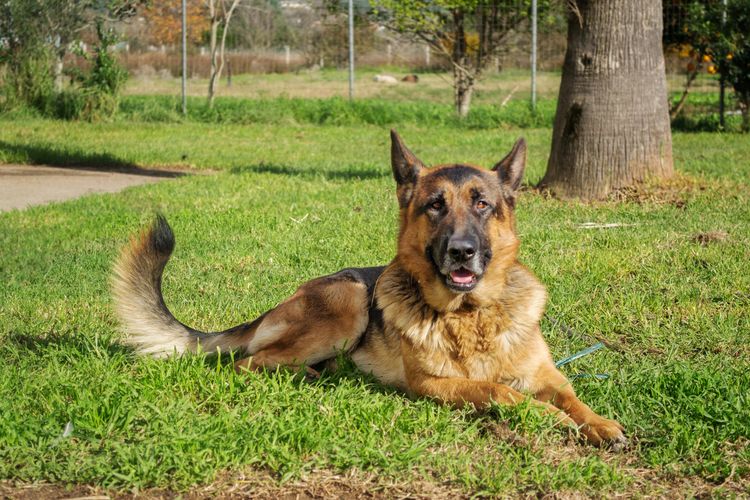
Moscow Watchdog
The breeding goal was to create a unique character that combined boundless kindness toward "friends" and aggression and anger toward "strangers." The result was an intriguing symbiosis of opposites, which distinguishes Moscow watchdog From other guard dogs. At home, he's a soft and fluffy sweetheart who stoically tolerates all the "bullying" of children and is ready to support them in all their games. But as soon as he goes outside, he immediately transforms into a formidable guardian, not one to shower everyone with kindness.
The average height is 58-70 cm, weighing 50-68 kg. Despite their balanced nature, dogs of this breed quickly become agitated and aggressive when they perceive a threat to the safety of their family. They possess excellent guarding qualities, know their place, and vigilantly guard the territory assigned to them. These furry brutes know no fear or retreat, but they will never bark without cause.
Slightly phlegmatic in appearance, they require substantial exercise and frequent walks. Due to their large size, they are not suitable for city apartments. They require extensive training and are prone to stubbornness and independence. Muscovites are not recommended for people with a soft personality or a weak psyche. A dog must feel confident and empowered by its owner to obey them completely and to subjugate a weak-willed owner.
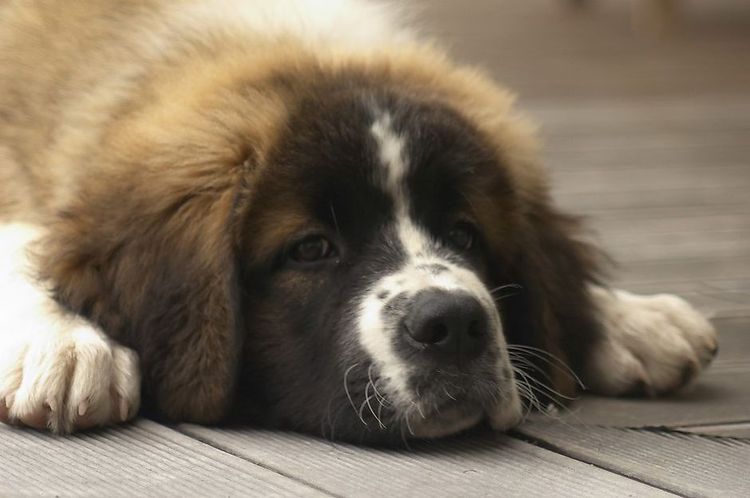
Cane Corso
Loyalty and fearlessness—those are the two words that best describe this elegant black beauty. The breed is considered quite rare, so this guard dog can only be purchased from certified breeders. Adult males weigh approximately 45-50 kg, and reach a height of 68-70 cm at the withers. Their average lifespan is 10-11 years.
Cane Corso They are generally peaceful towards people and get along well with children due to their innate parental instincts. They make excellent guard dogs and lifelong companions. They attack only on command or in response to aggression from other animals or people.
During training, it's essential to immediately establish the positions of the owner and dog, making it clear who is the leader and who is the subordinate. Dogs aren't prone to excessive stubbornness or laziness—on the contrary, they are always active and inquisitive. Their distinctive character traits include quick reflexes, high intelligence, and a sense of self-worth.
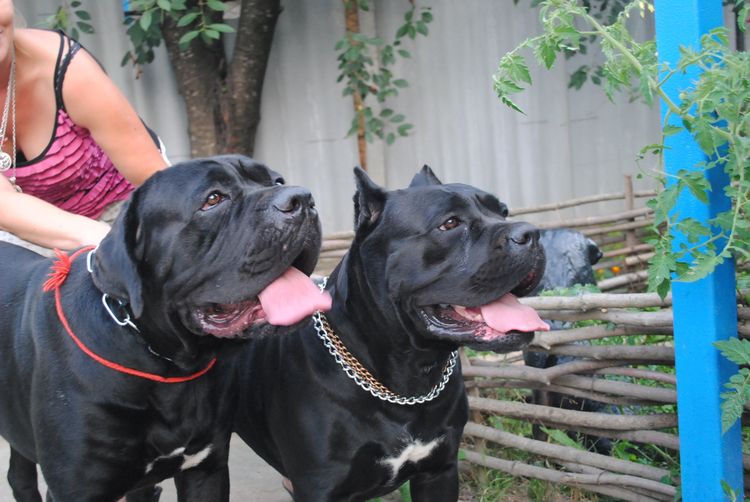
Alabai
These majestic and fearless dogs, simply by their appearance, inspire respect and a secret fear. They are considered one of the strongest breeds in the world. Adult males weigh up to 70 kg, and the average height ranges from 65-75 cm. With a powerful body, strong, stable legs, a broad back, and a massive head, these enormous wolfhounds exude strength and courage. They conserve energy and never show aggression without provocation. They are characterized by an independent demeanor, and even respond to a particular command from their owner. Alabai may ignore it, considering it inappropriate.
Filled with inner dignity, these dogs will not serve "for food" or perceive food as a reward for service. They will proudly approach the bowl, looking down, and choose what to eat and what to ignore. They are naturally phlegmatic and even-tempered. Before attacking, they will give a warning bark, which in many cases is enough to quickly disperse attackers.
Despite their generally good attitude toward children, these animals are sensitive to their freedom. Therefore, it's advisable to keep them away from children's constant presence. With their fellow dogs, Alabai are friendly and often form packs.
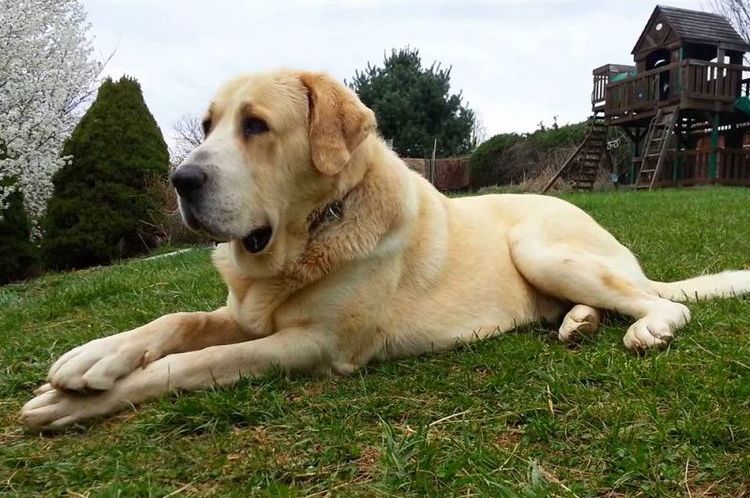
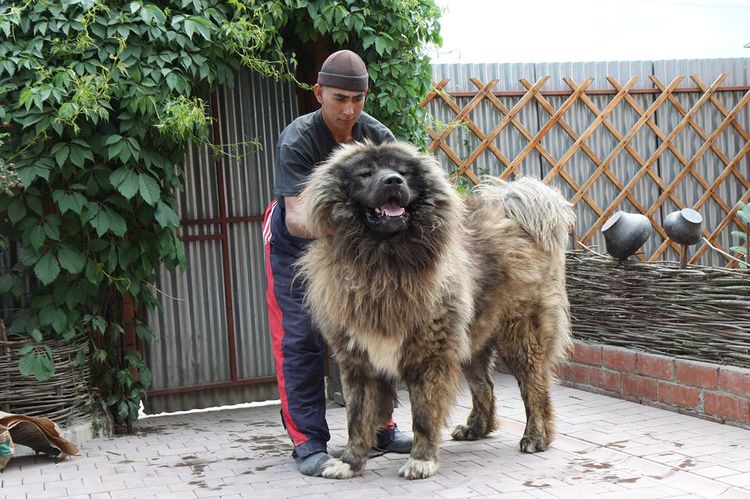
Caucasian Shepherd Dog
A huge, furry beast that can evoke both affection and terror. The breed was originally bred to guard flocks of sheep and was later adopted for domestic use. Adult dogs weigh an average of 45-70 kg and stand 63-72 cm at the withers. Lifespan: approximately 10-11 years.
Despite its impressive dimensions, Caucasian Shepherd Dog She'll feel quite comfortable in a city apartment, too. After a walk, she'll calmly settle down in her spot and spend the rest of the time quietly, without any fuss, until her next walk. Outdoors, she can live in any temperature, tolerates frosts well, and loves to roll around in the snow.
Training plays a crucial role in raising Caucasian Shepherds. It should begin almost from birth and be carried out by experienced dog handlers. Correcting established behavior patterns after three months of age will be difficult.
Giant Schnauzer
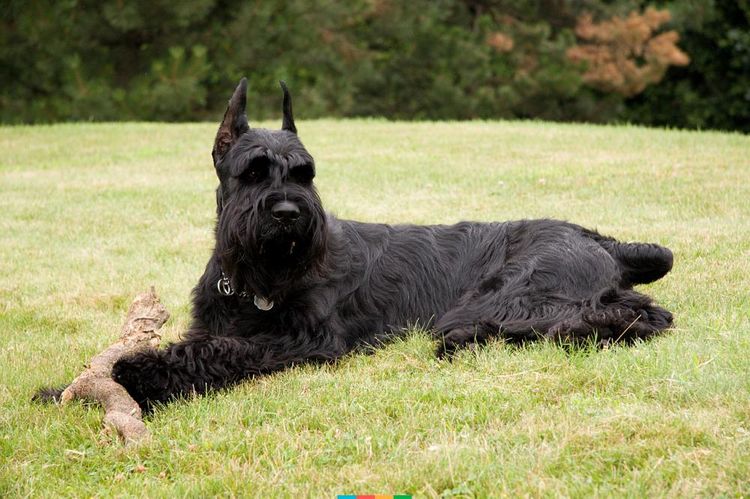
Friendliness, intelligence, and a keen mind, complemented by excellent guard qualities, make dogs of this breed not only excellent protectors but also loyal lifelong companions. They are considered large dogs, weighing up to 40-50 kg and standing 60-70 cm at the withers. Their coat is short and wiry, with a dense undercoat. Their build is muscular and fit, but not slender.
For dogs Giant Schnauzer breed They are characterized by a playful nature, curiosity, and patience. Naturally active, they are tireless in play, and when necessary, they are ready to instantly regroup and rush into action. They require constant training and learning new commands. It is important to constantly supervise the dog to ensure it understands and agrees to live according to a set schedule, rather than according to its own whims.
Russian Black Terrier
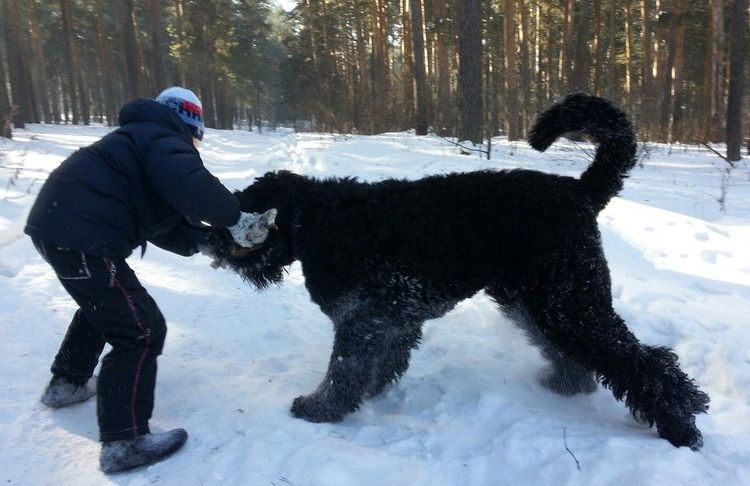
This shaggy black giant is the pride of Russian cynologists. The breed was developed in the USSR by order of Stalin himself in the 1920s. The goal was to create a powerful and intelligent guard dog capable of navigating snowy terrain and quickly adapting to various climatic conditions.
The result was a beautiful, intelligent, and fearless dog with boundless energy and increased work capacity. Russian Black Terrier They are quite complex, but with proper training, they make loyal companions and reliable guard dogs. They love children and are willing to forgive them any mischief. They require daily walks with vigorous exercise. They have excellent health and a strong immune system.
The decision about which breed is best for personal ownership is purely personal. The main thing to understand is that large dogs require appropriate care and proper training.
Read also:


Add a comment