
Guide Dog: The Best Breed
A guide dog is an indispensable companion for a visually impaired or blind person. This loyal companion allows them to move freely and lead an active life, building self-confidence.
Content
 The best guide dog breeds
Using dogs as guides for the visually impaired has been around for hundreds of years. Over this period, breeds have been identified that are distinguished by their high intelligence and ability to quickly understand their owners, helping them navigate. So, which breeds top the list of the best guide dog breeds?
Experience shows that the best assistants for people with disabilities are guide dogs of breeds such as Labrador, German Shepherd, Doberman, collie, RottweilerEach tribe has its own distinct physical characteristics and characteristics.
Labrador Retriever
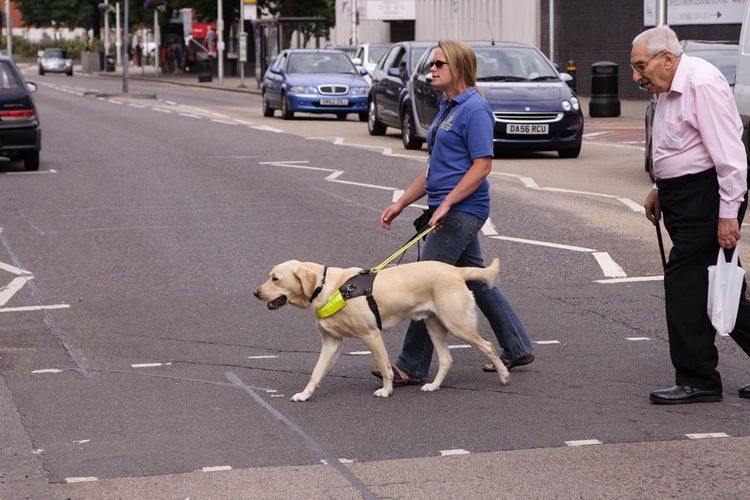
Training and preparing a guide dog is not an easy task, and not every dog is suitable for it. The best breed for training a guide dog is recognized as labrador retriever.
Members of this tribe often work in rescue teams for victims of water and land disasters. They prove to be more effective searchers than even the most experienced emergency services personnel.
Labradors are calm and easy to train. Their behavior is easy to predict. They also get along wonderfully with children and can act as a caring nanny if needed.
The main advantage of retrievers is their intelligence. As an example, let's take one telling example: during the collapse of the Twin Towers in New York on September 11, 2001, a Labrador named Dorado saved his charge from certain death. In the first seconds of the disaster, the dog ran off in an unknown direction, then returned and pushed his owner toward the emergency exit.
German shepherd
Versatile service dogs of this breed were considered leaders among guides until the introduction of Labradors to the global market. These dogs are highly intelligent and perfectly balanced. They are devoted to their owners, kind to children, and tolerant of other animals.
Their natural courage makes them indispensable rescuers and excellent guard dogs.
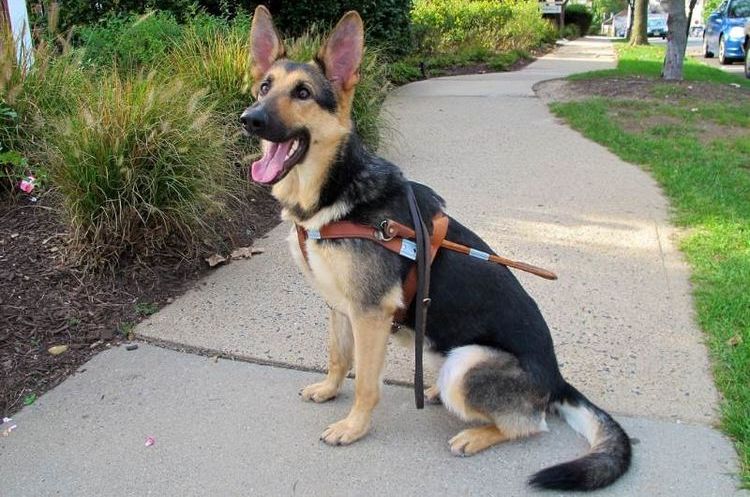
Possessing high intelligence, German Shepherds are capable of learning a wide variety of commands on the fly. They can accurately reproduce a given task with just a few repetitions. German Shepherds easily remember basic routes and locate landmarks such as stairs, benches, and signs.
Collie
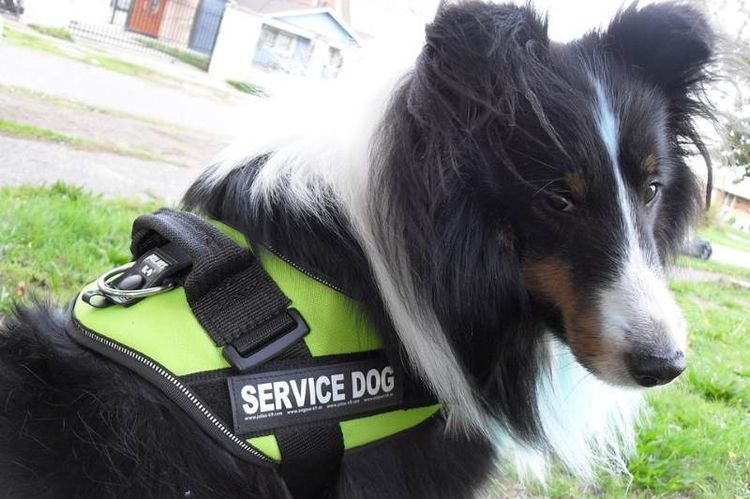
Collies, a herding dog breed popular throughout history, are known for their incredible intelligence and natural ability to imitate. They are genetically endowed with a strong protective instinct.
Animals are renowned for their loyalty and good nature, as well as their ability to sensitively sense the needs of their charges, which is an important criterion when selecting partners for small children.
Looking through photos of collie guide dogs, it is easy to determine that the only stumbling block in choosing animals of this breed is the need for grooming.
Long-haired dogs require regular brushing. Unfortunately, their smooth-haired counterparts, collies, are more active and restless by nature, and therefore don't meet the strict breeding standards.
Rottweiler
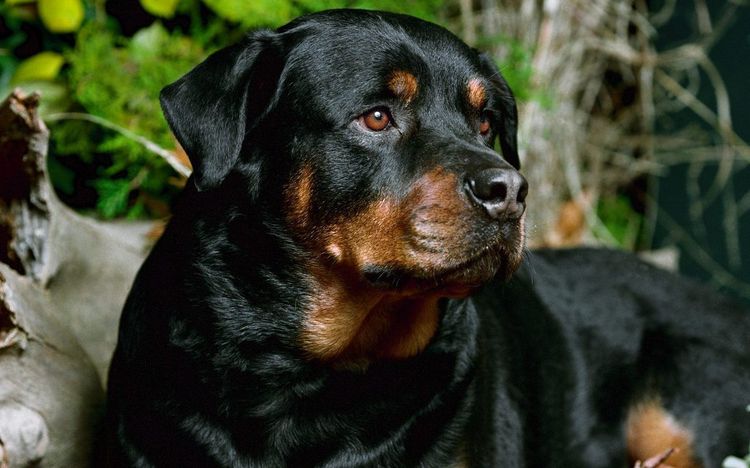
Representatives of this tribe are guide dogs and bodyguards all rolled into one. These dogs are renowned for their strength and endurance. They are not afraid of busy traffic or street noise. Living in a large family, Rottweilers get along well with everyone in the household, but they show true devotion only to their owners.
In many countries, Rottweilers haven't become widely accepted as guide dogs. This is due to their intimidating appearance, which can be unsettling and even frightening in public places. Therefore, to own one, the owner must first obtain the go-ahead from their neighbors.
Doberman
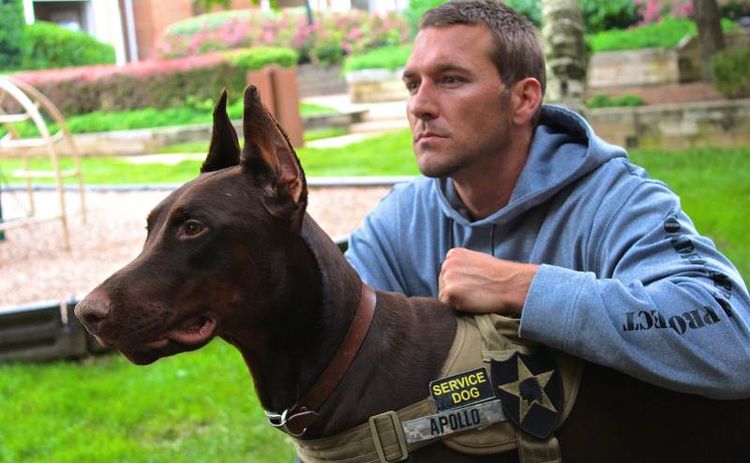
Strong and agile, this breed is renowned for its excellent tracking skills; they easily sense their owner's mood and adapt instantly. They also have a keen sense of smell and excellent eyesight, which, coupled with their relatively high intelligence, allows them to adjust their route in advance.
If the owner prefers to take new routes, the intelligent animals help them navigate according to the rules: they pause at forks in the road, avoid obstacles and other pedestrians, and slow down before entering the roadway.
These assistants will come to the rescue if a person in their care drops their cane or glasses. If necessary, they will be able to stand up for their owners.
Boxers
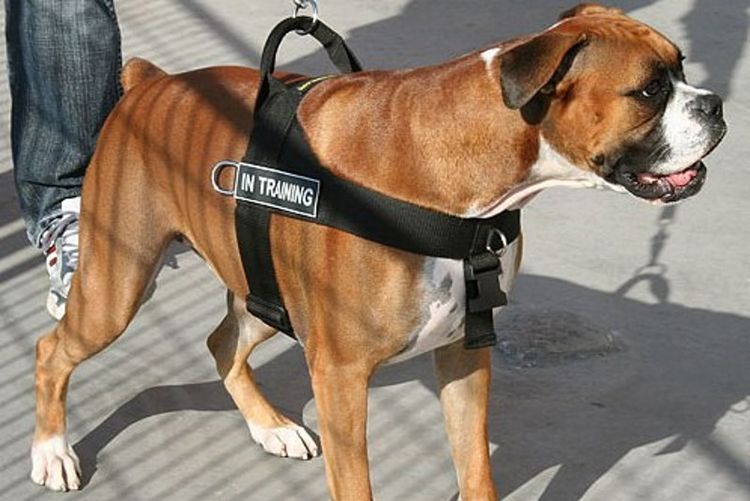
Dogs of this breed are versatile companions. They are strong, yet reserved and calm. Boxers are often trained to accompany people with disabilities. Thanks to their powerful build, these dogs can assist their owners in wheelchairs when they need to overcome obstacles or navigate ramps. If necessary, Boxers can even stop the wheelchair.
How much does it cost to buy a dog?
Let's be clear: buying a loyal assistant is an expensive proposition. Depending on the breed and level of training, a guide dog can cost around 700,000 rubles. This is due to the limited supply of qualified personnel.
In our vast country, there is only one state-run school and kennel for raising and training guide dogs. It was originally founded in Veshnyaki, Moscow, in 1960. Dog handlers and former officers trained these four-legged helpers. Over time, the kennel expanded and moved to the village of Kupava.
There is also a private center for this purpose operating in the capital. It is funded by charitable donations.
To find out the cost of a guide dog and purchase a four-legged helper, contact the center. A dog trainer will help you choose the best option based on your criteria. The main goal is to foster a bond between the animal and the person being cared for, so that the dog becomes their eyes and, if necessary, hands.
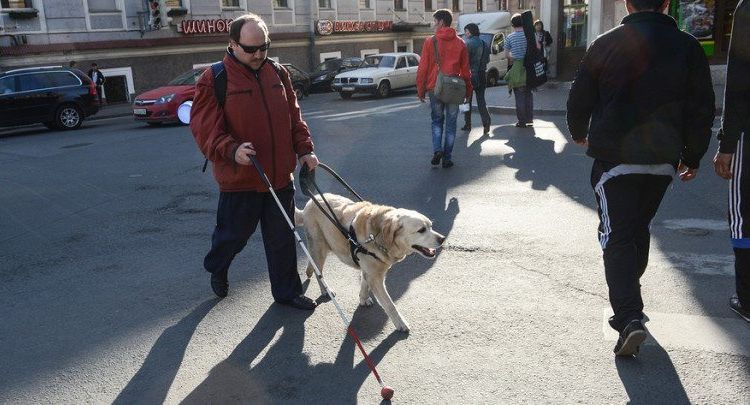
The process of training four-legged helpers is lengthy, labor-intensive, and also expensive. Here are just a few facts:
- It takes on average 12 to 15 months to raise one puppy.
- Expenses during this period average 250 thousand rubles.
- Puppies aged 4-6 months, the most receptive to training, are selected for training.
- After completing the training course, the dogs are transferred to families for socialization, and upon their return, their behavior is corrected through additional training.
Animals that have passed "accreditation" receive a corresponding certificate with the right to access transport and public places.
Under a state program, blind people can obtain such a guide dog free of charge. However, this requires a lengthy waiting list. Only 3-5% of the country's blind population can afford to purchase a guide dog privately, as the cost of such a device often reaches $10,000.
By comparison, in European countries, government programs cover the needs of 60-80% of visually impaired and disabled people. The highest percentage of trained canine assistants resides in the United Kingdom. There is no specific selection process for purebred dogs in these countries. Almost all herding breeds are trained to become guide dogs. The only requirement is a height that prevents the owner from bending over to retrieve the animal's harness.
Read also:


Add a comment