
Caucasian Shepherd Dog
Caucasian Shepherds are considered among the best guard dogs. This so-called folk-selected breed has been shaped over centuries under the rigors of natural selection, not without the help of humans, who selected the best. These dogs are even-tempered, friendly, alert, strong, and resilient. But for all these qualities to fully manifest, a Caucasian Shepherd must be properly trained, loved, and an equal to its owner.
Content
Breed characteristics
The Caucasian Wolfhound is a devoted and loyal companion, friendly to members of its family, but wary of strangers who pose a potential threat, and truly fearless when it comes to protecting its owner.
|
Original title |
Caucasian Shepherd Dog |
|
Country of origin |
USSR (Caucasus) |
|
The first mention of the breed |
1984 |
|
Weight |
K (50-75 kg) C (45-70 kg) |
|
Height (at withers) |
K (68-75 cm) C (64-71 cm) |
|
How long do they live? |
10-11 years old |
|
Price of a puppy (with pedigree) |
20,000 – 60,000 rubles |
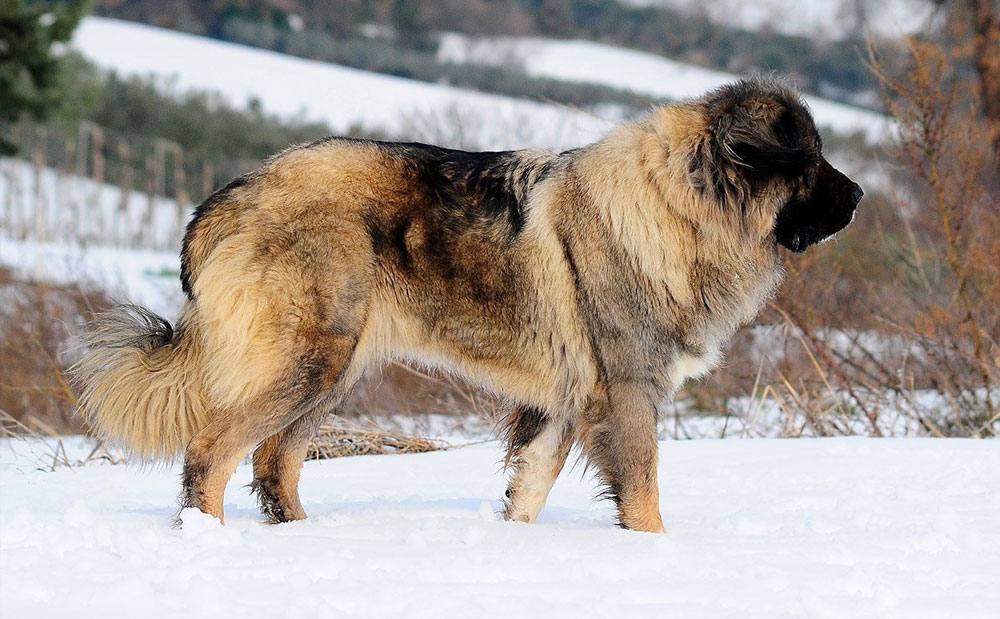
For more information about the Caucasian Shepherd breed, see the table of characteristics compiled based on reviews from owners and breeders of this breed:
|
Characteristic |
Level |
Points |
|
Size |
|
4 out of 5 |
|
Intelligence |
|
4 out of 5 |
|
Training |
|
4 out of 5 |
|
Noisiness |
|
3 out of 5 |
|
Health |
|
4 out of 5 |
|
Picky eating habits |
|
2 out of 5 |
|
Activity |
|
4 out of 5 |
|
Aggressiveness |
|
3 out of 5 |
|
The need for communication |
|
4 out of 5 |
|
Molting |
|
4 out of 5 |
|
Attitude towards children |
|
3 out of 5 |
|
Attitude towards strangers |
|
2 out of 5 |
|
Price |
|
2 out of 5 |



History of origin
The Caucasian Shepherd is one of the oldest breeds in the world. The Caucasian Shepherd's ancestors are Molossoids—large dogs that lived alongside humans as early as the first century BC. Initially, dogs helped their owners herd grain and protect livestock from wild predators.
It is believed that the blood of Tibetan Mastiffs, which were bred specifically for dog fighting in ancient China, also played a role in the breed's development. It was this ancestor that imparted to the Caucasian Mastiffs their absolute fearlessness in the face of adversaries and their fierce grip.
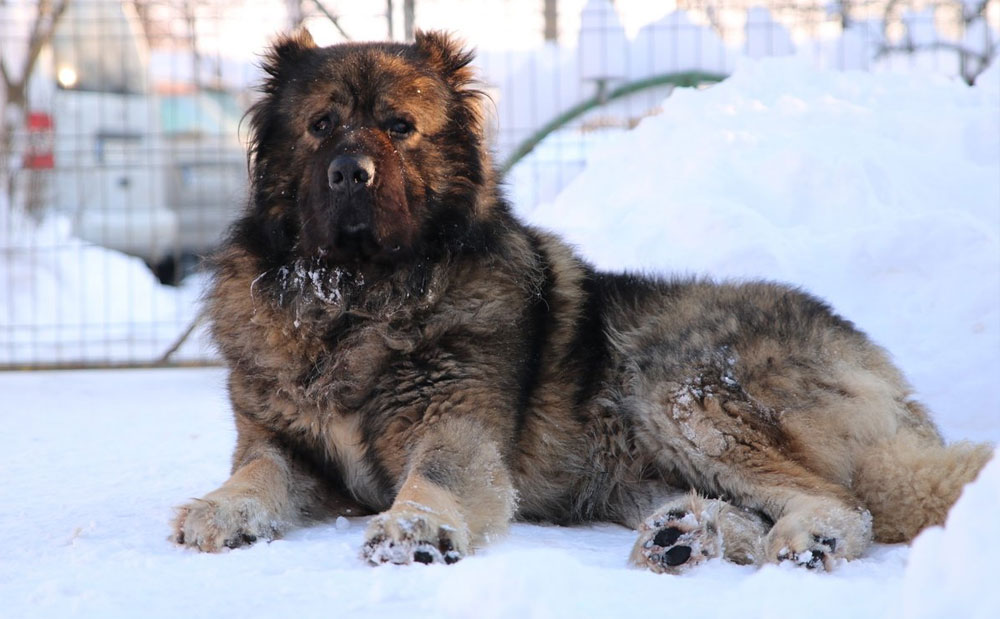
In their homeland of Central Asia, these dogs are still widely used as guard dogs, protecting livestock and property. However, during the wars, the breed also demonstrated its usefulness as a service dog—Caucasian dogs served as guards and participated in battles. Military personnel often took these dogs as trophies. Thus, the breed spread beyond the Caucasus.
In the early 20th century, the Caucasian Shepherd Dog began to gain popularity, along with the Central Asian Shepherd Dog. In the 1980s, the first attempts to revive the breed's genetic makeup were made in Russia, and within 10 years, its popularity had once again reached its peak.
According to the FCI classification, Caucasian Shepherd Dogs belong to the group of Pinschers, Schnauzers, Molossers and Swiss Mountain Cattle Dogs, and belong to the mountain type of dogs.
Appearance and standards
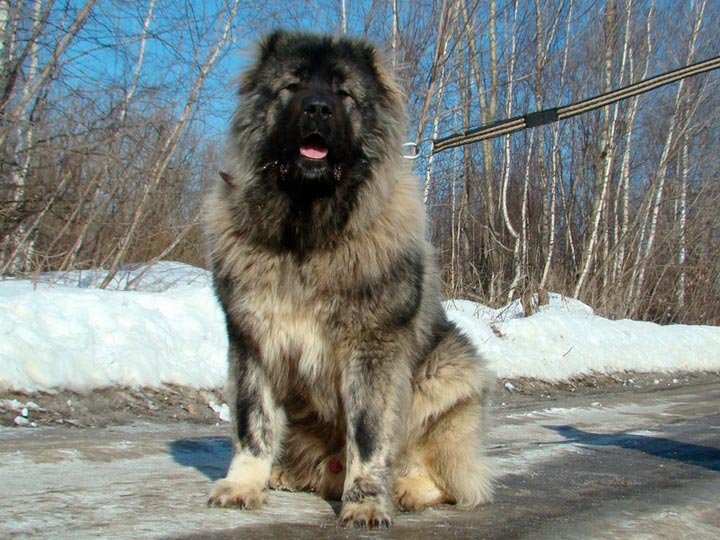
Caucasian Shepherds are distinguished by their very large size. Their height at the withers ranges from 64 to 72 cm, and their weight ranges from 45 to 70 kilograms. They are harmoniously built, strong dogs with a massive bone structure and voluminous, well-developed muscles. Sexual differences are clearly defined.
The Caucasian Shepherd Dog must meet three important proportions:
- The length of the body is 3-8% greater than the height at the withers.
- The length of the front leg to the elbow is half the height at the withers.
- The ratio of the length of the skull to the muzzle is 3:2.
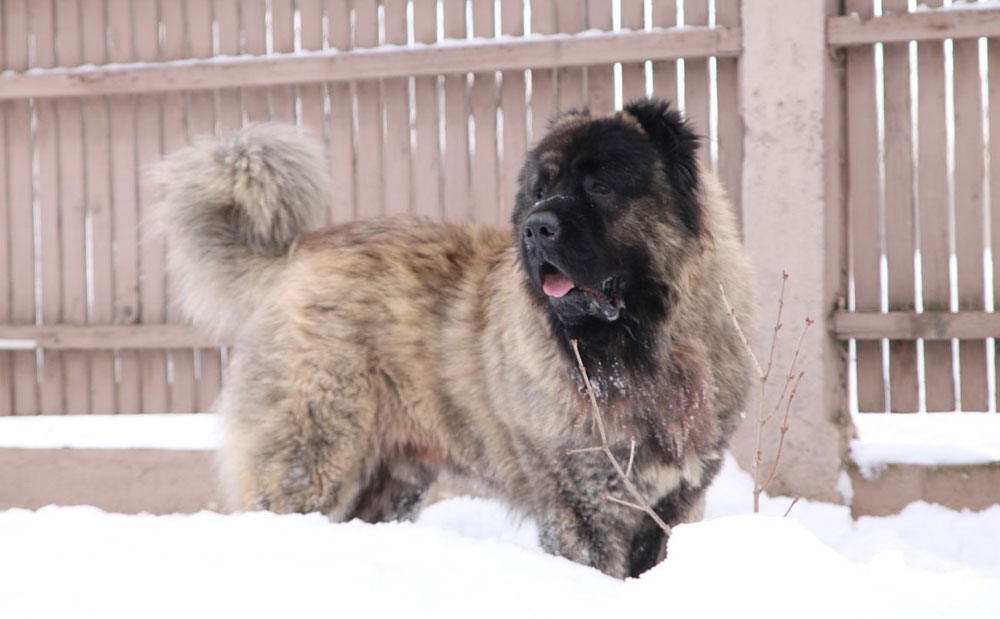
The standard gives the following description of the dog:
- The head is massive, large, and broad. The stop is well defined.
- The muzzle is broad with a large black nose. The lips are thick and dry. The jaws are strong.
- The eyes are small, oval, set wide apart, not too deep. The eyelids are tight-fitting and dry.
- The ears are small, hanging on cartilage, triangular in shape, set high and wide apart. Traditionally, the ears are cropped, but today, uncropped ears are also accepted due to the ban on the surgery in many countries.
- Body – very well developed in all dimensions: muscular, wide and balanced.
- The back is strong and straight.
- The loin is short and slightly arched.
- Chest – well developed, deep.
- The abdomen is moderately tucked up.
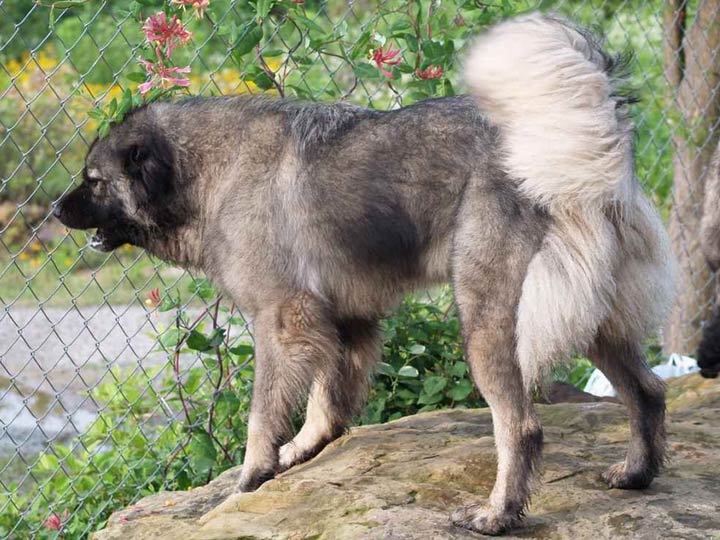
- The tail is set high and carried in a sickle or ring shape. When relaxed, it hangs low, but when excited, it rises above the line of the back.
- Legs are strong and of moderate length. Paws are rounded.
- The skin is thick and does not form wrinkles or folds.
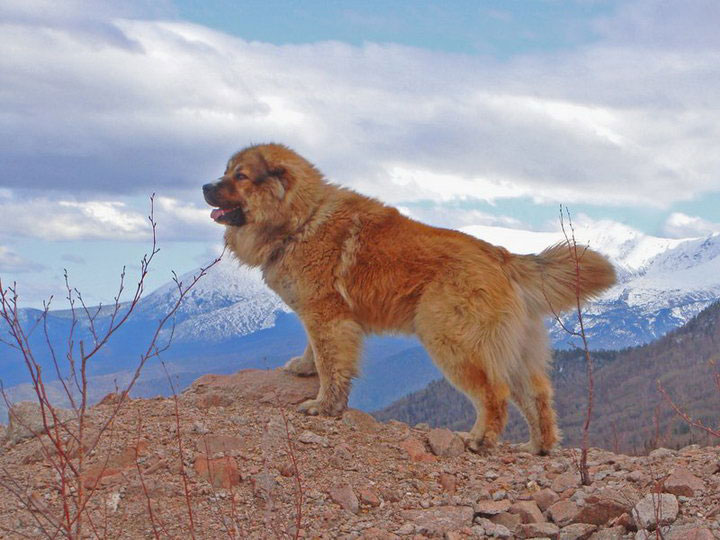
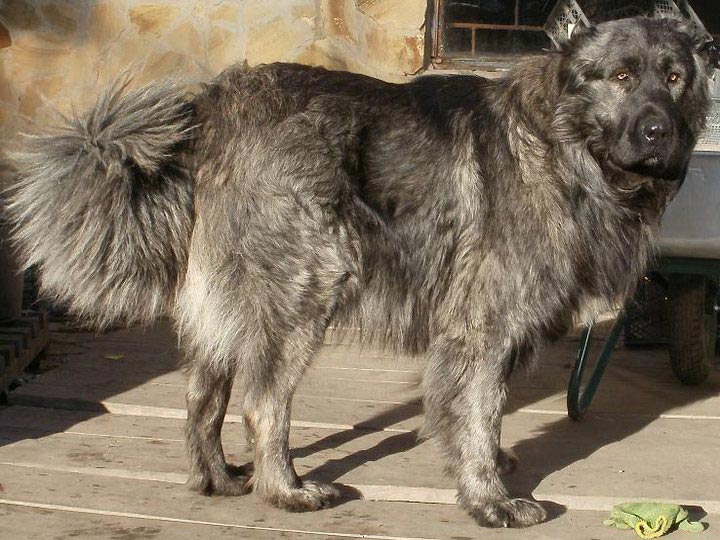
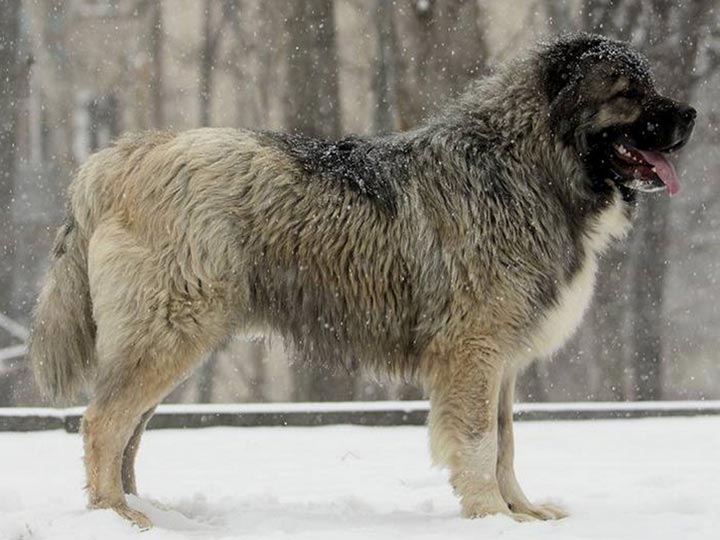
- The coat consists of straight, coarse, loosely fitting hair and a well-developed undercoat.
- The coat is at least 5 cm long (dogs are classified as short-haired, long-haired, and intermediate-haired). The head and front of the limbs are shorter and denser. The tail is well-furred, and the elongated outer hair also forms tufts on the ears, a "mane," and feathering on the legs.
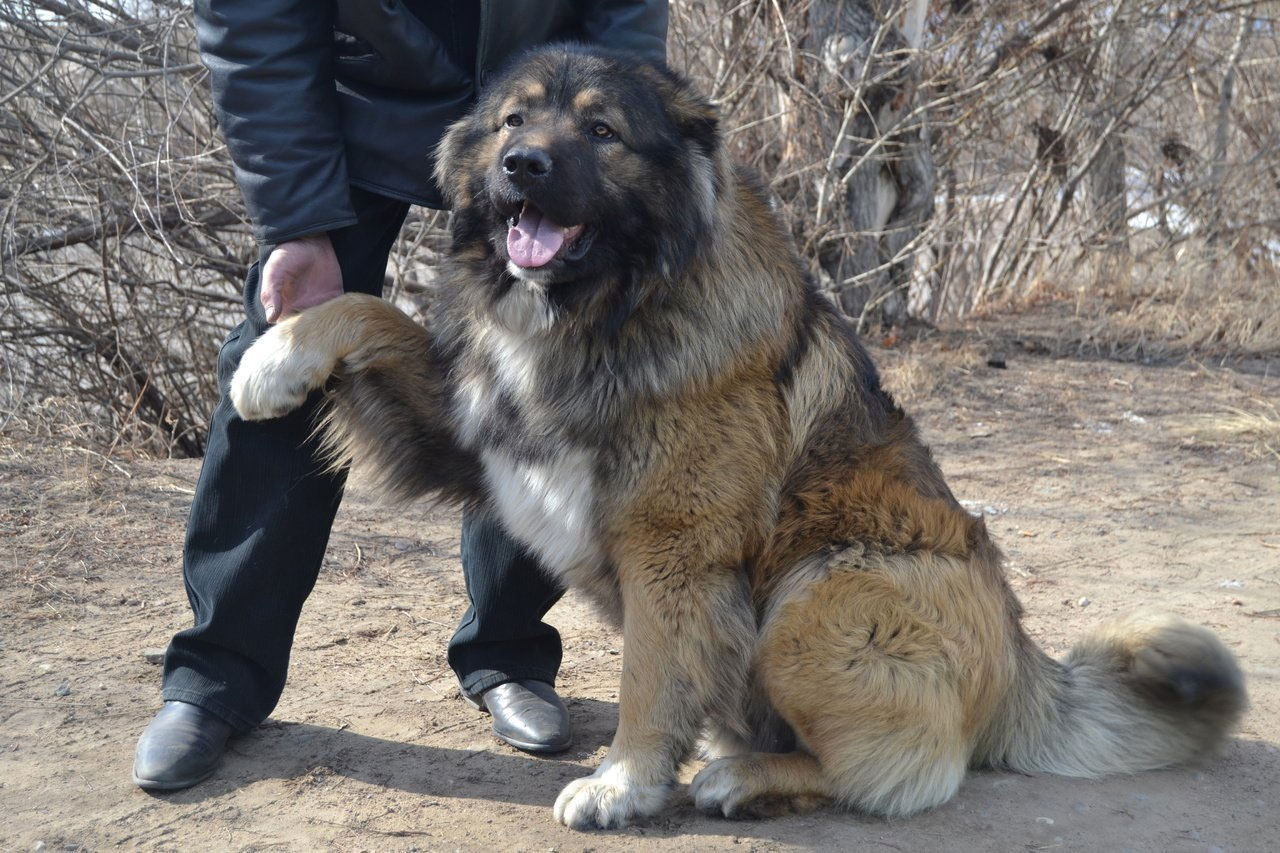
The coat can be any solid color, as well as piebald and spotted. Any shade of brown is acceptable.
The exception is shades that appear as a result of mixing blood:
- solid black;
- weakened black;
- brown in any combination;
- blue;
- liver-brown.
Character
The Caucasian Shepherd is an intelligent and docile animal with high intellectual abilities. Even as a puppy, they understand the importance of protecting the home and controlling behavior within it.
A pet will never show unprovoked aggression if it's raised in an environment where it's treated with respect. Pamper your dog if you like, but don't worry about it affecting its guarding qualities—it won't. On the contrary, praise will only benefit the animal. Caucasian Shepherds quickly become attached to their owners and don't handle changes of ownership well.
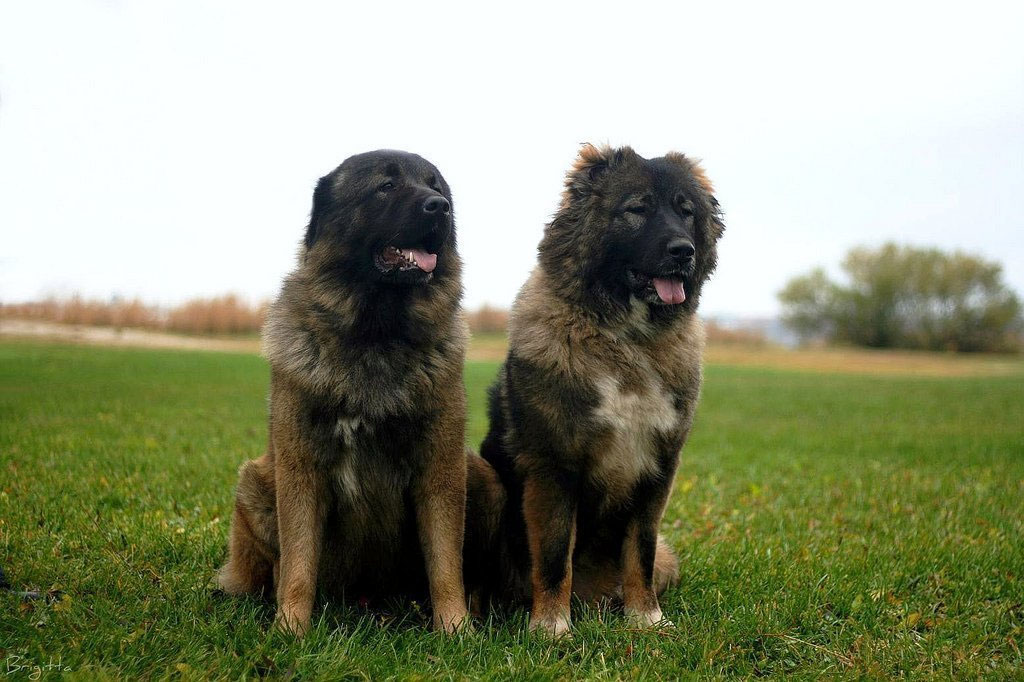
The Caucasian Shepherd loves company, so even if the dog lives outdoors, it's important to spend time with it in any weather. If you don't maintain regular contact with the dog, you can forget about a friendly relationship.
Caucasian Shepherds display distinct traits of their ancient ancestors. They possess incredible strength and can be aggressive. However, they are quite reserved and will not attack without provocation. These character traits led to the breed's use as guard and watchdogs. They are also excellent cattle herders, making them loyal companions to mountain shepherds even in ancient times.
Caucasian Shepherds inherit their versatile guarding qualities, so even a small puppy can prove to be an experienced guard.
Maintenance and care
If you've decided to get a Caucasian Shepherd puppy, you should be aware that they are completely unsuited to life in a city apartment. The best option for them is a kennel or a private home with a spacious run, as this breed requires a lot of exercise.
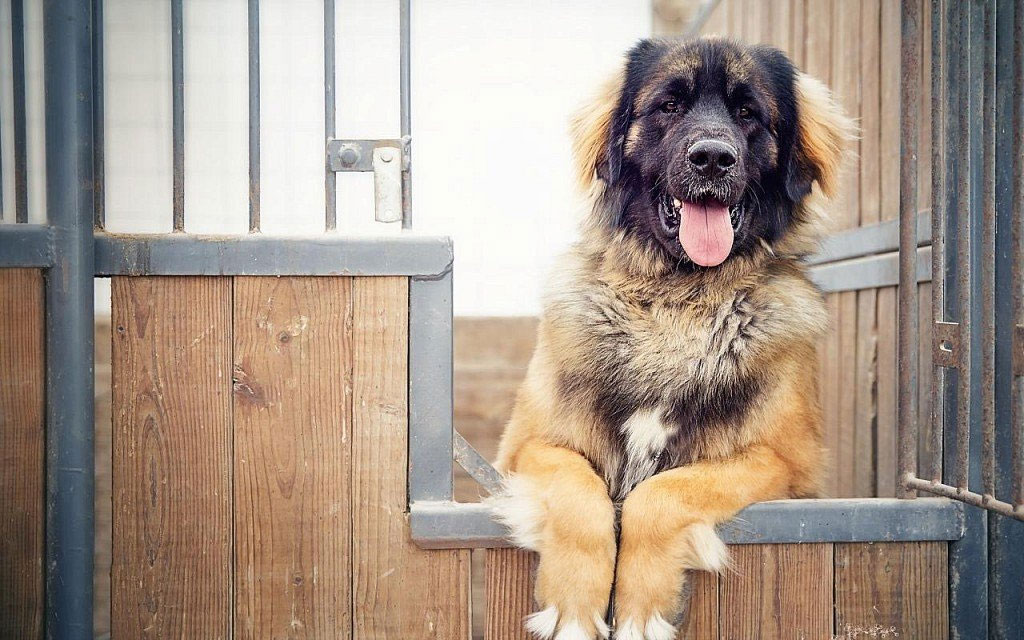
Important! Keeping such dogs chained is unacceptable. Such conditions are now considered animal cruelty. Scientists have proven that chaining damages the animal's psyche, deprives it of normal socialization, and makes it aggressive and dangerous to others.
Longhaired members of the breed have beautiful, thick fur that requires proper grooming. To keep your pet looking neat, brush their coat regularly, especially during shedding season. Without proper grooming, their fur can become matted, which not only ruins their appearance but can also be painful.
A Caucasian Shepherd living in an enclosure should be bathed as needed. If kept in an apartment, bathing is required much more frequently. Excessively warm air and frequent bathing disrupt the normal coat structure, leading to skin conditions and year-round shedding.
From an early age, it is necessary to accustom the dog to basic grooming procedures:
- combing;
- eye rinsing;
- cleaning ears;
- trimming claws.
Caucasian Shepherds are generally not particularly aggressive towards other animals, but due to their impressive weight and size, they pose a potential danger to small and medium-sized dogs.
Diet
Caucasian Shepherds need a high-quality, balanced diet. It's especially important for puppies to receive adequate amounts of vitamins and minerals during their active growth period.
The easiest way is to feed your pet with ready-made premium or super-premium commercial food for large and giant breeds. This eliminates the need for additional vitamins and supplements.
When feeding Caucasians naturally, they are given:
- meat and fish (raw or cooked);
- porridge (buckwheat or rice);
- vegetables and fruits;
- fermented milk products (kefir, low-fat cottage cheese).
An adult dog should be fed twice a day, adjusting the portion and its composition based on the pet's health and activity level.
Education and training
Thanks to their high intelligence, Caucasian Shepherds are easy to train. However, it's important to remember that they don't tolerate being rushed and won't rush to follow commands unless they deem it necessary.
Training them will require patience and, in some cases, persistence, but avoid yelling or physical coercion. When training your pet, exercise leadership and moderate sternness.
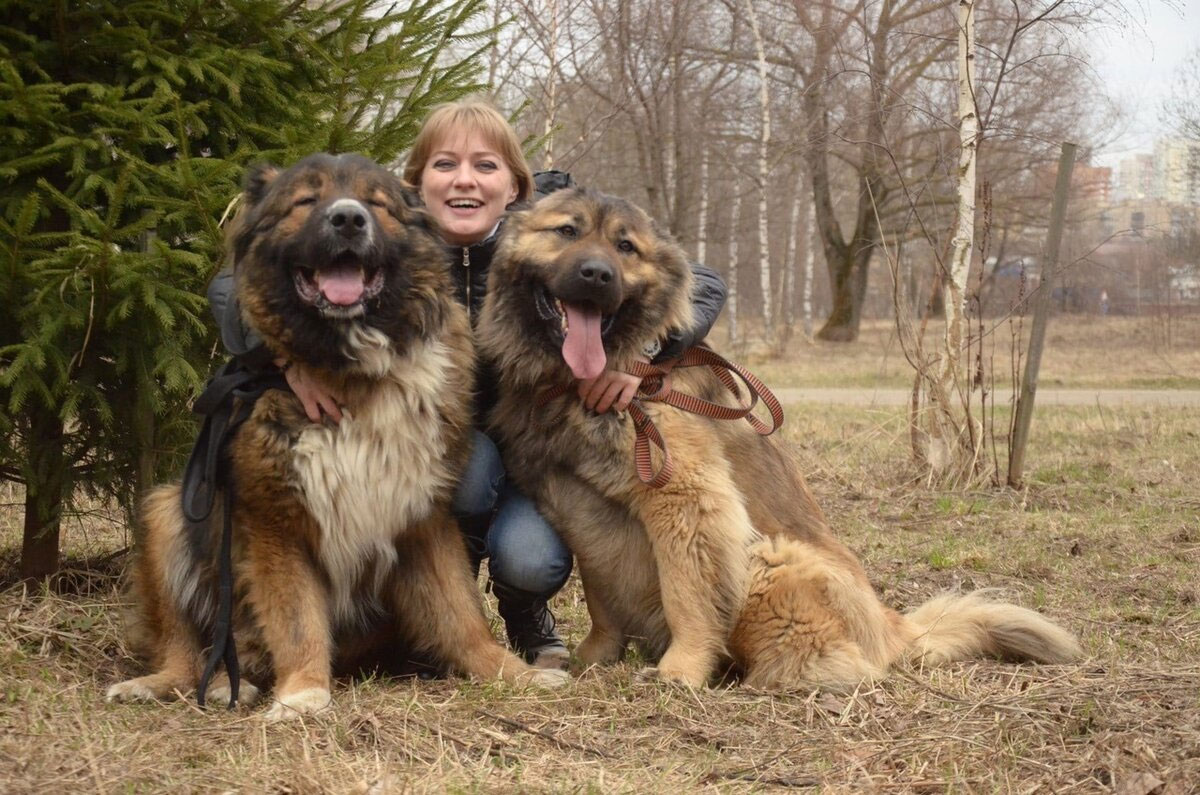
Female Caucasian Shepherds are more docile than stubborn males and are easier to train. Males are spiritually stronger, and their owner should be a match for them: experienced, confident, and impressive.
Caucasian Shepherds are very strong and reserved. They are naturally aggressive, requiring careful training and education. Avoid training them to be aggressive or overly focused on the "attack" command, as this can not only increase but, in some cases, actually exacerbate their natural ferocity.
If this is your first large dog, the best choice is a training course supervised by an experienced instructor. Particular attention should be paid to obedience if there are children or teenagers in the home who will need to interact with the dog in the absence of adults.
It is also important not to ignore any manifestation of destructive behavior in your pet, but to seek help from a specialist at the first sign of disobedience or aggression towards people living in the house.
Health and life expectancy
Caucasian Shepherds are strong, hardy dogs that enjoy excellent health. Therefore, it's important to pay close attention to their pet's well-being. Any illness is dangerous because by the time symptoms appear, the disease is already quite advanced. A strong immune system helps keep illnesses at bay, but once all reserves are exhausted, they can progress very quickly. With proper care and maintenance, Caucasian Shepherds have a lifespan of 9-12 years.
Caucasian Shepherd puppies are susceptible to viral and bacterial enteritis, so they must be vaccinated against major infectious diseases.
Some hereditary diseases have been observed in the breed:
- dwarfism;
- thyroid disease;
- hip dysplasia;
- diabetes mellitus;
- eversion or inversion of the eyelids, as well as abnormal growth of eyelashes.
Choosing a puppy
When choosing, first of all, you should pay attention to the following factors:
- Availability of documents (puppy pedigree).
- Availability of basic vaccinations (by age).
- Living conditions of the puppy's parents.
- Absence in the family of dogs with serious illnesses or mental disorders (aggression).
- The puppy’s condition (weight, activity, absence of parasites).
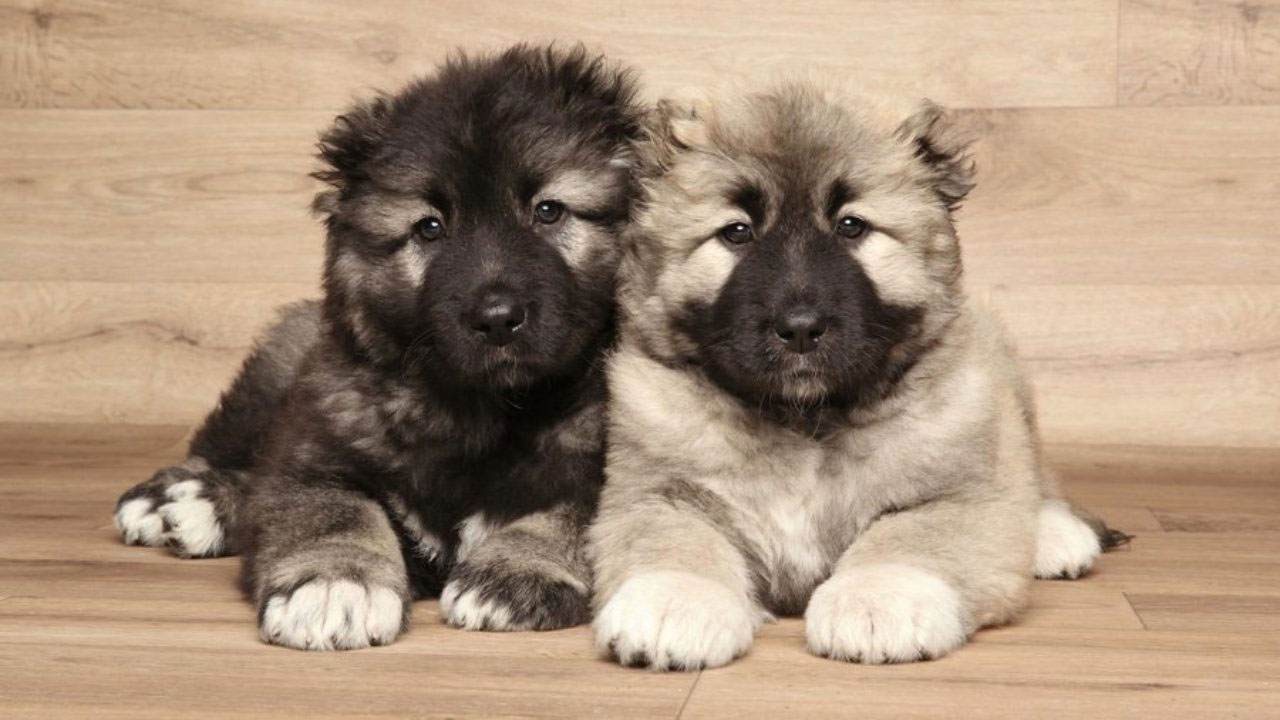
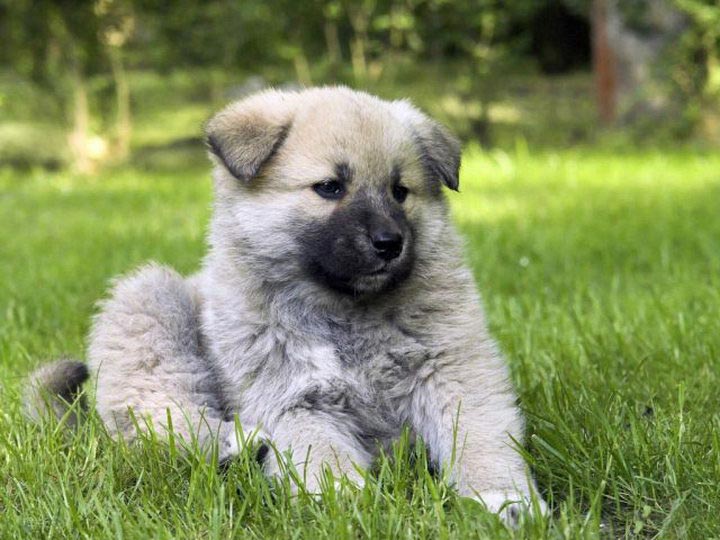
A Caucasian Shepherd puppy looks more like a teddy bear. It plods along comically, sometimes even rolling around, frolicking. At this age, shepherds don't yet know obedience, but they are very sweet, which makes people want to adopt them. But by six months, this former puppy is already a large dog, and by one year, it's fully formed. So before adopting a Caucasian Shepherd puppy, consider whether you can afford it, whether the animal will be comfortable in your home, and whether you will be comfortable.
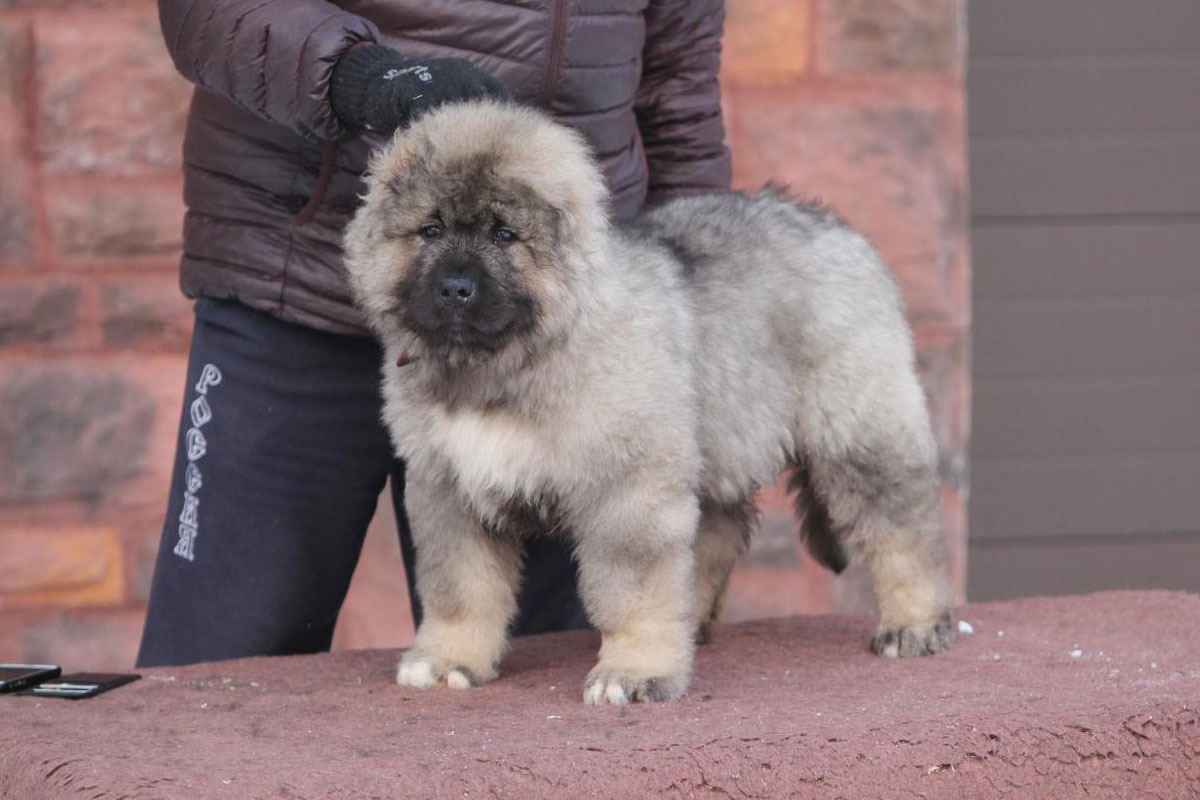
Caucasian Shepherds are bred by kennels, private breeders, and amateurs. The number of dogs for sale from the latter significantly outnumbers the number from the latter. Demand for these dogs is also higher, which is understandable.
A puppy from a kennel from good parents (with a pedigree), properly raised and guaranteed healthy, will cost 40,000-60,000 rubles. Puppies with some flaws (healthy, but not suitable for shows and breeding) are asked from 20,000 rubles.
At the same time, a puppy born to an amateur (not from a planned club mating) can even cost less than 10,000 rubles, but in terms of the health and character of such a dog, this is a “game of roulette.”
Photos
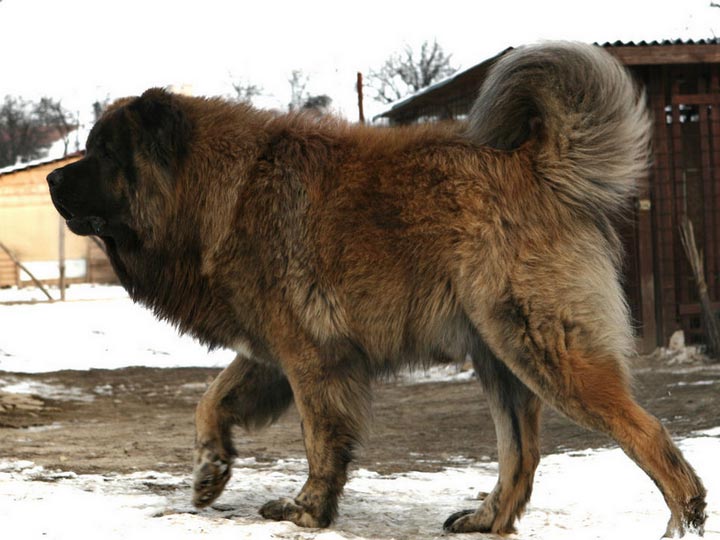
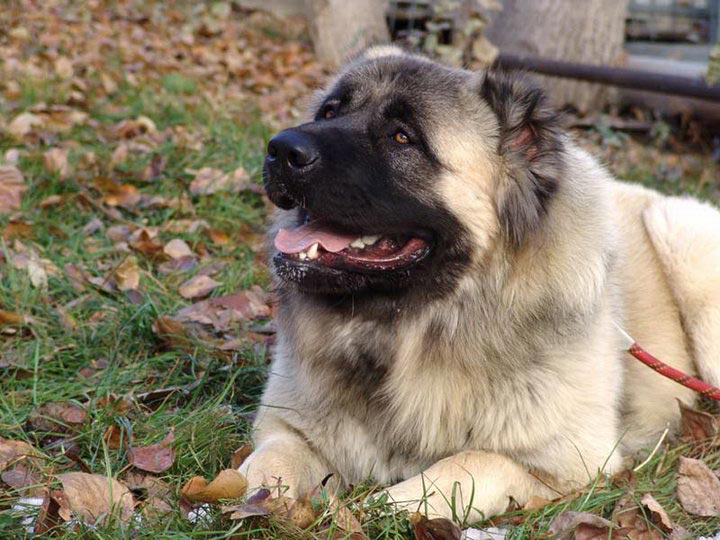
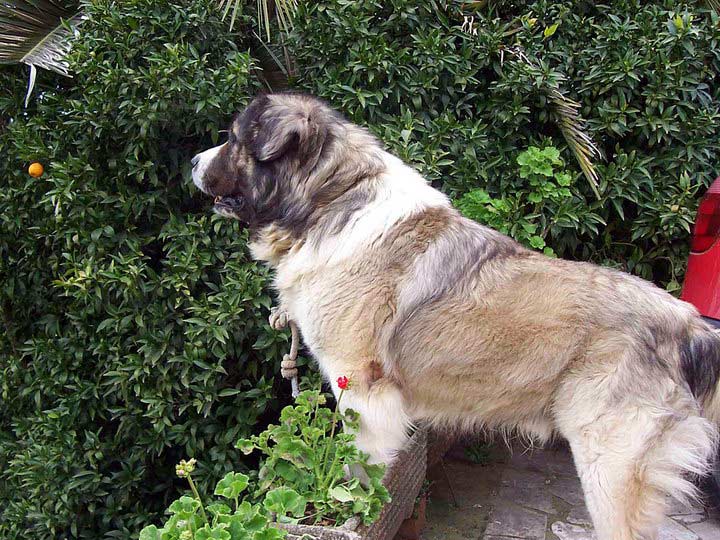
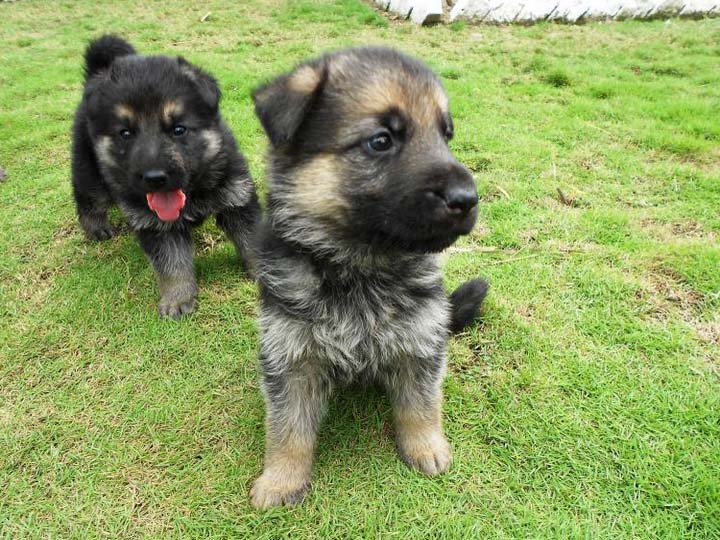
Photos of Caucasian Shepherd puppies and adult dogs:
Video about the Caucasian Shepherd dog breed
https://youtu.be/KSDJKcif76Y
Read also:
Read also:


Add a comment