
My cat has a watery eye: what should I do?
An animal's body, like a human's, signals problems and malfunctions. If a cat has a watery eye, squints, appears sick, or refuses to eat, you should consult a veterinarian immediately. They will advise you on home remedies, medications, and treatment regimens to restore your pet's health and prevent blindness.
Content
Symptoms of eye watering
If a cat has one or both eyes that are watery for a long time, there are brown discharge or with a whitish tint—this is a manifestation of several serious diseases. Along with these, the animal will also develop other signs of pathology:
- severe itching (the cat constantly rubs its eyes with its paws);
- the kitten or cat squints and covers its eye;
- lethargy and poor appetite;
- redness of the whites of the eyes;
- increase in body temperature;
- photophobia and swelling of the eyelids;
- dried crusts and hair loss in the corners of the eyes.
Pathological discharge can change in nature. Initially, it's thin and clear, but within a day, it's thick and purulent. Sometimes it clears up, sometimes it reappears with renewed vigor. If your cat has a watery, swollen, and squinting eye, don't delay a visit to the veterinarian. Prompt treatment will completely relieve your pet's suffering and restore its vision.
Natural causes of tearfulness
Sometimes a house cat's eye briefly swells, becomes stiff, waters, and runs. This is completely normal after sleep. Rinsing it with warm black tea or running water is sufficient. Profuse, clear tears often occur in long-haired, purebred cats. Their tear ducts are irritated by their long hair. To prevent this, brush your cat regularly, trim the facial hair, and treat the eyelids with special eye drops.
Some tearing is considered normal in Scottish Folds, Persians, and British Shorthairs. These breeds "cry" due to anatomical differences in their skulls. They have shortened nasal and tear ducts. Tearing is usually not a problem for the pet. The owner only needs to perform hygienic cleaning and observation. However, if the cat's eye is already swollen, excessively watery, closes, or has pus, these are signs of an infection.
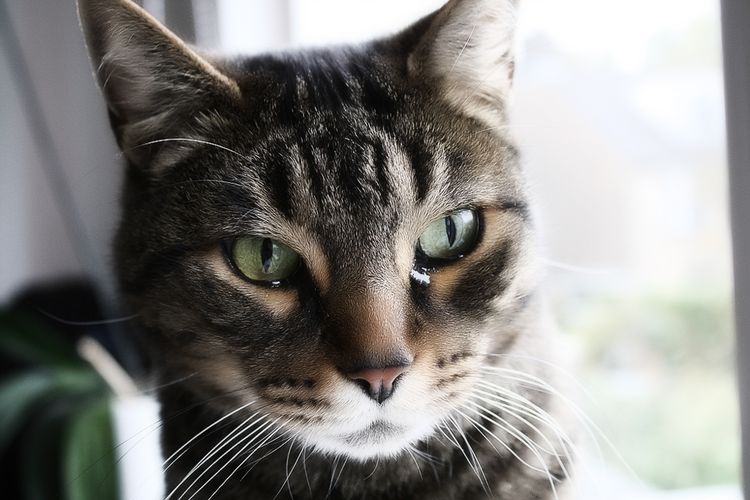
Painful lacrimation
Experienced breeders know that if a cat has one eye that is watering for a long time, it is a sign of a serious pathology:
- Cold. Animals often have watery eyes if they've been chilled and have contracted a virus. In addition to the discharge, their body temperature rises. The pet refuses to eat and sleeps constantly.
- Conjunctivitis is an infectious disease caused by pathogenic microflora, such as staphylococci or chlamydia. Typically, with this ophthalmological condition, a cat is afraid of bright light, hides under a sofa or bed, and has watery eyes in one or both eyes. A veterinarian will determine the appropriate course of action.
- Worm infestation. Intestinal parasites often cause profuse tearing in pets. They affect not only the digestive tract but also the visual organs, causing severe suppuration and inflammation. The owner immediately notices that the cat's eye is swollen and watery. After deworming, these symptoms disappear.
- Trichiasis is a rare condition characterized by abnormal eyelash growth in cats. The eyelashes protrude into the eyelid, irritating the tear ducts and causing infection. The cat constantly rubs its eyes and squints. The problem can only be solved surgically. Simple medicated or folk remedies are ineffective in this situation.
- Volvulus century — a problem that often occurs in Sphynx cats and other hairless breeds. It can only be treated surgically. Following surgery, antibiotic therapy is administered. Within a few days, the animal's vision is fully restored, and all unpleasant symptoms disappear.
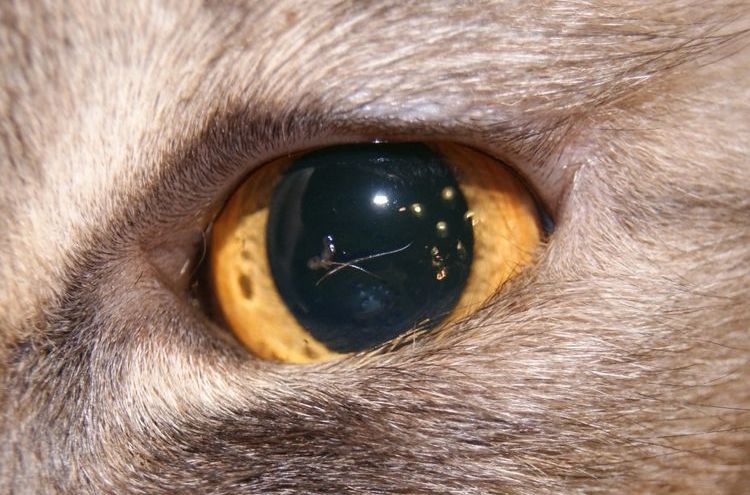
- An allergic reaction often causes swollen eyelids and excessive tear production in pets. It's triggered by various allergens: pollen, household chemicals, cosmetics (especially aerosols), new food with additives, tobacco smoke, poplar fluff, or household dust. Pets experience red eyes, frequent sneezing, and itching. To relieve the pain, antihistamines are administered and, if possible, the pet is kept away from contact with irritants.
- Chemical or thermal burns of the eyelids and cornea. Pets suffer these injuries if their muzzles come into contact with household chemicals, various solvents, dyes, or varnishes. Before taking your pet to the veterinarian, it's important to determine whether the burn was caused by an alkaline or acidic solution. If alkaline solution gets into your cat's eyes, they can be rinsed at home with a boric acid solution, while if the eyelids are burned by an acid, a baking soda solution is suitable. If neither is readily available, simply rinse the muzzle with tap water.
- Foreign objects. If a cat squints and has a red, watery eye, it could be a piece of hard food, a splinter of wood, a speck of dust, or sand. These can rupture the eyelid membranes, causing inflammation and swelling, and stimulating tear production. To remove foreign objects, rinse the pet's eyes with running water and then wipe them with an antibiotic solution. If the cornea is severely damaged, attempting to remove them on your own can only cause harm and lead to complete blindness.
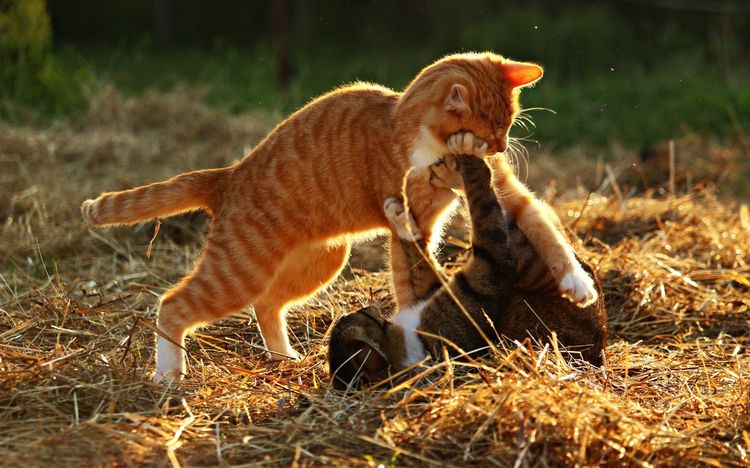
- Injuries. Often, if several mature cats live in a house, fights and squabbles occur, resulting in the pets injuring each other's eyelids with their claws. It's not uncommon for a cat to develop a red, watery eye after a walk. It could have been injured by a dry tree branch or a stem in the grass.
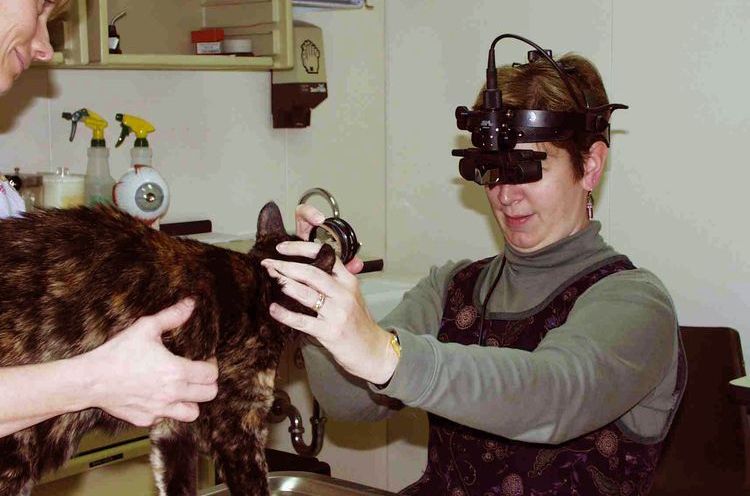
Important! In any case, if your pet exhibits any abnormal symptoms, a veterinarian should examine them. They will examine the cornea and determine the extent of the eye damage. If conjunctivitis is suspected, an ocular fluid analysis will be required to determine the causative agent—fungi, bacteria, or viruses. In special cases, an ocular ultrasound, tear duct patency tests, and an ophthalmoscopy may be performed.
Treatment at home
When infectious eye diseases are detected in cats, they are prescribed drops and rinses with aqueous solutions of antibiotics:
- Sofradex;
- Sodium sulfacyl;
- Kanamycin;
- Levomycetin.
In this case, not only the affected eye is treated but also the other eye, even if it appears healthy. An antibiotic ointment (such as tetracycline) is applied 2-3 times a day, and the eyelids are wiped with a furacilin solution. If the eyelids are severely swollen and the pain severe, a hormonal solution (hydrocortisone and novocaine) is injected into the eyeball. These procedures are performed in a hospital setting.
If a foreign body gets into your pet's eye, the veterinarian removes it with a cotton swab, injection needle, or tweezers, and then injects an anesthetic into the eyeball.
Excessive lacrimation caused by an allergen is treated with antihistamines and hormonal ointments.
As a complement to regular medications, some cat owners use herbal infusions and decoctions, such as sage, chamomile, St. John's wort, and calendula. They rinse their pet's eyes with these twice daily. These treatments help remove pus, stop inflammation, and heal damaged mucous membranes. Strong black tea or a weak solution of potassium permanganate can be used in place of herbal remedies.
Disease prevention
To prevent cats from having watery and inflamed eyes, it is necessary to carry out the procedure in a timely manner. deworming, undergo regular veterinary checkups, and receive vaccinations. It's important to maintain good hygiene: groom your pet, brush their fur, bathe them, and clean their eyes and ears. At the first sign of illness, it's best to be on the safe side and take your pet to the veterinarian rather than self-medicate.
Read also:
- How and what to use to wash a kitten's or cat's eyes
- Third eyelid in cats: causes and treatment
- Conjunctivitis in cats


Add a comment