
My cat has brown discharge from the eyes: causes and treatment
A small amount of clear discharge is normal, but if your cat notices brown discharge from the eyes, it's a warning sign that could indicate a developing medical condition. If dark discharge from your cat's eyes persists for several days, you should closely observe the animal's behavior, assess possible triggers, and seek professional help.
Normal eye discharge
A cat's vision is much sharper than a human's. It helps them navigate, hunt, quickly explore new environments, and see in the dark.
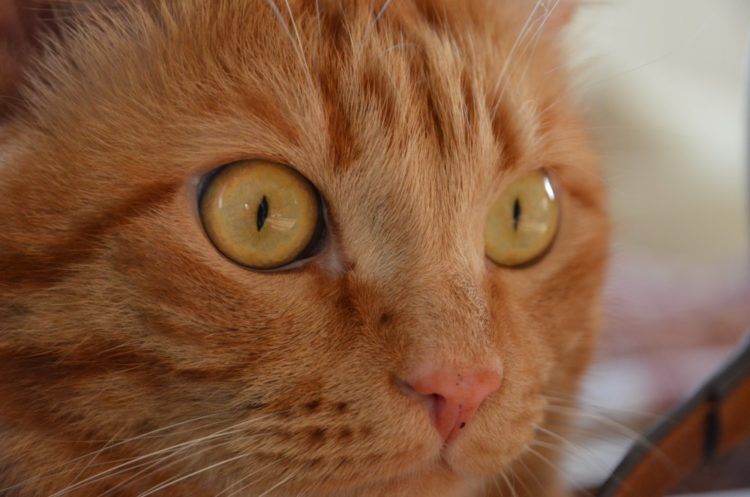
Cats normally experience a small amount of clear fluid discharge from their eyes. The discharge is odorless and virtually colorless. It is relatively small in quantity and has a semi-liquid consistency. It helps clear the visual system of dust, foreign bodies (crumbs, tiny debris), and other contaminants.
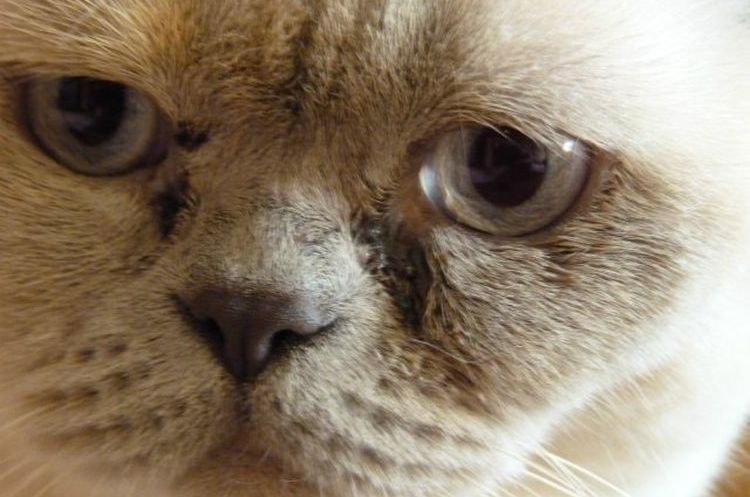
In some cases, increased fluid secretion is characteristic of certain breeds. For example, this is typical in Persian cats, which have a genetic disorder that disrupts the normal functioning of the nasolacrimal duct.
Excessive tear production is also common after sleep. This can result in a buildup of so-called "sour spots" in the corners of the eyes, which the cat will remove on its own during grooming.
Reasons
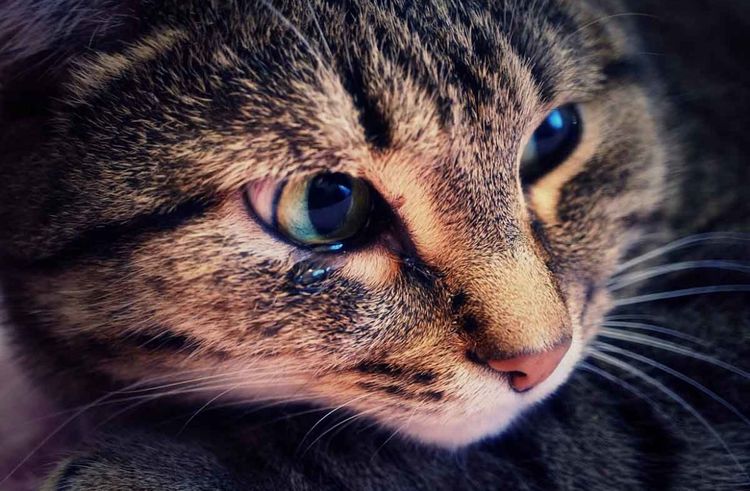
When a cat has a brown, purulent discharge from its eyes, it indicates the development of a disease. The pathology can affect various organs and systems and manifest itself with this symptom. Therefore, dark discharge is a consequence of a malfunction in the body.
The most common causes of non-infectious eye discharge in cats are:
- head or eye injuries;
- a foreign body that has entered the cornea or lacrimal canal;
- allergy;
- pathologically narrow lumens of the lacrimal canals, which hinders the normal flow of fluid through them;
- dacryocystitis (obstruction of the lacrimal canal caused by congenital anomalies or an inflammatory process);
- a congenital disorder of eyelash growth that causes constant irritation of the cornea;
- benign and malignant neoplasms that mechanically affect the lacrimal ducts, constricting their lumen.
Dark and even black discharge from a cat's eyes can occur as a result of infectious diseases:
- conjunctivitis;
- keratoconjunctivitis;
- blepharitis (inflammation of the eyelids);
- keratitis (inflammation of the cornea);
- uveitis (inflammation of the lining of the eyeball);
- iridocyclitis (disorder of the eye vessels);
- viral diseases.
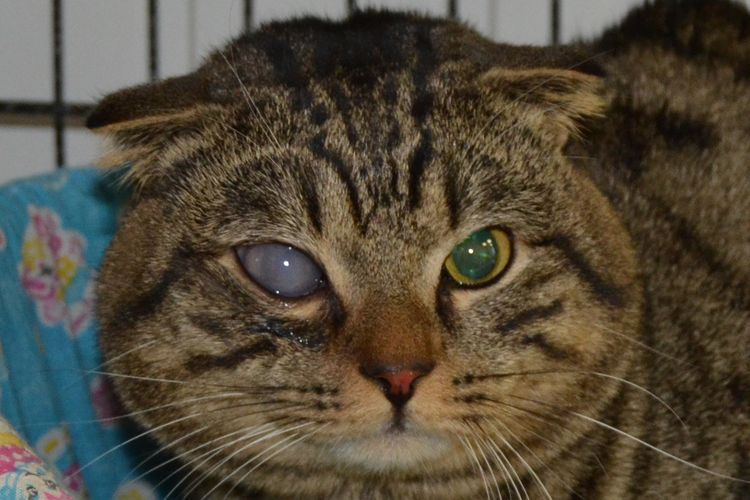
In addition, dark discharge may appear as a result of glaucoma, which developed after a long-term inflammatory disease, surgery, or degenerative disease of the visual organs.
Important! Glaucoma – a very dangerous condition that can lead to the removal of the entire eyeball.
Symptoms of pathology
The nature of the discharge will help determine what specific disorder contributed to the appearance of pathological discharge:
- purulent exudate of light brown, yellow or greenish color may indicate bacterial conjunctivitis, keratitis, viral infection and various eye diseases of bacterial origin;
- thick, cloudy mucus: various viral diseases (in this case, the release of pus is not observed);
- milky exudate: cat flu;
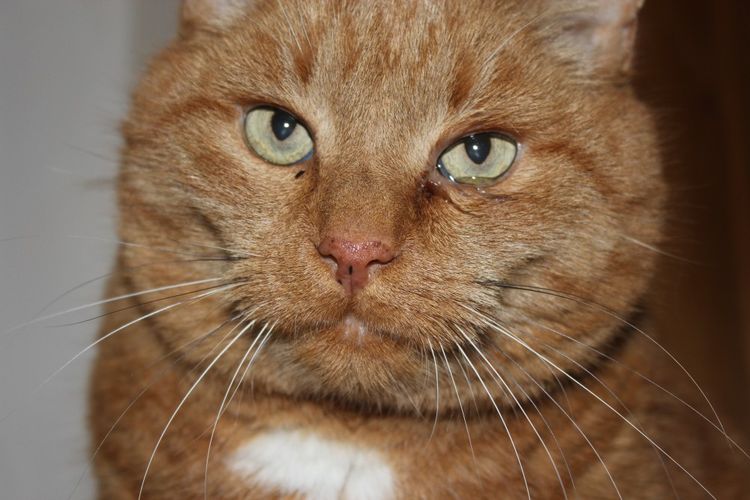
- brown discharge: the most common cause is epiphora, which develops as a result of obstruction of the lacrimal ducts (accompanied by dermatitis, hair loss in the eye socket area, itching);
- profuse lacrimation, accompanied by reddening of the whites of the eyes, frequent blinking, photophobia: allergic reaction, penetration of a foreign body, trauma;
- red liquid: usually also refers to brown discharge, but it has a reddish tint in light-colored or white animals;
- clear, watery, odorless fluid: a normal variant if the tearing subsides after a short period of time.
Important! Additional signs of an infectious disease in an animal include loss of appetite, lethargy, and a dry nose.
Treatment
If your pet shows signs of illness, the best option is to take them to the veterinarian. However, this isn't always possible, so you can treat the condition yourself at home by performing a lavage.
The procedure is performed using an alcohol-free antiseptic solution. This could be a chamomile or oak bark decoction, or a furacilin solution. For the most effective and safe procedure, follow the recommendations below:
- Before and after the procedure, it is necessary to treat your hands with an antiseptic.
- It is better to perform this manipulation with two people to securely hold the pet so that it does not harm itself or the person.
- The eyes should be treated with gauze or a cosmetic swab that does not leave lint.
- The rinsing solution should be warm and weak.
- If the animal's eyelids or eyelashes are stuck together, you can briefly apply a well-moistened swab to the area.
- The treatment is carried out in the direction from the bridge of the nose to the outer corners.
- Along with the eyes, you need to wipe the cheeks, nose and eyebrow area.
How to wash a cat's eyes: video
Important! Do not delay home treatment if dark or black discharge does not clear within 1-2 days. Progressive disease can lead to blindness in your pet.
To treat abnormal discharge, a veterinarian will prescribe treatment to address the underlying cause. Diagnostic tests may be required, including a corneal scraping, blood tests, and more complex diagnostic tests (PCR, ELISA, X-rays, etc.).
Depending on the underlying condition, the doctor will prescribe medications and provide recommendations for their use. These may include antimicrobial and antibacterial agents, administered topically, orally, or by injection. Nasolacrimal duct obstruction, inversion of the eyelids, and tumors are treated surgically.
Prevention
Normally, whether it's a regular cat, a Scottish Fold, or a British Shorthair, the animal takes care of its own hygiene. However, if, due to individual circumstances, your pet is unable to clean the eye area, it's recommended to use special lotions to prevent infection.
To protect your cat from pathological discharge, it is enough to follow measures to maintain its general health:
- provide high-quality balanced nutrition;
- get immunized on time;
- maintain activity;
- prevent contact with sick animals.
Read also:
- My cat has a watery eye: what should I do?
- How and what to use to wash a kitten's or cat's eyes
- My kitten has pus in his eyes: causes and what to do


1 comment
Marina
YES, my cat had this problem.
Add a comment