
Why do cats have watery eyes?
Sometimes cat owners notice their pet's eyes begin to water. This symptom occurs because tearing is a protective response to external or internal irritants. In some cases, it can be normal, but more often, it indicates a pathological process.
Content
Why do eyes water?
There are physiological and pathological lacrimation. The former refers to the accumulation of a small amount of dried tear fluid in the corners of the eyes. This appears as brown or tan-colored crusts. It occurs for a number of reasons:
- Age. In the first few days of life, kittens' eyes are still closed. Tears flow profusely as they emerge, a natural process that lasts no longer than a week. To prevent infection, it's recommended to rinse your pet's eyes with warm, clean water.
- Getting hair in the eye. Often found in long-haired breeds.
- Irritation. When dust, tobacco smoke and some other substances come into contact with the mucous membranes of the eyes.
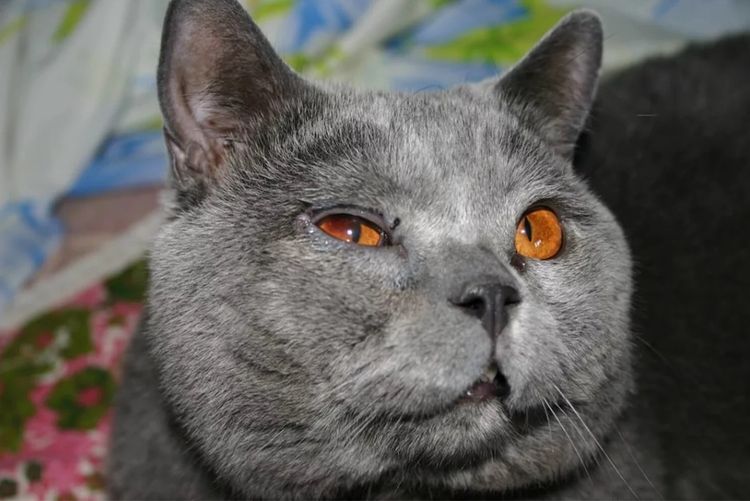
- Predisposition. This trait is often found in Scottish, British, Persian and some other breeds.
- Dry air.
- Dream. The release of a small amount of tears after sleep is considered normal.
In all of the above cases, the pet's health remains normal. No hygiene or treatment procedures are required.
Abnormal lacrimation is observed with almost any eye disease. The animal experiences noticeable discomfort and may sneeze, squint, and rub its eyes with its paws.
Here is a list of the most common reasons:
- Neoplasms of the eyeball.
- Parasitic infestation. Discharge occurs due to intoxication of the body.
- Pathologies of the internal structures of the eye.
- Fungal infection.
- Cataract or glaucoma.
- Blepharitis (inflammation of the eyelids).
- Allergic reaction (mainly to household chemicals).
- Conjunctivitis is an inflammation of the outer membrane of the eye.
- Keratitis is an inflammation of the cornea, which is accompanied by clouding and ulceration.
- Corneal injuries.
- Increased production of tear fluid.
- Anomalies in the development of visual organs.
- Obstruction of the nasolacrimal duct. The fur around the eyes takes on a brownish color (forming so-called "tear tracks"). This condition is common in certain cat breeds (British, Persian, Sphynx, and others).
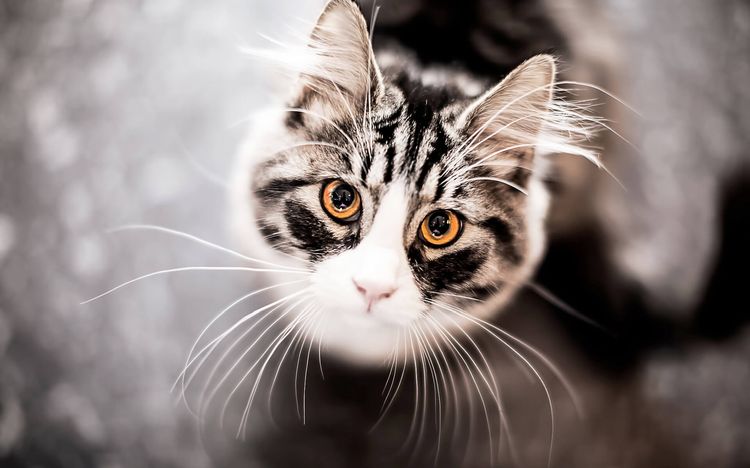
- Entropion of a cat's eyelidIt bends in the other direction, the mucous membrane is irritated by hair and eyelashes.
- Chemical and thermal burns.
- Foreign body ingress.
- Viral respiratory infections (calicivirus or herpesvirus infections). Initially, the discharge is clear and mucous, but later becomes purulent. Other characteristic symptoms are also present: poor appetite, lethargy, nasal discharge, and sneezing.
What breeds can have eye problems?
Eye problems can affect different cats. However, certain breeds are more susceptible:
- Persian cats;
- Scots;
- British.
One cause is long hair that gets into the mucous membranes, causing irritation and tearing. In Persian and Exotic breeds, this condition is not a medical condition; it's a physiological characteristic. The structure of the visual organ causes discomfort for the animal. The eyes begin to ache periodically, change color, yellow or dark discharge appears, and the bridge of the nose may swell. However, cats do not refuse food and are active both indoors and outdoors.
Symptoms
There are several signs that can help determine the pathological nature of lacrimation. The following symptoms are typically present:
- asymmetry of the pupils;
- swelling and redness of the eyes;
- excessive sunken or bulging of the eyeball;
- purulent discharge;
- change in iris color;
- irritated cornea;
- formation of a painful crust or cloudy film on the visual organs;
- presence of injuries (bruises, scratches, bleeding);
- the animal squints;
- photophobia (the cat hides in dark corners of the apartment).
Diagnostics
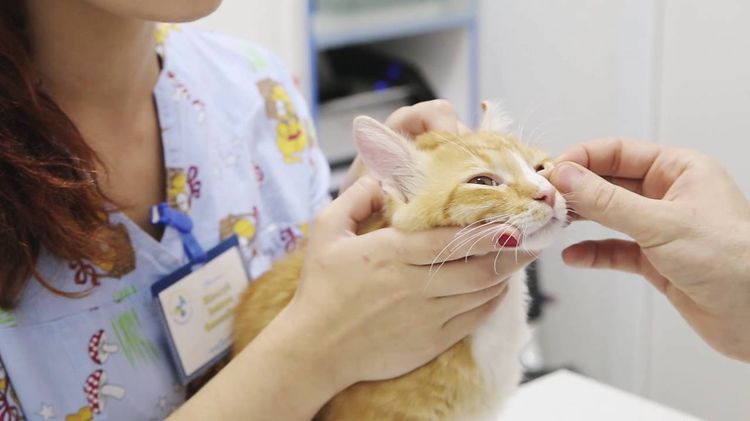
To determine the true cause of watery eyes, you should take your pet to a veterinarian. First, they will conduct a visual examination and collect a medical history. You'll need to answer the specialist's questions and provide all the details about your pet's life. Afterward, the doctor will prescribe the necessary tests and examinations to confirm the diagnosis.
What tests will need to be taken?
If a small or adult cat is sneezing and has watery eyes, a veterinarian should establish a diagnosis. Testing is essential among the necessary examinations. In addition to the usual biological samples (blood, urine), a conjunctival swab should be taken. Avoid treating or rinsing the cat's eyes before visiting the veterinarian.
How to treat
Depending on the cause of the tearing, the veterinarian will select the appropriate treatment. This will take into account the pet's age, health, and other factors.
For conjunctivitis, the eyes are washed with antiseptic solutions (for example, 0.2% Furacilin). If the condition is caused by a bacterial infection, Levomycetin, Kanamycin, or Sofradex drops are used.
For severe swelling, use a solution of hydrocortisone and novocaine.
If the tearing is allergic, antihistamines and corticosteroids are recommended. The irritant must also be identified and eliminated.
Other commonly used medications:
- «Tsiprovet»;
- Levomycetin ointment;
- «Diamond eyes»;
- «Anandin»;
- drops "Leopard";
- tetracycline ointment;
- 2% boric acid solution.
Antibiotics should always be used with caution, as they can cause adverse reactions. Antibiotic ointments are applied three times daily.
Before removing the foreign body, the cat is given an anesthetic injection to facilitate its removal. Then, using a cotton ball and tweezers, the object is removed.
As a complement to the main treatment, you can use traditional medicine recipes. The following remedies are used for rinsing and treating the area around the eyes:
- Herbal infusions (chamomile, sage, St. John's wort, calendula) can even eliminate purulent discharge.
- Green tea. Has a calming and anti-inflammatory effect.
- A weak solution of potassium permanganate. It has good antibacterial properties.
- Strongly brewed black tea. Has a pronounced anti-inflammatory effect.
How to properly apply eye drops
When a cat's drooling and watery eyes are reported to the vet, the owner receives treatment recommendations. These include drops for continuous use.
The effectiveness of the therapy and the psychological state of the animal depend on how carefully and painlessly the medication is applied to the furry pet's swollen eye.
Caution! When purchasing drops, check the expiration date and the integrity of the packaging. Using an expired medication will, at best, be ineffective in combating illness, at worst - dangerous for mucous membranes.
The instillation process can be performed independently or with the help of a partner. The following sequence of manipulations must be followed:
- Place your pet on your lap. The cat should not be able to see the medications or equipment. You can cover it with a blanket to prevent scratching during the procedure.
- Support your head with your hand and wipe your eyes and the area around them with a damp cotton swab. You can moisten it with either plain boiled water (not hot) or a furacilin solution.
- Use your fingers to widen the eyelid as much as possible.
- Introduce 1-2 drops of the medication into the lower, slightly open part of the eye, without touching the surface with the tip of the bottle and without making any sudden movements.
- Hold your pet in your lap for about 3 minutes. This is to prevent the animal from wiping its face with its paws or rubbing against other surfaces.
- Apply drops to the right (left) eye using the same principle.
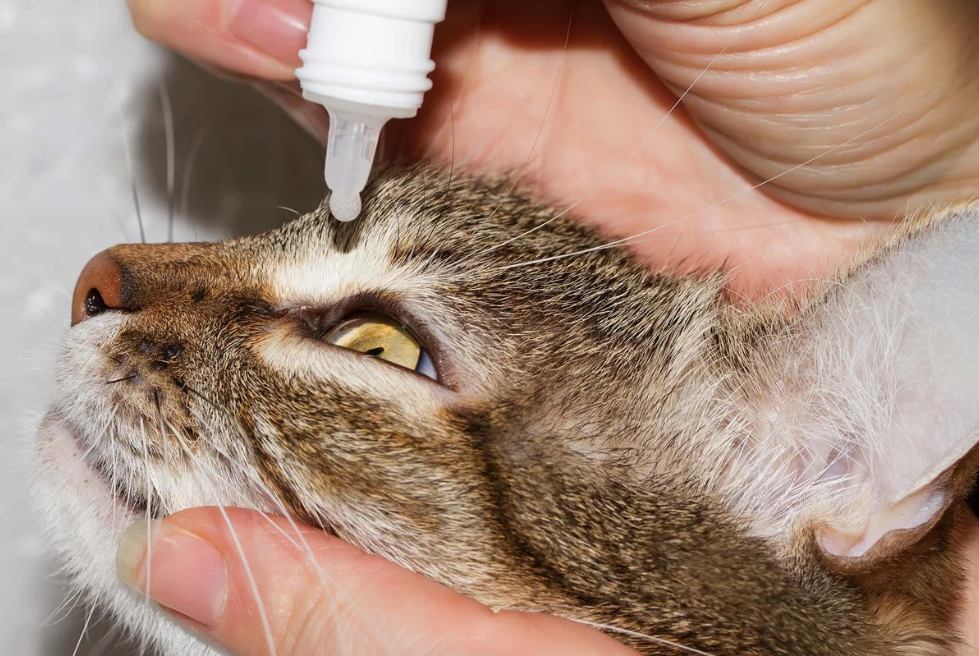
The same procedure can be used to apply ointment to the eyelid. In this case, the animal is kept from opening the eye to allow the medication to be absorbed.
The medications may sting and irritate the mucous membrane, causing it to turn pink. If your cat's eye waters and squints after treatment, this does not affect the effectiveness of the treatment and will not harm the pet.
Caution! If, several hours after treatment, your cat scratches, squints, keeps its eyes closed, salivates, coughs, or wheezes, this may indicate an allergic reaction to the medication.
How to clean and rinse a cat's eyes
If a cat's eye is frequently watering, the owner should know what to do first. Veterinarians recommend clearing the mucous membranes of pus and other discharge with special solutions. This method is suitable for treating watery eyes in breeds prone to allergies (Bengals, fold-eared cats, Sphynxes, etc.), as well as in kittens at birth.
For this purpose, black tea, chamomile infusion, St. John's wort, calendula, sage, or furacilin solution are used. These products not only disinfect the surface but also have a soothing effect and reduce swelling.
For processing you will need:
- selected antiseptic;
- a piece of bandage or cotton pads;
- pipette (can be replaced with a small syringe for vaccinations without a needle);
- handkerchief (napkin).
Caution! Wash your hands with soap before the procedure. Sterilize the pipette after use.
Wiping process:
- take the animal on your lap, create calm conditions;
- Soak one swab generously in the medicinal solution or apply it to the problem area using a pipette;
- Wait until the brown crust softens. If there is a small buildup, just let the solution sit for a few seconds;
- Wipe the eyelid with clean pads soaked in antiseptic, removing dirt;
- moisten a new swab and treat the area around the eye, as well as the mucus on the surface of the nose, if any;
- wipe with a dry cloth.
The second cloudy eye should be treated after the cat has calmed down. You can let it run around and rest. Cleaning is done using the same principle. Use only clean pads to prevent infection.
When a cat has a watery eye, it's important to know what to do after cleaning the eyelid. If the veterinarian hasn't prescribed medication, but the mucous membrane continues to be inflamed and the eyelid continues to swell, further treatment will be necessary.
What to use for eye drops and rinses if your cat has a watery eye:
- 2% solution of boric acid;
- 0.02% solution of furacilin;
- 0.01% chlorhexidine;
- 9% saline solution.
Advice: Before rinsing, monitor the concentration of the medication. Using an excessive dose can cause mucosal burns.
Ready-made solutions can be purchased at a veterinary pharmacy:
- "Bars" with novocaine, furacilin;
- "Diamond eyes" with chlorocide C, taurine, chlorhexidine.
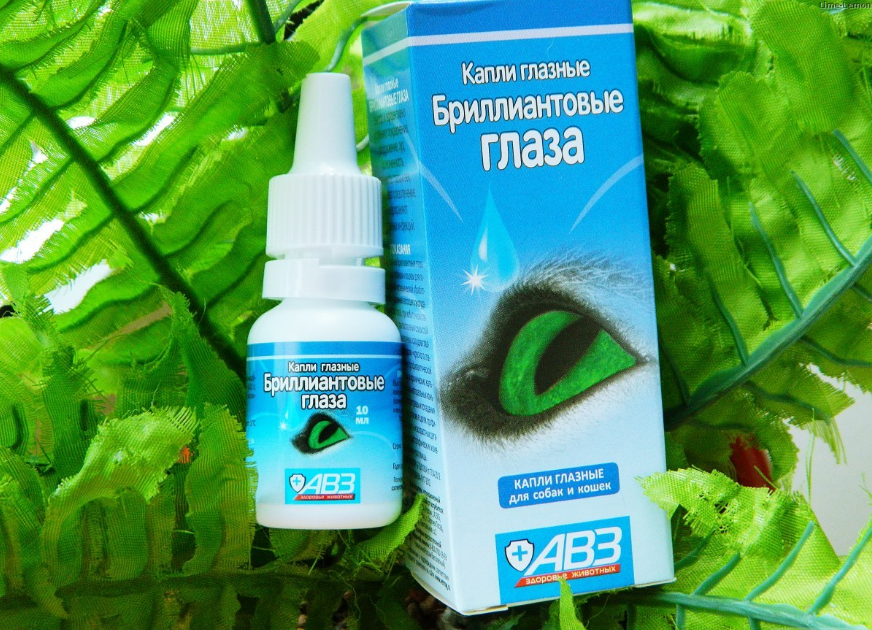
Using a dropper, apply the required amount of solution to both eyes, constantly wiping away any leakage. Your cat may blink and close its eyelids. Redness of the mucous membrane is normal.
Complications, consequences and prognosis
Tearing can be caused by more than just a pet's exposure to wind or allergies. It can also be caused by an injury, such as a cat's eye being bloodshot and watering. Blurred vision, mucus discharge, vomiting, and diarrhea can indicate an intestinal infection. Home remedies are insufficient in this situation. The pet's health and the chances of preserving its vision depend on how quickly it can be treated.
Without treatment, the infection will spread to other areas of the face. This results in swelling, discoloration of the iris, a white film covering the black pupil, and opacity of the eye. This leads to vision loss. The nose often becomes blocked, the animal appears skinny and lethargic, sneezing, and eating and drinking poorly.
Therefore, if discharge appears, you shouldn't try to treat your cat, especially an older one, on your own. It's important to seek professional help immediately.
Prevention
There are a number of preventative measures that can help reduce the risk of tearfulness in cats. Here are some recommendations:
- timely vaccination;
- systematic deworming;
- maintaining an optimal level of humidity in the room;
- compliance with the rules of hygienic care (treatment of the organs of vision, combing the hair, bathing);
- establishing a proper diet with sufficient amounts of vitamins and microelements;
- Regular trimming of claws (to prevent accidental eye injury).
Never treat a cat without first consulting a specialist. This could lead to negative consequences for your pet's health.
Read also:


3 comments
manatee
I give my cat Vizomitin drops. And I give myself some for fatigue too.
Purr
When we started renovating, our cat's eyes started leaking and a little red. We figured it was from the renovation dust, so we used Diamond Eyes drops. He felt much better, the redness went away, and he cried less.
ivan_t
We used "Diamond Eyes" drops. They don't contain antibiotics. You have to be careful with antibiotics, and only use them if the doctor has clearly determined the cause of the inflammation/redness.
Add a comment