
The best cat food according to veterinarians
Today, pet stores offer a wide selection of prepared foods in various forms from numerous manufacturers, making it difficult to choose the best option. But if you know what to look for, you'll easily find the right option for your pet and one that won't harm their health.
Content
How to choose
Choosing the right food is a common problem for cat owners, as it's important to choose a nutritionally complete diet that satisfies both the pet and its owner. Before purchasing a new food, it's important to determine the appropriate formulation and read the label.
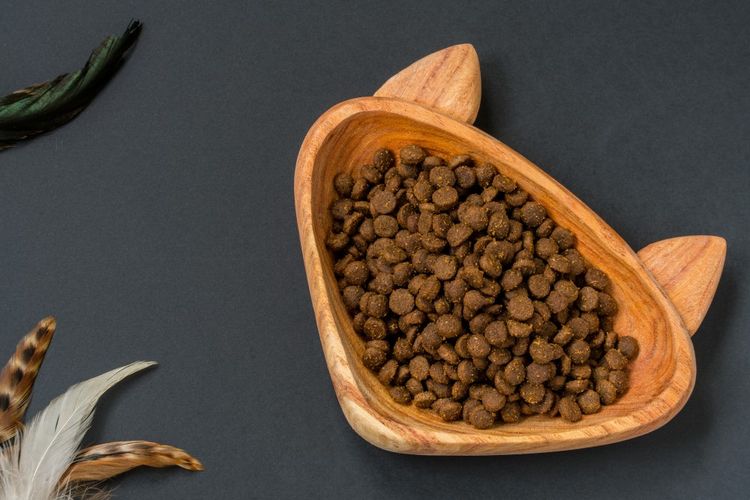
Types of feed
Depending on the form of release and the presence of water, cat food is divided into:
- Canned goods – are distinguished by a high level of humidity, which is especially important for animals that drink little, and have a long shelf life if unopened.
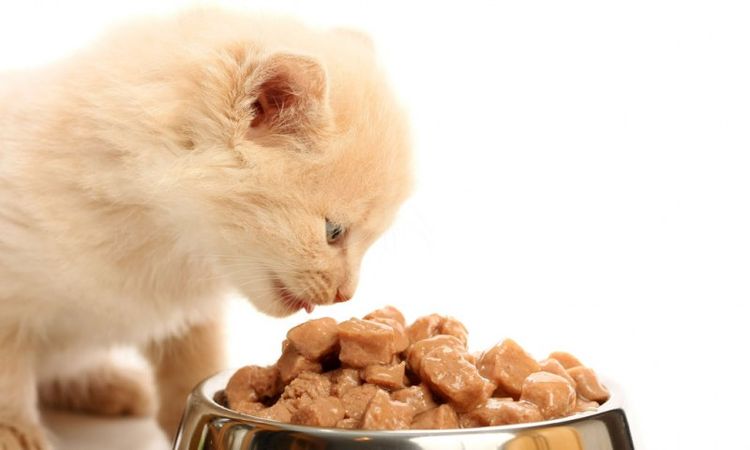
- Wet fish are a middle ground between canned and dried fish. Typically sold in individual packets, they contain delicious chunks in sauce, with a moisture content approximately half that of canned fish.
- Dry kibble is convenient for owners who spend little time at home, as food left in a bowl won't spoil even if the cat eats it several times throughout the day. The downsides of this option include the need for constant access to water, which not all cats are eager to drink, and the potential difficulty chewing the kibble for kittens and older cats.
Studying the label
Each product's packaging lists the main ingredients and various additives. But before buying your pet new food, it's important to know what basic components a cat needs.
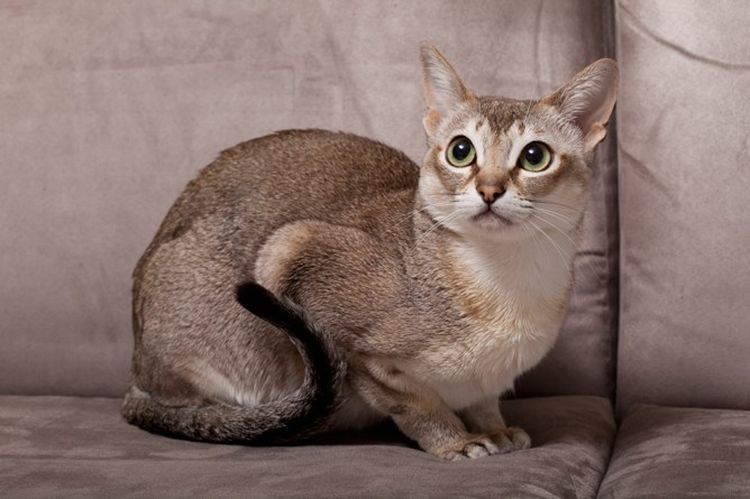
According to veterinarians, a cat's diet must include:
- meat (duck, chicken, rabbit, beef) or fish protein – building material for normal growth and functioning of the body;
- Taurine is an essential amino acid that is key to maintaining the health of the visual organs, heart, and reproductive system;
- Fatty acids are substances that are necessary for the energy supply of the body, as well as for improving vision, hearing, smell and stimulating brain function;
- Vitamins, macro- and microelements are important substances that help strengthen the immune system, develop bone and muscle tissue, eliminate toxins, and support other processes necessary for a cat's health.
Cats have difficulty digesting carbohydrates, so excess carbohydrates can cause hormonal imbalances, diabetes, obesity, reproductive problems, and other health issues. Cats should be fed only low-glycemic carbohydrates, such as raw fruits and vegetables.
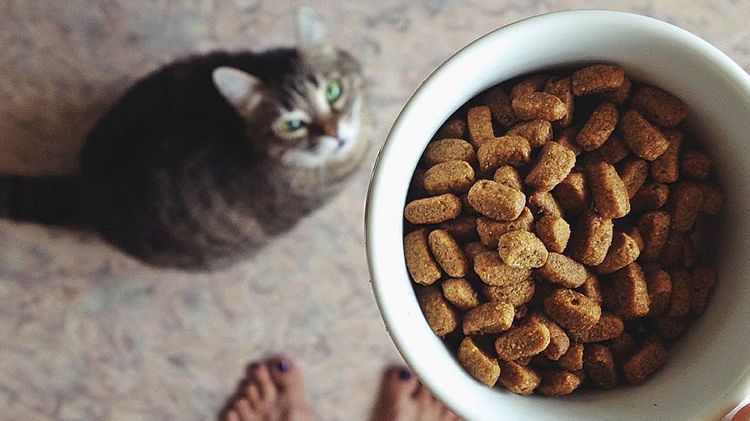
The protein source and its percentage should be listed first on the label. If by-products are included, they should also be listed, but phrases like "animal products" should raise suspicion. For grains, the composition should contain no more than 50% grains and vegetables, and ideally no more than 25-30%.
Selection rules
Products with the following information on the label should encourage purchase:
- the inscriptions “nutritious, balanced”, the abbreviation of AAFCO (American Association for Food Control);
- indicating in the first place a specific source of protein (type of meat, fish or liver), and not just the generalization “protein” and its percentage share of at least 25%;
- It is good if the composition includes at least two sources of protein to enrich the amino acid profile;
- vitamins A, C and E or rosemary as preservatives;
- a small recommended amount of food per day: the lower this figure, the better, since high-quality products indicate their high digestibility and, accordingly, require a smaller portion size;
- presence of taurine, omega-3, omega-6 fatty acids, arachidonic acid.
- fresh production date.
It should be noted that kittens, pregnant and lactating cats, and animals with illnesses require a specialized diet, but therapeutic foods should only be purchased after consultation with a veterinarian.
It is better not to buy food that has the following listed on the label:
- labels that say “bone meal, by-products,” since these ingredients are not the best food for a cat;
- a large feeding rate, meaning the cat must eat a large amount of food during the day, which indicates poor digestibility;
- the inscriptions BHT, BHA, propyl gallate, ethoxyquin - these substances are dangerous chemical preservatives;
- flavorings, colorings, increased content of wheat, corn (more than 50%).
Feed classes
Cat food is divided not only into different types, but also into classes – a classification system based on the composition, benefits, and price category of the food.
Economy class
Products in this category are suitable solely for satisfying a pet's hunger, as they simply fill the stomach but contain virtually nothing beneficial for a cat's health, much less meat. These foods are based on by-products, soy, grains, food additives, preservatives, and flavor enhancers. They are comparable to fast food for humans, so they are absolutely unacceptable as a staple diet for cats. Their only advantage is their low price.
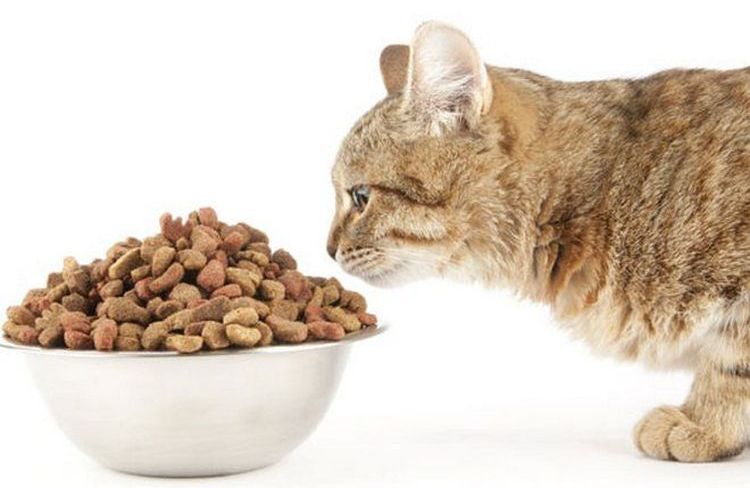
This category also includes the so-called commercial class, which is not much different in composition from the economy class, but has a higher price due to the brand's promotion.
Manufacturers: Whiskas, Felix, Darling, Doctor Zoo, Meow, Friskies, Kitekat, etc.
Premium class
Unlike the previous category, these products contain natural meat and vitamin and mineral complexes, but also include by-products, cartilage, and plant-based protein. The quality in this case is significantly higher than that of economy-class products, so consuming such food is less harmful to your pet. Most cat owners prefer premium food because it is relatively affordable and more nutritious, allowing them to feed a smaller daily portion.
This category features a variety of manufacturers: some are as good as more expensive products, while others skimp on ingredients and add large amounts of wheat, rice, and corn grits, which are difficult for cats to digest.
Manufacturers: Royal Canin (Russia), Brit, Natural Choice, Hill's, Advance, Eukanuba, Bozita, Belcando, Matisse, Happy Cat, Flatazor, etc.
It's worth noting that Hill's and Royal Canin are often considered super-premium because they offer better nutritional balance and include therapeutic nutrition in their product range. However, recently, veterinarians and felinologists have not always recommended these products. One reason for this is the opening of production lines in Russia, which has had a negative impact on quality.
Super premium class
Super-premium nutrition is characterized by a perfectly balanced composition that includes all the nutrients, micro- and macronutrients a cat needs, while completely eliminating plant proteins, grains, hazardous dyes, and carcinogenic preservatives. This food helps strengthen the immune system, improves the condition of the coat, and prevents the development of urolithiasis. The price is significantly higher than lower-grade products, but the information on the label accurately matches the contents of the package, as confirmed by quality certificates.
Manufacturers: 1st Choice, Arden Grange, Nutra Gold, Cimiao, Bosch Sanabelle, Profine Adult Cat, etc.
Holistic (Human's Grade)
These innovative products are based on ingredients suitable for human consumption. They use only natural animal and plant ingredients, grown without the addition of hormones or pesticides, as well as natural preservatives. Because they are completely free of any flavorings or flavor enhancers, cats will need to be acclimated to this food initially, especially if they are accustomed to strong-smelling foods. This food is typically used for purebred show pets, as well as for breeding animals in catteries, so it is not available over the counter.
Manufacturers: Earthborn Holistic, Acana, Golden Eagle, Innova, Origen, Chicken Soup, Almo Nature, Natural&Delicious, Evo, etc.
Note: the digestibility of high-quality feed is 80-90%, so their high cost is offset by a small daily portion.
What food do veterinarians recommend?
Veterinarians advise against skimping on your pet's health and recommend feeding them premium-quality food. If you can afford it, it's best to opt for super-premium products, which are rich in meat and contain a full range of nutrients necessary for a cat's healthy development. Therefore, it's not the food's rating that matters, but its class.
Which food is better: wet or dry?
Veterinarians, breeders, and cat owners disagree on which option is better: wet or dry food. According to scientific research, they generally have the same composition and nutritional value, despite differing advantages and disadvantages. Some veterinarians recommend balancing the diet, including dry food as a main ingredient and wet food as a supplement. Others, on the contrary, advise against mixed feeding, as different food forms can negatively impact the animal's gastrointestinal tract.
In practice, owners most often view wet food and canned food as a supplement to their main dry diet and a tasty treat. However, in this case, it's important to choose products from the same manufacturer. The key when choosing is to consider your pet's needs, age, gender, health, and other characteristics.
The best feeds
According to veterinarians, the best food is one that contains a high proportion of protein, a small amount of fat, and a minimum of carbohydrates. It should also contain vitamins, minerals, fiber, as well as important organic compounds and trace elements found in fruits and vegetables.
Veterinarians advise:
- Orijen Cat & Kitten. One of the most popular holistic cat foods from a Canadian manufacturer. It contains 41% animal protein, essential fruits, vegetables, vitamins, and minerals. It is completely grain-free, contains no artificial colors or harmful additives. The only drawback of Orijen Cat & Kitten is its high price.
- Now Natural. The main ingredient in this American brand's food is natural boneless meat, balanced with prebiotics, fruits, and vegetables. It is completely free of by-products and grains, which can trigger allergies. This product is not always available in pet stores, but it can be easily ordered online.
- 1st Choice. Super-premium products made in Canada with a high-quality, balanced composition, one-third of which is animal protein. It contains lean poultry, fish oil, chicken eggs, and natural flavors. A separate hypoallergenic line is available for treating allergies in cats.
- Wellness. This holistic pet food from the American manufacturer WellPet boasts a high protein content (50%) that doesn't cause digestive upset. It contains 5 types of meat, a vitamin and mineral complex, antioxidants, potatoes, tomatoes, and cranberries, and is completely free of questionable ingredients (grains, flavorings, and flavor enhancers). This product meets all standards and provides your cat with a full range of essential nutrients.

- Acana. This Canadian manufacturer has earned a good reputation among veterinarians. Its range includes dry foods that protect pets from disease and provide a healthy, shiny coat. They contain high-quality meat and fish (up to 80%) without added grains, as well as beneficial probiotics and lactobacilli for cats. However, due to its relatively high price, it is only available in select veterinary pharmacies and online stores. Other downsides include a limited product selection and the lack of a therapeutic line.
- Bosch Sanabelle. This German manufacturer offers balanced nutrition with a high amount of animal protein, as well as fish oil, a mineral complex, and digestive enzymes. It contains no artificial additives, but some ingredients (such as cellulose) may cause allergies in pets, although experts say this risk is minimal.
It's important to understand that even a super-premium or holistic product isn't always the best choice, as some of its ingredients may cause intolerance in cats. Furthermore, these products contain high amounts of protein, an excess of which can be harmful to the health of spayed and neutered animals. To avoid harm, choose nutrition based on consultation with a veterinarian, your pet's health, and its individual needs.
Read also:


14 comments
Valentina
Good afternoon
Please tell me what you think of Advance food. There's little information about it. Is it worth buying for a cat? It's not considered an economy food, but the price is quite affordable. I'd love to hear your opinion.
Thank you!
Bulgakova Elena
My first cat was fed dry food (I don't know) like Kitekat, Darling, and Friskies. She lived to be 21 years old, though. Now I have two (!?) cats, but after reading up on them, I realized I simply couldn't feed them: it was too expensive. Perhaps you could suggest a budget-friendly option? And if I were to prepare their own food, what kind would it be?
Daria is a veterinarian
Hello! Why is it so expensive? Cats eat less of good food than cheap food because good food is more filling. I even compared this: while my cat was living with her parents, her mother fed her Darling. I adopted her and switched her to Hill's. In fact, she ate almost 1 kg of Darling in a week, gained terribly much weight, and was always hungry. Now she loses 1 kg of Hill's in 3 weeks (which would be the same as 3 kg of cheap food). Hill's costs $8-9 per kg. You can try Purina Proplan – about $5-7 per kg. It lasts just as long as Hill's. Of course, there are more expensive foods.
Nina
Hello, I need a professional (veterinarian) to answer my question. What food would you recommend, super premium or holistic, for a Thai cat living in an apartment? We're only planning on getting a four-legged family member.
Daria is a veterinarian
Hello! When choosing cat food, first of all, pay attention to the country of origin: USA, Germany, UK, Canada, Denmark. These are the countries where the best "Holistic" cat foods are made. It's not guaranteed that you'll be able to find the recommended foods in your local stores. Sometimes these foods are only available by special order because they're too expensive and not in demand. Here are the most natural foods (some even contain ingredients suitable for human consumption): Innova Cat and Kitten; Royal Canin Indoor 27; Chicken Soup for the Soul; Cimiao Delicious (but contains cornmeal).
Ulyana
We have a 9-month-old Scottish kitten who uses Royal, but for some reason they said it's better to switch to 1st Choice. Should we? They say it has more vitamins, and Royal is just a fancy brand and it's supposedly gotten worse.
Daria is a veterinarian
Hello! Royal has indeed gotten worse. But check the country of origin. If it's "Russian-made," then it's the same company that makes Whiskas, Kitekat, and other budget foods. I don't trust Russian RK; I just can't believe that the same company that makes Whiskas can make quality products in the same factory. Make the transition gradually, removing 1/4 of the old food every day and replacing it with the new one. So, in 4-5 days, you can switch completely to the new food.
Bulgakova Elena
Hello! Regarding Royal... We produce it in a lousy way, and its creators have no control over the production process or quality?
Daria is a veterinarian
Russian Royal isn't very high quality. It's made by the same manufacturer as Kitekat and Whiskas. So I doubt its quality. If you're going to get Royal, then get the original European one. Regarding feeding natural food: you'll be exhausted trying to cook according to all the rules. The food should always be fresh, without salt or spices, and consist of meat/fish, grains, vegetables, and added taurine (cats need it because, unlike dogs, they can't produce it themselves, and without it, heart and kidney problems are guaranteed). Boiled egg whites sometimes, and fermented milk products. Be sure to add vitamin and mineral supplements. Buckwheat and chicken alone won't do. So, a proper, complete natural diet will be even more expensive than the food itself, and you'll have to constantly cook. Food from your table/plate won't do.
Tatiana
What do you think is wrong with organ meats? Let's say the heart is just as nutritious as other types of heart—it has the same muscle mass.
Kate""""""
Please answer my question!
Dasha is a veterinarian
The question has been answered. It would be better if you described what exactly you feed your animals. Something tells me that "natural" feeding means food from your plate or pan, sausages, or hot dogs, but certainly not freshly prepared food according to all the rules (without salt, spices, or oil). You must understand that improper feeding will soon cause digestive problems (starting with gastritis, and then getting worse).
Kate""""""
Is Whiskas bad??? I only wanted to get it for a birthday since my cats eat homemade food like fast food once a day, there won't be any harm, right?
Dasha is a veterinarian
Hello! Whiskas, Friskas, Darling, Felix, Kitekat, and other budget alternatives are NOT complete nutrition. Don't feed them to your pets if you're concerned about their health. If you really want to pamper them, and your pets are always on a natural diet, I recommend wet food (pouches, canned food) from reputable manufacturers. A more budget-friendly, yet safe option is meat or fish-based baby food. They contain no salt, spices, or harmful additives. And if you think feeding junk food a single time won't harm their health, you're mistaken. If a person eats healthy food all the time and then eats the same fast food just once, they'll feel ill because their body has become accustomed to good nutrition. Don't be surprised if, after introducing chemical Whiskas, your cats stop eating natural food and start demanding dry food.
Add a comment