
Canned cat food
Canned cat food is very popular with our pets. We'll tell you about the types, features, and ratings of the best. But there's so much to choose from, it's overwhelming. So, what should you choose to not only satisfy your pet but also make their diet as enriched and nutritious as possible? It's not enough to simply pour the contents of a bag or can into a bowl. You need to be sure the food will replenish your pet's energy reserves and provide all the necessary nutrients. Naturally, canned food is made by the same manufacturers as dry food. Therefore, they can also be divided into classes: economy, premium, and super premium.
It's important to choose the right canned food for your cat. Avoid buying from markets that don't meet all the necessary storage conditions. Storage temperatures shouldn't be higher or lower than recommended. It's best to buy canned cat food from a pet store. Be sure to read the ingredients and pay attention to expiration dates.
It's best to choose canned foods and pates made from lean meats. It's also good if they contain grains and vegetables, which are essential for a complete diet. Canned foods are quite expensive, so they're rarely fed exclusively. They can be used as a pampering treat for your four-legged friend, or mixed with cooked cereals to encourage your cat to enjoy them.
Content
What types of canned cat food are there?
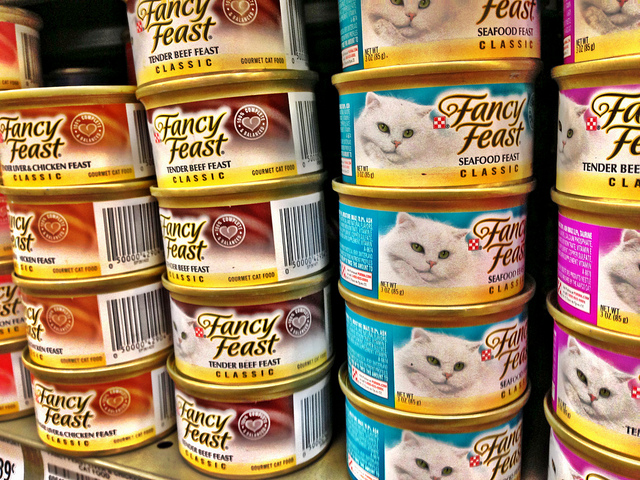
In terms of food texture, there are several options for canned cat food:
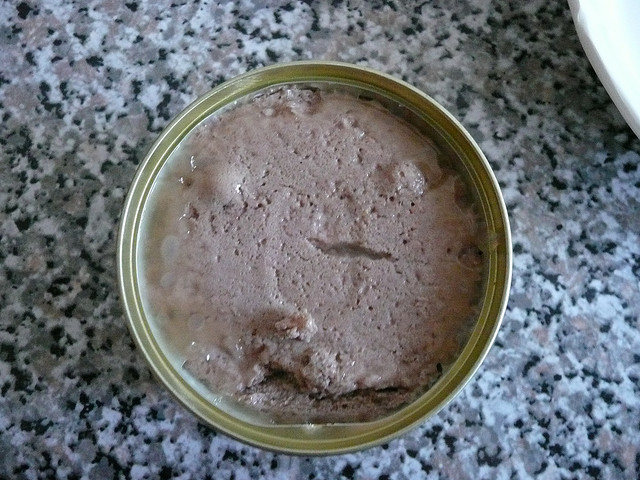
- Mousse – all ingredients are not simply ground but blended to a smooth consistency. This makes it ideal for kittens learning to eat independently. The consistency is airy and light, making it easy to eat. Little ones simply lick it; there's not much to chew. It's also suitable for older cats who are losing teeth or have digestive issues.
- Pate - looks exactly the same as pate for humans.
- Minced meat - in this case, pieces of meat and cereals with vegetables are not simply chopped, but also have some kind of sauce or jelly added to them; broth is often used as well.
- Chunky canned food – here the meat is chopped into large pieces, cereals and vegetables are also present, jelly, broth or sauce are added.
- Whiskas recently released a "Soup" textured version. As we know, many cats love jelly and gravy.
What do they pack canned food in?
In terms of packaging for canned cat food, there are the following options:
- Cans. Tin cans have been used for a long time. They often contain minced meat with added sauce, broth, or jelly, as well as pâtés and mousses. When choosing canned food for your cat, be sure to pay attention to the can itself. It shouldn't be dirty, rusty, or dented. All of these will cause the contents to spoil and oxidize, which can poison your pet.
- Pouches are a type of metal-coated bag that prevents the contents from spoiling before their expiration date. Pouches often contain canned food pieces.
- A lamister is a type of plastic jar with a metalized film lid, like the kind found in yogurt. These containers almost always contain pâté or mousse.
- Tetra Pack – who doesn't know about these packages? Milk, juice, and even canned cat food are packaged in them, too. This allows the product to last longer. Minced meat is usually packaged in Tetra Packs.
- A pot (pot) is similar to a lamister, but with a metal lid. The pots contain minced meat and sauce.
Canned Cat Food Ratings 2016
Now let's take a look at the manufacturers. Below, we've compiled a ranking of the best canned cat food, reviews of which were taken into account when creating the ranking. These canned foods are produced by the same manufacturers that make dry food. Some owners buy a single line for their pets and alternate between them. However, it's best not to alternate between dry and wet (or natural) food. Unfortunately, this can lead to the development of urolithiasis. It's best to decide right away how you'll feed your pet.
No. 1
It's important to choose canned foods that are suitable for daily consumption. To do this, pay attention to the ingredients. Look for the percentage of meat. It should be 74% or higher. There are either no grains or very small amounts of grains and by-products. Such canned foods include Leonardo, Almo Nature Legend/Nature Green Label, and Evanger's Signature Series. Applaws (in jars or pouches), Petreet nature, Petite cuisine, Alimonda carny.
No. 2
The Silver Prize goes to those canned foods for daily feeding that contain 45-72 percent meat and minimal grains and by-products, or, better yet, no grains at all. These include Almo Nature Classic Adult/Nature Rouge Label/Nature Orange Label, Brit, Gina, Berkely, Evanger's Grain-Free, Cat Natura, Nuevo, Naturia, Applaws (pot or jar (meat and vegetables, chunks), pouches (meat and vegetables)), Ecofriend, and Mnyams.
No. 3
The bronze prize can safely be awarded to canned goods, Sheba, Husse, Dado, Farmina, Bozita, Stuzzy, Guabi, Gemon, Applaws (pâté), Hills Ideal Balance, and Trainer. Their meat content ranges from 25 to 95%. The ingredients include grains and by-products, and unfortunately, they may sometimes contain attractants or meat of unknown quality. It is not recommended to feed these canned foods every day.
If your cat does not participate in exhibitions, and the shine and silkiness of your pet's coat do not really concern you, then you can give: Four-legged gourmet, Animonda classic / vom feisten / rafine soup, Almo nature azul label / nature daily menu, Mi-mi, Nutram, Organix, Shiny cat (gimpet), Shesir, Evanger's dinner, Porta 21, Molina, Wapny. They contain between 25 and 44 percent meat. Or you can offer your pet Iams, Vitoo, Pro plan, Christopheurus, Animonda rafine petite/rafine ragout, Zoogourman, Royal Canin, Nasha Marka, Nero Gold, Bio Menu, Hills Science Plan, 5 stars. These have even less meat, around 6-24%. However, they contain a lot of by-products, grains, fats, and may even contain pork or even "low-quality" meat.
What canned food should you not feed your cat?
Above, you've already seen what you can feed your pet. Now let's look at which canned cat food, whose ratings and reviews leave much to be desired, should not be given to your pets, even occasionally.
This product contains little meat (sometimes less than 9-4%!), but is full of grains, offal, and fat. So what kind of food is this that's best avoided?
Night Hunter, Edel cat, Gourmet gold/perle, Cat clan, Vit animals, Weekly-quickly, Lara, Chicopee, Mon ami, Lechat, Tomi, Sweet cat, I eat it without problems. The meat percentage in these canned foods sometimes rises to 13%, but they cannot be fed daily. Only if the usual meat is unavailable can you substitute it once in a while, but only in a desperate situation. Because these canned foods often cause allergies, dysbiosis, or even urolithiasis in animals!
Dr. Clauder, Happy cat, Kitecat, Felix; Darling ,WhiskasAll cats, Kis-kis, Oscar, PROKhvost cat food, Me-o, and Doctor ZOO. These contain very little meat, but are loaded with preservatives, colorings, and flavorings. Many illnesses develop after feeding these types of canned food. So, don't risk your pet's health by feeding them substandard canned food.
Read also:


Add a comment