
Green poop in dogs: causes and what to do
Experienced breeders know that a change in the color of a pet's stool can indicate not only certain digestive issues but also serious internal diseases. In this article, we'll explore in detail the causes of green stool in dogs, explain when a visit to the veterinarian is urgent, and explain what to do to restore normal gastrointestinal function.
Content
What to look out for
When cleaning up after your pet, it's important to pay attention to your dog's waste products daily, as changes in the gastrointestinal tract are the first symptoms of many diseases.
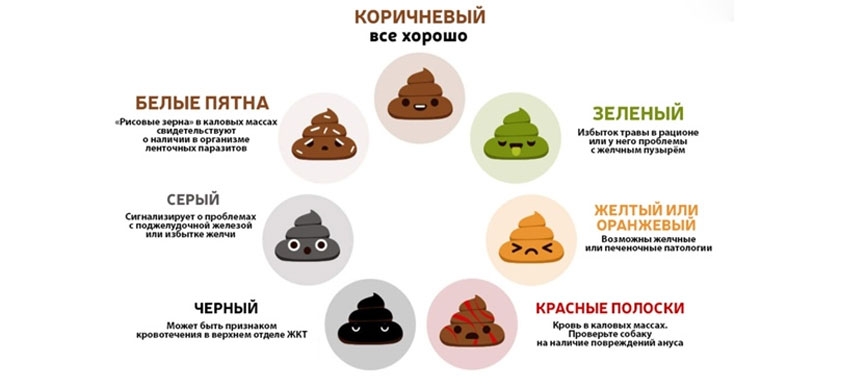
In fact, poop can tell you a lot about how your dog's gut is working:
Shade of feces
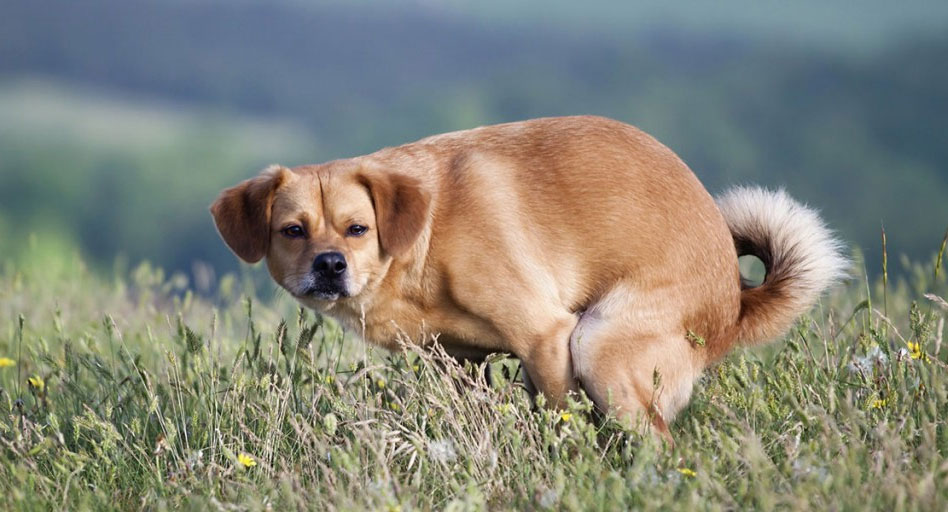
Normally, an adult dog's feces should be brown in color, but the shade may vary depending on the type of food.
Dangerous symptoms
You shouldn’t look for the cause on your own if:
- the puppy has diarrhea (liquid green feces);
- green diarrhea in a dog of any age is accompanied by vomiting;
- there are impurities of mucus or blood in the stool;
- Changes in the quality of feces complement any other symptoms (read how to tell if your dog is sick).
Causes of green stool in dogs
It's commonly believed that green stool in dogs is caused by dysbiosis—an imbalance of intestinal flora that can be caused by poor-quality food, poisoning, or infection. However, the causes are actually more varied, and greenish stool in pets isn't always a cause for concern.
Eating grass
In the summer, one of the most common reasons for dogs' poop turning green is eating grass. Many dogs enjoy grazing on lawns during walks, which often leads to owners vomiting, and the poop turns dark green.
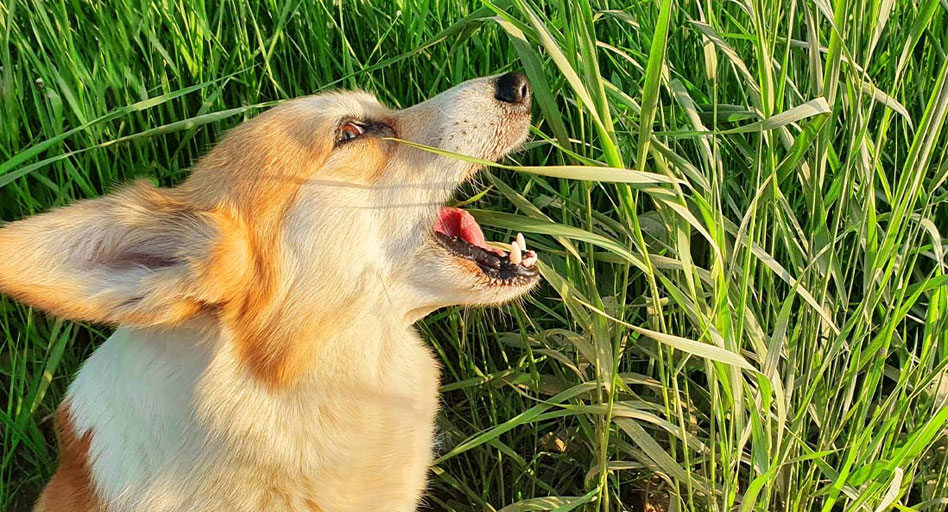
Eating grass in small amounts is normal behavior for many animals. This is how dogs cleanse their digestive tract. However, if a puppy or adult dog eats too much green material, the grass won't be digested and will impart a characteristic color to their stool. It's important to be aware that some types of grass can irritate the stomach lining, cause allergic reactions, severe constipation, or even intestinal blockage.
As a rule, the herb produces a short-term change in stool characteristics, and the next day everything returns to normal.
Specific products
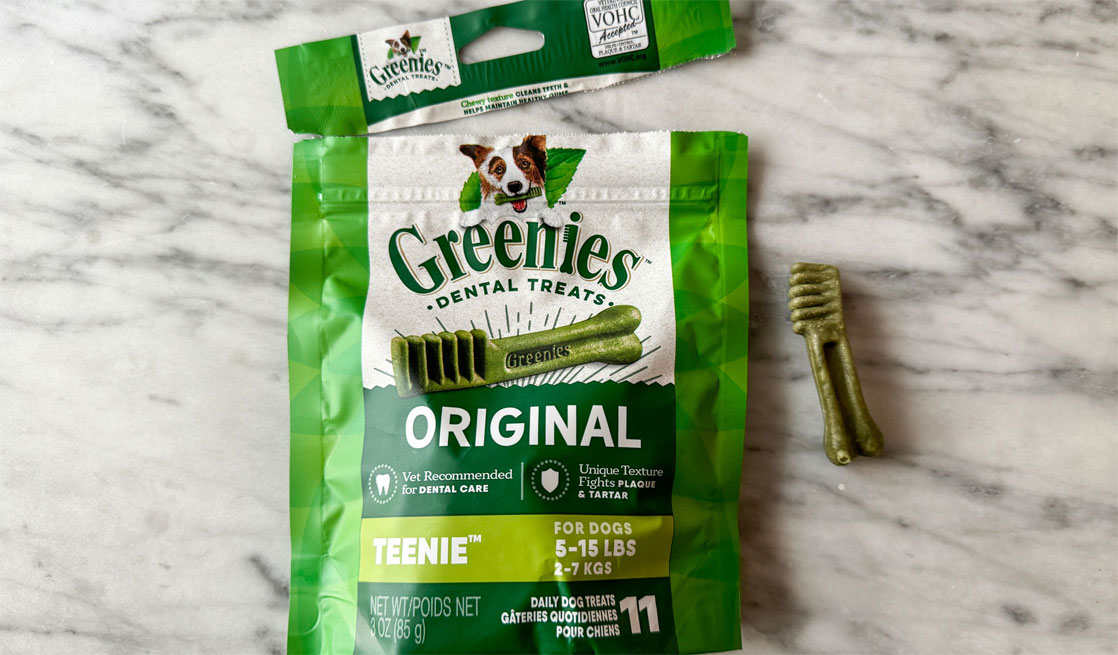
Some treats with green dyes can affect the color of a dog's stool. For example, when buying Greenies toothbrush sticks, owners may be puzzled as to why their dog's stool is green—but the cause is simply the food dye.
A similar problem can occur with licorice or other colored human foods—primarily gummy candies. However, if the dog has been around children, it's also possible that it chewed on crayons, play dough, or paint.
Important! Green pigment is often added to rat poison, so if your dog exhibits other symptoms of poisoning in addition to green feces, take your pet to a veterinarian as soon as possible.
A sudden change in feed
If your dog develops green stool after switching to a new food, the primary cause should be sought in the change in diet.
Normally, the transition to a new diet (even if you're changing the brand of dry food) should take at least a week. The exception is when switching to special therapeutic diets.
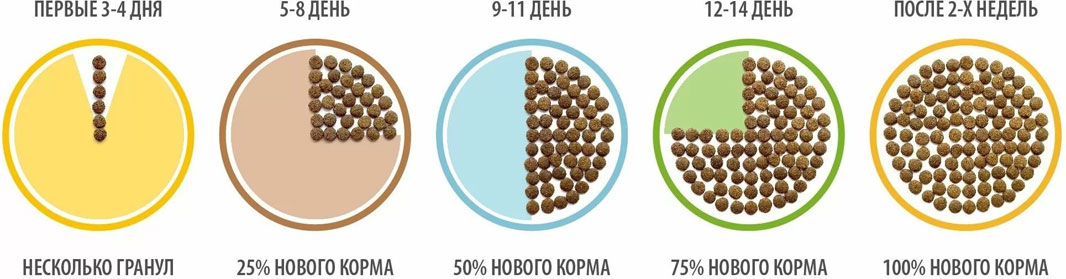
If your dog's diet changes abruptly, his gastrointestinal tract may not be able to cope with the load and may malfunction. The dog may only experience a change in the color of his stool or even develop green diarrhea.
By increasing the portion of food that is familiar to the dog's body, as well as introducing a food supplement with probiotics into the diet, the problem goes away.
Medicines
Certain medications that negatively affect the gastrointestinal tract can also cause green, loose stool in dogs. In particular, this problem often occurs with oral antibiotics of any type and nonsteroidal anti-inflammatory drugs.
If a veterinarian prescribes this treatment for your pet, supplements to normalize gastrointestinal function are essential. If, despite taking probiotics, your dog experiences severe upset during the first few days of taking antibacterial medications, it is recommended to replace the tablets with injections.
Infectious diseases
Viruses and bacteria, which cause a wide range of diseases of varying severity, can trigger acute inflammation in various parts of the intestine. In these areas, breakdown products of red blood cells can enter the food bolus, resulting in a specific coloration of the stool:
- bilirubin (a yellow pigment that is normally present) colors the stool brown;
- biliverdin (green pigment) – gives a characteristic greenish tint.
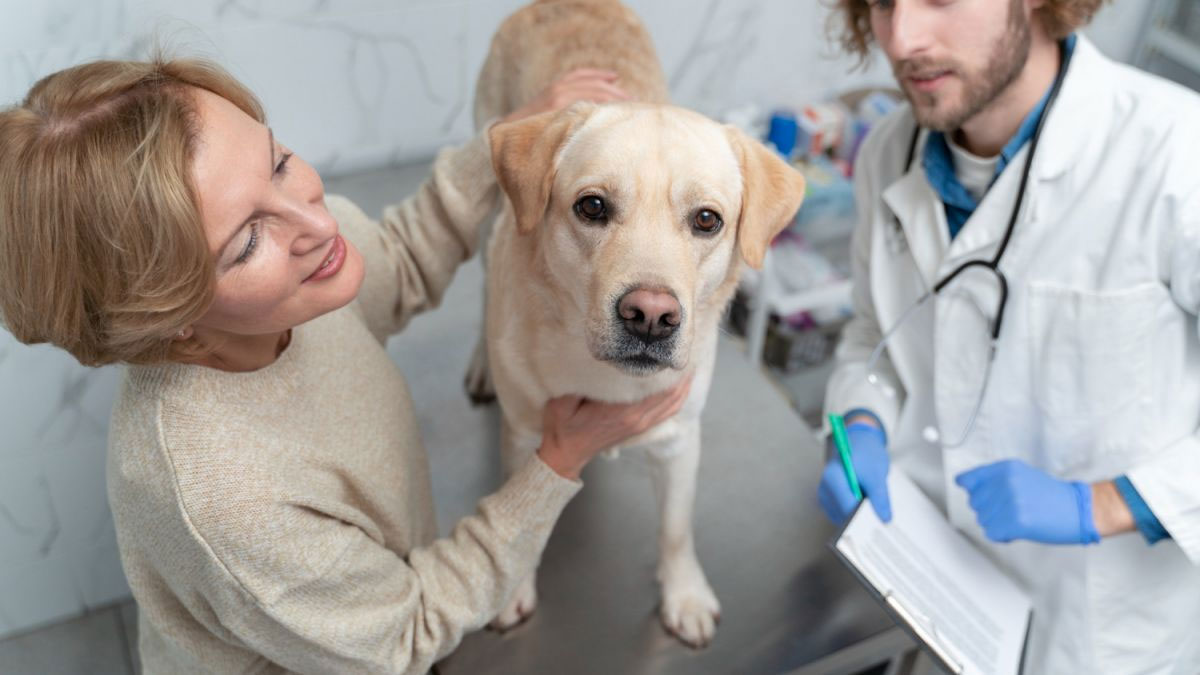
It's worth noting that green stool isn't the primary symptom when diagnosing viral diseases, but rather an additional sign of intestinal mucosal damage. This symptom in dogs can occur with many infectious diseases:
|
Pathogen |
Diseases |
|
viruses |
plague, enteritis, parvovirus, coronavirus and others. |
|
bacteria |
salmonellosis, leptospirosis, bacterial colitis And enterocolitis and others. |
|
protozoa |
giardiasis, toxoplasmosis and others. |
|
parasites |
ascoridosis, nematodosis, coccidosis, isosporosis, etc. |
In this case, symptomatic therapy is not effective, because it is necessary to fight the underlying cause – the pathogen.
It's important to understand that treatment will only be effective with the right combination of medications. Therefore, diagnosis is a necessary step, and prescribing dewormers or antibiotics to your dog based solely on green stool is strictly prohibited. It's important to remember that many infectious diseases pose a serious threat to the animal's life, and self-medication in this case is a waste of precious time.
Diseases of internal organs
Green stool can also be caused by internal organ diseases. This symptom can be observed due to problems with:
- various parts of the intestine
- liver;
- spleen;
- gallbladder (cholecystitis);
- pancreas (pancreatitis).
What to do at home
If the dog feels well and has no other symptoms of illness other than a greenish tint to the stool, you can give the pet enterosorbents (Enerosgel, Presorb) and introduce food supplements with beneficial intestinal bacteria into the diet.
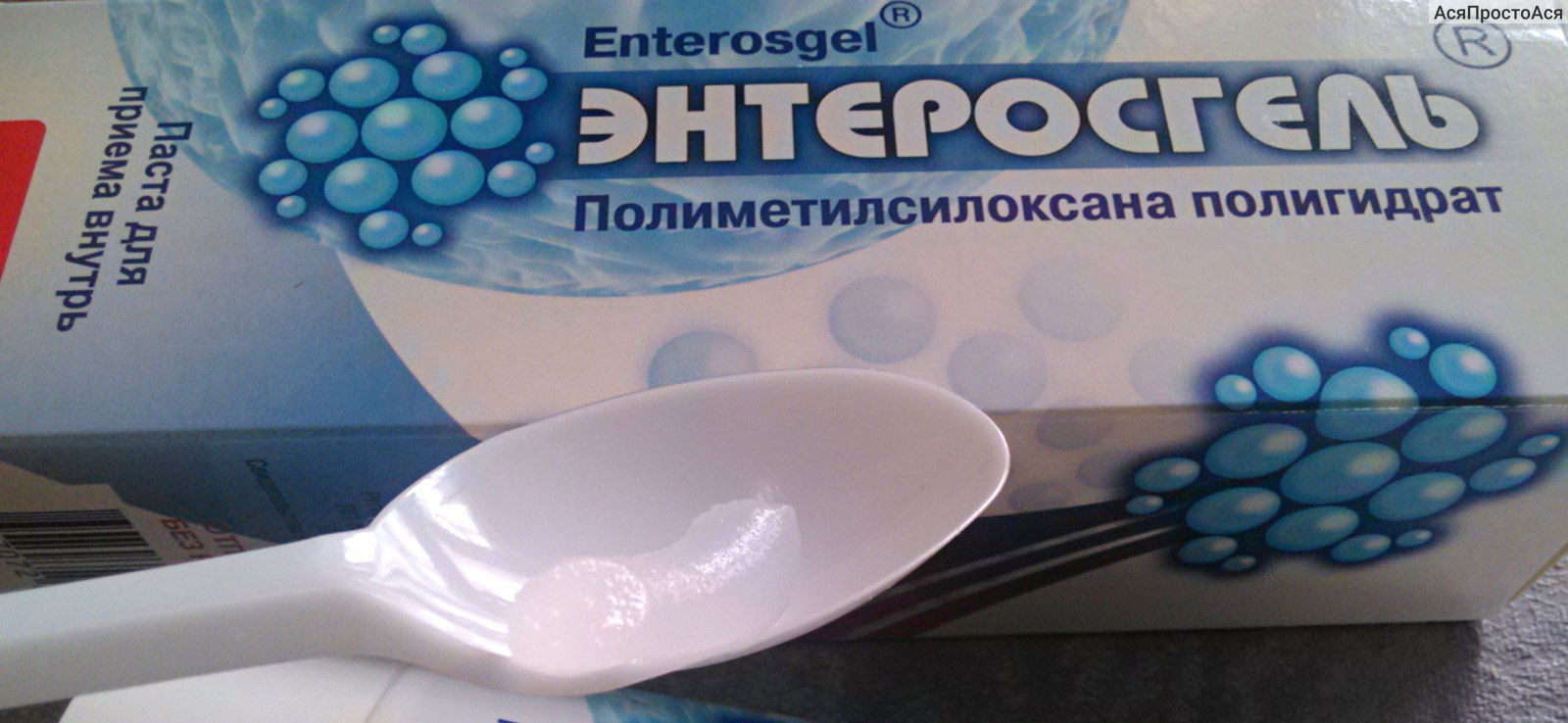
However, if the symptom does not go away within 24 hours, is accompanied by diarrhea or any other alarming symptoms, you should consult a veterinarian as soon as possible to determine the cause of the problem.
Read also:
- Black stool in dogs: causes
- White poop in dogs: why and what it means
- My dog is pooping mucus and blood: reasons and what to do


Add a comment