
My dog is pooping mucus and blood: reasons and what to do
If your dog poops mucus and blood, it could be a sign of a serious underlying medical condition. This problem shouldn't be underestimated or ignored; it's best to consult a veterinarian as soon as possible to determine the cause of the problem.
Reasons
The appearance of mucus and blood in your pet's stool can be caused by a number of reasons. Let's take a closer look.
- Helminths. Parasites attach to the intestinal walls and begin feeding on the pet, gradually destroying the gastrointestinal tract lining. Helminthiasis causes the feces to become black.
- Hemorrhagic gastroenteritisThis condition occurs due to poisoning from poor-quality food or mechanical damage to the intestines from sharp bones. It is not infectious. Dogs with a weak digestive system are more susceptible to this condition.
- Enteric plague. A dangerous, potentially fatal disease. It is characterized by rapid progression. The animal quickly loses energy and vitality. Red or dark diarrhea appears. Vomiting, loose stools, photophobia, and eye discharge are also often present.
- Gastroenteritis is an inflammation of the gastrointestinal tract. Symptoms include refusal to eat, bad breath, belching, fever, constipation, or diarrhea.
- Parvovirus enteritis. It occurs in dogs as frequently as distemper. It can be transmitted through food. The virus attacks the intestines and heart. Vomiting, diarrhea, and bleeding are typical. The stool is watery, bright red, and foul-smelling. The dog may have a poor appetite or refuse food altogether. Rapid dehydration and exhaustion occur due to electrolyte imbalances.
- Rabies (atypical form). Symptoms are very similar to severe enteritis. The intestines become severely inflamed, and some lesions begin to bleed.
- Dysbacteriosis. A microbial imbalance leads to mucus in the stool. Pets also experience gas, loss of appetite, and a dull coat.
- Leptospirosis, salmonellosis. Infections occur due to poisoning from spoiled food. If a pet picks up something from the ground and eats it during a walk, there is a high risk of infection. Leptospirosis multiplies in the kidneys and liver, then attacks the blood vessels. Impaired blood clotting causes intestinal bleeding.
- Chemical or drug use. If a dog accidentally ingests rodent bait, it can cause bloody diarrhea. This is because the poison contains coumarin derivatives.
- Ulcers and cancer. Ulcers and malignant neoplasms are common causes of bleeding. Diagnosis requires an ultrasound examination of the peritoneum, gastroscopy, or colonoscopy.
There are many other diseases and pathological conditions that can cause a dog to poop mucus and blood from the anus. Here's a list of them:
- varicose veins of the esophagus;
- ulcerative colitis;
- anal fissures;
- intestinal polyps;
- haemorrhoids;
- intestinal tuberculosis;
- Addison's disease.
Stool color
You can roughly determine the location of the lesion by paying attention to the color of the blood in your stool. If it's bright red, the bleeding is coming from the colon, rectum, or anus. In these areas, blood isn't exposed to enzymes.
If the source of bleeding is in the upper gastrointestinal tract, the stool will be black or brown. Detecting this is much more difficult because it is mixed with feces. In some cases, this can only be determined using laboratory tests.

What to do
The first thing you should do if your pet notices blood and mucus in their stool is take them to the veterinarian, regardless of whether you have a Yorkie, Pomeranian, Chihuahua, or Labrador. Only a qualified and experienced professional can determine the true cause of the bleeding. The vet will conduct a thorough examination, ordering blood tests and a stool analysis. If necessary, other tests will be performed. These include:
- Ultrasound;
- X-ray;
- gastroscopy;
- colonoscopy.
How to treat
Treatment is determined individually for each case. It depends on why the dog has mucus or blood in its stool. After diagnosis and determining the cause, the optimal treatment plan is selected.
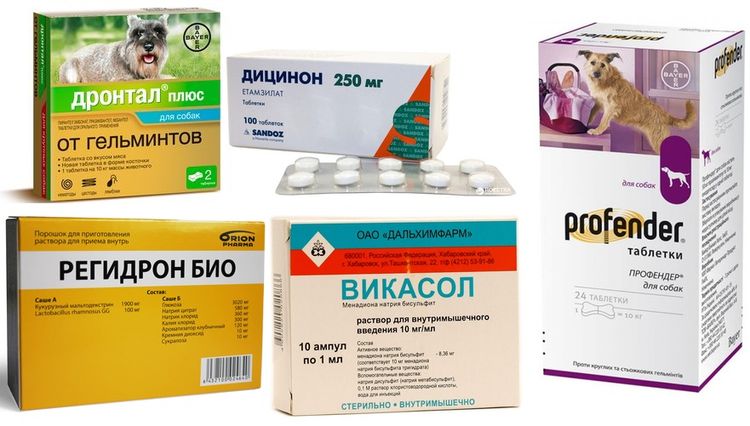
- Anthelmintic medications (Drontal, Profender, and others) can help combat worms. These medications are prescribed only by a veterinarian.
- Infections are treated exclusively with antibiotics. After a course of antibiotic therapy, it is necessary to take medications to restore the natural intestinal microflora and strengthen the immune system.
- At enterocolitis Antispasmodics, antibiotics, enzymes and sorbents are prescribed.
- Probiotics and immunostimulants are used to treat dysbacteriosis.
- If dehydration is present, the dog must have access to fresh water. For severe dehydration, Regidron and intravenous injections (glucose, Ringer's solution, and saline) are prescribed.
- In cases of severe blood loss, intravenous hemostatic agents (sodium and calcium chloride) are necessary. Oral medications such as Dicynone or Vikasol are suitable. The next step is to prescribe anti-anemia medications such as Ferrect, Hemodex, and others.
In almost all cases, a special diet is recommended. This involves eliminating hard bones, artificial and coarse foods, highly acidic foods, and foods that irritate the gastrointestinal tract.
During treatment, the pet must be provided with maximum rest and children should not be allowed near it.
Avoid self-help and folk remedies. This can lead to unpleasant consequences and even threaten the animal's life.
Prevention
An effective way to prevent blood and mucus from urinating in dogs is to provide a proper diet tailored to the dog's age and condition. The diet should include meat and vegetables. Periodic vitamin supplements can be given to prevent vitamin deficiencies and strengthen the immune system.
Maintaining good hygiene and regular veterinary checkups will help detect illness at an early stage and prevent complications.
The owner is primarily responsible for their dog's health. By paying close attention to their pet, they will prevent the development of serious illnesses.
Read also:


Add a comment