
South Russian Shepherd Dog (SRO)
The South Russian Shepherd (SRO) is an undeservedly forgotten domestic breed used for guard and herding duties. The best specimens captivate with their harmonious, beautiful, and balanced demeanor, yet they retain their degenerate working qualities and are distinguished by their unpretentiousness and ferocity. They require special coat care.
Content
History of origin
Over the centuries, the breed developed in a strictly defined region in southern Ukraine and Crimea. The ancestors of the South Russian Shepherd Dog are considered to be Tatar shepherd dogs. The breed's development and development was once the work of livestock specialist Baron Falz-Feina, whose name is inextricably linked with Askania-Nova. The breed's modern name, "South Russian Shepherd Dog," was established in the early 1930s. The first official standard was also compiled and published at that time.
The South Russian Shepherd is a guard and flock dog; it cannot herd livestock, but it can protect them.
In the 20th century, the breed twice faced extinction and was literally revived bit by bit. The true pedigree of modern dogs can be traced back to the same few ancestors. Until the 1970s, South Russian Shepherds were not kept by private individuals. They were bred in government kennels and used to guard factories, airports, and other government facilities. After the collapse of the Soviet Union, the breed passed into private hands, thanks to whom it has retained its working qualities, improved its appearance, and acquired a more sociable nature.
Video about the South Russian Shepherd dog breed:
Appearance
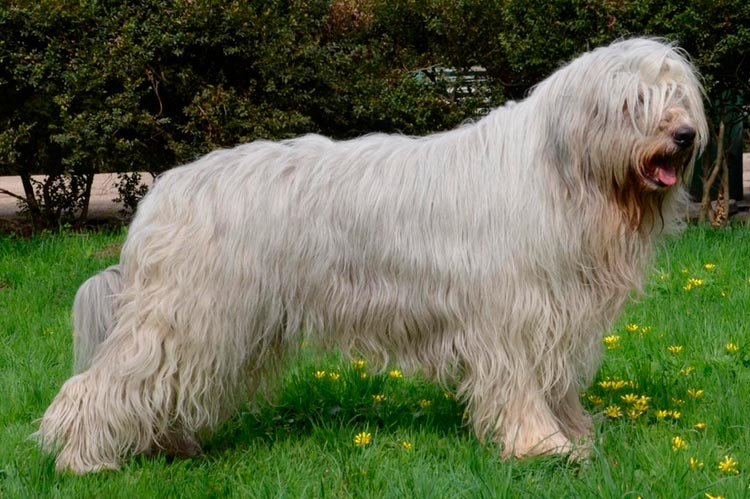
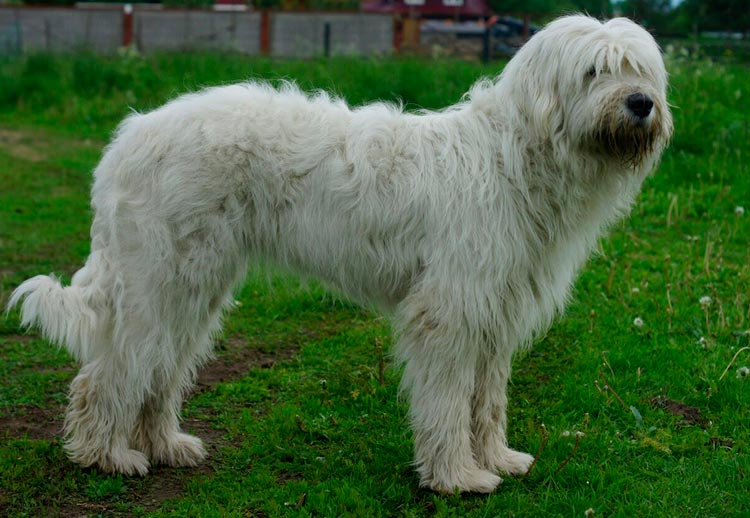
The South Russian Shepherd is taller than average or large, with a strong, dry build and an elongated format. building With dry, flat muscles and strong bone structure. Sexual type is unclear due to the coat. Males are more powerful, slightly taller, and heavier than females; their tail and neck are usually carried higher, and their neckline is more arched. Males stand at least 66 cm tall and weigh over 35 kg. Females stand at least 62 cm tall and weigh over 30 kg.
The head is wedge-shaped, elongated, tapering to a large black nose. Fawn and fawn-and-white dogs often exhibit seasonal lightening of the nose while retaining the black edging. The skull is moderately broad, flat in the frontal region, with a well-developed occipital protuberance. The muzzle is slightly shorter than half the length of the head. The lips are black, dry, and fit tightly. The jaws are strong. The chin is moderately pronounced. The teeth are complete, and the bite is correct and scissor-like. Double first premolars are allowed, and the incisors should be in a single line. The eyes are oval, set straight and wide apart. The color is brown, although a darker shade is preferred. The eyelids are tight-fitting, dry, and black. The ears are set high, medium in size, triangular in shape, and hanging.
The neck is dry, medium length, set at a 40-degree angle. The topline forms an arch at the lumbar region. In dogs over 5 years of age, the arch is less pronounced. The withers are barely noticeable. The back is long, wide, and straight. The loin is arched and springy. The croup is long and slightly sloping. The chest is moderately wide and fairly deep. The ribs are somewhat compact. The lower line of the chest is at the level of the elbows. The belly is moderately tucked up. The tail is thick, set not too high, reaching the hock joint, and can bend in a semicircle or a hook at the end; the last 2-3 vertebrae are often fused. The limbs are strong, muscular, straight, and parallel. The hind legs are slightly wider than the front legs. The paws are oval and arched. The pads and nails can be any color. The skin is firm and elastic, with any pigmentation.
Colors include white, white with yellow, white with fawn or gray spots, warm gray, and fawn. Gray and fawn dogs may have a white blaze, as well as white markings on the neck, chest, paws, and tip of the tail.
Features of the South Russian Shepherd's coat
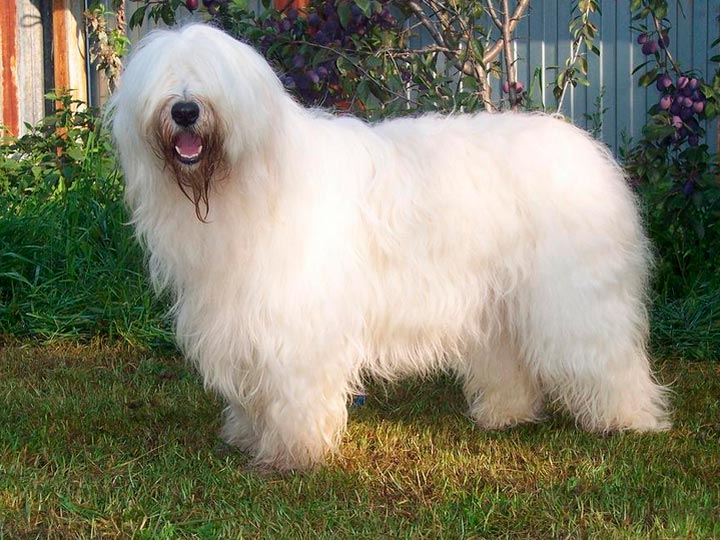
The coat is the breed's defining characteristic, and it's what makes the first impression. The coat is long, thick, very voluminous, slightly wavy or broken, and slightly finer than the guard hairs on the head. Its appearance is fully formed by 1.5 years of age, so strict conformation requirements are imposed after that age.
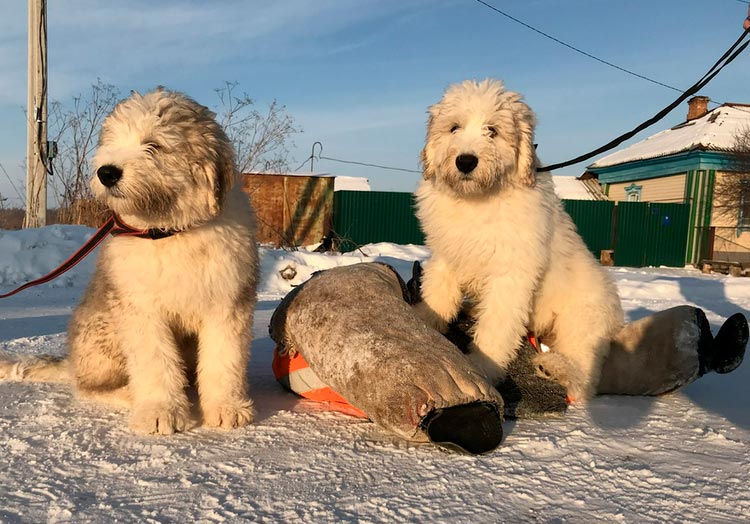
The curl of a dog's coat depends on the season, age, and diet. Winter coats are typically thicker, denser, and less wavy. In overweight dogs, the curl is tighter. Puppies up to one month old have a straight coat, with curls only on the scruff and ears. A six-month-old puppy's coat is more wavy than an adult dog's due to the smaller amount of down.
The hair on the head, body, legs, and tail is approximately the same length. On the head, it forms a beard, mustache, and forelock. A well-grown muzzle is mandatory, and males also have a mane. The guard hairs are typically flared at the top, with the ends slightly thicker. The coat is soft to the touch, though slightly coarser in summer. This does not apply to the down, which is always very soft and delicate. The hair on the legs is very thick, forming felt boots with a diameter of 15 cm or more. Around the paws, long hair covers the toes and pads.
Character
The South Russian Shepherd is spirited, intelligent, very active in play, and vicious and decisive in attack. It should not show signs of cowardice. Puppies being shown for the first time are sometimes shy, but should allow strangers to touch them. The South Russian Shepherd is valued for its integrity, vigilance, and devotion to loved ones. It reacts instantly to the slightest sign of aggression. In a fight, it is active, resourceful, and merciless. At times, it appears indifferent to events, unperturbed, calm, and even defenseless, but this is only true for the time being, as long as its established safety criteria are met. Its attitude toward children depends on socialization and upbringing. Typically, South Russian Shepherds raised in a home with a child treat the child with tenderness and care.
Yuro isn't one to lie; he's quiet and serious, preferring to stop an attacker with a menacing stance and a growl, which is also how he expresses his displeasure. If the dog sees an intruder entering his territory, he can silently attack from behind at a convenient time.
The South Russian Shepherd is very sociable but unobtrusive. This is a serious, dignified dog that does not tolerate inattention or neglect.
Education and training
The South Russian Shepherd is highly trainable and displays all its best qualities. Many representatives of the breed pass exams in OKD, KS with elements of ZKS, IPO, and agilityThere's usually no need to specifically train a dog to be angry or aggressive. Trainers often dislike Southern dogs because they don't adhere to standards. They don't hang on to your sleeve, but instead deliver a series of bites to unprotected areas. This means working with them requires a protective suit. It's expensive, but after a few such attacks, it quickly becomes unusable.
Not everyone can own a Yuro, but even fewer can properly raise a dog and become its leader. An owner with a weak character and low intelligence will, at best, be ignored by the dog.
Content Features
A healthy dog's coat has no strong odor and is very dry, as the sebaceous glands are underdeveloped. Furthermore, it sheds virtually nothing; most of the undercoat remains on the body and mats into a felty texture. However, the breed is not suitable for apartment or indoor living. The South Russian Shepherd is good for guarding a private home and free-range yard duty, not on a leash. A chained Shepherd can become unbalanced and uncontrollable; such dogs are feared by their owners and are fed with a shovel. The South Russian Shepherd requires close human contact and regular interaction. If well socialized, it is loyal to pets, including cats, but conflicts with other large dogs may arise. In males, aggression subsides by four years of age, and they become calmer and easier to handle. They thrive in rural areas.
South Russian Shepherds conserve energy and don't wander around aimlessly. They appear clumsy and ungainly, but beneath their fur lies a light, dry dog that requires regular physical and mental stimulation and enjoys short, active games and attention.
Care
The Yuro is said to be the most beautiful of the vicious dogs and the most vicious of the beautiful. However, maintaining its beauty requires some effort. Comb the coat with a fine-tooth comb once or twice a week. During shedding season, the down should be thoroughly combed out. Otherwise, the dog will need to be trimmed in the summer because it becomes completely matted. The hair in the ears and genital area is carefully trimmed for hygiene purposes. Yuro dogs are not droolers, but some dogs' fur around the mouth often takes on a yellowish tint due to food and saliva. This can be bleached with special products.
The current standard does not allow visible grooming, clipping, or, especially, shaving of the South Russian Shepherd. If the coat becomes too long, it is thinned but not trimmed. The forelock can also be thinned with scissors if its thickness impairs vision. Some owners periodically clip their South Russian Shepherds, choosing a wide variety of styles. After a close shave, the dog's coat grows back within a year, and is fully coated by two years.
The dog's ears need to be cleaned regularly, removing any hairs that grow inside, as this can interfere with natural self-cleaning. Also, keep an eye on the eyes, which are hidden under the thick fringe. It's advisable, but not necessary, to train your dog to brushing teethThe procedure is necessary not only for the prevention of dental diseases. In adulthood, various procedures may be required for health reasons, and managing an adult dog that has never allowed itself to do anything will be impossible, meaning the necessary therapeutic procedures will not be performed.
Nutrition
South Russian Shepherds eat very little for their size; they are not picky eaters and digest the food they are given well. Most owners prefer to feed their dogs natural foods. Their menus are prepared according to standard rules and recommendations.
Health and life expectancy
The South Russian Shepherd is a robust, healthy dog. Despite its small population and long-term close-knit breeding, the breed is free of serious genetic diseases. Most South Russian Shepherd diseases are caused by improper care, maintenance, or nutrition. Their lifespan is typically 12-13 years. Throughout their lives, dogs should receive vaccinations according to the recommended schedule and be treated for external and internal parasites.
Choosing and pricing a South Russian Shepherd puppy
Unlike other domestic shepherd dogs, Caucasian Like the Central Asian and South Russian breeds, the South Russian has always been rare. Despite this, it has been bred exclusively at factory farms for over 70 years. The breed has long been recognized in the CIS countries, and recently by the International Cynological Association. However, the issue of breed recognition has recently become somewhat more complex. The collapse of the DOSAAF system and the commercialization of cynology have led to puppies being sold at the pet market that vaguely resemble South Russian breeds, but with proper papers.
The genuine pedigrees of modern dogs can be traced back to the same few ancestors who formed the genetic core during the difficult times of the breed's revival.
There are a few South Russian Shepherd kennels in Ukraine, Russia, Latvia, Hungary, the Czech Republic, France, the Netherlands, and several other European countries. According to some YRO reports, there are just over 500 individuals left worldwide. Many owners know each other by name. There's no real competition. South Russian Shepherds usually appear in the show ring alone. Due to the high risk of encountering a close relative, matings often require long trips and time-consuming searches for a mate.
Choosing a puppy begins with finding a kennel and suitable breeders. It's crucial to evaluate not only the puppies' appearance, character, and compliance with the standard, but also the parents' demeanor and behavior, and observe them at work and at home. If the puppies are kept clean, well-fed, active, and curious, you can choose any one you like. Reputable breeders begin socializing their puppies from an early age, which is a definite plus. If the dogs' living conditions are poor, the puppies vary significantly in size, or show outward signs of illness or disease, it's best to look for another litter. Puppies have a more intense coat color, and their coat will lighten with age.
The average price for a South Russian Shepherd puppy in kennels is 30,000 rubles. If a puppy costs less than 15,000 rubles, that should raise concerns. Low prices are usually reserved for puppies of dubious origin, undocumented dogs, or obvious mixed breeds.
Photos
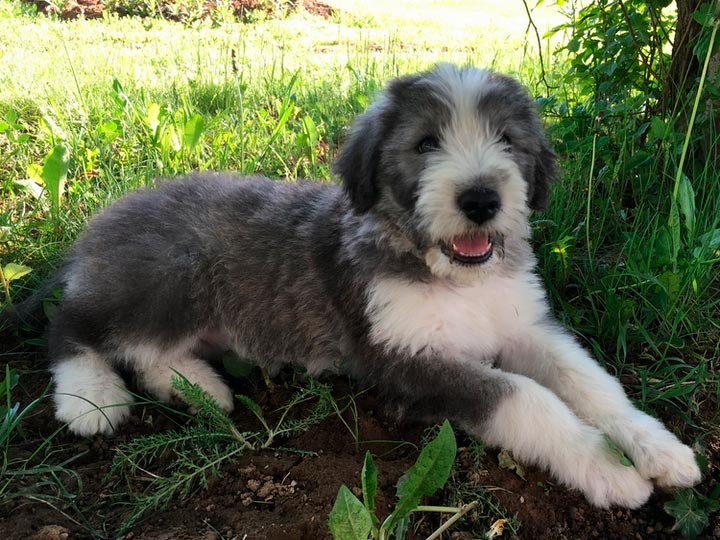
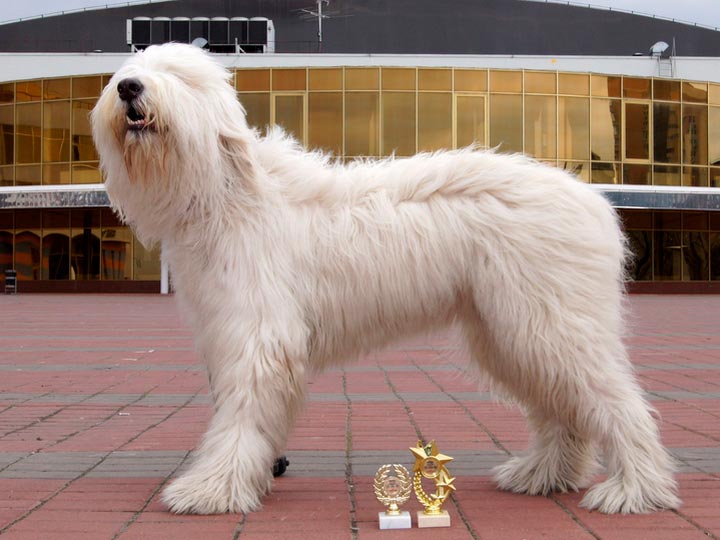
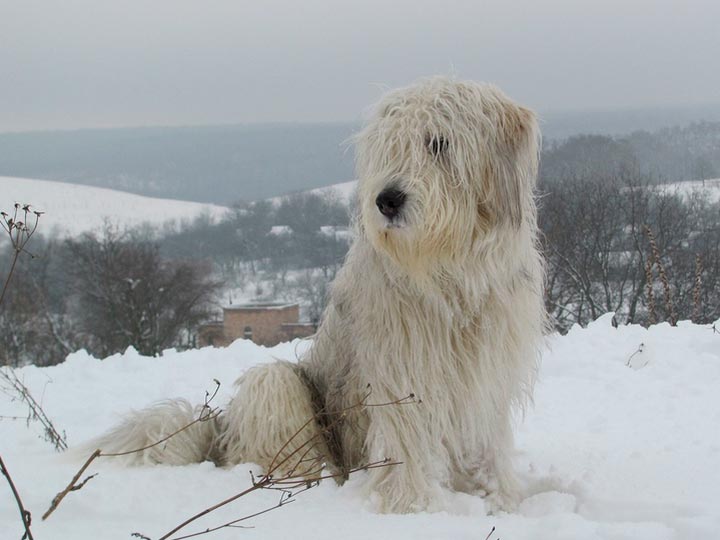
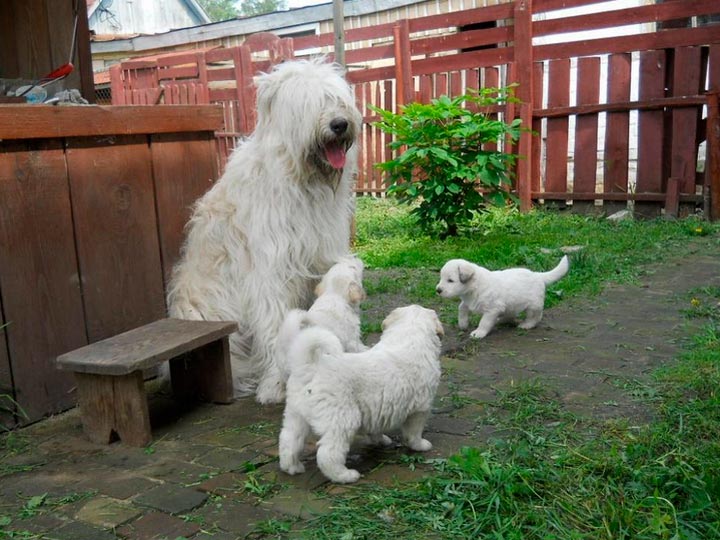
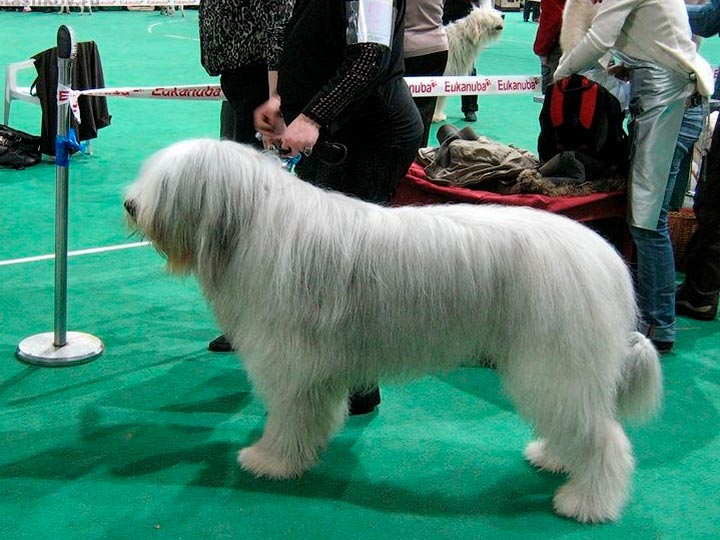
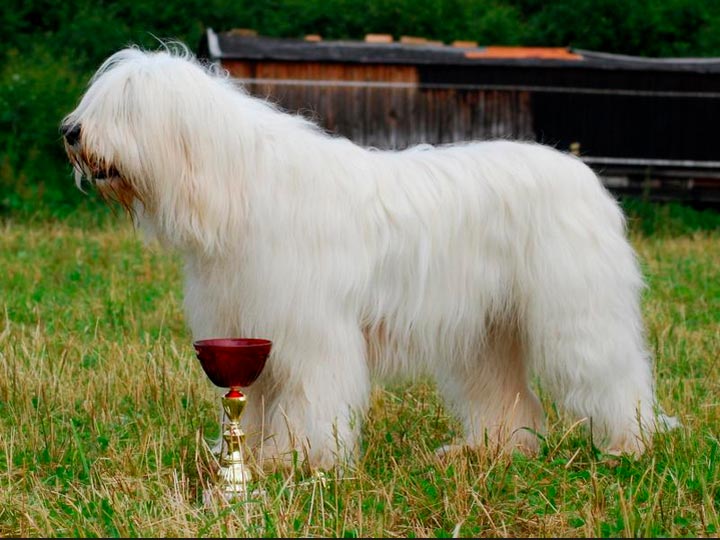
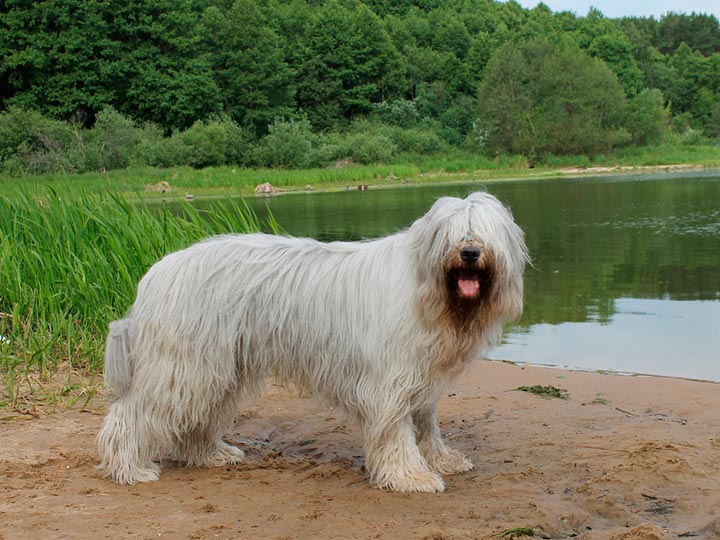
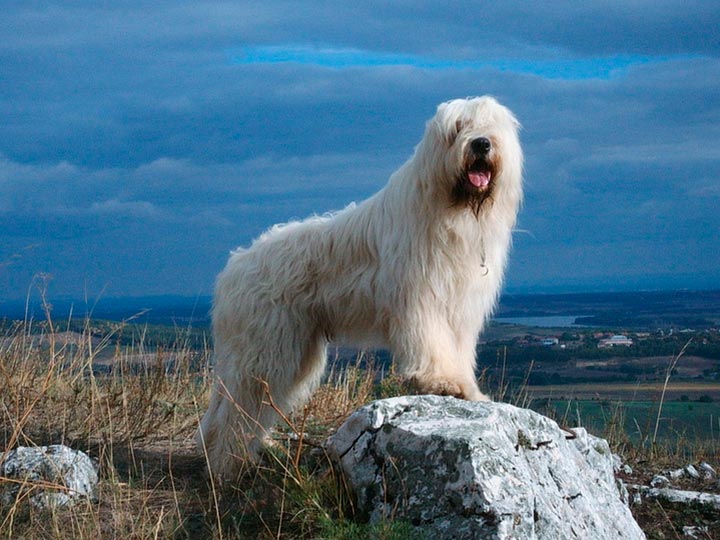
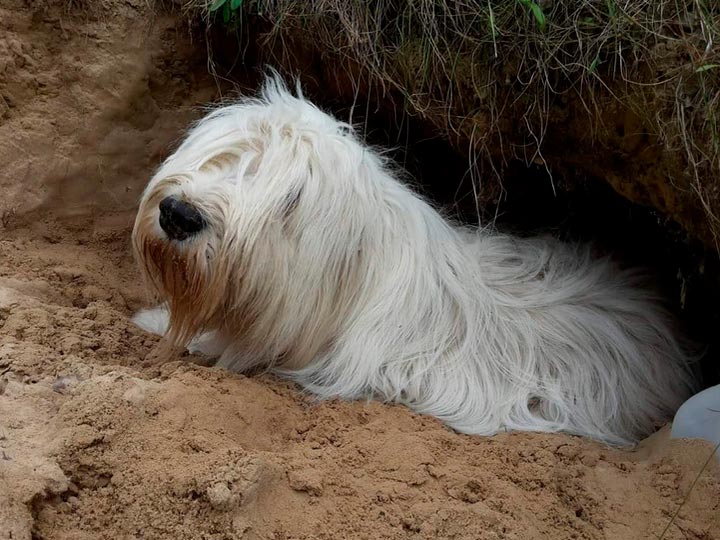
The gallery contains photos of puppies and adult dogs of the South Russian Shepherd (SRO) breed.
Read also:
- White Swiss Shepherd (American-Canadian Shepherd)
- Bulgarian Shepherd Dog (Karakachan Dog)
- Sharplanina Shepherd Dog (Yugoslav Shepherd Dog, Macedonian Shepherd Dog, Illyrian Shepherd Dog)


Add a comment