
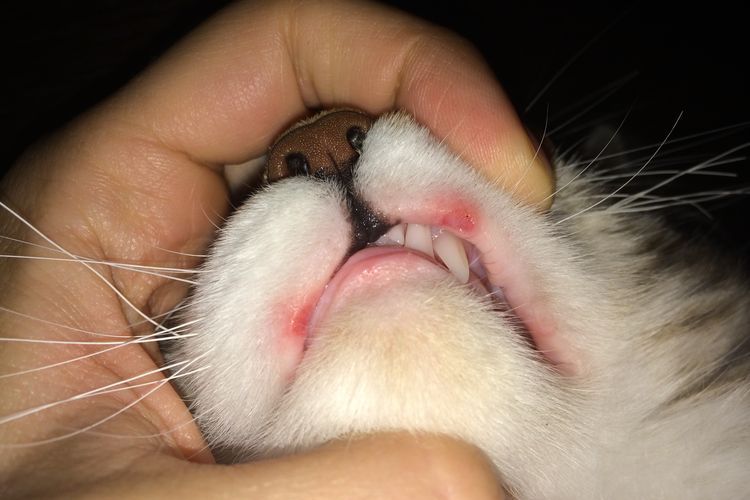
A cat has an ulcer on its lip.
Having discovered an ulcer on a cat's lip, the owner does not suspect that such a neoplasm in the pet can progress and develop into a cancerous tumor.
Reasons
Ulcers on a cat's lip can appear for three reasons:
- A viral infection. The etymology is similar to herpes rashes in humans. If the animal has recently been ill and has a weakened immune system, then the risk of developing sores Very large. In rare cases, redness on a cat's lip is a symptom of leukemia. This could be a new disease or the result of a past virus. A blood test for antibodies can confirm this.
- Allergies. White blood cells (eosinophils) protect cats from allergens. The appearance of a sore on the lip is a symptom of the body's fight against pathogens. Essentially, the sore is an eosinophilic granulation. The source of the allergen is often food and litter.
- Ectoparasite infestation. This is also an allergy, but to the saliva of parasites that infest the animal's skin (ticks, fleas).
Depending on the cause, two types of the disease are distinguished: herpes (rhinotracheitis) in the case of viral etiology and Jacobs disease in the case of formation eosinophilic granuloma.
Rhinotracheitis: symptoms and treatment
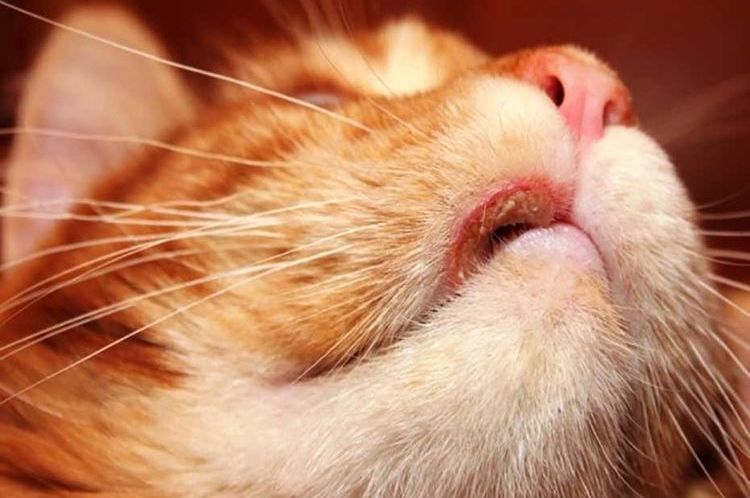
This disease is quite dangerous and is compared to the herpes virus in humans. Its symptoms are often confused with the common cold. Redness of the lips is just one sign that a cat is sick. Rhinotracheitis accompanied by:
- runny nose and profuse nasal discharge;
- lacrimation;
- cough;
- decreased appetite;
- increase in body temperature;
- drowsiness.
If left untreated, the FHV-1 virus (the cause of rhinotracheitis) can lead to complications such as pneumonia or chronic gastrointestinal diseases. Advanced herpes manifests itself through the appearance of corneal ulcers and tongue ulcers, limb convulsions, and impaired coordination. Death occurs in only 15% of animals infected with herpes.
With rhinotracheitis, the sore on the lip causes discomfort to the cat. It itches constantly, causing the red spot to quickly grow and the skin underneath to crack. This increases the risk of secondary bacterial or fungal infection.
It's impossible to completely eliminate the virus; the cat will remain a carrier forever. Treatment should begin as soon as a red spot appears on the cat's lip. For this, standard human medications are used, such as Acyclovir at a dose of 3 mg/kg of the cat's body weight. The ulcer is treated locally with Chlorhexidine or Iodinol. If the cat's lip wound is oozing, it should be treated with Solcoseriol or Actovegin. A doctor will prescribe the primary treatment for rhinotracheitis based on tests and an assessment of the cat's overall health.
Jacobs disease
It is considered an autoimmune disease. Primary triggers include exposure to an allergen or parasitic infestation. Research by foreign veterinarians suggests a genetic predisposition to this disease. It has been noted that 80% of cases of upper lip ulcers occur in purebred animals, while stray cats are almost never affected.
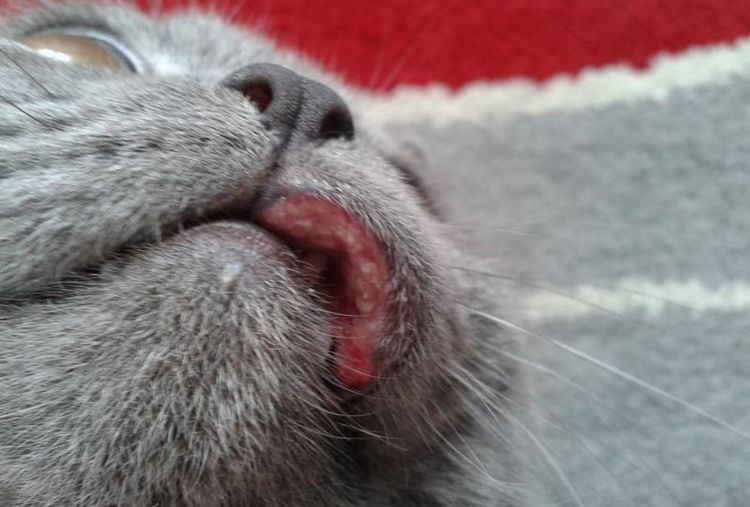
You can suspect that your cat has Jacobs disease by the location of the spot: it usually appears on the upper lip and, in rare cases, on the oral mucosa or lower lip. Signs of inflammation progress rapidly, and the wound begins to deepen and become inflamed. The sore is difficult to heal. In advanced cases, the cat's teeth and gums become exposed.
Important! It's quite easy to distinguish Jacobs' disease from, for example, a trophic ulcer. With this condition, cats experience no discomfort or pain.
In most cases, the owner doesn't immediately notice that their pet is sick and only discovers the ulcer when eosinophilic granulation is clearly visible. Delayed treatment can lead to sarcoma or fibroma.
Diagnostics
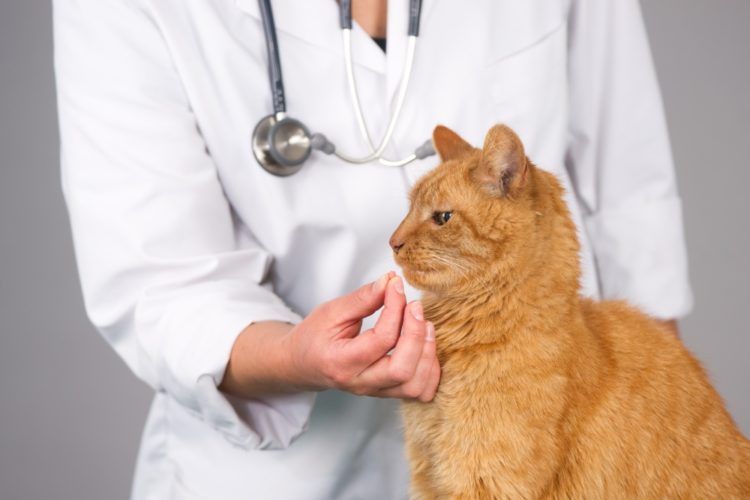
A lack of restlessness in an animal with an ulcer on the upper lip is the main symptom of the disease. A biopsy can confirm this suspicion. The veterinarian takes a microscopic sample of skin from both the affected and healthy areas. If the analysis reveals eosinophilic proliferation, this is a basis for diagnosing Jacobs disease.
Important! A blood test may show normal eosinophil counts, so if your cat has non-healing red spots on the lip, a biopsy is the only reliable diagnosis.
If the animal has a history of viral leukemia or has recently been ill, then the veterinarian, upon discovering a spot on the patient's lip, should immediately confirm the diagnosis.
Treatment
If the spot has just appeared, simply removing the allergen will restore your cat's skin to health. Typically, you'll need to change the pet's food, replace the bowls, and toilet fillerDirect treatment, which is carried out under the supervision of a physician, includes four areas:
- use of corticosteroids;
- use of antihistamines;
- supporting the body's resistance;
- treating a cat for parasites.
Prednisolone is the most commonly used corticosteroid. It is administered intramuscularly or orally. In mild cases, the effect is noticeable after just a few doses, but the average course of treatment for Jacobs' disease is three weeks. Instead of prednisolone, your doctor may prescribe Depo-Medrol or Cortisone.
They have proven themselves to be effective in maintaining immunity. Gamavit and Gamapren. The former is a placental emulsion. Its purpose is to stimulate the cat's bactericidal properties and increase its resistance to stress.
Gamapren is a natural product (obtained from mulberry processing). The product not only supports the animal's immune system but also combats viruses, including herpes.
Antihistamines, such as Suprastin and Diphenhydramine, can help reduce the activity of allergens.
Treatment for Jacobs' disease involves the use of human medications that may affect the animal's organs. Allergy testing is mandatory before administering these medications. Treatment is also carried out under strict veterinary supervision and with regular urine and blood tests to rule out the onset of kidney disease.
Read also:
- My cat has a watery eye: what should I do?
- Herpes in cats: symptoms and treatment
- Coronavirus in cats


Add a comment