
Javanese (Javanese cat)
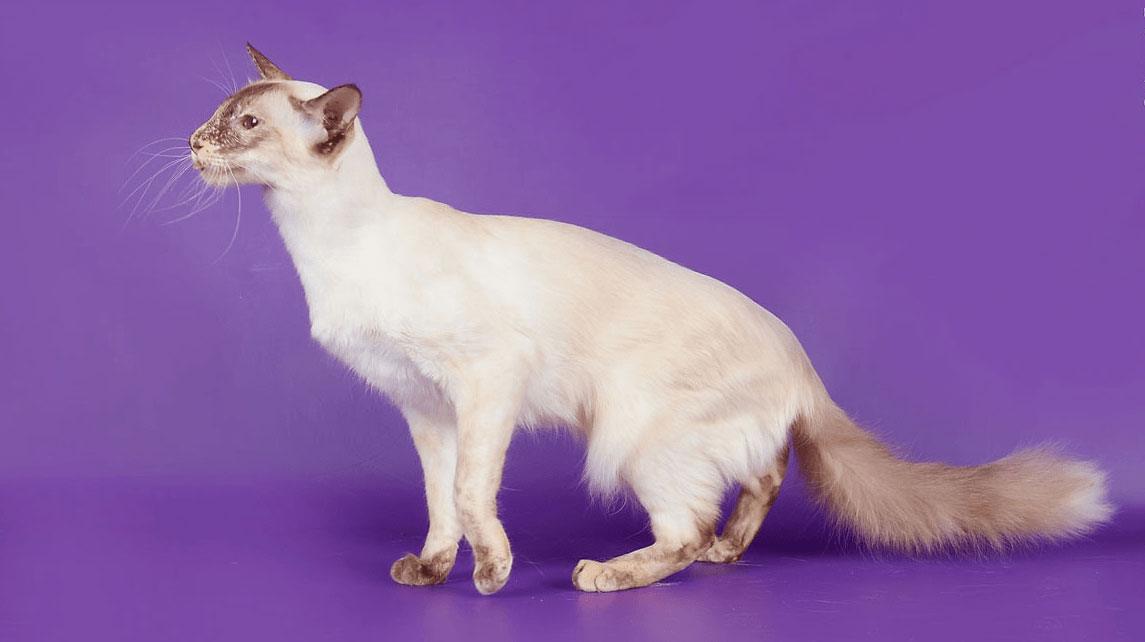
Javanese cat or Javanese The Siamese is one of the most controversial breeds in the world. In the US and Europe, the same name refers to two completely different breeds, which, however, share a common ancestor—the Siamese cat—and several distinctive traits (a refined appearance, energy, and keen intelligence).
Content
Breed characteristics
The Javanese is a prestigious and expensive pet, highlighting its owner's refined taste. Moreover, Javanese cats come in incredibly diverse varieties, allowing every cat lover to find a pet that suits their preferences.
|
Original title |
Javanese |
|
Country of origin |
USA |
|
Year of breed appearance |
1950s |
|
Weight |
2.5-5.0 kg |
|
Life expectancy |
12-15 years old |
|
Kitten price (depending on generation) |
$2,500 – $9,000 |
A table of characteristics compiled from reviews by breeders and owners of these rare and special cats will tell you more about the Javanese breed.
|
Parameter |
Level |
Points |
|
Size |
|
3 out of 5 |
|
Intelligence |
|
3 out of 5 |
|
Playfulness |
|
4 out of 5 |
|
Health |
|
3 out of 5 |
|
Picky eating habits |
|
3 out of 5 |
|
Activity |
|
3 out of 5 |
|
Friendliness |
|
4 out of 5 |
|
The need for communication |
|
4 out of 5 |
|
Molting |
|
3 out of 5 |
|
Attitude towards children |
|
3 out of 5 |
|
Attitude towards strangers |
|
3 out of 5 |
|
Cost of maintenance |
|
3 out of 5 |


History of origin
This breed has two histories, neither of which has anything to do with the Indonesian island. Only their appearance and close relationship to the Siamese cat evoke the eastern lands.
For European organizations (WCF, FIFe), the Javanese is an Oriental with medium-length fur and any color. American associations (CFA, ACFA, CFF) have accepted the Javanese as a variety of the Balinese cat, which is typically characterized by any colors not recognized for Balinese. Hence the related name, Java – the closest island to Bali in Indonesia.
European Javanese
In the 70s in Europe they crossed Siamese cat seal point and Abyssinian cat sorrel colored, their love child gave birth to a new breed.
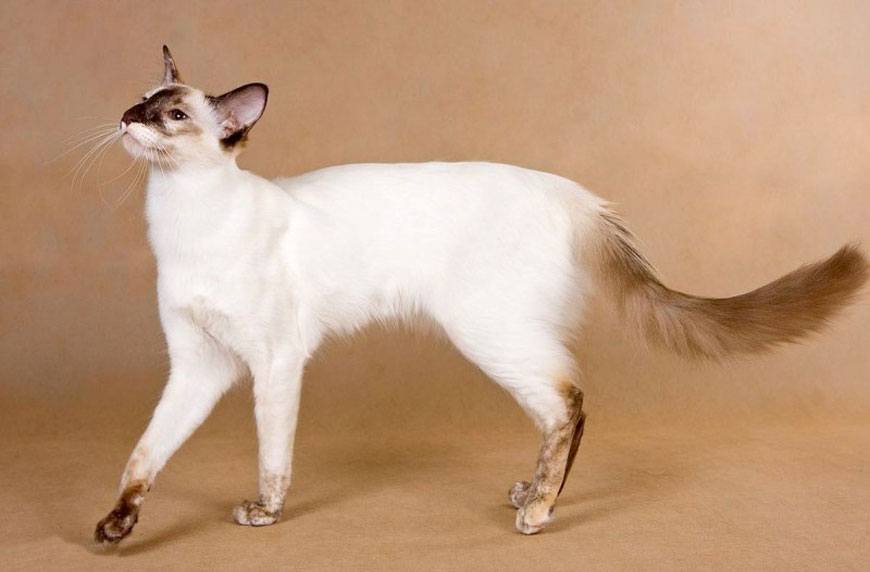
At first the breed was called British Angora. Later, to avoid confusion between the English and Turkish Angora (which have nothing in common), European associations assigned it a new name – the Javanese cat. But this only created further confusion, as work was already underway in America on a new breed with a similar name.
American Javanese
The ancestors of the American Javanese were Balinese cats.
In the early 20th century, long-haired kittens began appearing in Siamese litters. This mutation was recognized and targeted breeding began, giving birth to a new breed – the Balinese. In the 1970s, breeders from the United States and Canada began breeding Balinese in new colors (non-Siamese). This resulted in a new type, which was later registered as a separate breed – the Javanese.
Javanese cats in Russia
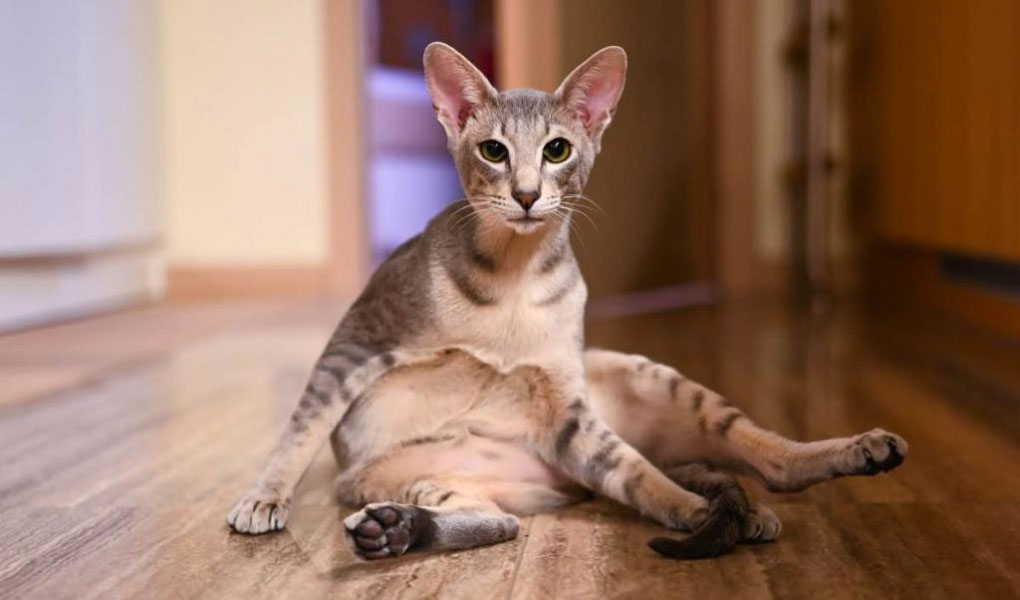
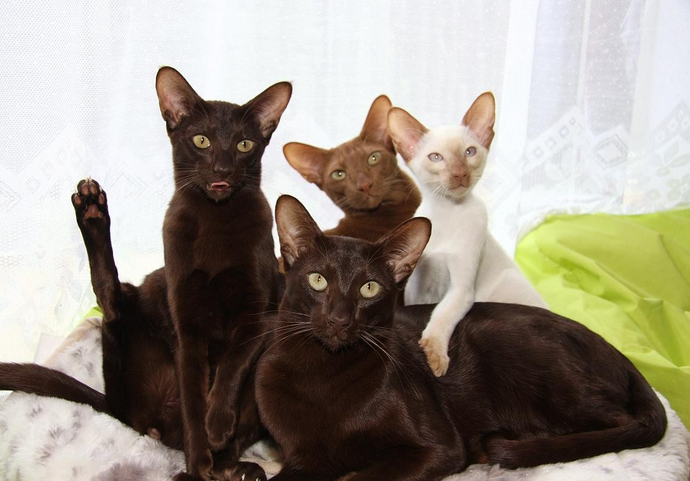
In Russia and the CIS countries, Javanese are bred in various colors, characteristic of oriental shorthair. Despite its striking, beautiful appearance, the breed has not yet become widely popular in Europe.
General characteristics of the breed
Appearance
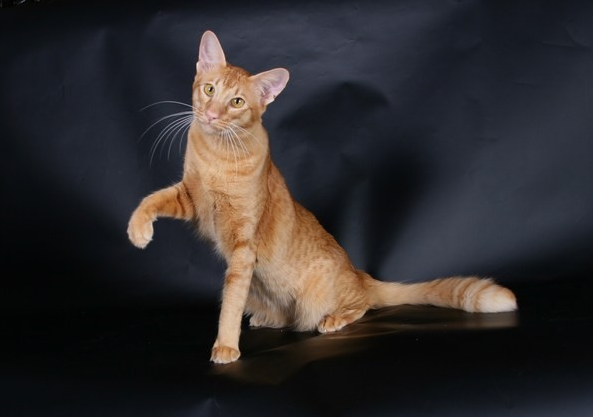
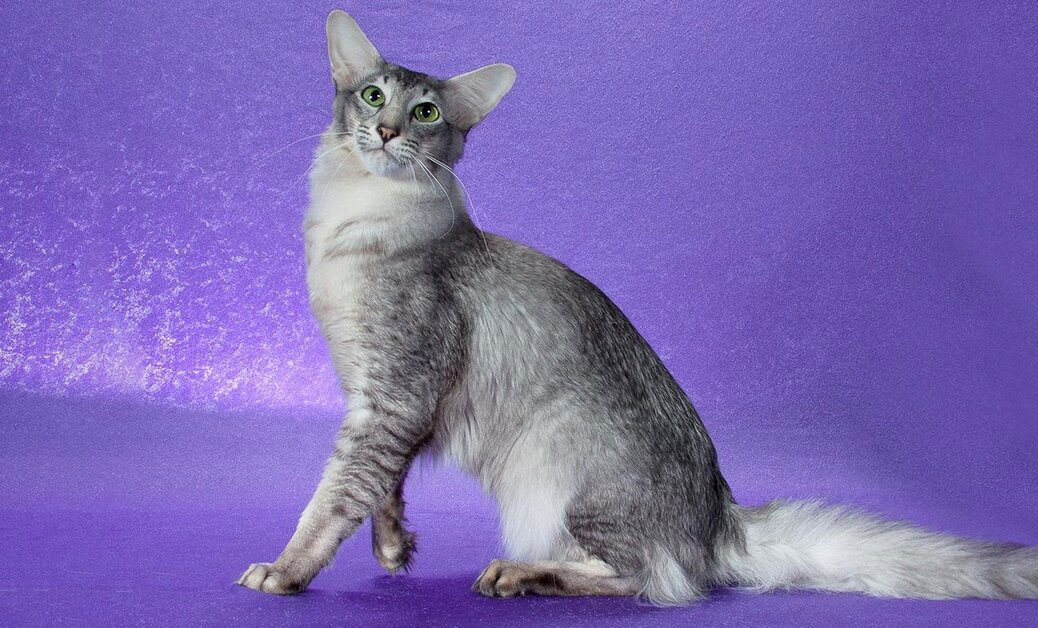
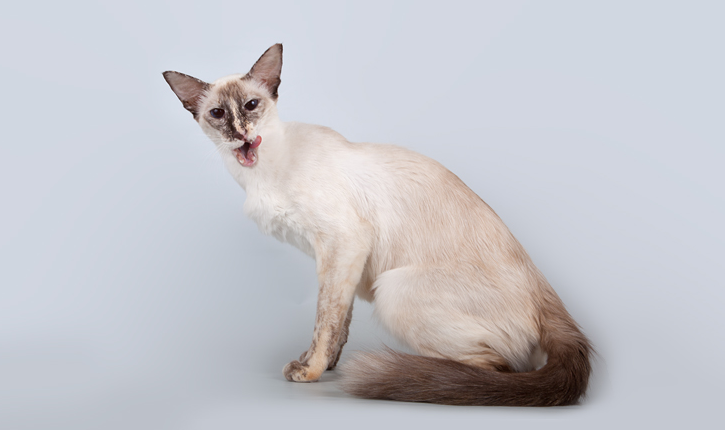
The graceful, delicate appearance of these cats is surprisingly balanced by their strength and firm muscles, hidden beneath their fine, silky fur. Javanese are medium-sized cats, weighing 2.5-5 kg. Their bodies are elongated and slender.
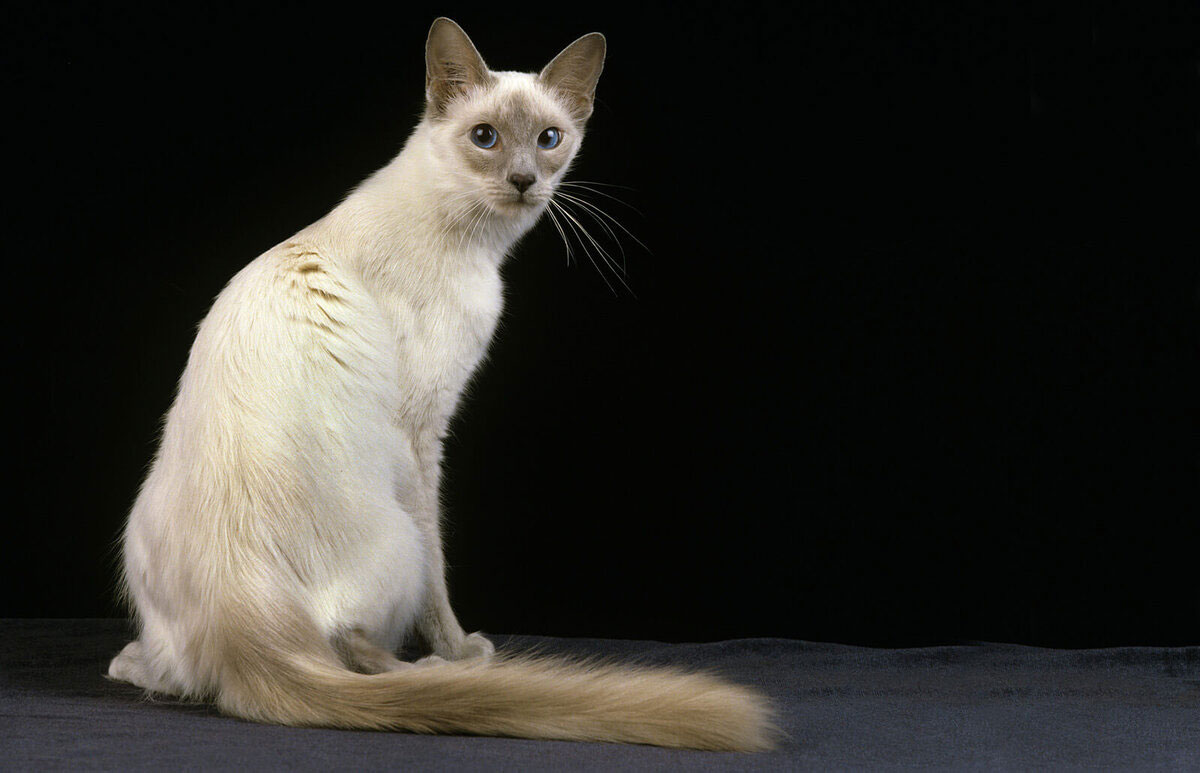
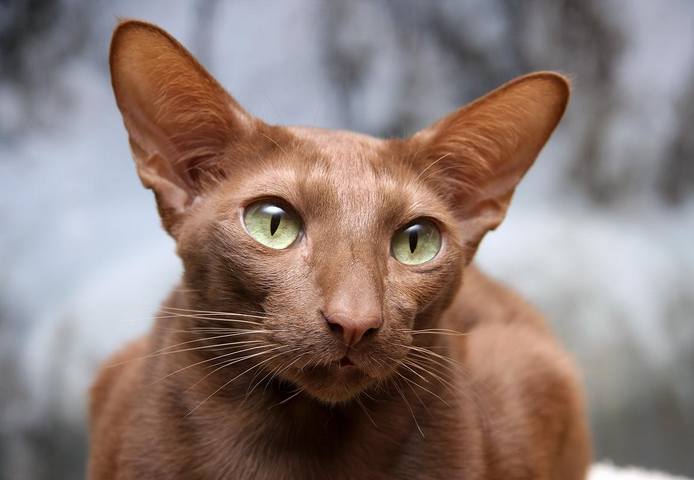
The head, like other cats of this type, is proportionate and slightly elongated. Viewed from above and from the side, the lines joining the outer bases of the muzzle are almost even, forming a wide wedge. The profile line, running from the center of the forehead to the tip of the nose, is straight, without visible indentations or humps. The tip of the nose and chin are aligned vertically. The nose leather is distinctive. The ears are large, proportionate to the head; that is, the longer the muzzle, the larger they are. The auricle is very wide at the base, and the tips are pointed. The eyes are medium-sized, almond-shaped, set not too deep, but not protruding, and slanted slightly toward the nose. There should be a sufficiently wide space between the eyes, at least equal to the length of one eye.
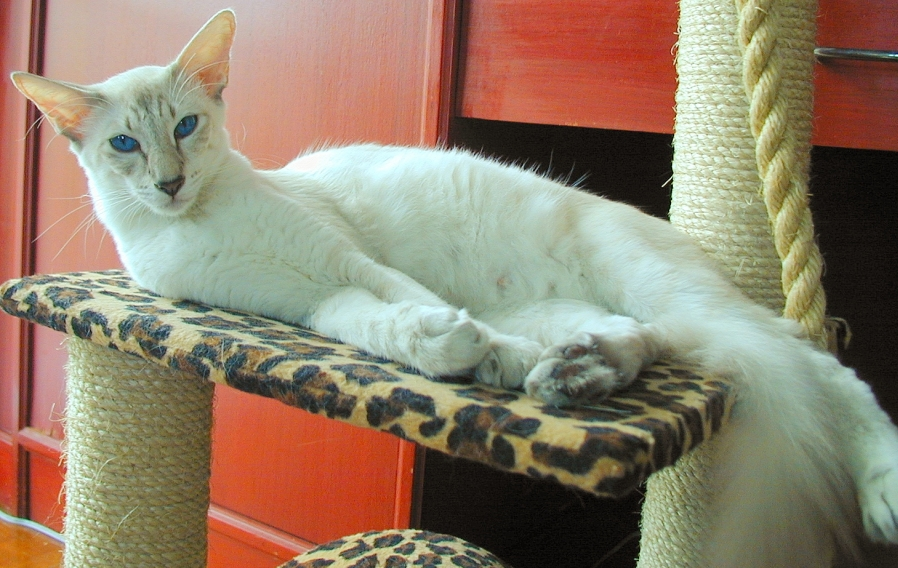
Javanese cats of white and colorpoint colors have blue eyes, while cats of other colors have green eyes, sometimes green-yellow ones.
The legs are long and slender, with the hind legs slightly longer than the front legs. The Javanese's hips should not be wider than the shoulder girdle. The tail is long and thin with a noticeable plume.
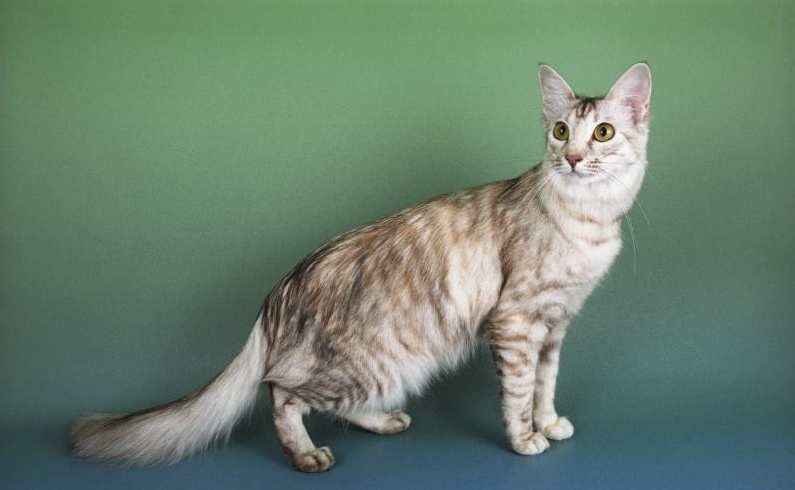
Javanese cats have fine, silky fur with no undercoat. The hair lies very close to the body. The CFA recognizes 24 color patterns for Javanese cats, but the most common are:
- point (like Siamese and Balinese cats);
- redheads;
- creamy;
- brown;
- chocolate;
- fawn;
- blue;
- lilac.
The most common "non-Siamese colors" are a combination of cinnamon-tortie-lynx-point and blue-crepe-point shades.
Possible defects
The Javanese breed has the following disqualifying faults:
- discoloration of the skin of the nose (solid pigmentation or spots);
- poorly developed muscles;
- strabismus;
- double coat (undercoat is visible);
- polydactyly (presence of extra fingers);
- tail break.
Character
Javanese cats are perfect for those who want to add a little excitement to their lives. Despite their outward independence, they are incredibly attached to their owners, requiring constant attention and companionship, which they will seek by any means necessary.
Javanese are sociable, energetic, incredibly playful, and very curious. They often use their dexterous paws as fingers and constantly practice opening doors and drawers.
Many cats are skilled and enjoy fetching, but their favorite activity is hunting. Their lives are like a constant game of acrobatics, in which they try to involve everyone around them.
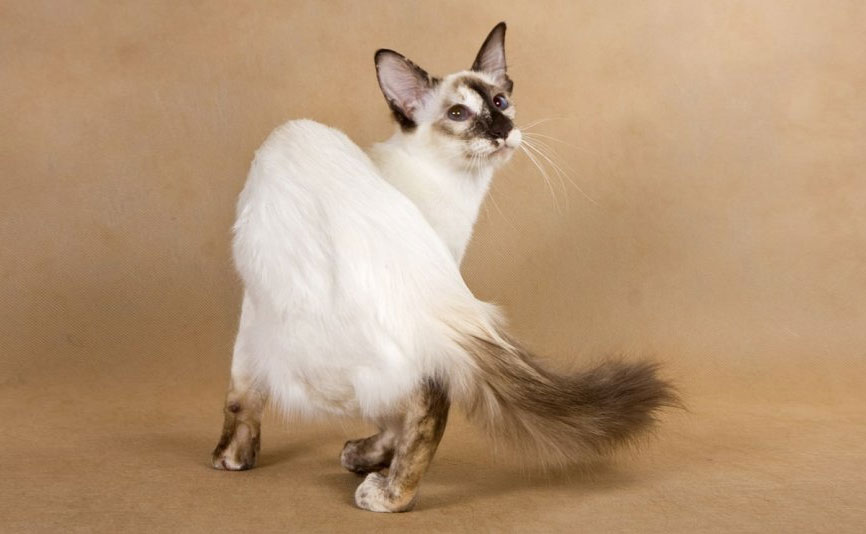
Javanese cats have an enviable intelligence, which they apparently inherited from their Siamese great-grandmother. These cats quickly pick up on their owner's mood swings and easily adapt to the family's rhythm. They can even be taught a few tricks. Javanese cats have a hard time being alone. While they can certainly occupy themselves in their owner's absence, constant isolation can be detrimental to their nervous system. Therefore, busy people are advised to consider getting two cats or a different breed altogether.
Javanese cats are considered to be very "talkative"; they prefer to communicate all their affairs, joys, and complaints to their owner through loud meowing or purring.
They are hardy and undemanding in their daily lives, becoming very attached to children who know how to handle this independent creature. They generally get along well with other pets, although much depends on the personality of their companion.
Health
Javanese cats inherited some health problems from the Siamese cat. Javanese cats are prone to upper respiratory diseases, congenital heart defects, and, less commonly, gastrointestinal problems. They also have typical Siamese eye problems, such as nystagmus or strabismus.
Before purchasing a kitten, it's important to know that deaf kittens are common in litters. Neurological problems, a tendency toward asthma, and amyloidosis have also been reported. Regular veterinary examinations, vaccinations, and timely deworming are essential for maintaining health and preventing disease.
Maintenance and care
Content Features
The Javanese is primarily a cat, so she spends most of her time sleeping or grooming herself, but during active periods she is a real little whirlwind that needs agility training and exciting games.
If your pet doesn't have free access to the outdoors to fully release its energy, and lives in an apartment, it's advisable to install a special play structure and, of course, provide a variety of toys to choose from. Additionally, your pet should have its own private space in a quiet, warm corner, including its bed.
Hygiene
Javanese are longhaired cats for lazy people, At least that's what breeders say about this breed. Their coats lack an undercoat, so they don't shed seasonally. Brushing them once or twice a week with a metal comb is sufficient to prevent loose hair from becoming a "decoration" on furniture and clothing and to keep their coat looking well-groomed.
Bathing Javanese cats is not recommended at all; they do a good job of grooming their own fur. Furthermore, their skin is somewhat dry and takes a long time to recover after bathing. In rare cases, bathing a Javanese is possible, but it's essential to use special shampoos and conditioners for cats with fine fur.
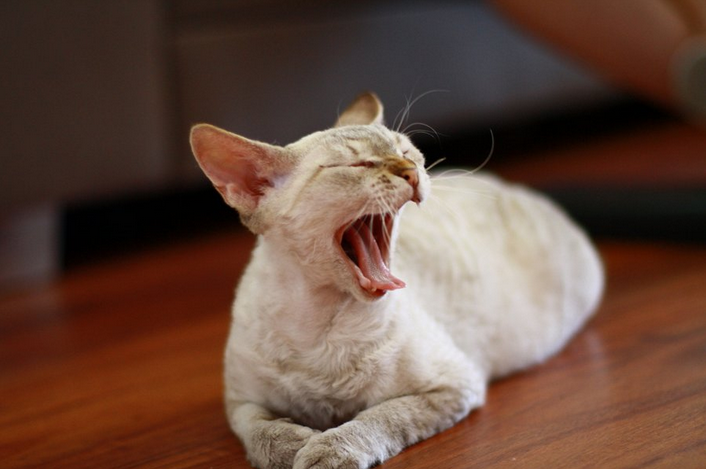 A cat needs to have its teeth brushed about once a week. Many people neglect this recommendation, forgetting that plaque is the first step to dental and gum disease at an early age. If necessary, an adult cat can undergo ultrasonic teeth cleaning at a veterinary clinic. This procedure will help keep your pet's teeth healthy for as long as possible.
Eyes and ears are cleaned as needed, removing natural secretions. Like any other cat, the Javanese's claws are trimmed approximately once a month.
Diet
These cats need a balanced diet that is high in protein and low in fat. The food can be either natural or prepared. In the former case, it's important to remember that all cats are primarily carnivores, and their diet should be based on meat, which is best digested raw.
But given the realities of life, it's still better to subject it to light heat treatment or at least freezing for disinfection purposes. In addition to meat, feed it sea fish fillet, some stewed grains and vegetables, as well as low-fat kefir and cottage cheese, unless the animal is lactose intolerant (this is immediately noticeable by loose stools).
Due to the high activity, it is recommended to add the following to the main diet:
- vitamin and mineral complexes;
- feed additives containing sodium, calcium, phosphorus, magnesium;
- vitamins A, C, B1 and D.
If the basis of the diet is prepared food, it is better to give preference famous manufacturers and feeds of at least premium quality meet quality standards. When feeding commercial feed, animals do not need additional vitamins or supplements, as all the necessary elements are already present in dry or canned food.
The best premium cat food manufacturers:
More useful information about feeds premium, super premium And holistic class, and also why economy class feed should not be used as a primary diet for cats, please read the materials on our website.
Education and training
Javanese are very intelligent, have an excellent memory, and quickly learn the basic rules of living with humans. However, this headstrong pet may not always comply with its owner's demands, being guided primarily by its own personal desires.
You shouldn't expect a Javanese cat to be as obedient as a dog, but it's quite possible to instill in your pet the principles of cleanliness and socialization. You can even teach them a number of basic commands with patience and persistence. Breeders recommend following these principles when training Javanese cats:
- Adjust the training time to your pet’s biorhythms.
- Training should evoke only positive emotions in the animal.
- Use favorite treats to reward successful execution of commands.
- Avoid any violence, loud sounds, any punishment.
- If you have several pets, handle each animal separately.
Video about the Javanese cat breed
Read also:


Add a comment