
Bloating in Dogs: Causes and Treatment
Abdominal bloat in dogs is a common occurrence. Treatment depends on the cause and the overall clinical picture. The condition can be chronic or acute. In the former case, abdominal distension develops over weeks or even months, while in the latter, it develops within hours and is typically accompanied by a sudden and significant deterioration in health.
Content
Physiological reasons
There can be various causes for this unpleasant condition, including some that are quite harmless. These include:
- Conditioning issues. In recent years, owners have increasingly encountered dogs with bloated bellies due to obesity. Excess weight puts significant pressure on the internal organs, leading to problems with the esophagus, colon, liver, and gallbladder. Consequently, obese dogs suffer from belching and bouts of nausea. If your pet's weight is above normal, it's important to adjust their diet and increase their physical activity.
- Flatulence is excessive gas formation in the intestines, accompanied by hiccups, belching, loss of appetite, rumbling, and vomiting. The main factors are any dietary errors (eating large amounts of flour products or legumes) and an imbalance in the intestinal microflora, such as after antibiotic therapy. It is necessary to review your diet and eating habits.
- Lack of physical activity. Passive spending of time can lead to digestive problems. Internal organs stop functioning properly, and gas buildup occurs. To prevent this, your pet should be walked 2-3 times a day for 1-2 hours.
- Pregnancy. Over the course of two months, the abdomen becomes uniformly firm and large. Owners may be unaware of their pet's pregnancy and seek veterinary attention complaining of bloating. Palpating the embryos is not always possible. In these cases, pregnancy is confirmed through laboratory and instrumental methods.
Among the rarer, but still relatively harmless, causes is aerophagia. This is a condition in which an animal swallows a lot of air while eating. The excess air in the stomach causes the tummy to appear bloated to others. This problem is easily solved at home. It's important to establish a feeding schedule (feeding at specific times) and avoid situations that could lead to prolonged starvation.
For aerophagia, a bowl with dividers helps, as it prevents rapid swallowing and forces the child to fish out portions of food.
Diseases
Unfortunately, this unpleasant symptom can be a sign of underlying conditions, sometimes life-threatening. These include:
- Cushing's diseaseThis is an endocrine disorder in which the pituitary gland stops controlling the adrenal glands' production of the hormone cortisol. Its excess leads to the body functioning at its limits. Abdominal enlargement occurs due to muscle weakness.
- Enzyme deficiency. A pet may have a general deficiency of digestive enzymes or specific groups of them. In the former case, the dog's bloating will be constant, while in the latter case, it only occurs after eating certain foods. The inability to digest and assimilate food leads to weight loss, poor coat quality, and decreased appetite.
- Worm infestations. The abdomen swells when the infection is prolonged and the number of parasites in the intestines becomes too large. Associated symptoms include vomiting and diarrhea. This is the body's attempt to rid itself of toxins. Worm infestations are the most likely cause of a puppy's bloated abdomen.
- Intestinal obstruction. Prolonged absence of bowel movements leads to increased internal pressure, which can lead to intestinal rupture. This condition is accompanied by severe intoxication. Common causes include hairballs and foreign objects.
- Acute urinary retention. The abdomen becomes distended as fluid accumulates in the bladder and its walls become distended. This condition is accompanied by unsuccessful attempts to urinate, restlessness, loss of appetite, and vomiting. Palpation causes pain.
- PeritonitisThis is a disease in which the serous membrane of the peritoneum becomes inflamed. It occurs as a result of infection, rupture of the viscera, and the release of their contents. It is often accompanied by ascites.
- AscitesWith this condition, free fluid (blood, pus, or urine) accumulates in the peritoneum. As a result, the abdomen becomes dense and distended, similar to pregnancy. If the pet stands on its hind legs, all the fluid drains down, and its abdomen takes on a pear-shaped form. Upon returning to its normal position (on all fours), its belly will regain its rounded shape.
- Gastric torsionThe organ shifts and twists around its axis. This occurs after activity on an overfull stomach. Signs of volvulus include a general deterioration in health, abdominal distension, anxiety, nausea, hypersalivation, bluish or pale mucous membranes, decreased body temperature, and weakness. Death occurs without medical attention within six hours.
- Inflammation of the uterus. This is characterized by the accumulation of watery, bloody, or purulent fluid in the reproductive organ. The swelling of the abdomen can last anywhere from a few hours to a week. Purulent infection is the most dangerous. The female refuses to eat, vomits, and drinks large amounts of fluid. Left untreated, it can be fatal.
- Abdominal cancers. Just like humans, dogs are susceptible to malignant and benign tumors. These can disrupt the function of the affected organs, cause urinary and fecal retention, or simply grow rapidly and distend the abdominal wall.
- Gastritis is a disease in which fibrous tissue grows on the gastric mucosa. The main symptoms of chronic gastritis are dehydration, thirst, and salivation, while those of chronic gastritis include weight loss and hyporexia or anorexia. Gastritis with normal or excessive secretion causes constipation, while gastritis with insufficient secretion causes diarrhea. This condition increases the risk of gastric torsion.
- PyometraWith a significant accumulation of pus, the uterus distends. Inflammation is accompanied by apathy and hyperthermia. Specialists classify pyometra as open or closed. In the former, some of the pus exits through the vagina, making diagnosis easier. In the closed form, all the fluid remains internal. This is a particularly dangerous condition, threatening severe intoxication and uterine rupture.
According to statistics, abdominal swelling is more common in older dogs with weakened immune systems. These animals require periodic preventative checkups. At-risk breeds include German Shepherds, Poodles, Great Danes, Dobermans, Bobtails, and St. Bernards.
First aid
The first thing recommended is to administer an anti-intoxicant (such as activated charcoal). Before using, it's important to carefully read the instructions or consult a veterinarian. Overdosing is unacceptable, as it can worsen the condition or cause dangerous side effects.
Vaseline oil is effective for constipation, softening the stool and facilitating its passage through the rectum. It should be poured into the mouth (with a small amount of water or neat). Use no more than 1 ml per kilogram of body weight. Repeat the procedure morning and evening until bowel movements return to normal. Relief often occurs within the first five hours. A fasting diet can help reduce the strain on the gastrointestinal tract. Until the vet's appointment, the animal should be fasted. Fresh, clean water should be available at all times.
Emergency case
Sometimes procrastination can be fatal. Extremely alarming signs include:
- Bloating in a dog lasting more than 24 hours.
- Pronounced salivation.
- Vomiting more than twice within 24 hours, especially with foreign impurities.
- Hyperthermia, trembling.
- Choking (the dog is breathing heavily and its mucous membranes turn blue).
In these cases, it's essential to visit a clinic as soon as possible. When transporting, the animal should lie on its side. This position will allow vomit to pass easily during transport.
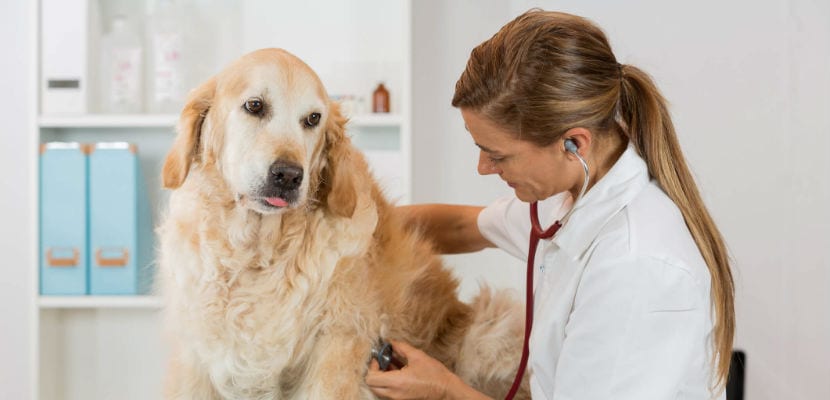
Upon arrival, the veterinarian will immediately begin diagnosis. This will begin with a conversation, asking questions about your pet's diet, the frequency and duration of seizures, and any accompanying symptoms. Afterward, the specialist will palpate the abdomen, measure body temperature, weigh the pet, and examine the condition of the fur and mucous membranes. Based on the collected data, the veterinarian may prescribe additional tests, including blood and stool tests, X-rays, ultrasound, gastroscopy, and colonoscopy. Once the cause of the pathological condition is identified, the veterinarian will decide on treatment with medication or surgery.
Nutritional guidelines for gastrointestinal disorders
Treatment for flatulence in dogs involves diet. Fish, whole milk, beans, and sticky cereals are excluded until complete recovery. Vegetable intake is limited. Lean meat is the mainstay of the diet. Fermented milk products are offered as snacks. Any food not allowed on the table is removed from the diet. It is imperative to ensure that the child does not feed the owner's food.
When feeding commercially prepared food, dry kibble is replaced with wet canned food. The transition is gradual. New products are chosen from brands the dog is already familiar with. Changes are also made to the feeding schedule. The pet is fed more frequently, but in smaller portions. Ensure the animal drinks enough fluids throughout the day, preferably filtered. Tap water is prohibited.
Self-administration of any dietary supplements is unacceptable. They should be selected and prescribed by a physician.
Prevention
Proper pet care can prevent a wide range of health problems. Experts recommend:
- Do not give your pet water one hour before and after feeding.
- Avoid long breaks between meals.
- There should be no overfeeding.
- Avoid giving very cold or hot food or ice water. Room temperature is best.
- Enrich your diet with foods rich in fiber.
- Make sure that the dog does not pick up anything from the ground.
- Conduct flea treatment and deworming in a timely manner.
- Do not allow your pet to have close contact with stray animals.
- Do not experiment with your diet and type of nutrition, do not change your diet abruptly.
- Cut food into small pieces.
- Carefully study the documents of the partners before mating.
When asked what to do if your dog has a bloated belly, the answer is obvious: go to the vet. Symptomatic treatments will only provide short-term relief and can be dangerous. Therefore, a thorough diagnosis is crucial. By identifying the underlying causes of the problem, targeted medications or procedures can be selected. Furthermore, timely diagnosis and treatment can prevent further complications. The sooner you consult a veterinarian, the better.
Read also:


Add a comment