
My dog has yellow stool: why and what to do
Experienced breeders know that any changes in the consistency, color, or odor of feces can indicate problems with the gastrointestinal tract or other organs. Continuing on this topic, today we'll discuss why a dog might have yellow or orange feces, what health issues this symptom may indicate, and what to do at home to address the problem.
Content
What can feces tell us?
The functioning of the gastrointestinal tract and other body systems in a dog are interconnected, so very often the first sign of problems with the intestines or other internal organs is a change in the basic characteristics of waste products.
As with humans, canine feces should normally be:
- brown (shade may vary depending on diet);
- dense consistency (liquid feces always indicate problems with the gastrointestinal tract, the exception is the first month of life, when puppies have mushy stools);
- without any admixture of mucus or blood;
- without any pronounced uncharacteristic odor.
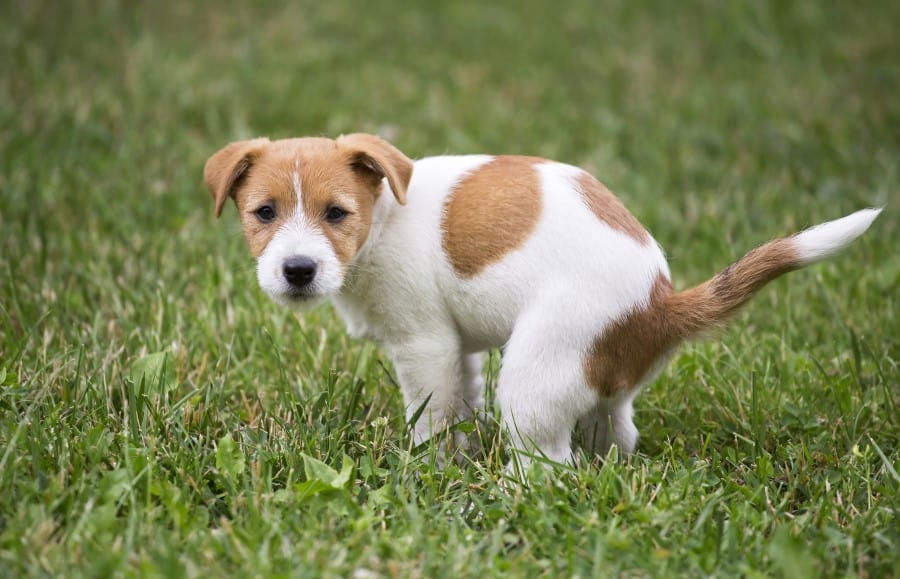
Color is one of the most important assessment parameters. If the stool suddenly changes color, consistency, or odor, it's important to pay special attention to the pet's health and, if possible, conduct a full examination to assess the functioning of the internal organs.
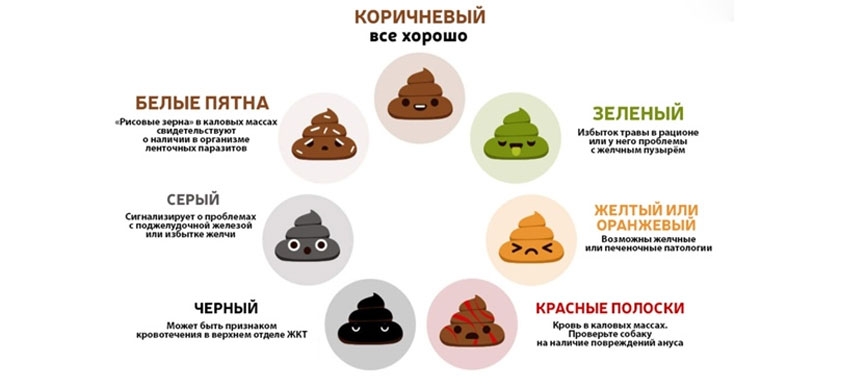
Why does a dog have yellow poop (possible causes)
If you notice that your pet's poop has become bright yellow or even orange, you should consider why this alarming symptom might have appeared, as in some cases, such changes occur with serious diseases of the internal organs.
Dyes
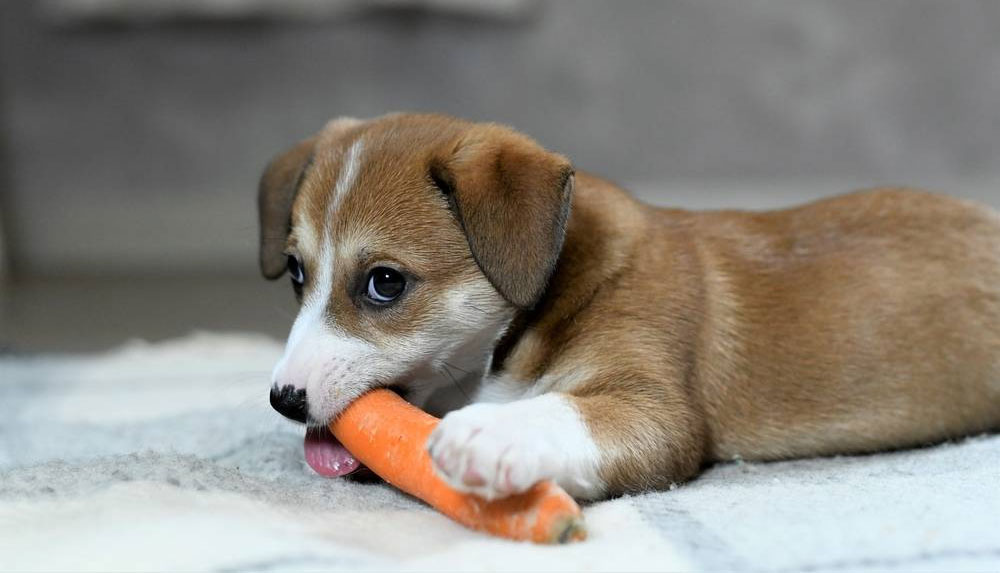
The most harmless reason that can cause yellow or even orange stool in a dog is the pet's consumption of food products containing food coloring (various treats, candies, etc.) or simply children's paints, crayons, or pencils.
For example, yellow or orange feces in a dog may appear when there is an excess of such products in the diet as:
- carrot;
- pumpkin (zucchini);
- corn grits;
- turmeric;
- flax seeds;
- mustard seeds;
- some fruits.
If the color of the dog's stool changes after feeding it large quantities of such foods, it's worth normalizing the diet and the problem will disappear on its own the next day.
Ingesting foreign objects can cause not only yellow diarrhea but also vomiting, constipation, or intestinal obstruction. If you suspect your dog has ingested a potentially dangerous object, take it to the vet as soon as possible.
Gastroenteritis
Inflammation of the mucous membrane lining the walls of the intestines and stomach can occur due to various reasons:
- parasitic invasion;
- viral diseases;
- bacterial infections.
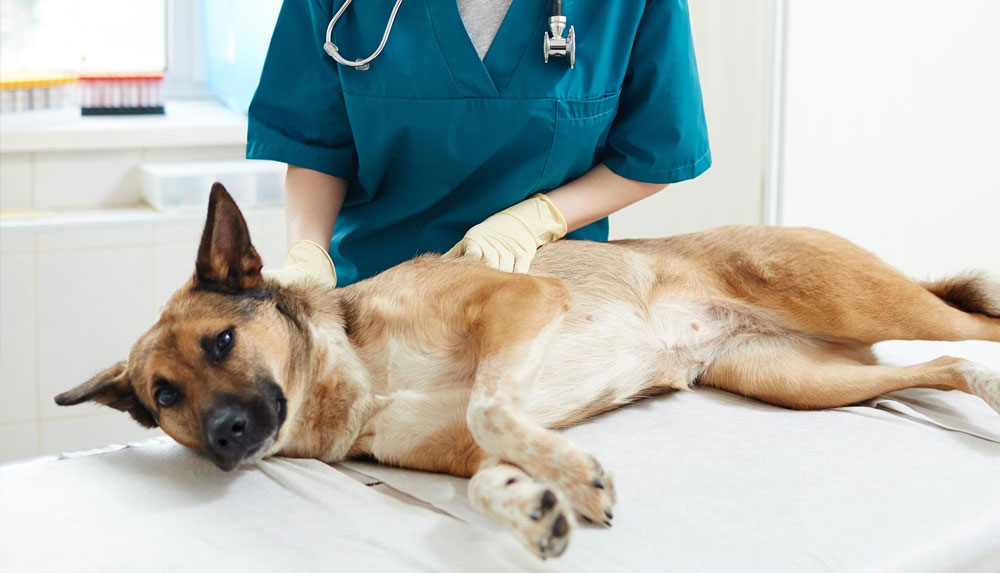
At gastroenteritis Often, not only does yellow, foul-smelling diarrhea with mucus occur, which is accompanied by pain in the gastrointestinal tract, but vomiting is also observed, which, taken together, can quickly lead to dehydration and even death of the animal.
Gastroenteritis is especially dangerous for puppies in their first year of life, as well as for older animals and those weakened by chronic diseases. Therefore, a combination of diarrhea and vomitingIf you are unable to stop the symptoms quickly at home, you should definitely consult a veterinarian.
Liver diseases
Veterinarians recommend that you have your pet examined if they have yellow diarrhea, as stool can become bright yellow with jaundice, which occurs due to severe liver damage.
The symptom may occur in diseases such as:
- hepatitis (an inflammatory disease caused by various reasons);
- portosystemic shunt (a congenital pathology that most often appears in puppies in the first months of life);
- complications of the liver in infectious diseases (viral and bacterial infections);
- cirrhosis;
- liver failure;
- oncology (with primary or secondary liver damage).
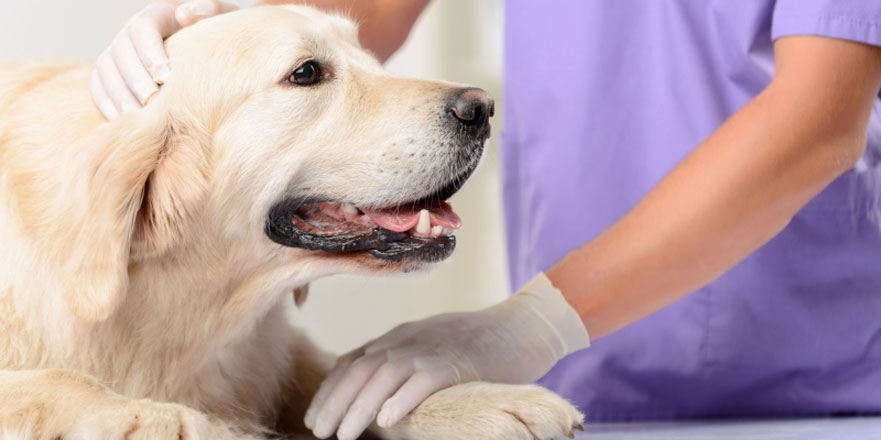
Most often, with serious liver diseases, yellow pigment appears not only in feces, but also in other tissues - the skin, mucous membranes, and eyes become yellowish.
If yellow stool is accompanied by vomiting, increased urination, thirst while refusing to eat, or more serious symptoms such as confusion or seizures, the dog needs urgent help and a visit to the veterinarian should be immediate.
Diseases of the pancreas
Light yellow stool may indicate problems with the pancreas, which may occur due to problems with the gastrointestinal tract.
Pancreatitis (inflammation of the pancreas) is a disease that occurs when the transit of enzymes produced by the gland to the duodenum is disrupted. Accumulating in the gland, the enzymes begin to destroy its tissue, causing acute inflammation and the formation of toxins.
The causes of chronic or acute pancreatitis can be different:
- a sudden change in diet or poor nutrition;
- poisoning;
- long-term use of antibiotics and other medications;
- infectious diseases;
- diabetes mellitus.
With pancreatitis, diarrhea (sometimes bloody) may alternate with constipation, and vomiting may often occur 10-15 minutes after eating. Initially, the chronic disease manifests itself as decreased appetite, weight loss, and deterioration of the coat, but as the disease progresses, all the characteristic symptoms appear.
Gallbladder dysfunction
A change in the color of a dog's stool may also be associated with gallbladder disease, such as:
- Impaired bile flow;
- Gallstone disease;
- Cholecystitis;
- Gallbladder abscesses;
- Sclerosing cholangitis, etc.
Problems with the gallbladder may be indicated by additional symptoms such as flatulence, pain on palpation, nausea and vomiting associated with gastrointestinal disorders.
IBS and IBD
If the examination rules out any other dangerous diseases, the doctor can make a diagnosis:
- IBS – irritable bowel syndrome;
- IBD is an inflammatory bowel disease.
These diseases have not yet been sufficiently studied, but scientists believe that they are caused by chronic or acute stress in animals.
Diagnosis and treatment
As you can see, there are many different reasons why a dog might have yellow or orange diarrhea, or simply an unusual color of stool. This symptom alone doesn't indicate any specific disease, so a comprehensive examination is required to establish a diagnosis, including:
- basic blood and urine tests;
- stool analysis;
- PCR test (to determine the causative agent of the disease);
- Ultrasound of abdominal organs;
- radiography;
- if necessary, endoscopy or biopsy.
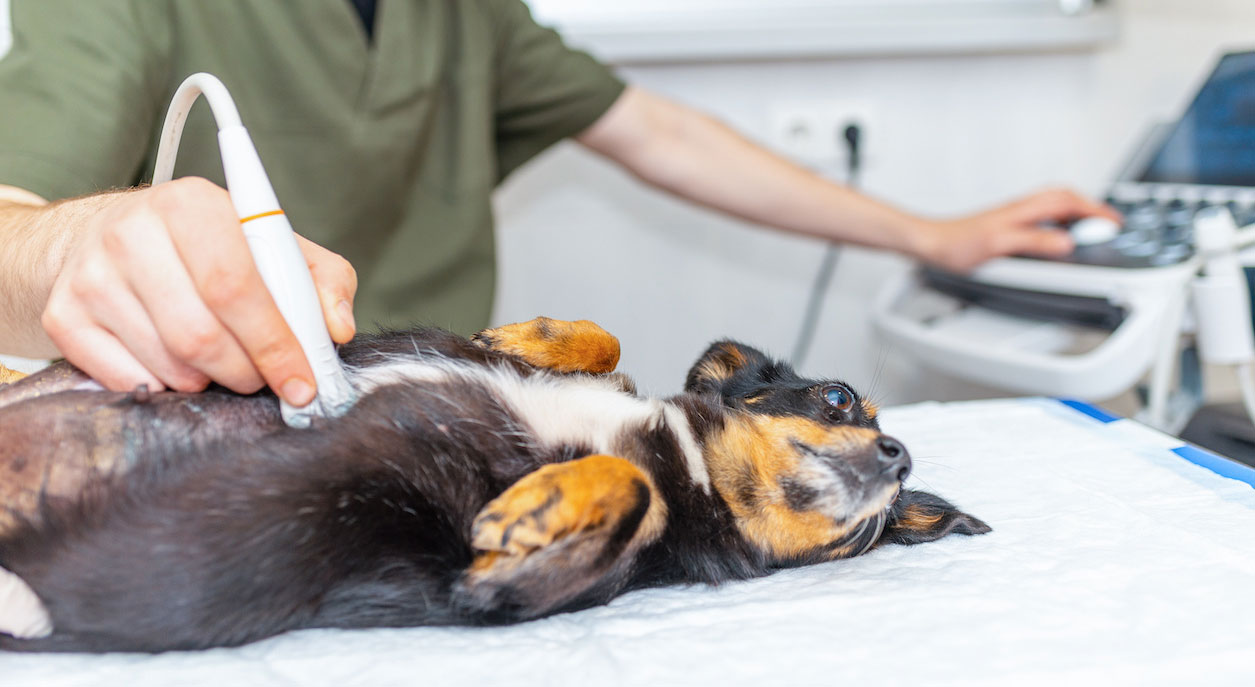
Treatment for gastrointestinal disorders depends on the underlying causes of the symptoms described above and is prescribed by a veterinarian, taking into account the diagnosis and the presence of any concomitant chronic diseases in the dog.
To normalize bowel function, the following are recommended as part of complex therapy:
- sorbents to remove toxins and stop diarrhea;
- drugs to relieve inflammation;
- food supplements to normalize intestinal flora;
- dietary food (for some diseases the diet must be lifelong).
Read also:
- Green poop in dogs: causes and what to do
- My dog is pooping mucus and blood: reasons and what to do
- Constipation in a dog


Add a comment