
The cat's eye turned white
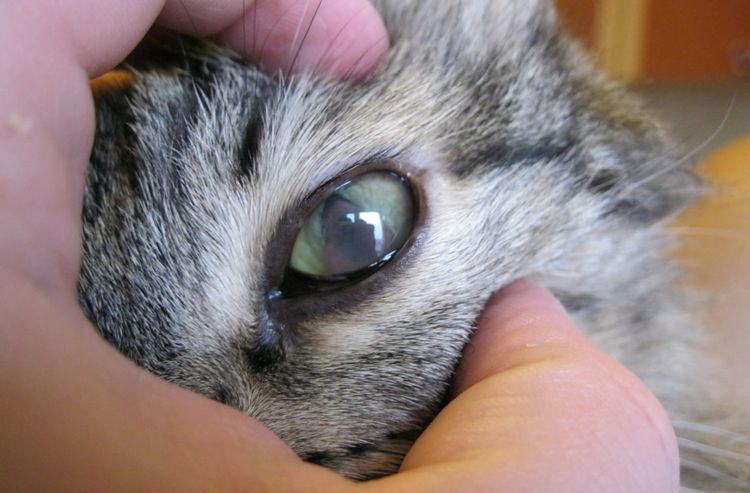
Cats are nocturnal predators, so good eyesight is vital. If you notice your pet's eye turning white, it's time to see a veterinarian, as eye diseases can lead to complete blindness.
Content
Causes of the disease
The appearance of a whitish film on the eye of an animal is associated with pathology of the third eyelid – a barely noticeable film that can only be seen when a cat blinks or when examining the animal's eyes with the head tilted. The nictitating membrane covers the inner surface of the eyelid and also protects the cornea. The third eyelid produces a third of the tear secretion: blinking washes away foreign particles and dust. The nictitating membrane is designed such that its inner surface is covered with lymphoid tissue, a kind of immunological barrier. The T-shaped cartilage helps hold the third eyelid in the correct position.
If the corner of your cat's eye turns white, it's time to find out the cause, as without prompt treatment, your pet could lose their sight completely. Third eyelid prolapse isn't a disease in itself, but is considered a consequence of certain problems in the cat's body.
- Mechanical eye trauma: a speck of dust or a scratch. In this case, a white film will appear on one eye.
- Conjunctivitis of various etiologies.
- Pathologies of viral, fungal, and bacterial origin. Infectious diseases affect both eyes, and the cat's nose may also turn white.
- Damage to the visual organ caused by chemicals.
- Parasite infestation.
- Gastrointestinal diseases (renal failure, diarrhea).
- Genetic characteristics: some breeds are prone to this problem eversion of the eyelidsThese are Persians, British, Maine Coons.
- Age-related changes: Older cats often experience decreased muscle tone and a decrease in body fat, resulting in sunken eyes.
- Damage to the T-shaped cartilage, atrophy of the facial nerve, trauma and inflammation of the upper jaw and nose.
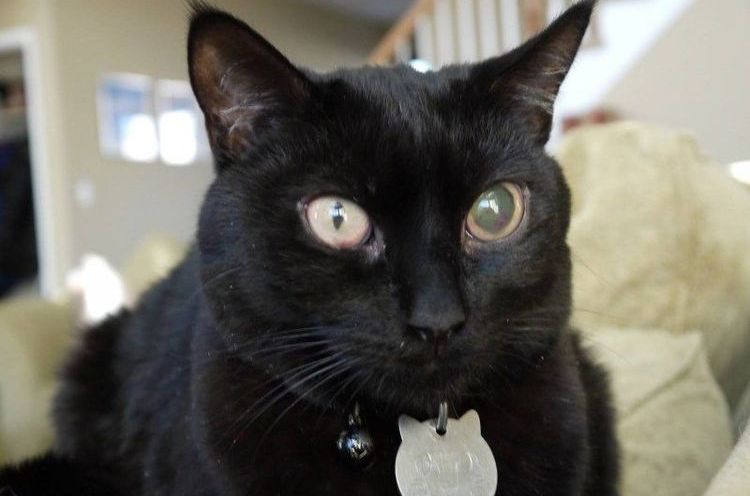
The disease will manifest itself even before the white eye appears in the cat: the animal will begin to avoid sunlight, blink more frequently, the cat will begin to rub its face and especially its eyes with its paw, lacrimation will increase, and pus may accumulate in the corners of the eyes.
What to do
If you notice a white corner of your cat's eye, it's time to consult a veterinarian. A prolapsed third eyelid is simply a sign of an underlying health issue. The nictitating membrane may return on its own, but in most cases, this condition requires medical treatment.
Important! To ensure your doctor has a complete picture of your pet's condition, do not treat your pet yourself.
The primary examination method is the use of an ophthalmoscope. The doctor examines the patient and takes swabs of tear or purulent discharge to determine the presence of infection. Treatment will be prescribed based on the test results.
- Diseases of bacterial, viral, and fungal etiology require complex therapy with antibiotics, antiviral, and antifungal medications. In advanced cases, antipyretics and immunostimulants may be used.
- For gastrointestinal problems, normalizing the diet is sufficient. Special therapeutic foods are used at the beginning of treatment.
- For allergies, antihistamines are prescribed, as well as local hormonal therapy.
- If the appearance of a white film on the eye is associated with a foreign body getting on the cornea, rinsing is performed; in severe cases, the foreign irritant is removed surgically.
- In case of mechanical damage, pain relief and local wound treatment are indicated.
Any treatment requires time, during which the cat must be given complete rest. It's crucial to complete the full course of treatment, rather than just seeing initial improvements.
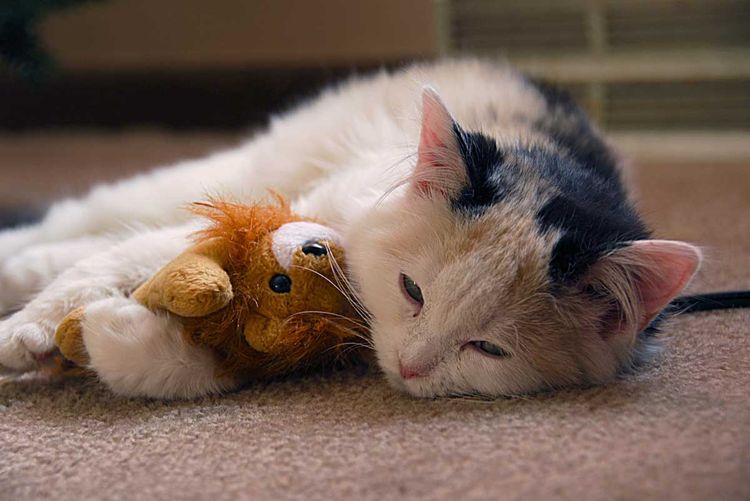
Treatment for prolapsed nictitating membranes doesn't necessarily require medication. Some cases don't require medication:
- The appearance of a white eye is associated with a weakened immune system. In this case, there will be no discharge from the eyes. Providing the animal with a balanced, vitamin-rich diet is sufficient.
- During the recovery period after a viral or infectious disease, it's necessary to regularly flush the cat's eyes to remove any exudate.
- In case of dehydration: provide your pet with water and wet food.
Preventive measures
If your cat has previously had problems with third eyelid prolapse, you can try to prevent the condition from progressing. It's especially important to know preventative measures when caring for an older cat.
- The pet's diet should be balanced.
- Regularly examine your cat after a walk to check for mechanical eye damage and foreign bodies.
- Conducting antiparasitic treatment.
- Routine examination by a veterinarian.
- Regular eye rinsing.
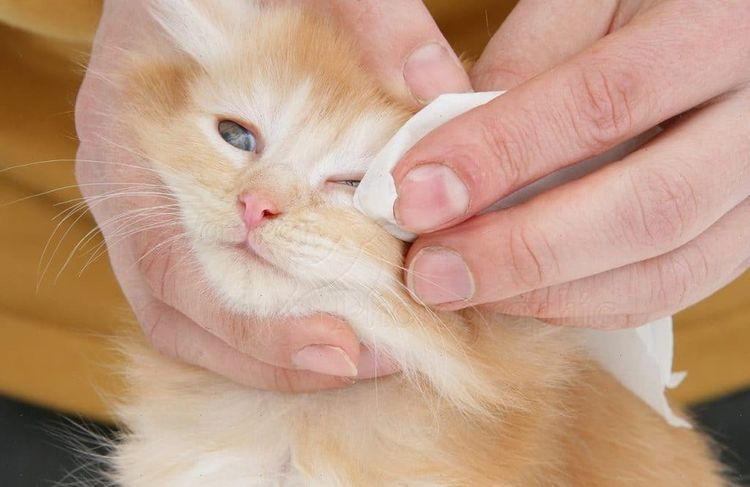
How to flush a cat's eyes
- To rinse your eyes at home, you can use a furacilin solution or regular warm boiled water.
- To prevent lint from getting into your eye, it's best to use a cotton swab. Never use cotton swabs.
- Cats usually don't like the procedure, so it's best to do it with a partner.
- To remove tear or purulent discharge, simply wiping the eye will not be enough: you will need to use eye drops or rinse with a generously moistened cotton pad.
- When instilling, you can use a regular pipette or a syringe without a needle: the animal's head is firmly fixed, and the rinsing solution is injected into the upper outer edge of the eye.
- If your eyes become sore and crusts form in the corners, you should soak them before rinsing.
- Finish the procedure by wiping with a damp disc in the direction from the outer corner to the inner one.
Similar diseases
A prolapsed third eyelid is often confused with an incipient adenoma—a benign tumor in the corner of the eye. Initially, it will appear as a film, but gradually the growth will grow, and soon the cat will be unable to close the eye. This increases the risk of developing infections of the nictitating membrane. The tumor is surgically removed, often along with the third eyelid. This helps prevent recurrences and the development of a white film on the eye in old age. However, there are also some negative consequences: frequent conjunctivitis and lack of tear fluid.
Another condition often confused with nictitating membrane prolapse is prolapse. It's associated with inflammation of the lacrimal gland, causing the nictitating membrane to remain permanently extended. This causes discomfort to the cat: the film that forms over the eye feels like an obstruction, so it constantly rubs its face with its paw. Unlike adenoma, prolapse resolves with treatment. Prolapse most often occurs in brachycephalic breeds.
Causes of cloudy eyes in cats: video
Read also:
- My cat has mucus in its eyes: what to do
- My cat is urinating with white discharge: why and what to do
- My cat has brown discharge from the eyes: causes and treatment


Add a comment