
My cat has mucus in its eyes: what to do
When a cat develops mucus in its eyes, it doesn't always indicate a medical condition. In some cases, this phenomenon indicates the animal's vision is being cleared spontaneously. However, it's important to distinguish between natural mucus in a cat's eyes and pathological processes. While the former doesn't require any special treatment, the latter requires a specialist consultation.
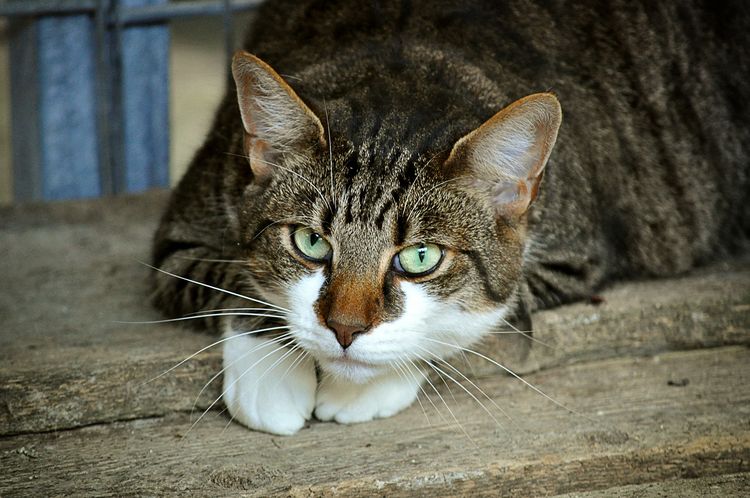
Norm
Mucus in a cat's eyes is part of the mechanism that clears the visual organs of dust and other contaminants. Cats have sharper vision than humans. This is a result of evolution and helps them survive in the wild. Thanks to their excellent vision, cats are renowned for being excellent hunters, even in the dark. It also helps them recognize danger early and react quickly.
The animal's body itself provides special care for the eyes. The secreted fluid not only moisturizes but also removes dust and small debris. Normally, a sufficient amount of tear fluid is produced in the lacrimal lake, from where it flows into the lacrimal sac via the lacrimal puncta (which act as a kind of pump). From the lacrimal sac, the fluid flows through the nasolacrimal duct into the nose, then into the nasopharynx and mouth, where it is finally swallowed.
If any component of this mechanism is disrupted, the animal experiences a pathological accumulation of tear fluid, which can lead to visual impairment.
Normal mucus discharge in an animal looks like this:
- they are transparent or translucent;
- have no smell;
- there are not many of them, and they do not cause eye irritation;
- They have a semi-liquid consistency.
Sometimes, you may notice an excess of mucus in the corners of your pet's eyes after sleep. However, this is not a medical condition, and the animal can usually manage it on its own during grooming.
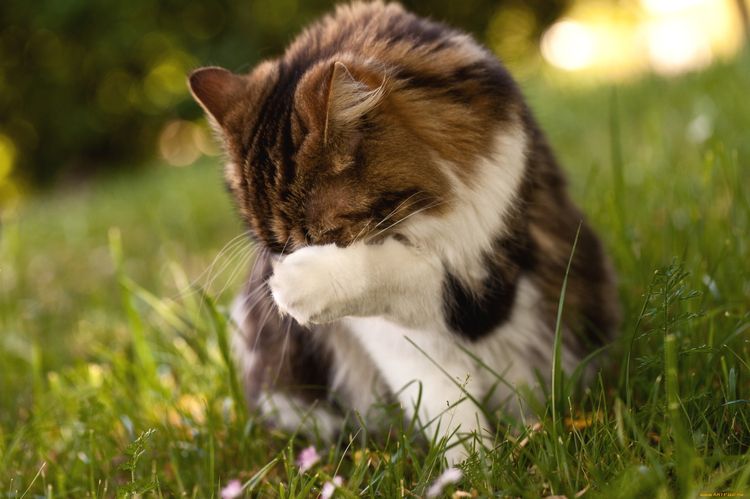
Breed characteristics
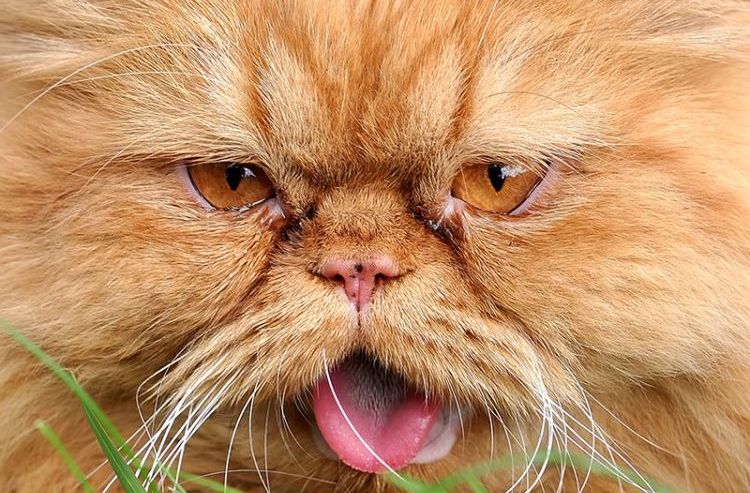
Another normal variation of increased mucus production in cats is determined by breed. This characteristic occurs in cats with a flattened muzzle. This characteristic is accompanied by dysfunction of the nasolacrimal duct and nasopharynx. As a result, fluid drainage is impaired, leading to excessive accumulation in the visual organs.
Bright representatives of these breeds are:
- "Persians";
- "British";
- Exocet;
- Scottish Fold (Scottish Fold cat);
- Pallas's cat;
- Himalayan cat.
In addition to increased mucus production, these cats may experience problems related to nasal congestion. Snoring, frequent snorting, and noisy eating are common symptoms in these breeds. Owners should carefully care for their pets and prevent the development of pathological conditions. Regular veterinary visits are helpful.
Signs of pathology
The first symptom of a developing disease or various disorders is a change in the nature of the discharge. It flows, changes color and consistency, and may develop an unpleasant odor. In this case, one can suspect the development of a disease in the animal.
Depending on the physical characteristics of the fluid, a specialist will be able to determine the type of pathology. A more accurate diagnosis will require an examination. The main signs of abnormal exudate include:
- purulent discharge of beige, yellow, light brown or light green color (with or without an unpleasant odor);
- cloudy liquid of thick consistency;
- milky mucus;
- brown or red exudate;
- a significant increase in the amount of mucus secreted with reddening of the whites of the eyes, accompanied by frequent blinking.
Important! Identifying the cause of the disease and its treatment should be entrusted to a specialist. If improperly treated, the disease will progress, potentially leading to vision loss.
Symptoms of anxiety
If any abnormalities occur, the cat's owner will immediately notice changes in the quality of the discharge. To avoid worsening the animal's condition and not miss a serious illness, consult a specialist as soon as possible if the following symptoms are present:
- the amount of discharge has increased significantly and does not go away within a few days;
- the animal has persistent crusts under the eyes;
- the fur around the eyes is wet or contains dried mucus;
- the pet constantly washes itself and rubs its eyes;
- other signs of the disease appear: loss of appetite, lethargy, changes in behavior.
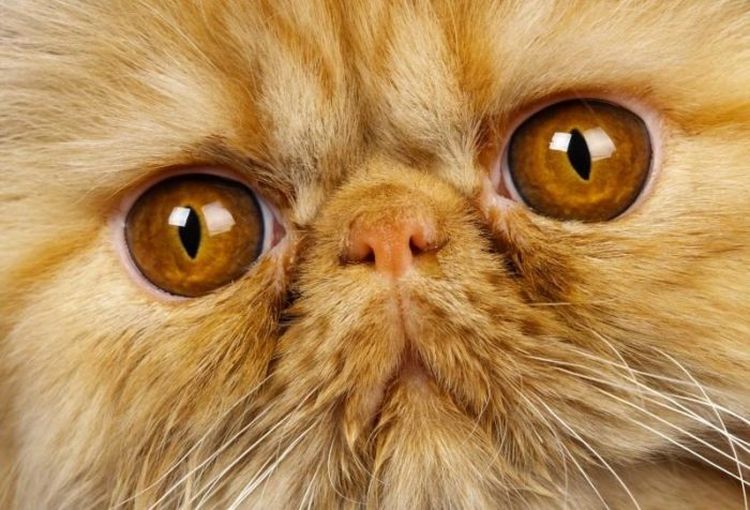
Reasons
Pathologies that are accompanied by increased lacrimation in cats are usually associated either with a blockage of tears through the nasolacrimal duct or with an increase in tear production.
Disruption of the lacrimal system, which impedes the normal passage of fluid, is most often caused by the following factors:
- congenital and acquired stenosis of the lacrimal puncta (as a result, the tear fluid does not leave the lacrimal lake in the required amount and accumulates there);
- narrowing of the nasolacrimal canal;
- consequences conjunctivitis, which can lead to blockage of the nasolacrimal duct;
- dacryocystitis (infection of the lacrimal sac);
- neoplasms of various types or inflammatory processes in the head area that affect the lacrimal system;
- the presence of foreign bodies blocking the normal flow of fluid;
- mucus plugs that are a consequence of a previous illness.
Increased exudate production may occur in the following situations:
- inflammatory processes in the eyelid area;
- eversion of the eyelids;
- conjunctivitis of various types;
- keratitis or inflammation of the cornea;
- abnormal growth of eyelashes and hair around the eyes (trichiasis, districhiasis);
- allergic reaction;
- glaucoma;
- external irritants (shampoos, litter box mixture, building materials, etc.).
Treatment
Treatment for increased mucus production in the eyes will depend on the underlying cause. In some cases, such as an allergic reaction, simply removing the allergen is sufficient. In more complex situations, it's best to seek veterinary attention.
The treatment strategy may include the following elements:
- In the case of allergies (increased tear production, redness of the eyes, photophobia), it is necessary to eliminate the allergen. This could include food, cat litter, various sprays (deodorants, air fresheners, etc.), building materials, and debris.
- In case of a bacterial infection (bacterial conjunctivitis, keratitis, etc.), antibiotic treatment will be required. These are most often prescribed as drops. An injection may also be required.
- In cases of viral infections (cat flu, etc.), antiviral medications are used, most often in the form of eye drops.
- In case of accumulation a large amount of pus and obstruction of the nasolacrimal duct will require drainage - a surgical procedure performed in a veterinary clinic.
If mucus secretion increases slightly, you can use home remedies:
- wipe the cat's eyes with a weak decoction of medicinal plants (chamomile, oak bark);
- use antiseptics that do not contain alcohol (for example, furacilin).
It is better to treat the eyes with a cosmetic or gauze swab, since using a cotton swab leaves lint, which causes additional irritation.
If excessive tearing does not subside within 2-3 days, seek medical attention. Progression of the condition will only complicate treatment and may lead to serious consequences.
How to care for your pet's eyes: video
Read also:
- How and what to use to wash a kitten's or cat's eyes
- My cat has brown discharge from the eyes: causes and treatment
- A thorn in the cat's eye


Add a comment