
Triple phosphates in urine in cats
Urine is a type of excrement, an aqueous solution containing approximately 5% of various organic and inorganic compounds. Normal animal urine is clear and light yellow. However, when the concentration of salts in it increases or the body's metabolic processes change, dissolved salts can precipitate.
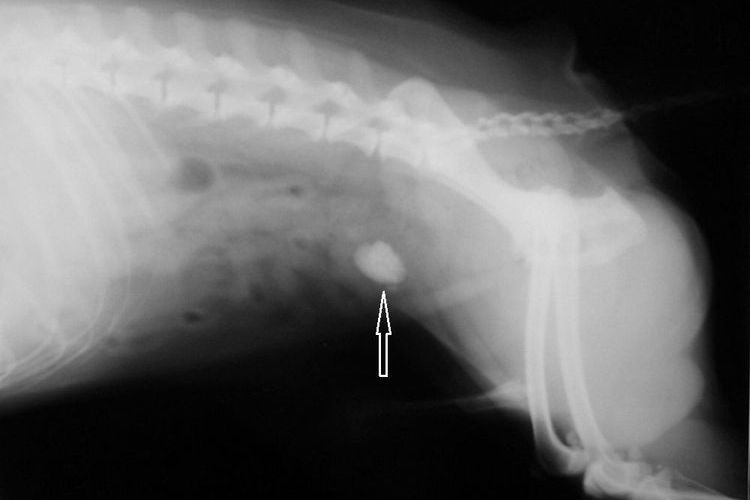
In urine with a pH below neutral, uric and oxalic acid salts crystallize more readily; in an alkaline environment, phosphoric acid salt crystals, called triple phosphates, form more quickly. These crystals can form into conglomerates (stones) and be deposited in the kidneys, bladder, or urethra. This condition is called urolithiasis (urolithiasis).
Content
What is the danger of ICD?
According to statistics, this urological syndrome is diagnosed in 10% of cats. In animals under 6 years of age, urolithiasis is most often caused by triple phosphates, while in older cats, urate and oxalate stones are most often found. Males are more likely to develop urolithiasis than females, as their urethra is narrower and longer.
Growing to a significant size, stones can block the ureter or the outlet of the renal pelvis, causing urinary retention, inflammation, and, in severe cases, necrosis of the urinary tract tissue or acute renal failure.
Causes of the disease
Long-haired cat breeds (Persians, Siberians, Maine Coons, and Bobtails) are most prone to developing urolithiasis; these breeds have a genetic predisposition to the accumulation of triple phosphates in their urine.
Changes in the composition of urine and an increase in the level of triple phosphates in it can also be caused by:
- a diet that is high in proteins and low in carbohydrates (protein foods, when digested, produce metabolites that are prone to crystallization);
- insufficient amount of water in the diet, which causes an increase in the concentration of substances dissolved in urine and their precipitation;
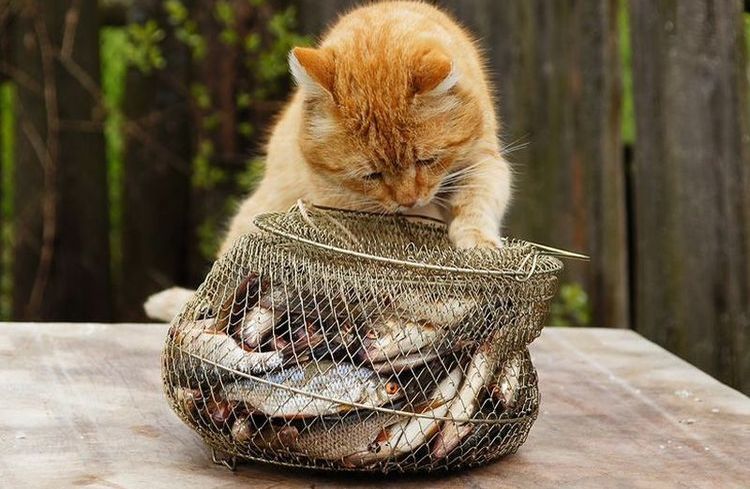
- a diet rich in fish (it contains a large amount of phosphorus); a deficiency of vitamins A and D, which regulate metabolic processes
- imbalance of acid-base balance in the body (as already mentioned, triple phosphates quickly crystallize in an alkaline environment);
- a passive lifestyle, excess weight (according to statistics, obesity and a passive lifestyle are the cause of urolithiasis in 50-70% of cases);
- early castration or sterilization of an animal, which often leads to hormonal imbalance;
- infectious diseases of the genitourinary system, accompanied by changes in urine pH.
Good to know! The idea that increased triple phosphate levels in urine can be caused by feeding cats kibble is incorrect. High-quality dry foods are balanced products with precisely calculated levels of nutrients, vitamins, macro- and microelements. Furthermore, many foods contain ingredients that prevent the formation of salt conglomerates. Just make sure your cat has constant access to water.
Symptoms
Urolithiasis caused by triple phosphates can proceed for a long time without any symptoms and is detected either during a routine analysis or when the stone blocks the ureter (obstruction).
If you closely observe your pet, you'll notice that if the urine contains large amounts of salts, it will become cloudy, contain sediment, or even traces of blood (hematuria). The cat will frequently lick the opening of the urethra, and a small swelling may develop in this area. The animal will sit in the litter box for long periods of time or urinate frequently, in small amounts, anywhere, not in the litter box (this condition is called pollakiuria). As urolithiasis progresses, the cat will lose its appetite, become apathetic, and may vomit.
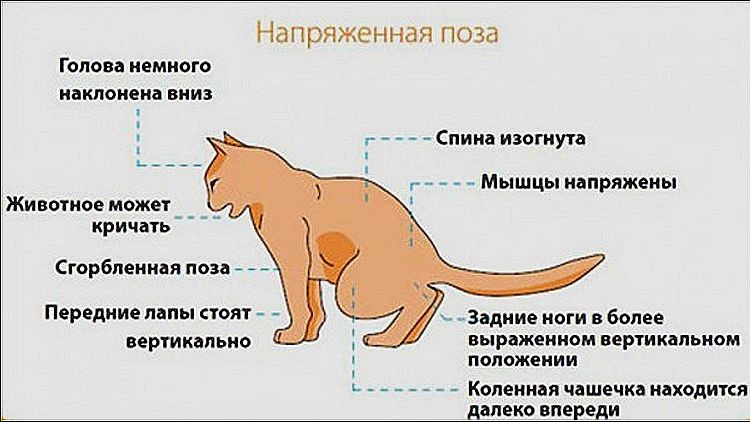
Any of these signs of ill health should be a reason to contact a veterinarian - an advanced disease can lead to the death of the animal, as toxic metabolic products accumulate in the blood, leading to uremia (acute poisoning of the body).
Diagnosis and treatment
A doctor can make a preliminary diagnosis after examining the animal and collecting an anamnesis (information about symptoms, living conditions, past illnesses, etc.). A precise diagnosis is made after receiving the results of a urine test, and if a more thorough examination is necessary, a Ultrasound or radiography.
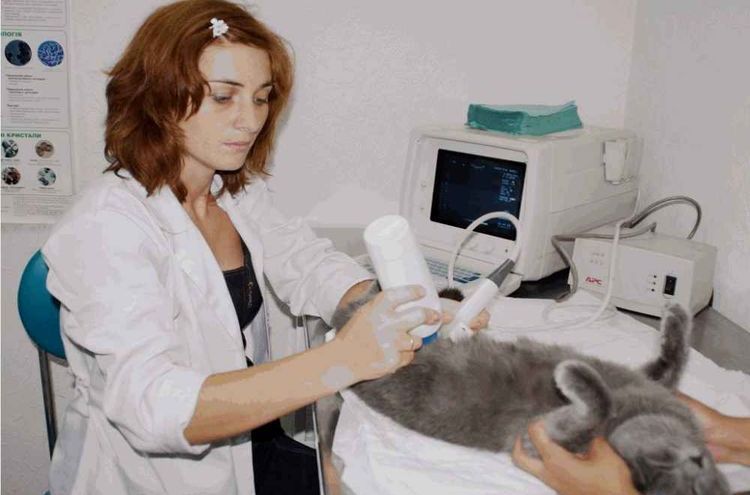
In the absence of obstruction (blockage) of the ureter, therapy for urolithiasis or nephrolithiasis (urolithiasis) that developed against the background of increased triple phosphate levels aims to:
- reducing the amount of food products containing phosphorus and calcium compounds;
- adherence to a drinking regimen that allows increasing the volume of urine;
- maintaining a neutral or slightly acidic urine pH level.
To dissolve salt crystals and loosen stones, the vet prescribes medications or herbal therapy (diuretic herbal infusions) for the cat. Small urethral plugs are usually removed with bladder muscle stimulants. If pain is present, analgesics or antispasmodics may be prescribed. If an infection is detected, antibiotics or sulfonamides, as well as anti-inflammatory drugs.
Caution! Don't try to "pass" a stone on your own with diuretic pills or herbal teas without knowing its size and location. This can only worsen the situation: the stone will completely block the ureter, and without urgent surgery, the overfilled bladder may rupture.
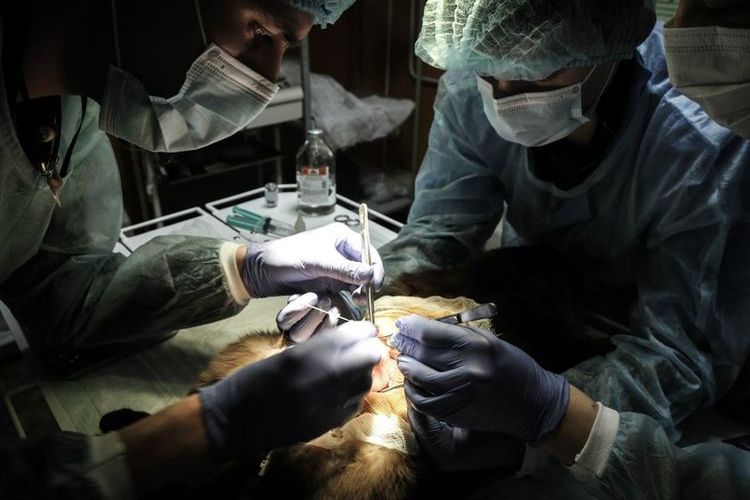
If a urethral obstruction occurs, urinary catheterization is performed. Under general anesthesia, a rubber catheter is inserted into the urethra. After the urine is evacuated, the urethra is flushed with an antiseptic solution.
In some cases, when a large number of large stones are found in a cat's bladder, a cystotomy is prescribed. This is an open surgery in which the stones are removed through an incision in the abdomen and bladder.
Prevention
Preventing triple phosphate deposits involves a balanced diet and monitoring urine pH. Testing is recommended twice a year, and a veterinarian can help you choose the right diet for your pet. It's recommended to include foods that help flush out stones and sand from the bladder, such as boiled vegetables and parsley and bearberry teas.
An active lifestyle is also crucial: exercise prevents obesity and prevents salts dissolved in urine from crystallizing and forming conglomerates. Urinary stones form if an animal "holds out" and doesn't empty its bladder on time. And since many cats are squeamish about using a litter box that smells foul, owners need to ensure the litter box is clean.
You can also ask our website's staff veterinarian a question, who will answer them as quickly as possible in the comments box below.
Read also:


64 comments
Elena
Hello, in the urine analysis of a cat (10 years old, weight 7.9 kg, British)
The urine sediment analysis showed triple phosphates-struvites, leukocytes 2+(15-20).
In urine, leukocytes 125 cells/ul++, protein 0.15 g/l, pH 6
The remaining indicators are normal.
Nutrition: chicken breast 50g-60g per day, Royal Conin Fiber for constipation at various times of the day. Water 150 ml per day.
Four days before collecting urine, the drug Gelmimax (anthelmintic) was given.
Daria is a veterinarian
Good afternoon
If I understand correctly, you're concerned about the presence of triple phosphates in urine sediment. In fact, this sediment can be detected in small amounts in urine samples. Cats' urine is very concentrated, so a small amount of crystals is normal.
Cats are naturally low-drinking animals, and the water norm for cats is 40 ml/kg, so if your cat weighs 7.9 kg, then the daily water norm is around 320 ml.
Regarding the remaining parameters, it's crucial to know how the urine sample was collected. The most appropriate method for collecting urine from cats is cystocentesis. This is when a veterinary clinic uses a puncture through the abdominal wall under ultrasound guidance to collect urine directly from the bladder. This ensures that the urine is not contaminated with opportunistic pathogens as it passes through the urinary tract, preventing it from distorting protein, pH, white blood cell, and red blood cell counts. I also don't recommend collecting urine from the litter box, as the results may also be inaccurate.
Regarding your problem, I recommend increasing your cat's water intake and performing a urine test using cystocentesis (to check for protein and white blood cells in the urine). Regarding the presence of triple phosphate crystals, I recommend additional diagnostic testing, such as a bladder ultrasound, to assess the amount of crystalluria in the bladder.
Good health to your pet!
Olga
Triple phosphates were detected in my cat's urine, pH 7.0. What food can I feed my cat?
Daria is a veterinarian
Hello!
I understand that this answer is no longer relevant, but this question often arises among pet owners after receiving the test results, so we will answer.
Triple phosphates appear in urine most often because cats don't drink enough. The recommended daily water intake for cats is 30-40 ml/kg, based on their weight.
The pH level can vary depending on the food and amount of water consumed. It also depends on how the urine was collected.
So don't rush to change the food! Adjust the water intake and have your pet have their urine tested several times to monitor the progress.
If there are no changes, then we recommend that you consult a urologist for a comprehensive examination.
We do not recommend changing food based solely on urine analysis.
We hope your cat is happy and healthy!
Yana
Good evening. We have triple phosphates in our urine. What food will help him? The vet prescribed Purina Urinary, but he won't eat it. We bought Royal Canin Urinary, and he eats it. Can we continue giving it for now?
Daria is a veterinarian
Hello!
I understand that the answer is no longer relevant, but the question is quite popular, so we’ll answer it.
All brands of Urinary food are the same, so you can feed them any brand your cat eats.
However, relying solely on urine sediment to determine a diet isn't entirely accurate. And food isn't always helpful in solving this problem.
The biggest drawback to dieting is that not all cats agree to it. However, as strange as it may seem, the most important prevention, and sometimes even treatment, for crystalluria (high levels of sediment in the urine) is simply increasing water intake.
Triple phosphates appear in urine most often because cats don't drink enough. The recommended water intake for cats is 30-40 ml/kg, based on their weight.
If your cat is drinking the recommended amount of water, we recommend checking the mineral balance in their food. Even simply changing their daily food might help.
Urinary diets are primarily used to help dissolve existing stones.
I hope you've already solved your problem and your cat is happy and healthy, and our answer will help other owners.
Vladimir
Please help me understand this situation. My cat is neutered (1 year 10 months). When he was a kitten, he had a seizure where he couldn't go to the bathroom (the vet diagnosed cystitis). After a short period of treatment, the seizures have stopped. However, the vet advised me to monitor his urine closely. We fed him Sanabelle Urinary for six months, and overall, the results were normal (pH 6, specific gravity 1.045), but one of the tests listed "non-differentiable isolated fragments" and another listed "single crystals of neutral phosphate of lime."
After that, we switched to Blitz Holistic Sterilized and the tests became worse: the pH remained the same, the density increased to 1.06, in the last test the protein became +++ (3g/l), but most importantly, in the last two tests “Triple phosphate crystals ++” were indicated.
The cat himself is fine, he goes to the toilet without any problems, drinks enough as usual, and everything looks fine on the outside.
Please tell me how scary are these "Triple Phosphate Crystals ++"?
With such analysis, is it necessary to start treatment or is it enough to change the food?
Should I change the food to regular or special veterinary (medicinal) food?
Daria is a veterinarian
Hello! First, I'm interested in whether the diet change was sudden or gradual (at least 4 days, with a gradual reduction in the amount of the old food and an increase in the percentage of the new food in the bowl)? Second, is there mixed feeding (perhaps someone is feeding natural food from the table)? Third, has the animal been under significant stress for the past month? Fourth, ideally, a blood test for biochemistry to assess kidney function is necessary. Protein in the urine is also not the best symptom. I think based on the test results, you will be recommended to switch to a therapeutic food.
Tatiana
Good afternoon
The cat is 2.5 years old, neutered early (at 8 months, I can’t say exactly, we took him from the street).
9 months ago he couldn't pee, every five minutes he sat in the litter box and peed drop by drop.
There were struvites and blood in the urine, we treated him and fed him Hills s/d for six months.
Four months ago, we did a urine test: there were no struvites, but there were a lot of bacteria (the doctor said it was from the unsterile litter box). We continued feeding him the same Hill's formula, but his mom constantly supplements him with chicken breast (I can't wean her off it!) and Felix soup.
A week ago we switched to the previous food (Velkis sterilized) and did a urine test again: now it’s Triple Phosphates ++, the cat is VERY restless, cries at night (doesn’t let him sleep), but he’s had this since puppyhood, that’s why he was neutered early, we thought he’d stop – it didn’t really help.
They tried to do an ultrasound twice during this time, but he's already figured out what a vet is. He bit my finger—I spent two months treating him, and he bit right through it. They'd done an ultrasound once before (the cat didn't know about it then), but the vet couldn't see anything because his bladder was empty.
The cat drinks VERY LITTLE (for at least a year now), even though there are bowls of water all over the apartment. He's been nervous and cranky for the last year. And we haven't had a good night's sleep for two and a half years.
Over these 9 months I have been to three clinics, no one can say anything definitively.
Please advise what needs to be done so that the cat doesn’t suffer and we stop worrying about the uncertainty.
Daria is a veterinarian
Hello! The first thing you need to establish is a balanced, proper diet. Avoid adding table scraps. Chicken breast is high in protein, and high protein always puts stress on the kidneys. Furthermore, mixed feeding should only be used when everything is balanced. For this purpose, specialized nutritionists select natural foods based on your pet's parameters, their illness, and the commercial food they're using (including calculating their weight). Second, you need to get your pet to drink plenty of water. Some cats use a tricky method, adding a little succinic or citric acid to slightly acidify the water. Some cats prefer to drink from large bowls, while others prefer running water.
My 16-year-old cat only decided this year that she'll only drink running water. Running to turn on the faucet is unrealistic, so we bought an automatic waterer with a fountain. As a result, the two cats now drink about half a liter of water every time they tap; before the fountain, they couldn't even manage 300 ml per day between them. The litter box also shows that they're drinking a lot of water. Clumping litter shows how many times the cats have urinated and how often they've used the box. Third, you should switch completely to a therapeutic diet (for animals with urolithiasis).
Eve
Hello.
I am also friends with you, “luckily having a cat”, with the ICD weighing less than 5700, everything is based on his weight.
1. What the doctor told me about her not drinking: Give her at least 100-150 ml daily with a syringe. Better yet, 200 ml if you have someone to give her fluids throughout the day.
2. Miralek Milodzhik URO per weight 5700 2/3 of this tablet
3. Cornam 2.5 1/4 or 5 mg 1/6
4. For pain, take 5 kg/700 g of 1/10 spazgan or spazmolgon during an exacerbation.
5.cotervin 1 ml daily.
6. Folic acid 1/4 tablet.
7.Diet nutrition
Urine testing once a month
If a delay is suspected, the X-ray image is enlarged to determine the presence/absence of stones.
Further, depending on the circumstances
Vladimir
Hello! Please help me understand the urine analysis of my cat (1 year 9 months, neutered).
Color (urine) dark yellow
Transparency of suspension, transparent
Relative
density 1.052
Reaction pH 6
Protein + (0.3 g/l)
Sugar is negative
Nitrites negatively
Ketone bodies are negative
Bilirubin is negative
Blood pigments are negative
Cylinders -
Leukocytes (urine) -
Erythrocytes -
Squamous epithelium 0-1
Transitional epithelium -
Renal epithelium -
Triple phosphate crystals ++
Bacteria Cocci single Rods single
No mushrooms were found
Mucus (urine) not detected
Traces of fat
No sperm detected
Six months ago we took a test, the result was similar, only the urine was simply yellow without suspended matter, the density was 1.045, and instead of triple phosphate ++ there were single crystals of neutral phosphate of lime.
Please tell me, should I do anything with these tests?
My cat was once diagnosed with cystitis (urination issues), but has had no further problems since treatment. He's active, drinks plenty of water, and has no appetite issues.
We had an ultrasound six months ago and found nothing.
We are now feeding Blitz Holistic Sterilised on a regular basis.
Should I change the food?
Daria is a veterinarian
Good afternoon
The test results are always up-to-date, so we apologize for not noticing your cat's perfect urine test results earlier.
In fact, despite the suspended matter, the results of this urine analysis are quite good.
The only comments are the increased density (ideally the density is no more than 1.030), there is a possibility that the cat has not gone to the toilet for a long time, or that he drank a little less than usual that day.
This type of urine analysis does not require a change of food, especially if the cat likes the food and it does not cause digestive problems.
Continue to maintain sufficient water intake and problems with the urinary system can be avoided as much as possible.
Good health to your pet!
Tatiana
Good evening! My cat is very young, just 1 year and 2 months old. I found blood on his sleeping litter, and his urine was red once. We did a urine test. pH 7.0, protein 3d/ml, leukocytes 500/ml. Microscopic examination of the sediment showed urinary epithelial cells 2-3 vp, erythrocytes>vp, triple phosphate salts 3-5 vp, no leukocytes. I asked the vet who did the tests how to treat the cat. And then I started having trouble understanding. She said to treat for oxalate salts. But triple phosphate salts were found in the urine... These are struvites... I bought Vasya URO-URSI, ROYAL CANIN URINARY S/O, what should I treat my cat for, oxalates or, as I understand it, struvites?
Daria is a veterinarian
Hello! Is it possible to retake the urine sample at a different lab? A human lab is a good option (many are already taking on animal testing). Let the human lab give a proper conclusion about what's actually in the cat's urine (don't tell the vet that you'll be taking the sample elsewhere; just look it up for yourself and then make a decision). It wouldn't be a bad idea to also have an ultrasound of the kidneys and bladder to assess their condition. A lavage or, in the worst case, surgery to remove the stones may be necessary.
Eleanor
Good afternoon! On March 10, 2021, my 3-year-old neutered cat had his first episode of urolithiasis. At the clinic, they catheterized his urine, a small stone fell out, and prescribed ceftriaxone, etamsylate, and papaverine injections. We are currently receiving treatment. He is lethargic, has a poor appetite, and is not drinking water. He urinates in his diaper (no blood in his urine).
Test results: pH 8.5, protein 2, glucose+, density 1.036, leukocytes, erythrocytes, cocci++, triple phosphates++.
Could you tell me if I need to take the cat to the clinic again? When can I remove the diaper? Should I force-feed him? What food do you recommend? Thank you.
Daria is a veterinarian
Hello! If you have urolithiasis, it's essential to drink plenty of fluids! Sand and stones need to be flushed out of the bladder, so plenty of fluids are essential. Choose super-premium or holistic food (depending on what's available in your area). Definitely avoid Whiskas, Kitekat, and other chemicals. Royal Canin, which comes in loose form, isn't the real European brand (if you do buy Royal Canin, only the real French variety in small packages). Hill's and Acana—there are a huge selection. Your cat may need an IV to support him. If he's not drinking well, try wet food; that way, he'll get some fluids. However, clean water is essential.
Eve
Hello. I'm also friends with you, fortunately having a cat. ICD
1. What the doctor told me about not drinking is: Give her at least 100-150 ml daily with a syringe. Better yet, 200-300 ml if someone is available during the day. 2. Miralek Milodzhik URO, based on weight 5700, is 2/3 of this tablet.
3. Cornam 2.5 1/4 or 5 mg 1/6
4. For pain at 5 kg 700 g, 1/10 of spazgan or spazmolgon. 5. Kotervin 1 ml daily.
6. Folic acid 1/4 tablet.
7. Diet. Urine testing once a month. If a delay is suspected, an enlarged X-ray is taken to determine the presence/absence of stones. Further, depending on the circumstances.
Doctors will prescribe treatment
Valentina
Date: February 15, 2021
Card 12688
Owner Orlova
Animal cat Dusya
Clinical urine analysis
density 1030 epithelium:
pH 6.5 flat multilayer single
protein g/l 1 transitional —
glucose mmol/l - renal -
ketones mmol/l - leukocytes 1-2
urobilinogen mmol/l - erythrocytes -
bilirubin mol/l — cylinders —
blood erythrocytes/ml - single triple phosphate crystals
ascorbic acid mcg/ml - microflora ++ (cocci)
mucus
+ spermatozoa -
bile pigments -
fat -
These are bad tests, how can I treat them?
Daria is a veterinarian
Hello! You'll need to retake the test. The results aren't particularly bad. Isolated triple phosphates and mucus aren't critical. Start by reviewing your diet, adjusting it to prevent urolithiasis, and drinking more fluids. Antibiotics only when indicated (after titrating the sensitivity of the detected cocci to a specific drug). Drink plenty of clean water. Was the urine collected by urinating naturally or through a catheter? If by urinating naturally, the cocci may not be in the bladder at all, but in the urethra, which would significantly simplify the situation.
S. Konkevych
Good afternoon,
Our elderly cat (14-15 years old) has a urinary problem: she takes a long time to use the litter box, has difficulty walking, and her urine is often red afterward. We've been to the vet for blood and urine tests, and they found a high white blood cell count, but her Sochi test is normal. The vet previously administered an antibiotic injection and then prescribed pills, which resolved the problem. Now, she's recurring more frequently, and the pills help for 3-4 days. What could this be?
Thanks in advance,
S. Konkevich
Daria is a veterinarian
Hello! Well, the blood test clearly shows inflammation. But did they really find anything in the urine test? What if you say the urine is red? There should definitely be hematuria and red blood cells (at least a few). What are you feeding? Have you had a bladder ultrasound? I'd like to rule out urolithiasis or confirm cystitis. What exactly are they prescribing (what pills and which antibiotic)? What are you feeding your pet? How is he drinking? Have you tried No-shpa/papaverine/drotaverine (as an antispasmodic)? Etamsylate/Dicynone to stop capillary bleeding?
Ulyana
Hello. Could you please tell me what food to feed my cat? The vet didn't tell me. They said it's urolithiasis. They prescribed Sinulox for 10 days, 1 tablet twice a day. Horsetail for 2 weeks, 6-8 ml, 3-4 times a day.
Here is the result of a general urine analysis:
pH 8.0
Protein + 0.3
Le +++
Hb ++
Microscopy of sediment:
Red blood cells in large quantities
Leukocytes in large quantities
Triple phosphate crystals in large quantities
Epithelium MVP1-3 in p…
Cylinders and bacteria do not become viral.
That's all.
Please help me with whatever you can. Thank you so much in advance. I don't know what food to buy now or what to feed him at all. He used to only eat dry food and Friskes liquid.
Daria is a veterinarian
Hello! Definitely not Friskies! Throw it away immediately and never give it to your pet again unless you want a relapse (also avoid feeding Kitekat, Darling, or other cheap foods). Choose a super-premium or holistic food from the Urinary series. There are plenty of manufacturers (check the country of origin: Europe and Canada are best). Feed it for 2-3 months, then retest. Give more water. If he's not drinking well, give him wet food instead of dry. Without sufficient moisture, treatment will be useless. For the first 24 hours, you can give him No-Spa/Papaverine/Drotaverine or other antispasmodics to help urine flow from the inflamed bladder and help remove sand. Keep the antibiotics on.
Liana
Hello, my cat is sick. We went to the vet and were diagnosed with cystitis. Milo spent a long time in the litter box, getting everywhere. We did a urine test and found struvites, a pH of 7.5, protein, and cocci. I'm giving him injections twice a day: No-Spa, 0.5 ml, 5-Nok, 1/4 ml, Furadonin, 1/4 ml, and Kotervin, also 3 ml, twice a day. We bought Urinary CD food. I don't know what to do now, how long will the treatment last? Please tell me what to do next. My cat is a year old and neutered. We also gave him hemostatic agents when he peed blood, also with 0.4 ml injections.
Daria is a veterinarian
Hello! My cat doesn't have cystitis, but urolithiasis (struvite stones in the urine and blood). You didn't say how long you've been treating him. A kidney ultrasound would be helpful, as protein was detected in the urine, and this would also rule out kidney inflammation. You could switch him to a s/d food for about 2 weeks, then to a c/d. The former is "harsher," so don't let him eat for a long time. If there's no effect within 5-7 days of antibiotic treatment, you'll have to switch to a different type (this one may not be effective). However, it's important to understand that recovery from urolithiasis isn't quick.
Ali
Good afternoon. This morning I collected some urine from my cat in a syringe and there was white sediment in it.
I'm trying to run my fingers through the sediment, but I can't feel it, as if there's nothing there. But there's no sediment. We had tests done a week ago, and our protein and white blood cell counts were elevated. The cat is peeing normally, and today he peed normally, without any problems. What could it be? If there was sand, I think it would have made itself known, especially since we had tests done ago and there weren't any crystals. Well, we wash the litter trays well and don't add litter, but he still pees in there. What do you think?
Daria is a veterinarian
Hello! Well, if protein and leukocytes were found in the urine, then there is clearly an inflammatory process in the genitourinary system. An ultrasound should be performed to rule out kidney damage. A blood biochemistry panel is also necessary to assess kidney function. The white suspension in the urine is most likely more proteins and leukocytes, plus mucus and exfoliated epithelium. What else was found in the previous urine analysis besides protein and leukocytes? What is the animal being fed? And don't collect urine from the litter box for analysis, since you won't be able to ensure its sterility.
Katerina
Thank you for being with us.
Help, what's wrong with the test results and what should I do? My cat is now 2 years old; she gave birth and was spayed when she was a year old. We adopted her from the street, and the doctor determined her age.
Urine
Color: yellow, transparency: incomplete, specific gravity: 1.012, reaction: acid-base, 9.5, protein: traces, n, g, ket, ur, bil: negative.
Sediment - leukocytes - 15-20%, erythrocytes - 5-10% fresh and altered, no ciliary deposits, epithelium - 4-6%, struvites - +++, no bacteria, mucus, no fungi.
She was urinating blood in the wrong places, I gave her nitroxoline, no-shpa, bearberry for a couple of days... now we're giving her healthy kidneys for cats, food for sterilized cats with ICD.
Prescribed after urine analysis: urinovit 1*1p 7 days, bayptril 0.3*1p 5 days, monde urinari steril.
What does your experience say? Please help.
Daria is a veterinarian
Hello! It's not that bad, the acidity isn't very good, but this can be addressed with diet. Give preference to wet food, or encourage your cat to drink as much as possible (this will encourage more urine production, allowing your pet to urinate more often, thus flushing sand and small stones from the bladder). Furthermore, the more moisture the body receives, the more urine it produces, the less concentrated it is, meaning it's less irritating to the bladder walls. Have you had an ultrasound of the kidneys and bladder? A blood chemistry panel? If you don't know the size of the stones, surgery may be necessary to remove them (they don't dissolve completely, but only partially disintegrate and are excreted in the urine).
Alena
Hello. Could you please tell me how I can help my pet?
My cat is 11 years old. She's not spayed. She weighs 2.5 kg. She's had a poor appetite for six months. We've fed her wet food, like Felix, her whole life. For the last year, I've been feeding her premium food, like Gym Cat canned food.
Over the past week, my cat's condition has worsened. She's lethargic and sleeps constantly. We consulted a vet. Preliminary diagnoses included cystitis and chronic kidney disease based on a complete blood count, an autopsy, and biochemistry. After the injection, blood appeared in her urine. She thrashes about before going to the toilet. She meows. We received 6 infusions of Trisol, 80 ml each. (The blood in the urine disappeared, and the urine became lighter). 3 injections of Meloxicam. (After this, the cat was lethargic.) 2 injections of No-Spa (after No-Spa, the pain subsides, and she no longer meows before going to the toilet). Sinulox, 50 mg tablets, twice a day. We've been taking this for 4 days. I notice that when the effect of the injections wears off after about 20 hours, the cat begins to breathe intermittently, and shudders when breathing, as if in pain. Another symptom is that the cat sometimes falls into a deep sleep, rolls its eyes, and doesn't respond to anything. This only happened once in a while before, and I couldn't wake it up.
The ultrasound noted a large ovarian cyst and an anechoic area in the right kidney that couldn't be differentiated. They also mentioned a fluid-filled area in the uterus that could be the beginning of pyometra. Ultimately, the prescriptions were unchanged. They told me to monitor my condition. Overall, things aren't getting any better.
Could you please advise on the available results? What should I pay attention to, and what are the possible treatment or diagnostic strategies?
OAM
Color: red yellow
Transparency: cloudy
pH: Slightly alkaline
density: 1010
protein: 0.330
hemoglobin: +++
epithelium: renal 2-3 in the field of view, urinary 5-7 in the field of view.
leukocytes multiple with signs of phagositosis+
erythr. pl.
hyaline casts 1-2-0
mucus ++
triple phosphate salts
bacteria +++
UAC
hemoglobin 89 (90-150)
color index 0.3 (0.65-1.1)
erythrocytes 7.5 (5-10)
lake 3.6 (6-15)
platelets 413 (300-630)
eochondrophiles 2 (2-6)
band 20 (0-3)
segmented 47 (35-75)
lymphocytes 29 (20-55)
basophils 2% (0-1)
ESR 2 (5-15)
Biochemistry
ALT 85 (0-40)
AST 42 (0-40)
ob.billir.12 (0- 6.8)
urea 18.33 (5-10)
creatinine 212 (40-150)
glucose 7.6
slot phosphatase 59 (0-100)
potassium 5.2 (3.6-5.8)
phosphorus 1.43 (1.1-2.8)
calcium 3.03 (2.2-2.9)
Total protein 69 (54-72)
according to ultrasound:
Urinary - the wall is smooth, not thickened 0.11
urine is echo-transparent
Kidneys are oval in shape, with smooth, fuzzy contours. The parenchyma is diffusely hyperechoic, and the kidney diameter is pronounced. Right kidney is 3.04 x 1.69 cm, and the cortex is 0.29 cm.
left 3.30*2.00, cortex 0.28
In the vascular layer of the right kidney, a hyperechoic area of irregular shape measuring 0.36*0.22 cm is visualized, having an active shadow.
spleen not increased thickness 0.56 cm
the stomach is unremarkable, the wall is not thickened. 2.8 cm
Pancreas: homogeneous, anechoic, irregular, oval, not enlarged. 0.53
intestinal wall not thickened, duodenal ulcer 2.2 mm
mesenteric lymph nodes are round, homogeneous, anechoic, up to 1.5 cm in diameter
The liver is not enlarged, the contours are even and clear, uniform with fine grain
Gallbladder - round, not enlarged, wall of medium echogenicity, not thickened, lumen anechoic
The lumen of the uterus is dilated, with a diameter of 0.57 cm, the horns are not visualized, the wall is smooth, the cavity is anechoic,
The left ovary is represented by a rounded anechoic structure with a clear outline, diameter 0.61 cm, the right one is 0.79 * 0.43 not enlarged, the structure of the right one is uniform, hypoechoic
Conclusion: ultrasound signs of follicular cystic ovary, endometritis, diffuse changes in the renal paranephrome, right-sided nephropathy (differentiation between renal stones and vascular wall calcification).
Could you please advise me based on the current results? Our prescriptions haven't changed. The cat's condition isn't improving without IV fluids and antispasmodics.
Daria is a veterinarian
Hello! Have you had your urine tested again? They just didn't show anything next to the triple phosphates: no minus or plus. There are a lot of bacteria. Have you done a bacterial culture or antibiotic sensitivity titration? Maybe this medication isn't working (the bacteria aren't sensitive to it), but in your case, you need to choose one that doesn't have nephrotoxic properties (don't damage the kidneys). No-shpa helps relieve spasms, meloxicam relieves pain. In principle, the regimen chosen is not bad. But we need to think about the cyst. We'll have to monitor it dynamically. Oh, it's a shame that she's an older cat. If they'd removed the ovaries and uterus, half the problems would have disappeared right away. And for the future, Felix food is no better than Whiskas/Friskas/Kitecat. It is often the cause of urolithiasis. Switch to wet food from the Urinary series, as the pH is alkaline, it needs to be slightly acidified.
Alena
Daria, thank you for your answer.
Single triple phosphates.
We need to get a bacterial culture, even though we've already taken 7 days of Sinulox. We've been given 7 subcutaneous infusions and 1 intravenous infusion, 6 days of No-Spa, and 3 days of Meloxicam.
The cat's appetite has improved slightly, but overall she's not feeling very well. I'm shaking. Six days of No-Spa and three days of Meloxicam.
We were advised to have an ultrasound done because my uterus is large—they'll have to check it closely for a suspected pyometra. If they find one, they said they'll perform a hystero-oophorectomy.
I'm worried that my cat is getting older and has kidney problems. How much does this increase the risks of surgery?
And how urgently is it advisable to do it? Or can we try to stabilize the cat's condition and lower the creatinine with IVs? (She's just very stressed when the catheter is inserted and during infusions.)
Daria is a veterinarian
Hello! If your pet has pyometra, surgery is urgent! Otherwise, the uterus may rupture due to the large amount of pus, spilling into the abdominal cavity, leading to profuse internal bleeding and peritonitis. In rare cases, drug therapy for pyometra is used (the regimen is strict, and the necessary medications are not always available). Any pathology of internal organs can lead to complications during anesthesia or after surgery. Unfortunately, when weighing the risks, the chances of death from sepsis are much higher with pyometra than from surgery.
Alena
Can an ovarian cyst cause pain and be the cause of poor health and refusal to eat?
Daria is a veterinarian
Hello! Pain may occur if the cyst is compressing nerve endings (if it's large). This may cause changes in well-being, as it's painful. If the pain is constant and severe, the animal may refuse to eat. Surgery or hormonal therapy can help remove the cyst. Painkillers can help if the condition is severe. Do not force-feed the animal.
Emilia
Hello! My cat has a long history of urolithiasis. We undergo periodic treatment. Today we re-tested our urine, and the results are as follows: pH 6.5. Clarity: opaque, bacteria +++, triple phosphates ++. The rest of the data is normal. We are on Sanabelle Urinary food; before that, we were on Hill's C/D, but it caused diarrhea. An ultrasound shows a large amount of sediment in the urine. Should we change the food? What should we do? How can we get rid of this sediment, or will it persist? The urine test for August showed no sediment at all, the vet says this is common. The results for August showed cocci ++, mucus +, triple phosphates +, pH 6.5, and the rest of the data is normal. My cat periodically uses the litter box frequently, and an injection of No-Spa has been helping.
Daria is a veterinarian
Hello! No-shpa will certainly help. It's an antispasmodic, it relieves spasms and promotes urine flow. Meloxicam can be used as a pain reliever and nonsteroidal anti-inflammatory (provided there is no renal or hepatic failure). Antibiotics are essential (but before antibiotic treatment, titrate the isolated microorganisms from the urine for antimicrobial susceptibility). You can try adding (I repeat, adding, not completely replacing) folk remedies: bearberry or pol-pala decoction, knotweed infusion, or madder extract (many people find it helps quickly remove sediment). It's good to know the pH is within normal limits. Have you had your bladder irrigated? Catheterize and flush with antiseptic solutions; maybe that will help flush out at least some of the sand.
Julia
Hello, our cat was diagnosed with urinary stones a year ago. He started peeing with drops of blood (for some reason, in the bathroom). We gave him 4 ml of Kotravin twice a day for a week, and everything went away. At that time, we were feeding him Club 4 Paws for sterilized cats. After that, we started feeding him either Minkas (Hippie Cat, Germany) or Brit Care (Czech Republic), also for sterilized cats. Well, now it's started again. He started peeing in the bathroom again (well, this time without blood), and one evening he started screaming loudly and that's it... It all started... He peed all over the apartment in little puddles. On the very first day after he started screaming, we started giving him Kotravin, also 4 ml twice a day. We did a blood test (the test was handwritten, I'll write it down as best I can).
Color: light yellow
Transparency - moderate
Weight-m/m
The reaction is sharply alkaline
Protein (g/l) - 0.72 g/l
Ketone bodies were not detected.
Erythrocytes - 25-30
Leukocytes-2-4
Epithelium - (something there) in places
Mucus - moderate
Salt-tripelfosfakh (either easy or a lot - I don’t understand what’s written)
The vet prescribed us:
Kotrevin 4 ml 2 times a day, 10 days
Contaris compositum - 1 ml 1 time per day subcutaneously, 15 days
Sinulox 50 mg - 2 tablets / 2 times a day, 5-7 days
Gamavit - 2 ml 1 time per day subcutaneously for 5-7 days
Royal Canin Urinary cat food - 3 months
We've already finished the main course of treatment and given him injections... The only treatment left is Contaris compositum and food. The cat continues to periodically go to the toilet all over the apartment and even yesterday he was screaming again... ((( Various puddles, both large and small... What else can we do to help him? And how can we train him to go to the toilet only in the litter box again? He's a 5.5-year-old neutered British cat.
Daria is a veterinarian
Hello! There's a clear inflammatory process (red and white blood cells in the urine, plus a small amount of protein). Triple phosphates indicate the onset of urolithiasis (essentially the same thing as sand). Why didn't you prescribe No-Spa/Papaverine to relieve urinary spasms? Gamavit is just an extra hole in the animal (look at how much "useful" it is: essentially a drop of vitamins in a bucket of water). It would be better to replace it with other vitamins, but with cystitis, you need to be careful (cystitis is a consequence of urolithiasis). It would be a good idea to re-examine the urine and complete blood count. Antibiotics may also be needed. Dicynone/Etamsylate, No-Spa/Papaverine would be helpful. As for litter training, the cat will start on its own once it recovers. I'm not an animal psychologist, so I can't retrain it, especially not remotely. I'll just say, don't change the food! Choose one and feed it with it. Now we need one from the Urinary series
Irina
Good afternoon, my 7-year-old domestic cat has the following urine analysis results: transparency: cloudy, pH 8.0, brown color, specific gravity 1.005, protein 10.0, blood and blood pigments +++, squamous epithelium units, leukocytes 1-2, erythrocytes all in the field of vision, mucus +, triple phosphates +++. Ultrasound results: the bladder is overflowing, the contents are heterogeneous, there is a significant amount of finely echogenic suspension and hyperechoic sediment, creating an echoacoustic shadow. The wall is not thickened, the bladder orifice is dilated. We could not examine the kidneys due to the overflowing bladder. There is a lot of sand in the bladder. A catheterization was performed. Three days passed, then we removed it, but the cat still doesn't go to the toilet, or rather, only a little bit. We prescribed a diet and Marfloxacin tablets - half a tablet a day for 7 days, and a single injection of papaverine. Please tell me what to do next?
Daria is a veterinarian
Hello! The test results are very bad, clearly not only urolithiasis, but also kidney inflammation (urine is probably the color of meat slop). Have you had the bladder flushed? Papaverine/No-shpa should be given 3-4 times a day to relieve spasms and allow the animal to empty the bladder. Add meloxicam as a nonsteroidal anti-inflammatory and pain reliever. Dicynone and Trichopolum are good for bladder disinfection. Marfloxacin is a good medication, suitable for cystitis. Have they advised changing the diet? Don't self-medicate, as many medications (human ones) are harmful to the kidneys, and they are already weak.
Natalia
Hello.
Female cat. 2.5 years old, spayed a year and a half ago.
We fed her PRO PLAN for a year and a half, but she ate poorly and refused. In May of this year, we gradually switched her to NOW. She started eating. BUT!!! She won't go to bed without a piece of fresh meat!!! This is probably our fault.
Recently, we noticed some leakage in the places where I was lying. Once every 4-5 days.
We took a urine test:
Protein - 3
pH - 7
Transparency - cloudy
No visible sediment
Leukocytes are single in the field of view
Single squamous epithelium in the field of view
Transitional epithelium is single in the field of view
Triple phosphates 2-3-0-3-3 in the field of view
Fat +++ in the preparation
Mucus + in the preparation
Cocci + in the preparation
The cat is behaving well, but mostly lies down. She goes to the toilet once a week, it has always been like this.
We haven't had an ultrasound, but we're planning to.
What's wrong with the cat?
We consulted a veterinarian and they told us about the ICD.
How to treat? Is the condition advanced?
What food should I give now?
Can we continue eating our NOW?
Thank you.
Daria is a veterinarian
Hello! Get an ultrasound; it will reveal how advanced the situation is. It's not just urolithiasis, but also cystitis. Antibiotic therapy will be necessary because there are cocci. The kidneys also need to be examined on ultrasound; I don't like the protein in the urine and the cloudiness. Didn't the doctor prescribe treatment after the diagnosis? The cat food should be selected for cats with urolithiasis or urological syndrome, or kidney pathology (the ultrasound will show it more clearly, and the diagnosis will be clarified).
Natalia
The doctor prescribed antibiotics and medicated food for my cat WITHOUT examining her. I asked about Kotervin, and she added Kotervin with a "Hurray!" She also recommended adding salt to her food to encourage her to drink more!
This happened the day before yesterday in another city. Today we went to the local vet and had an ultrasound of the kidneys, liver, and bladder. They said the bladder is clear, the liver is slightly enlarged, the kidneys are clear of sand and stones, but the renal pelvis is enlarged. They prescribed Sinulox, kidney drops, and Proplan therapeutic food to support the kidneys. We will continue treatment.
Three veterinarians have told us our cat has cystitis based on her urine tests, but the vet didn't find any cystitis on the ultrasound. I don't know whether to treat her for cystitis or not.
And another question is bothering me: after treatment, can we return to the cat’s favorite NOW food???
Thank you very much for your reply. It's difficult to find veterinary help; we're not medical professionals.
Daria is a veterinarian
Hello! What kind of salt should I add? Is it to increase thirst and cause swelling? No salt. Give antibiotics, support the kidneys. The urine analysis isn't very good, plus triple phosphates (at least not struvite). Don't rush the food; you need to feed the medicinal food for 2-3 months, and then as needed. But make the transition gradually. Perhaps your pet will get used to the new food during the course of treatment.
Natalia
Thank you.
Another question: if the kidneys are damaged and a diagnosis of urolithiasis is made, is it possible to mix two therapeutic foods: ROYAL CANIN URINARY S/O and Purina Veterinary Diets NF?
And for what period of time (a month, two, three) should I eat medicinal food?
Daria is a veterinarian
I wouldn't recommend mixing them. Firstly, they're from different manufacturers. Secondly, some alkalize urine, while others acidify it. And if you feed them together, they neutralize each other. Therapeutic foods are usually given for about three months to normalize the function of a particular organ (with the exception of foods for animals with diabetes or allergies, which are already given regularly).
Marina
Hello. Please help me understand the test results. My cat is 3 years old and neutered.
Color - straw yellow
Transparency is not complete
Acidity pH 6.2
Protein 30
Relative density 1.035
Glucose 0
Traces of urobilinogen
Bilirubin traces
Ketone bodies are absent
Hemoglobin is absent
Erythrocytes 4-5-6
Leukocytes 3-2-3
Unorganized sediment - tripe phosphates +
Squamous epithelium 6-7-5
Bacteria unit.
Cylinders from s.
Mucus traces
Daria is a veterinarian
7. If they are found, cystitis, pyelitis, or urolithiasis (especially in young cats) should be suspected. Leukocytes are also slightly elevated; again, toxicosis (poisoning) and infections should be ruled out. Squamous epithelium has no diagnostic value, as it is found in healthy animals. Bacteria may be present due to improper urine collection or contamination from the urethra or preputial sac. Conclusion: a kidney ultrasound should be performed immediately! Complete a complete blood count and biochemical blood test.Hello! The protein level is enormous!!!! Urgently examine your kidneys and look for the cause of this insane proteinuria: renal (that is, the kidneys themselves), postrenal (pathology beyond the kidneys, for example, inflammatory diseases of the urinary tract, tumors in the urinary tract, or urine mixed with genital secretions, i.e., false postrenal proteinuria. However, this urine test shows a lot of protein and almost no sediment, so we rule out false proteinuria and look for a kidney problem!!!), or extrarenal (due to blood stagnation in the organs, particularly the kidneys, congestive decompensated heart failure, stroke, etc.).
Red blood cells are normally 0-5, so we omit them from the diagnostic process. Triple phosphates (also known as struvites) are present, although their presence is noted at a pH of >7. If they are detected, cystitis, pyelitis, and urolithiasis (especially in young cats) should be suspected. Leukocytes are also slightly elevated; again, toxicosis (poisoning) and infections should be ruled out. Squamous epithelium has no diagnostic value, as it is found in healthy animals. Bacteria may be present due to improperly collected urine or contamination from the urethra or preputial sac.
Conclusion: Get a kidney ultrasound immediately! Complete blood count and biochemistry profile.
Evgeniya
Hello. Please help me understand this situation. My cat is 2.9 years old, indoors, and was spayed three months ago due to excessive outdoor activity. Previously, she had frequent allergic dermatoses, presumably related to her food, which were treated with 10 days of Prednisolone tablets. Two months after spaying, she developed alopecia under her eyes. I gave her 0.0125 mg of Prednisolone for 10 days, but it didn't help. She also developed cracked, bloody spots, but the pattern was inconsistent: she'd have them for a day, then not for a couple of days, etc. She's currently eating First Choice, Pro Natur Holistic, and Shezir. I gave her 0.25 mg of Engystol tablets for 10 days, but it didn't help either. We went to the vet, who recommended monitoring the situation and insisted on a rabies vaccination and a polyvalent vaccine for viruses, as she hadn't been vaccinated before. We did it, and after two days, the cat started going to the litter box very frequently and sitting there for long periods of time, with no apparent effect—sometimes nothing, sometimes a couple of drops. She stopped drinking water for a couple of days, and her eating was worse, but she was still eating. We went to the vet, who prescribed Serenia, 0.35 ml, 3-4 times a day (she said it might be idiopathic cystitis—we'll see). The next day, nothing had changed. We had a urine and blood test.
Urine-
Colour: light yellow, slightly cloudy,
Protein - 0.79
pH-8
Specific gravity - 1005
Single squamous epithelium in the field of view
Single leukocytes in the field of view
Red blood cells sparsely cover the entire field of view (we assumed it was from the puncture, since the urine was yellow)
A large amount of triple phosphate salts (the doctor said that they are formed during the inflammatory process, so it is not necessarily urolithiasis)
Protein/creatinine ratio is 0.15.
Blood:
Hemoglobin 131
Erythrocytes 8.11
Leukocytes 3.5 (but it's been 2 weeks since we stopped taking Prednisolone...)
Eosinophils 2
Band neutrophils 9
Segmented neutrophils 65
Lymphocytes 22
Monocytes 2
Creatinine 121.5
Urea 5.79
Total protein 71.6
Albumin 31.7
Calcium 2.4
Phosphorus 1.65
Cholesterol 1.93.
They prescribed another 2 days of Serenia, 0.35 ml subcutaneously, Papaverine, 0.2 ml intramuscularly for 3-5 days, and the antibiotic Sinulox, 0.2 ml intramuscularly for 7 days.
Judging by the tests, there is no inflammatory process, so why the antibiotic?
And the second question: could the polyvalent vaccine, one component of which, as stated, is cultured on feline kidney tissue and, in principle, can cause autoimmune kidney damage in the case of an allergic predisposition of the animal being vaccinated, have caused such a reaction?
And the third question: what pathology does this all resemble, and perhaps a reduced dose of medication or even a pH-regulating food might be sufficient. Although, of course, the cat's overall health is apparently not very good, due to the medication, as she sleeps a lot and hasn't become particularly active yet, and she hasn't gone to the bathroom yet and has stopped drinking water. We've given her an antibiotic and antispasmodic injection, and we're waiting for some improvement.
Regarding the ultrasound, the urine sample was collected by a non-ultrasound specialist, but he said he didn't see any stones. What should we do next? 🙁
Dasha is a veterinarian
7). Small amounts of squamous epithelium are of little diagnostic value (they can be detected even in healthy animals). Single leukocytes are possible with toxicosis or infections. Red blood cells are also not particularly important, especially if the sample was collected directly from the bladder with a syringe. It's disappointing that the urine density is low, urine output is virtually nonexistent, and the animal drinks little. Antibiotics should not be discontinued, as inflammation (cystitis or kidney disease) is still suspected. A complete blood count and biochemistry profile are within normal limits (leukopenia, however, can indeed develop due to medication use).Regarding vaccinations: the mistake was that only clinically healthy animals were vaccinated! It's impossible to say whether an autoimmune disorder could or could not have been caused, because autoimmune diseases are still not fully understood, and no one is immune to isolated cases of side effects (even a completely healthy animal). Still, it wouldn't hurt to look for the underlying cause of the cat's alopecia.
Did they recommend a diet? You shouldn't have been using several different foods in the first place (even if they're super-duper good, don't mix them; give one specific food). Since struvites were detected, I can recommend Hill's S/D for the first 2-3 weeks, then switch to C/D (by the way, it's recommended for idiopathic cystitis). You really need to normalize the urine pH, then switch to a hypoallergenic food. You can also try other foods and choose the ideal feeding plan for your pet during an in-person visit with your vet (especially if you suspect allergies). Blood tests are not advisable after medication (especially hormonal ones).
You can't keep an animal on hormones for a long time, especially if you prescribe them yourself.">
Hello! Based on urine analysis, one might suspect cystitis, pyelitis, or early-stage urolithiasis. Alternatively, one might consider ammoniacal fermentation in the renal pelvis or bladder (this is what triple phosphate salts (struvite) at a pH of >7 may indicate). A small amount of squamous epithelium is of little diagnostic value (it can be detected even in healthy animals). Single leukocytes are possible with toxicosis or infections. Red blood cells are also not particularly important, especially if the urine was collected directly from the bladder with a syringe. It's disappointing that the urine's specific gravity is low, urine output is virtually nonexistent, and the animal drinks little.
Antibiotics shouldn't be discontinued, as inflammation (cystitis or kidney disease) is still suspected. A complete blood count and biochemistry are within normal limits (leukopenia, however, can indeed develop due to medication use).
Regarding vaccinations: the mistake was that only clinically healthy animals were vaccinated! It's impossible to say whether an autoimmune disorder could or could not have been caused, because autoimmune diseases are still not fully understood, and no one is immune to isolated cases of side effects (even a completely healthy animal). Still, it wouldn't hurt to look for the underlying cause of the cat's alopecia.
Did they recommend a diet? You shouldn't have been using several different foods in the first place (even if they're super-duper good, don't mix them; give one specific food). Since struvites were detected, I can recommend Hill's S/D for the first 2-3 weeks, then switch to C/D (by the way, it's recommended for idiopathic cystitis). You really need to normalize the urine pH, then switch to a hypoallergenic food. You can also try other foods and choose the ideal feeding plan for your pet during an in-person visit with your vet (especially if you suspect allergies). Blood tests are not advisable after medication (especially hormonal ones).
You can't keep an animal on hormones for a long time, especially if you prescribe them yourself.
Evgeniya
Hello. Thank you so much for your reply. She's already feeling much better—she's going to the bathroom three times a day, her urine output is now normal, and she's started drinking water and is more active, though she still sleeps almost all day. Today we'll be doing an ultrasound to rule out cancer (based on white blood cell count) and to check on her urinary system. They recommended Royal Urinary for the future, but until the diagnosis is clear, she should be fed as usual. Regarding vaccinations, I mentioned that she might not need them while she has alopecia, but we did them anyway.
Well, blood tests were taken as needed, and it was after the results that I remembered about Prednisolone... Regarding food after spaying, she became very picky. I tried switching her to hypoallergenic food, but she doesn't want it. Although maybe if I don't give her anything else, she won't have any choice and will eat what I give her. Maybe if they switch her to a different food for urological reasons, the alopecia will go away, since they said they're small, and even testing them is problematic. And determining the cause is almost impossible without testing, so it's most likely a reaction to the food. I eliminated the most "problematic" food (Sheba and Bosch), but it didn't improve. Thanks again for some clarity.
Dasha is a veterinarian
Yes, you're welcome =) And idiopathic hair loss can lead to cystitis and hair loss (when you're stressed, your hair falls out in clumps). Get an ultrasound, and at least let me know the results. I hope everything goes well for you and you can cure your pet.
Evgeniya
Hello. I can't bring myself to write to you. We treated Greska as prescribed, and immediately afterwards we did a urine test—no tripyl phosphates were detected, the urine became clear, the pH improved, and the white blood cell count increased. We needed a follow-up test, but we just can't get around to it. Naturally, the ultrasound didn't find any cancer, so I still think the vaccination was the cause. We fed Royal Urinary for two months, and now she's eating Hill's s/d and I give her a little wet Royal Urinary. The alopecia seems to have lessened and her fur is thicker. But another problem has emerged; I think it was there before the cystitis, but our vet said it was just cockroaches in the cat's head, so I didn't pay much attention to it.
In general, I now see that it’s not cockroaches, but something is clearly bothering her. After 2-3 minutes of eating, she starts meowing pitifully and running around like she’s been stung, hiding under the bathtub and under the sofa. Her behavior is also nervous. After 5-10 minutes, she calms down. And she occasionally hiccups after eating. I think it’s some kind of spasms or pain after eating. What do you think it could be and what should I do about it? This happens after every meal.
Daria is a veterinarian
Hello! Your cat's stomach needs to be examined. If this behavior starts so quickly after eating, it's most likely a stomach issue. What exactly are you feeding him (is he always dry or wet)? Switch him to wet food entirely (like Hills i/d for sensitive digestion). Gastritis needs to be ruled out.
Evgeniya
Dry food, Shezir chicken, and Royal Urinary wet food. If I switch her to Hills wet food for sensitive digestion, how long should I feed her that to determine if she has gastritis? And how do I conclude—if she stops screaming, does that mean she has gastritis? Thank you.
Daria is a veterinarian
A diagnosis is made based on an examination and additional tests (in your case, a gastroenteroscopy is best). You can feed your dog a food designed for sensitive digestion for 2-3 months. Changing the diet alone won't confirm or rule out gastritis. If this is the case, only medication and diet will help. A treatment plan will be selected based on the diagnosis.
Tatiana
Hello. My 10-month-old cat started passing blood and had triple phosphates in his urine. The doctor diagnosed idiopathic cystitis and prescribed treatment and a urinary diet for 14-21 days. I didn't specify which specific food he needs, but there are many available. Please advise which food to choose.
Dasha is a veterinarian
Hello! Yes, indeed, there are plenty of dry (and even wet) foods with the Urinary series. It all depends on what your cat has eaten before and how much you're willing to spend. Some feed RK, some Hill's, some Purina ProPlan, and some even more expensive foods. The main thing is to choose a super-premium or holistic food. Perhaps your cat has already eaten some dry food?
Alena
Good day. Could you please tell me the results of my cat's blood biochemistry? Urea 21.90, creatinine 375.7, potassium 3.80, phosphorus 2.77
Dasha is a veterinarian
Hello! Based on these four indicators, I suspect kidney failure is developing, and very quickly! Get an ultrasound and begin treatment as soon as possible! Change your diet! Also, have your urine tested.
Sergey
My 11-year-old neutered cat was found to have triple phosphates in his urine. The vet prescribed him a therapeutic diet (to acidify the urine and dissolve salts). He's been given Farmina dry food with Struvite and Hill's wet food with s/d. Is this correct? It seems to me that my cat is urinating less frequently and is crying when he does. Also, triple phosphates are struvites.
Dasha is a veterinarian
Hello! If your veterinarian prescribed an acidifying diet, it means the urine is highly alkaline (an acidifying diet normalizes the pH). However, to determine this, the veterinarian should have performed a general urinalysis. If you notice a deterioration in your pet's condition, you should consult your veterinarian (stones may have passed, scratching the ureters, causing painful urination). With urolithiasis, small sand and stones can scratch the lining of the bladder, and urine in the bladder further irritates the lining, leading to inflammation (cystitis). No-Spa, Kanefron, antibiotics, and many other medications can help.
Add a comment