
How many dog breeds are there in the world?
The diversity of man's closest four-legged friends is astonishing: over more than 10 thousand years of evolution, dogs have "divided" into huge mastiffs and tiny chihuahuas, aggressive pit bulls and good-natured Labradors, docile poodles, and stubborn Siberian huskies. And yet, they are all representatives of the same species. So how many dog breeds are there in the world?
Number of breeds and purity
According to the International Cynological Federation, at the moment only a little is officially recognized more than 400 breedsMoreover, this number is constantly increasing, albeit rather slowly: after all, as a result of selective breeding, more and more new varieties of dogs are emerging.

The main criterion for determining a dog's breed is purebred status. This is determined based on information about the dog's parents, who must be of the same breed.
Humans have historically played an active role in shaping animal varieties that could provide practical benefits: hunting, herding livestock, and protecting property. Currently, all officially registered breeds are divided into groups based on functional characteristics:
- Security – the most numerous group, which includes both large and small dogs. These dogs are docile and trainable, but require proper upbringing and training and a competent owner approach (representatives include Schnauzers and Pinschers).

- Shepherd's - these dogs are characterized by intelligence, quick wit, and endurance, which are necessary for tracking the herd and protecting it from various dangers (representatives are all shepherds).
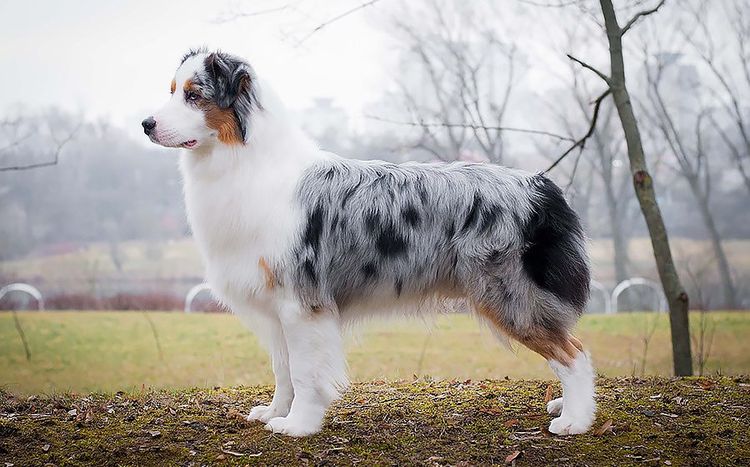
- Terriers are burrowing dogs, bred to pursue prey underground. These dogs now thrive in urban environments and make excellent companions, thanks to their boundless energy and lively temperament (Jack Russell Terrier).
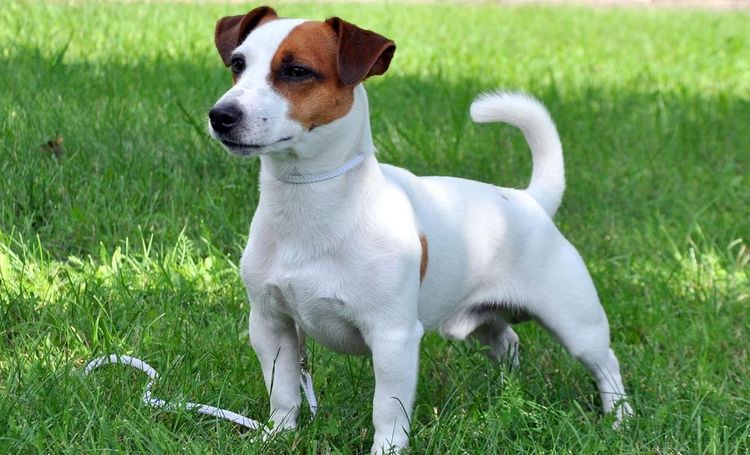
- Primitive, or aboriginal, breeds were formed under conditions of natural selection, that is, without human intervention. These dogs were used by nomads (Mansi, Yakuts, Eskimos, etc.) as sled dogs, hunting dogs, and guard dogs. They are hardy and possess good health and working data (representatives – likes, Spitz, Siberian Huskies).
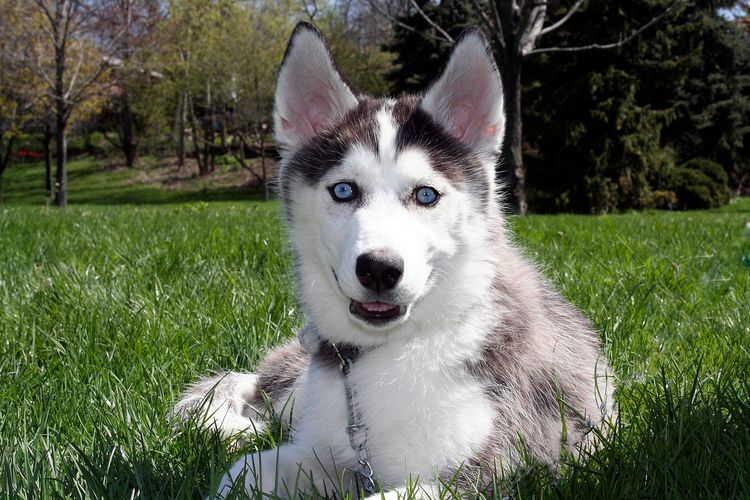
- Dachshunds - devotees, smart and temperamental pets, similar in spirit to terriers. Dachshunds were bred in Germany for the purpose of hunting badgers.

- Retrievers are working dogs that require adequate exercise and are trainable. They are also known for their attractive appearance, loyalty, and intelligence (an example is the Labrador).
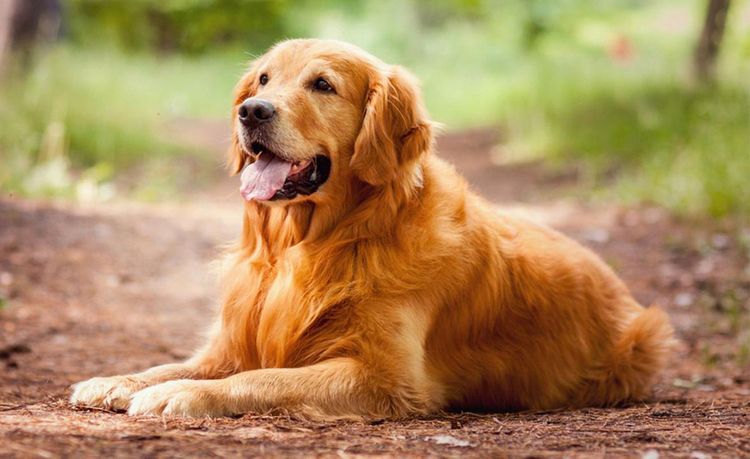
- Pointers are hunting breeds with the appropriate characteristics: fast reflexes and a keen sense of smell. They are docile and calm in nature, making them excellent companions and frequent exhibitors (representatives include setters, pointers, and German shorthaired pointers).
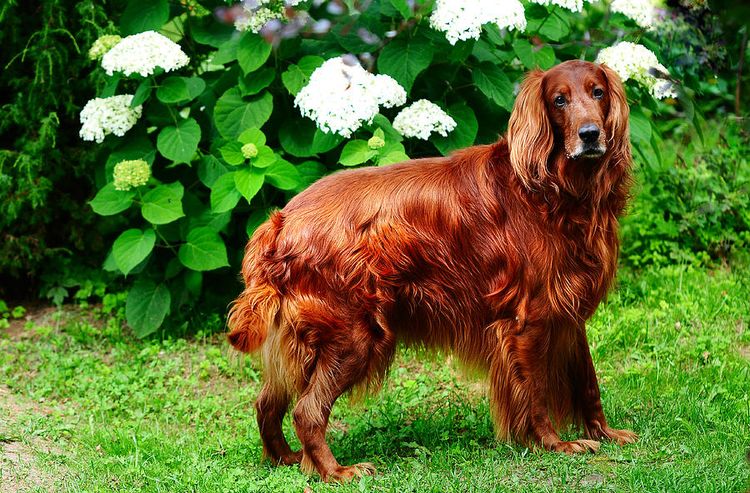
- Hounds are one of the most numerous hunting subgroups. They were bred to track and pursue prey. These dogs are loyal, easy to maintain, yet self-sufficient and prone to wandering.

- Borzois are hardy, stubborn, and very beautiful, unusual dogs. They were created to chase prey. A distinctive feature of these dogs is that they are not very trainable and require an experienced owner (a typical example is the Russian Borzoi).
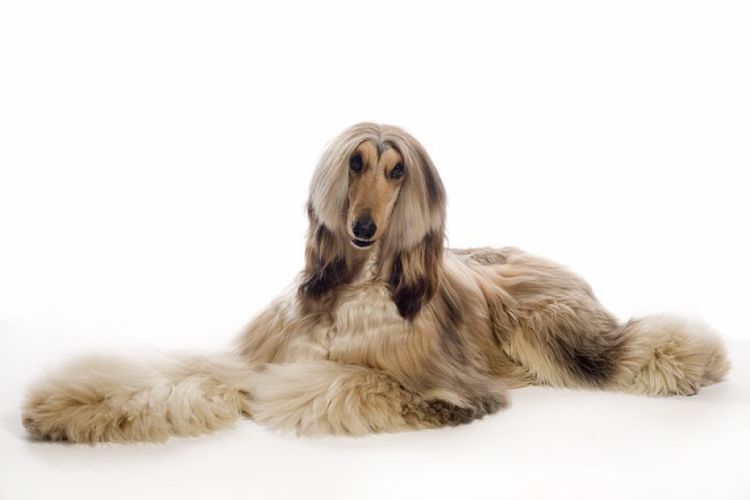
- Decorative – this subgroup usually includes small breeds companion dogs Chihuahuas, Pekingese, pugs, and others vary greatly in appearance. Despite their small size, these pets require special care.

The aforementioned groups are recognized by the Fédération Cynologique Internationale (FCI). A similar classification is used in our country. However, in other countries, the list of groups may differ from the international one—for example, American, Australian, and Scandinavian cynologists use their own classification system. Therefore, it is impossible to say exactly how many dog breeds exist in the world.
Development and consolidation of breed qualities
Previously, the characteristics of a given breed were determined primarily by a dog's appearance and working abilities. Now, in addition to this, cynologists have another method: genetic analysis. The DNA of representatives of different groups or one of them is meticulously studied and compared, and then, based on this data, cynologists and breeders plan to consolidate and develop breed characteristics by crossing different genetic lines.
All this allows us to preserve and develop positive traits, eliminate negative aspects of character and appearance, produce puppies with the desired characteristics, improve the breed as a whole, and create new varieties. Thanks to modern methods, this process is much faster than before.
Read also:
- The most loyal and devoted dog breeds – top 10
- The 15 Ugliest Dog Breeds
- The Rarest Dog Breeds: Top 10


1 comment
Pauline
The FCI currently does not recognize 400 breeds. That's about the total number of breeds in the world, but the FCI recognizes 332 or 349 breeds.
Add a comment