
The healthiest dog breeds
There are dog breeds that, according to veterinarians, are less susceptible to various diseases and pathologies than others. What breeds might these be? Primitive breeds tend to enjoy good health, meaning that humans have had little or no influence on their natural development. We present a ranking of the healthiest dogs, which, with proper care, will live for more than a decade.
Content
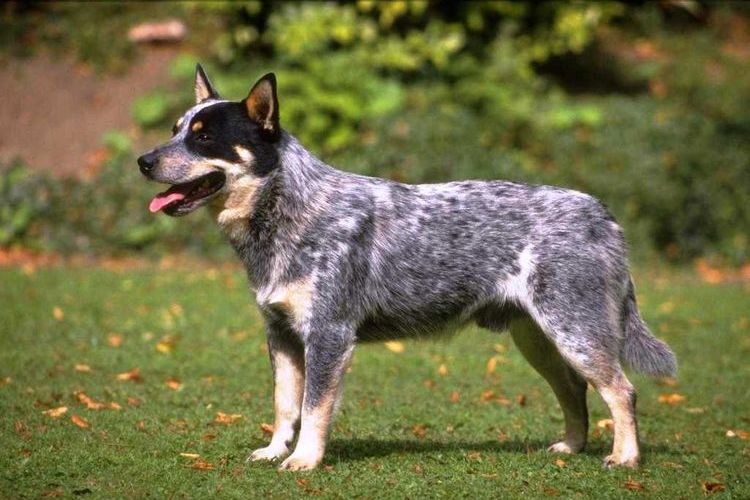
Australian Cattle Dog
Representatives of this breed are energetic, cheerful, and active—and remain so into old age. In the hands of a caring and attentive owner, they will live an average of 12-13 years, or even longer. Despite their robust health, Australian Cattle Dogs are also at risk of developing certain health conditions in middle age, including hip dysplasia and retinal atrophy.
Border Collie
The average lifespan of this, one of the smartest and healthiest dog breeds, is 12-15 years. However, they are still predisposed to certain health conditions, including hip dysplasia (common in large and medium breeds), epilepsy, and eye abnormalities. To minimize the risks, purchase a collie puppy only from reputable and responsible breeders with certificates of freedom from these conditions.

Learn more about Border Collies
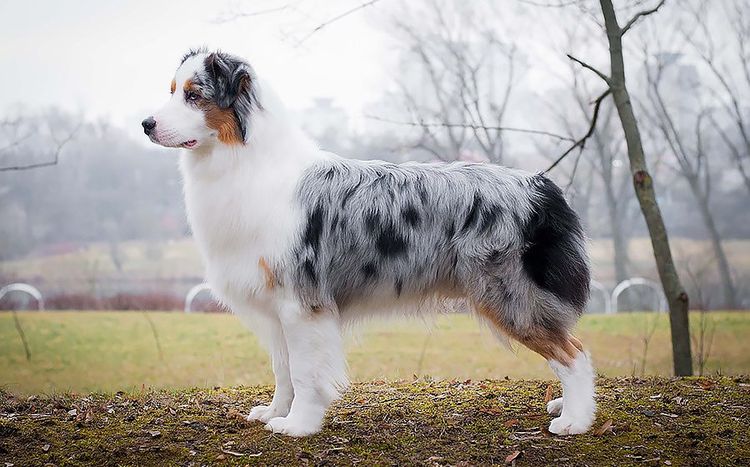
Australian Shepherd
These intelligent and docile dogs require regular exercise to maintain good health. Australian Shepherds, or Aussies (not to be confused with the aforementioned Australian Cattle Dog), have an average lifespan of 12 to 15 years. Despite the breed's generally robust health, it most frequently suffers from epilepsy, cataracts, and, of course, hip dysplasia.
Learn more about the Australian Shepherd
Bichon Frise
The breed is prized for its attractive appearance, friendly nature, and hypoallergenic coat, which requires careful grooming and regular brushing to maintain its healthy appearance. The Bichon Frise is a long-lived dog: the average lifespan is 12-16 years, but these dogs often live to 18-19 years of age. They are not prone to many hereditary health problems: typically, they suffer from epilepsy, deformed tear ducts, and various skin conditions.

Learn more about the Bichon Frise
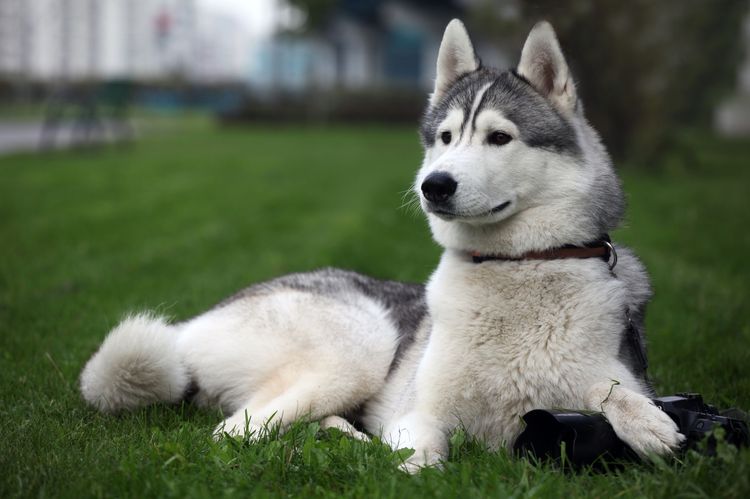
Siberian Husky
Active, intelligent, and sociable, huskies developed in harsh climates with minimal human intervention, and therefore enjoy good health and endurance. They are prone to eye diseases, allergies, epilepsy, and some endocrine disorders. When choosing a puppy, it is crucial to carefully examine its pedigree to rule out the risk of hereditary diseases. The average lifespan of this breed is 12-14 years.
Learn more about the Siberian Husky
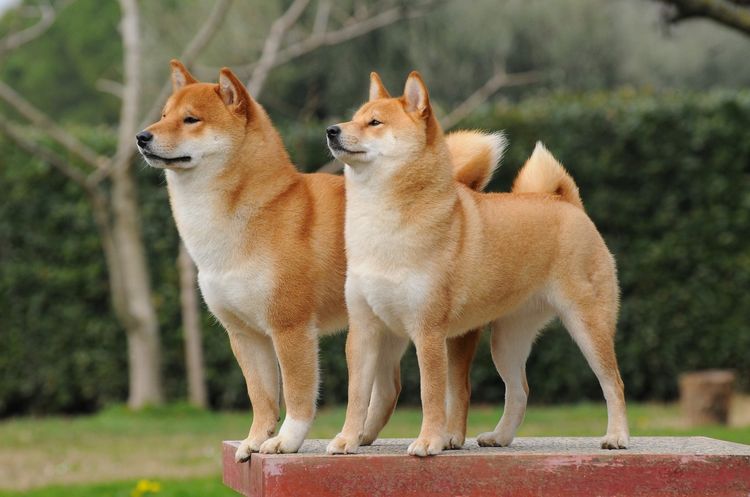
Shiba Inu
These exceptionally intelligent and loyal dogs originated in Japan. Shiba Inus are courageous, energetic, and resilient, and with proper care, they can live an average of 12 to 16 years. Any owner should be aware of the risk of eye problems, allergies, and hip dysplasia.
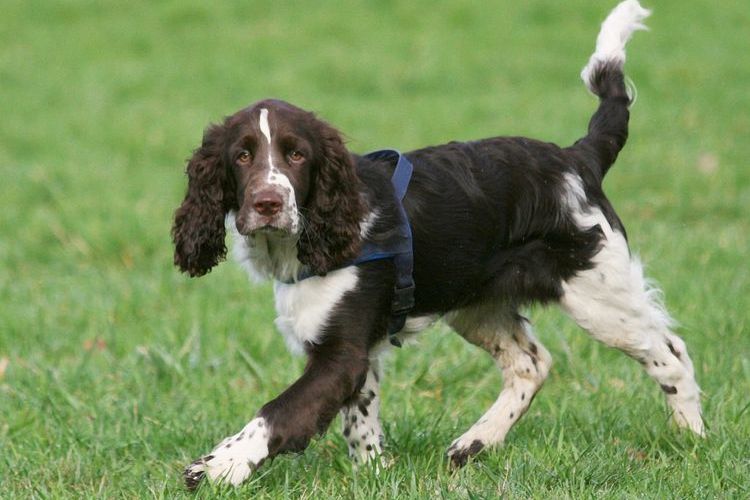
English Springer Spaniel
Affectionate and active, these dogs don't tolerate loneliness and often suffer greatly when separated from their owners. According to statistics, English Springer Spaniels can live from 10 to 15 years. The most common health problems associated with this breed include hip dysplasia, central nervous system problems, and eye and ear problems.
Chihuahua
Beloved by many decorative dogs Chihuahuas are known for their loyalty, courage, and endurance. Chihuahuas generally have healthy hearts and can withstand significant workloads for their small size. Their lifespan is 12-15 years, but can reach 20 years. Chihuahuas are predisposed to hip dysplasia, kidney stones, and retinal atrophy. Furthermore, due to their small size, females of this breed often have difficult births, requiring a cesarean section.

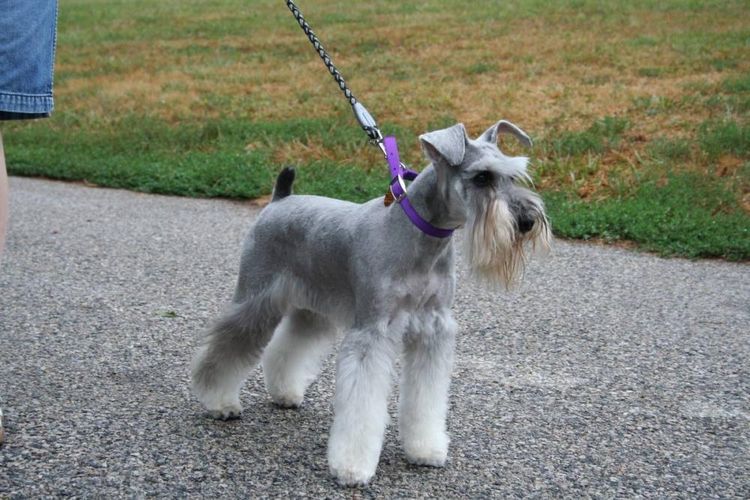
Schnauzer
These are courageous and well-built medium-sized dogs. Schnauzers can live 12-15 years or more with proper care and a suitable environment. Common health problems include eye problems and hip dysplasia.
Learn more about the Giant Schnauzer
Miniature Pinscher
The courageous and inquisitive Miniature Pinscher is not only exceptionally healthy but also easy to care for. It's one of the healthiest dogs, suitable for apartment living. Representatives of this breed live 12-14 years. Miniature Pinschers are somewhat prone to epilepsy, cataracts, diabetes, and urolithiasis.

Learn more about the Miniature Pinscher
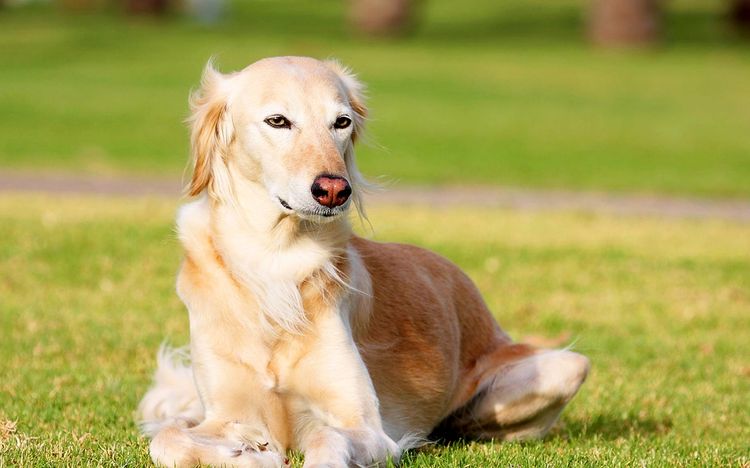
Saluki
One of the most ancient breeds, also known as the Persian Greyhound, it is bred for hunting small game. The good health of these dogs is again due to the absence of human intervention: natural selection played a leading role in their development. Furthermore, the Saluki is little known and has never been a popular breed, meaning it has not been bred commercially on a large scale. Salukis are sensitive to anesthesia and are prone to hypothyroidism, hemangiosarcoma, and some heart conditions. Their lifespan is 12-15 years.
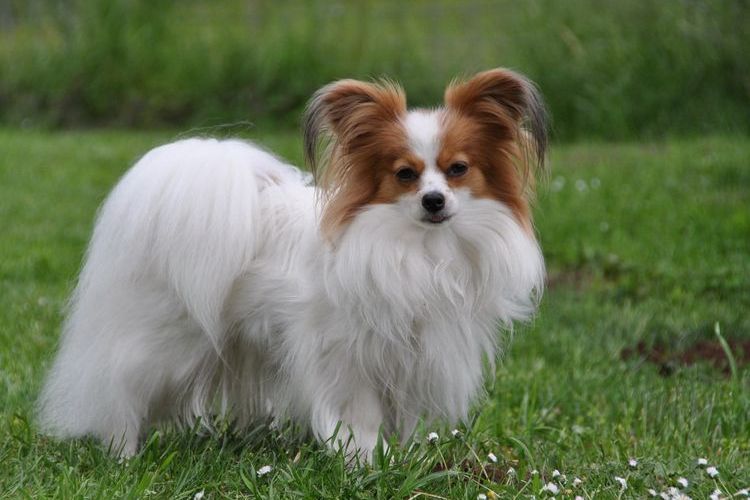
Continental Toy Spaniel
These small dogs live an average of 15 years. They are active, playful, and generally healthy, but are at risk of developing conditions such as knee luxation (due to poorly developed musculoskeletal systems), ear infections, and tartar.
Learn more about the Continental Toy Spaniel
Japanese Chin
These small dogs also deservedly occupy a place among the healthiest dogs. Their average lifespan is 12-14 years. Due to their unique facial structure and small size, they are prone to the following health conditions: luxating patellas and luxating eyes, cataracts, glaucoma, and breathing problems.

Learn more about the Japanese Chin
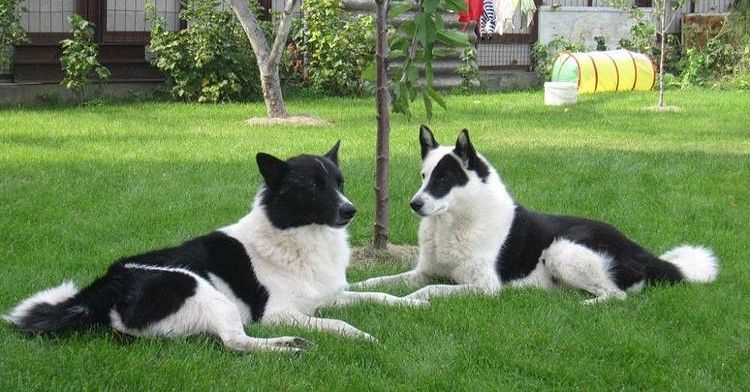
Russian-European Laika
Russian-European Laikas are known for their endurance and strong immune system. To maintain their health, they require adequate exercise, timely vaccinations, and a balanced diet.
Representatives of the breed live 11-14 years, have no hereditary diseases, but are prone to urolithiasis, as well as loss of voice in old age.
Yorkshire Terrier
Like most terriers, popular Yorkies enjoy good health. Their lifespan ranges from 14-16 years to 18-20 years. A characteristic feature of the breed is its hypoallergenic coat, which lacks a distinctive "doggie" odor. They are prone to allergies, dermatitis, and digestive problems.

Learn more about the Yorkshire Terrier
As you can see, even the strongest dogs have so-called "weak spots." While health certainly depends on the breed, it's less affected by factors such as care and living conditions. Any dog needs walks, attention from its owner, timely deworming, vaccinations, regular veterinary care, and, of course, a proper, balanced diet. How long your pet lives largely depends on you.


1 comment
Oleg
The Japanese Chin also made it to the top of the healthiest dog breeds. Even its long coat won't cause problems for breeders, as it doesn't accumulate dirt in large quantities due to the lack of a thick undercoat.
Add a comment