
Sharplanina Shepherd Dog (Yugoslav Shepherd Dog, Macedonian Shepherd Dog, Illyrian Shepherd Dog)
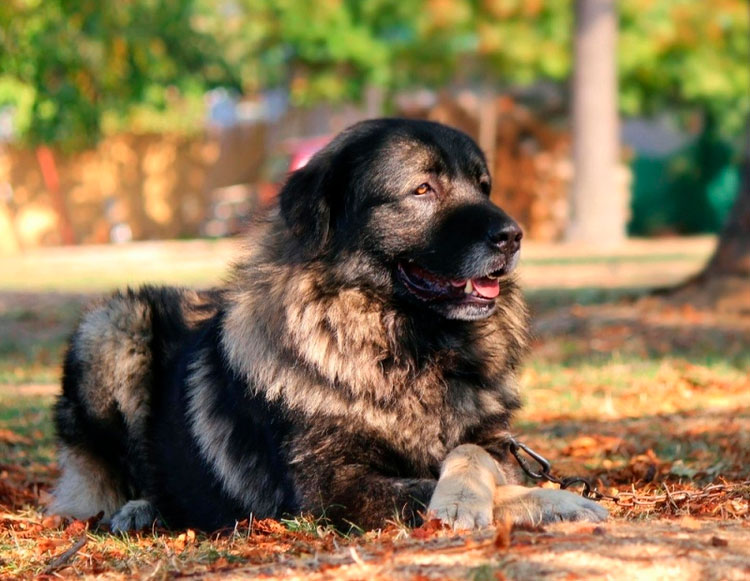
The Sharplanina Shepherd, also known as the Illyrian or Yugoslav Shepherd, is a large guard dog of the Molossian type. Common in its native land, it is virtually unknown and very rare outside of its native land. The Sharplanina is a natural guardian and herder, calm and wary of strangers, unpretentious, and hardy. It requires rigorous training and the ability to work.
Content
History of origin
Herding dogs of this type have existed on the Balkan Peninsula since the Neolithic period and most likely came to Europe from Central Asia. This theory of origin explains the similarity with Caucasian Shepherd Dogs and some other breeds. In the southeastern mountainous regions, in what is now Serbia and Macedonia, shepherd dogs have been bred since time immemorial. They take their name from the Shar Planina mountain range, where they were most common.
The Sharplanina Shepherd Dog was first shown at a canine show in Ljubljana in 1926. In 1939, the breed was recognized by the Fédération Cynologique Internationale under the name Illyrian Shepherd Dog, but in 1957 the name was changed to Yugoslav Shepherd Dog – Sharplanijec. Exporting dogs out of the country was prohibited until 1970. It wasn't until 1975 that the first Sharplanina Shepherd puppy was imported to the United States, where the breed was recognized by the United Kennel Club (UKC) in 1995.
In January 2019, Serbian President Aleksandar Vučić presented Russian President Vladimir Putin with a Yugoslav Shepherd puppy.
Purpose
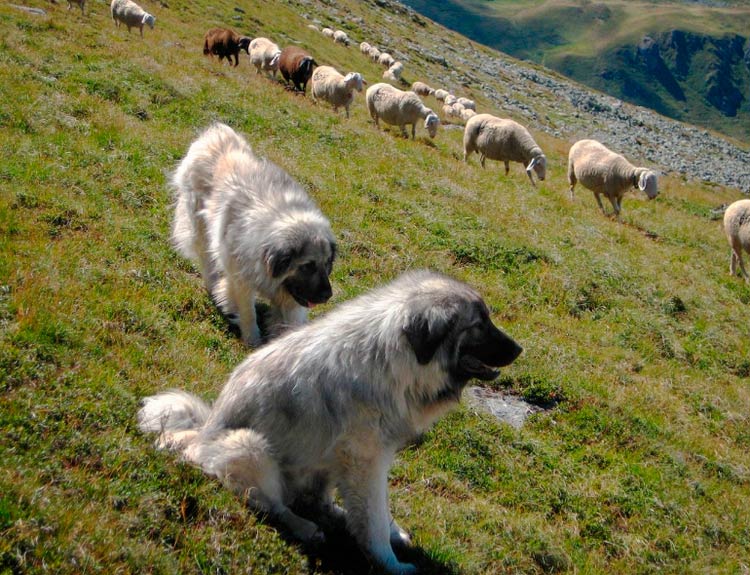
Currently, Sharplani dogs are primarily used for their intended purpose in Serbia, Macedonia, and the United States. Two dogs handle a flock of sheep, working at a distance from humans and tending to be independent. They are calm, but react quickly to danger, attacking only when absolutely necessary. When confronted by humans, wolves, or even bears, they are absolutely fearless and determined. Most shepherd breeds It is divided into guard and herding sheep, but a Sharplanian can do two jobs at once: make sure the sheep don't wander off and protect them.
In Macedonia, the Sharplanina Shepherd is a symbol of strength and loyalty. Its image appears on the reverse of the 1992 Macedonian dinar coin.
In the early 20th century, the military used Sharplani Shepherds for military purposes. After World War II, they were again recruited into military service, primarily dogs bred at the "Marshal Josip Broz Tito" kennel.
Appearance
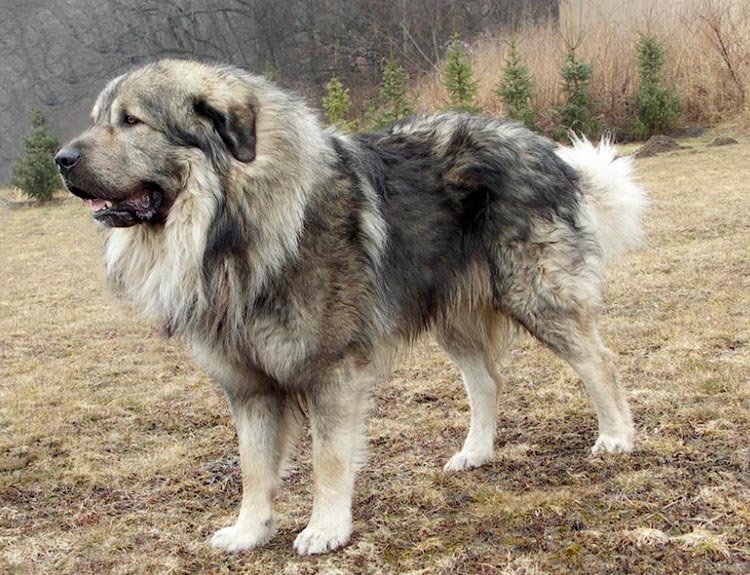
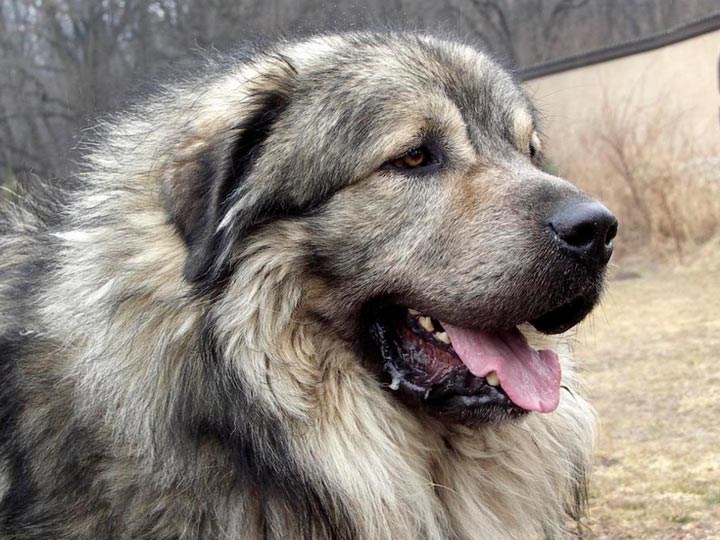
The Sharplanina Shepherd is a strong, large dog with a well-proportioned build, solid bone structure, and well-developed muscles. Its height is above average. Its coat is fairly coarse, thick, and long.
- Height at the withers of males is 56-62 cm; weight is 35-45 kg.;
- The height at the withers of bitches is 54-58 cm; weight is 30-40 kg.
The head is proportionate to the body. The overall length is approximately 25 cm. The cranial region is slightly convex. The bridge of the nose is straight. The toplines of the muzzle converge. The muzzle is broad, deep at the base, and tapers slightly to a wide black tip. The stop is slightly defined. The dentition is complete, with a scissor bite. The eyes are small, shallowly set, and light or dark brown. The expression is intelligent and fearless. The ears are not set very high, V-shaped, and hang close to the cheekbones. The neck, without dewlap, is of medium length, and is carried slightly above the line of the back.
The body is slightly elongated. The topline is horizontal or with a slight slope to the croup. In dogs that live in the mountains, the croup may be slightly higher than the withers. The back is broad, straight, and not long. The loin is wide and short. The croup is sloping and of medium length. The chest reaches to the elbows, is deep, and of medium length. The ribs are slightly sprung. The girth of the chest should exceed the height at the withers by 20%. The belly is tucked up. The tail is long, reaching the hocks. It is carried in a slight curve. When the dog is excited, it can rise above the topline and curl more strongly. The forelimbs are straight, proportionate to the body, with massive bone structure. The paws are oval, with arched toes. The nails are black and strong. The pads are elastic, hard, and black.
There are eight types of Yugoslav Shepherd Dogs, several of which are considered extinct (Serbian): Muri, Karabash, Meriyan, Tigrast, Medov, Zelenduh, Zlatan, and Karaman. They differ in color, size, and temperament.
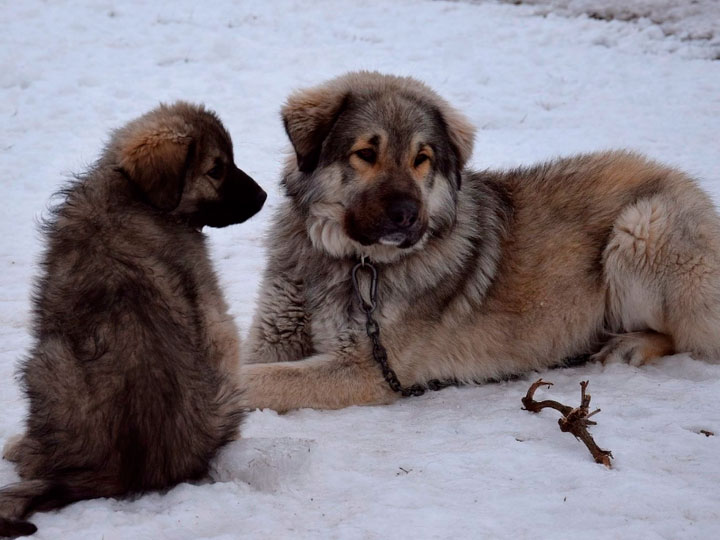
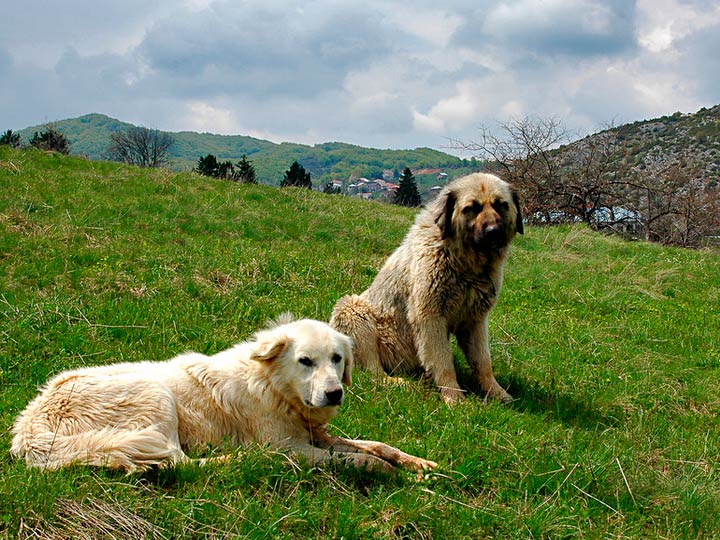
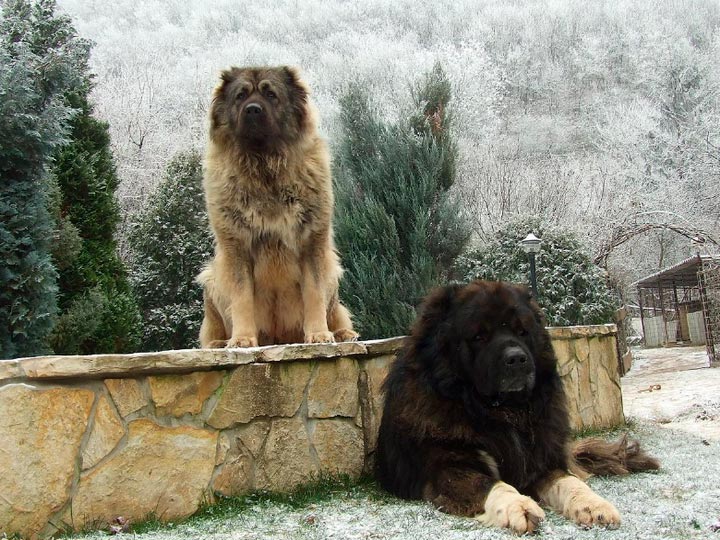
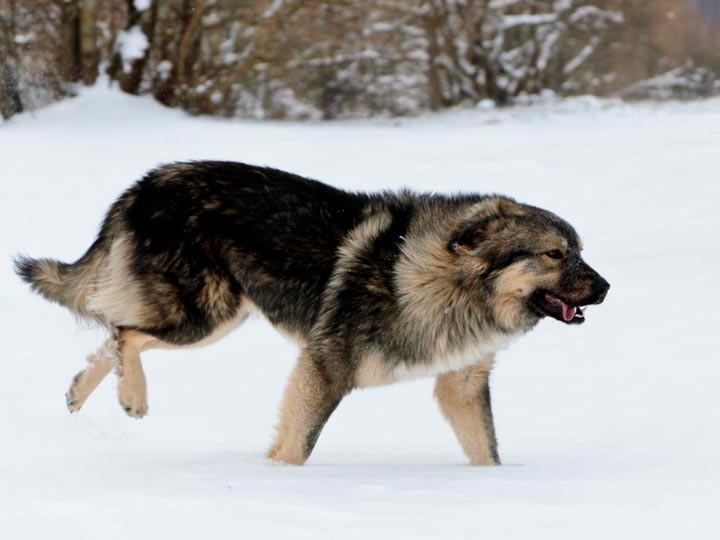
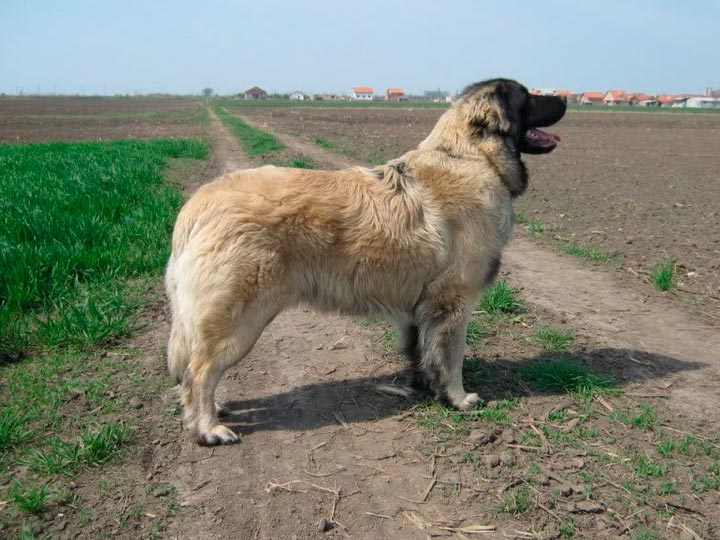
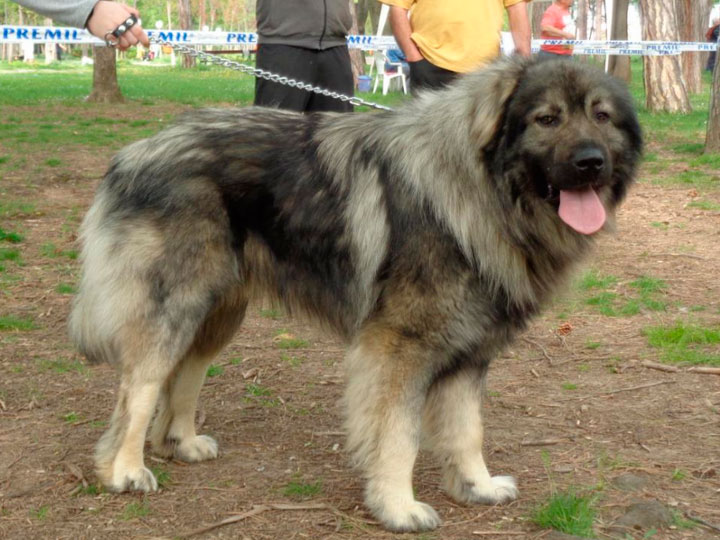
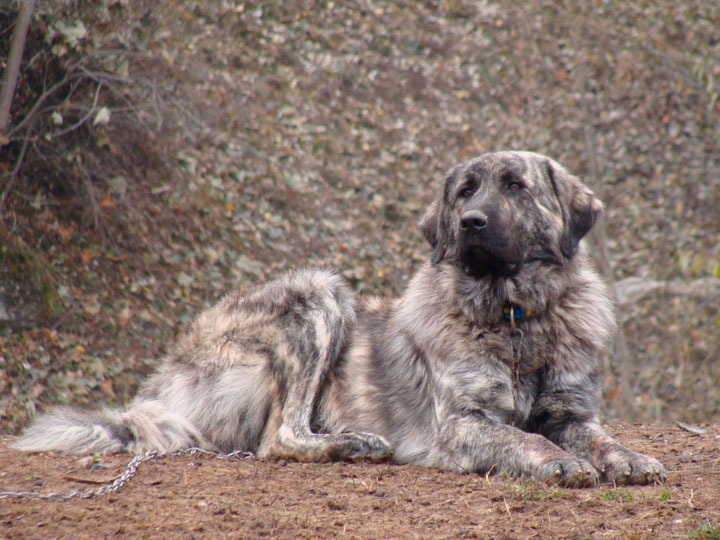
The skin is elastic, moderately thick, and free of folds. All visible mucous membranes are darkly pigmented or black. The front of the legs, head, and ears are covered with short hair. Around the neck, on the back of the legs, tail, and croup, the hair is long. Under the straight, coarse guard hair is a short, dense, and abundant undercoat of fine texture. At the withers, the hair should not be shorter than 7 cm. The color is solid. All colors from white to dark brown, almost black, are allowed. Dark gray and steel gray are preferred. The top of the head, neck, and body have a darker shade, gradually fading to yellowish gray or dirty whitish on the legs.
Character and behavior
Yugoslav Shepherds have a calm, even temperament. They are incorruptible, strong-willed, and dominant dogs, both in spirit and body. They are loyal and friendly to their own kind, and patient with children. They get along well with working dogs. They can be aggressive toward strangers. They are protective of other animals they share their home with. Yugoslav Shepherds see only one person as their master. They are obedient, but not prone to unquestioning obedience and, in some situations, may act independently. The Sharplanina Shepherd is an intelligent dog, capable of making its own decisions. Guarding instincts are genetically ingrained. These instincts do not require special training, but they do require competent guidance from their owner.
The Sharplaniak is an excellent guard dog, wary of strangers. It never accepts strangers without its owner's permission. It is serious about protecting livestock, its owner, and its property. Whether it's too cold, windy, or hot outside, the dog will not seek refuge in a barn or scratch at the door of the house; it will remain where it can ensure the boundaries of its territory are maintained. Within the family, the Sharplaniak is friendly. It recognizes and respects hierarchy well. It expects and demands fair and consistent treatment, including itself. It bonds with its family members, showing its love with devotion and affection.
Education and training
The Sharplanina Shepherd Dog is a late-maturing dog. Its physical and psychological development is fully developed at 2.5 to 3 years of age. It requires very careful training. Any flaws in its development as an adult are virtually impossible to correct.
An adult Sharplan can only be handled if it has been properly socialized and trained.
Content Features
Proper living conditions are crucial for the dog's proper development. The Sharplani is strong and resilient, requiring plenty of space and exercise. A doghouse with a straight or slightly sloping roof is built in the yard, which can also be used as an observation post. It shouldn't be too large. In winter, the doghouse should be insulated with hay bedding and a curtain at the entrance. This is a working breed that needs to stay busy. The Serbian Shepherd is absolutely not suited for living in the city. The best option for her is life on a farm with livestock.
Care
Sharplani Shepherds are relatively clean dogs. Their coat doesn't hold dirt well, but it does have a distinctive odor. It is somewhat prone to matting. They shed heavily, especially in winter and spring. Regular brushing is recommended for many reasons. First and foremost, it helps maintain a neat appearance and teaches obedience and submission from an early age. Their ears should be inspected a couple of times a month and cleaned as needed. Their nails usually wear down on their own, but owners should monitor the length of their dewclaws.
Nutrition
The Serbian Shepherd is a modest and undemanding dog. However, it needs to be fed high-quality foods, especially during growth and development. If the dog is fed a natural diet, its diet is supplemented with vitamins and minerals. Prepared food is selected according to the dog's size and age. The Sharplaniets is a large breed, not a giant one. Feeding amounts are calculated according to the chart on the packaging.
In their homeland, Yugoslav Shepherds are fed boiled beef and offal with cornmeal (mamaliga), rice, and semolina. Boiled vegetables, eggs, bread, dairy, and fermented milk products are also added. A serving of an adult dog weighs 1.5-2 kg, with meat and offal making up about 50%.
Health and life expectancy
Most Sharpliners are strong and hardy dogs. They adapt easily to various living conditions and climates. With proper care and nutrition, they rarely get sick. They may be prone to hip dysplasia and other musculoskeletal disorders. In adulthood, they may develop any age-related ailments. Regular vaccinations and deworming are essential preventative measures. Life expectancy is 10-12 years.
Where to buy a Sharplaninskaya Shepherd puppy
Those seeking a reliable companion, helper, and guard in the form of a Sharplani should consider purchasing a puppy abroad. There are many good kennels in Serbia, Macedonia, and other countries of the former Yugoslavia. Outside these countries, dogs are rarely found. A good working population exists in the United States. A few kennels exist in France, Germany, Finland, and Poland. There are no data on kennels in the CIS countries. This is due to the long isolation of Yugoslav dogs and the specific nature of their use.
Price
The price of a Sharplanina Shepherd puppy in Serbia typically ranges from $300 to $1,000. Dogs cost about the same in the Republic of Macedonia.
Photos and videos
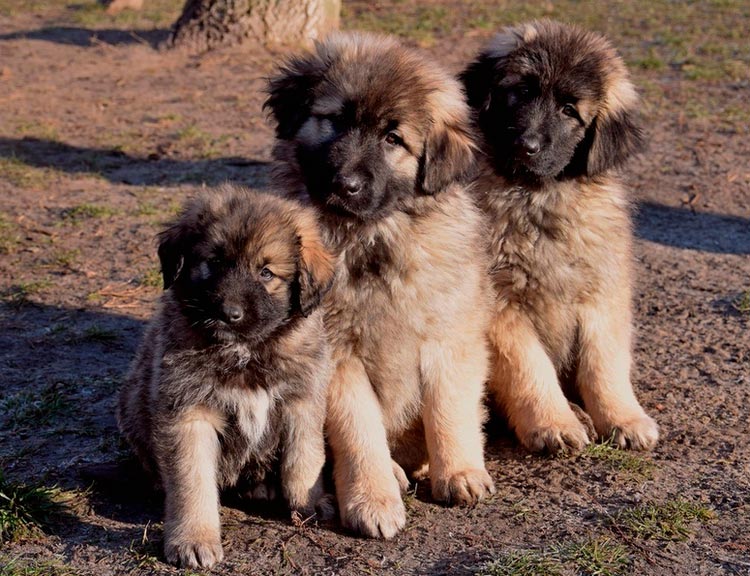
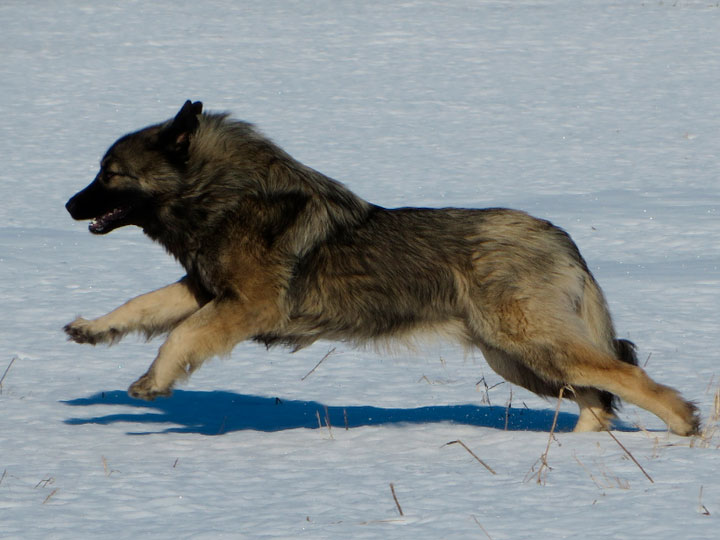
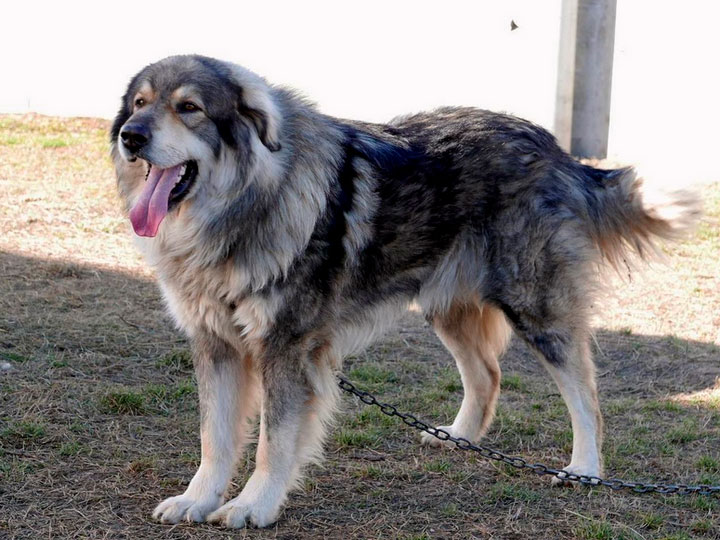
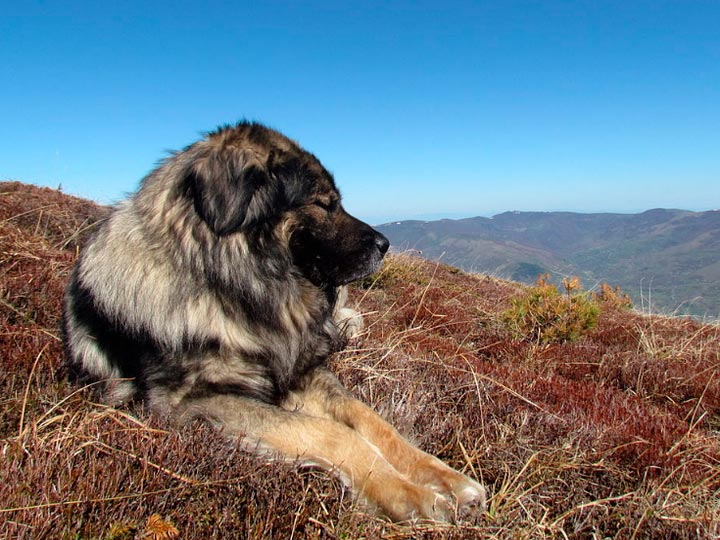
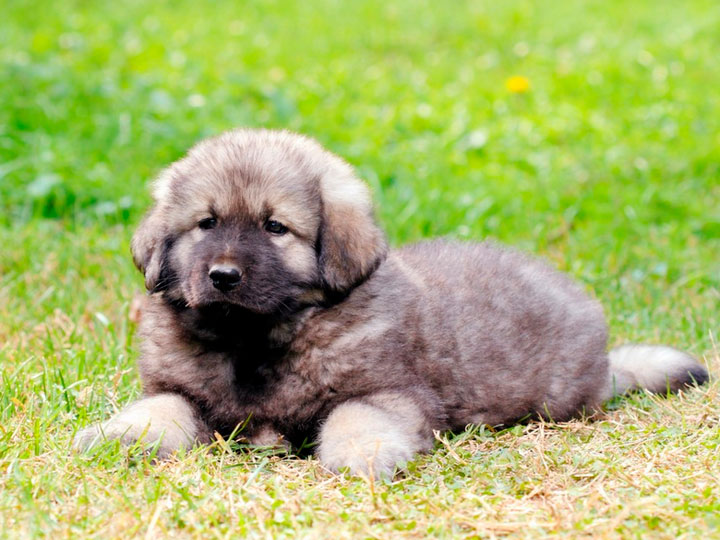
The gallery features photographs of Sharplanina Shepherd dogs. The photos feature Yugoslav Shepherds of various colors, genders, and ages.
Video about the Sharplanin Shepherd Dog breed
Read also:


Add a comment