
The largest dog in the world
Large dogs are eye-catching, inspiring both fear and respect. Those considering such a large pet should consider all the nuances and characteristics inherent to giant breeds. Let's find out what the largest dog in the world is: what breed, photos, what this four-legged giant looks like, and the basic standards for large breeds.
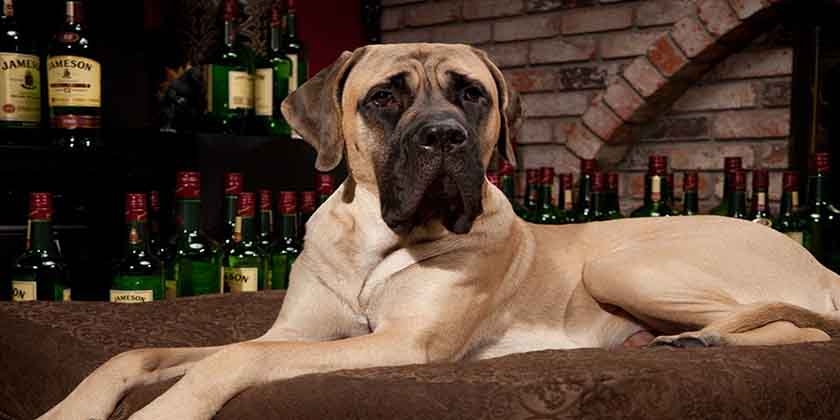
Content
What is so attractive about the biggest dogs?
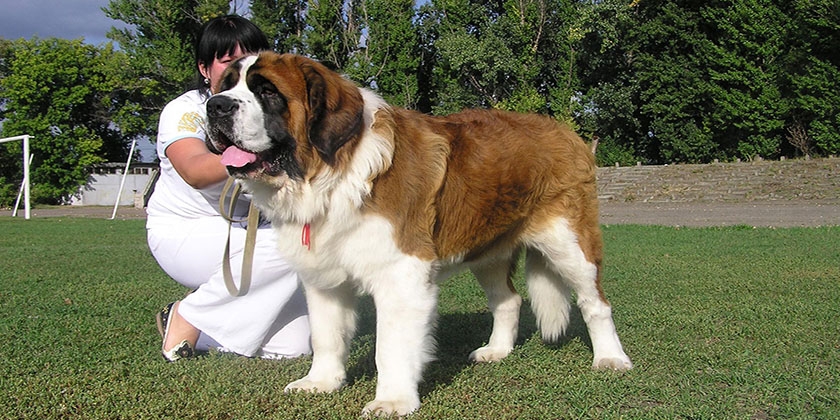
According to experts, if an animal's height at the withers (height) is at least 70 cm and its weight exceeds 50 kg, it is classified as a very large or giant dog. Originally, such breeds were developed specifically for personal protection, guarding homes or livestock, and hunting large game. Size and physical strength were the primary criteria for selection. Today, the guarding qualities of the largest dog breeds are also among the primary selection criteria. However, most cynologists and dog lovers agree that large representatives of this breed are also distinguished by their good nature and calm, peaceful disposition.
Advantages of especially large animals:
- Aesthetics - a large and well-groomed dog, walking with dignity next to its owner, you must admit, looks very impressive.
- Intelligence – owners of large breeds unanimously claim that the mental abilities of their pets are significantly higher than those of smaller breeds.
- Trainability – larger representatives are more trainable, more obedient, and remember their owner’s commands faster.
- Strength – if a four-legged friend is properly trained, even despite its peaceful nature, it will always protect its owner. You can be 100 percent confident in such a guard dog. The pet's impressive size is no hindrance to its agility and quick reactions.
- Mental stability – especially large animals are self-confident, calm and non-aggressive, unless, of course, the owner and his loved ones are in danger.
Characteristics of large animals
One of the so-called "disadvantages," or more accurately, characteristics of large breeds, is the significant cost of feeding. The largest dogs in the world require significant financial investment in their upkeep. When choosing such a pet, it's important to understand that the proper selection, quality, and quantity of food are the first and most important conditions for its proper development and good health.
Large breeds experience a two-year growth period, significantly increasing the risk of skeletal disorders, joint abnormalities, or cartilage maldevelopment. Therefore, large animals should be regularly monitored by a veterinarian, both during the period of intensive bone growth (the first six months to eight months) and throughout their lives. It's important to note that orthopedic problems often develop in large pets with age.
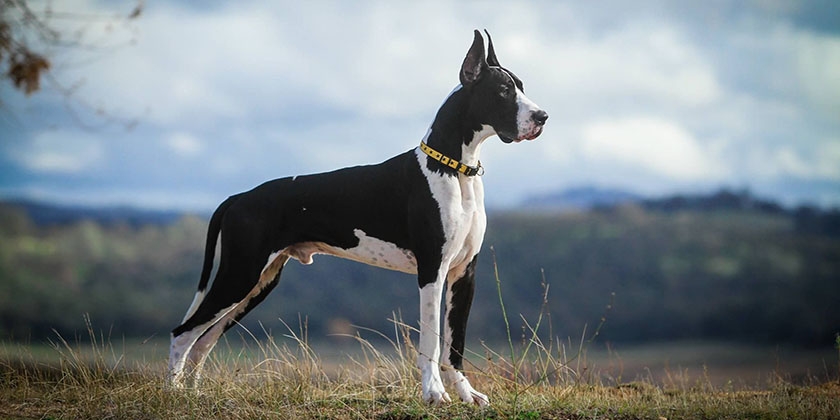
What living conditions do the largest dog breeds require? A large animal definitely needs space. A small city apartment will be very cramped, despite the fact that these "giants" are generally inactive and often prefer to lie down for long periods in their favorite spot. Large dogs should be walked for at least two hours, two (or preferably three) times a day. Here again, it's important to consider the specific characteristics of large animals—ensuring the required level of muscle activity to prevent joint problems or obesity.
An owner who decides to get such a dog should be mentally prepared for the fact that their faithful companion will likely be with them for much less time than a smaller pet. The lifespan of these four-legged giants, unfortunately, often does not exceed 10 years.

What breeds are considered the largest dogs in the world?
It's quite difficult to list absolutely all the large representatives, but let's look at some of the largest dogs in the world and their photos.
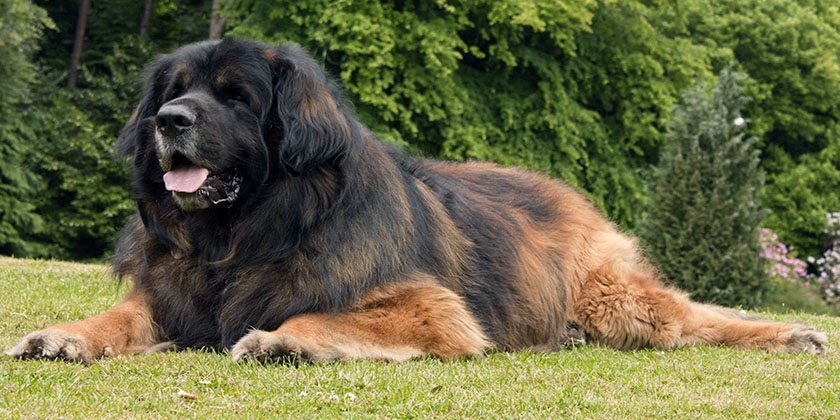
Leonberger
This majestic and powerful giant has a calm, kind nature, as well as pronounced watchdog qualities. The animal gets along well with children and is easily trained. The height at the withers for males is 72-80 cm, and for females, 55-75 cm. Agility, despite its impressive size, increased responsibility, the ability to swim, and a love of water are its main distinguishing features. Leonbergers.
Great Dane
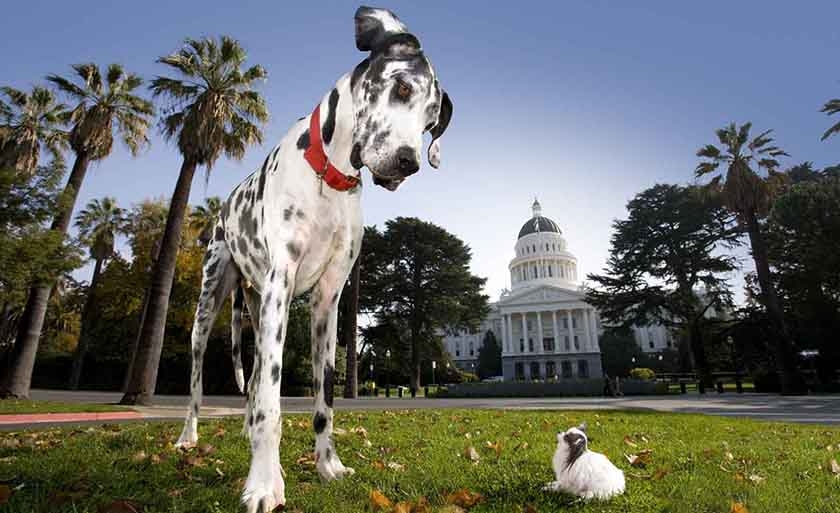
Great Dane — another representative of the largest dog breed in the world. This descendant of Irish wolfhounds is rightfully considered the tallest and most graceful of its giant counterparts. The Great Dane can reach heights of 90 cm or more, which is why this breed has twice been listed in the Guinness Book of World Records. This intelligent, affectionate, sedate, and slightly phlegmatic dog makes an ideal companion for a leisurely person leading a measured lifestyle. To date, the absolute champion and record holder remains Zeus, a Great Dane from Otego, Michigan, who stood 111.8 cm tall. Standing on his hind legs, Zeus reached 2.24 m (7 ft 1 in) and weighed just over 70 kg (150 lb).
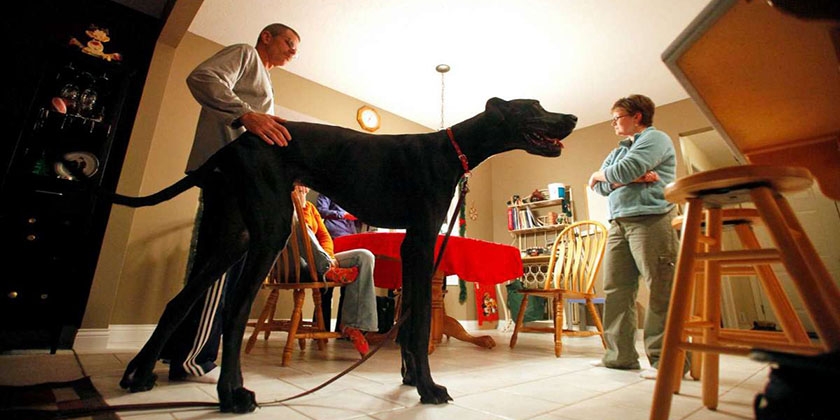
In the photo below you can see what the largest dog in the world looked like.
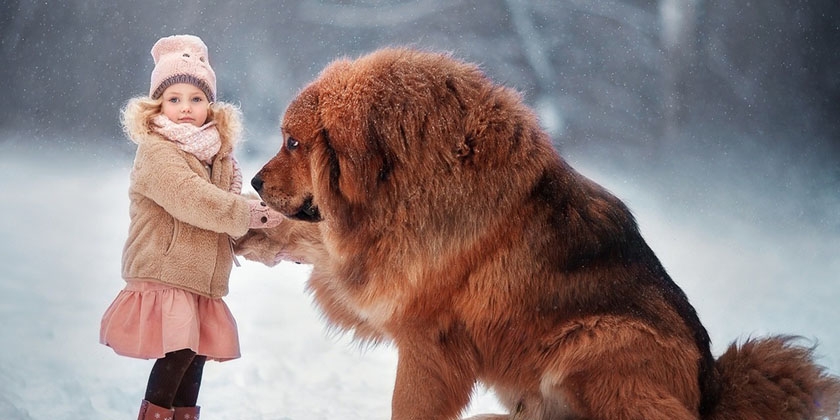
Tibetan Mastiff
This is a strong and obedient, calm, and highly intelligent animal with outstanding guard qualities. The origins of this four-legged giant date back to ancient times, when Tibetan monks used it as a guard dog at monasteries. This furry strongman is characterized by an independent and free nature, but with the right approach to training, it becomes an obedient and loyal assistant. Owners of this breed of mastiff note their amazing cleanliness, comparable to that of a cat. Males reach a height of 80 cm at the withers, and females – 70-75 cm. Tibetan Mastiff are also considered to be the largest dogs in the world.
These dogs won't bother you with barking or excessive activity, but they love to play, adore attention, and demand love and care. The Tibetan Mastiff is an exceptionally intelligent dog, affectionate with its own people and ferocious toward enemies, trespassers, and those who insult its owner. This rare and expensive breed is admired by connoisseurs.
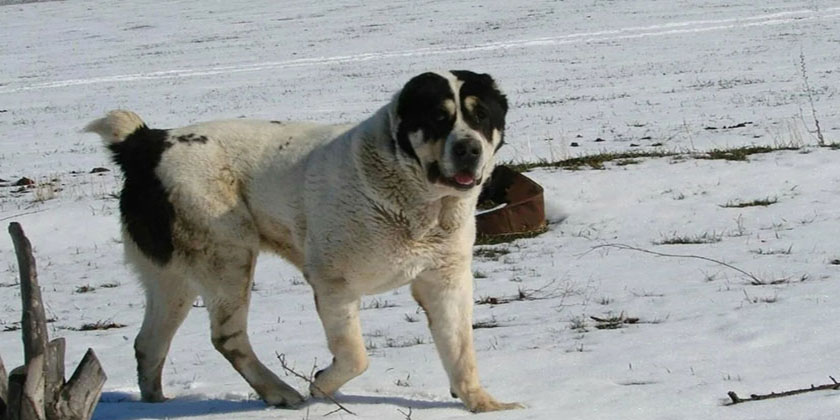
Alabai
Also known as the Central Asian Shepherd Dog or Turkmen Wolfhound, it reaches 80 cm at the withers and weighs up to 80 kg. This fearless protector and loyal guard dog has a willful nature, so it's difficult to train and raise it. Alabai This breed is known to be used as a puppy. Representatives of this breed are very fond of children and are well-disposed towards other animals living in the same territory. They are zealous guardians and will attack if an intruder violates their boundaries. Incidentally, the largest dog in Russia is considered to be an Alabai named Bulldozer, standing 1.50 m tall and weighing 130 kg. This dog was twice the size of a standard Central Asian Shepherd Dog.
Whatever the largest dog you choose, you should carefully weigh the pros and cons of each breed, considering all the nuances of care and training a puppy. Consulting with owners of similar animals, breeders, and a veterinarian is essential.
Life and health of large dogs
Not everyone would dare to have a truly large pet. This is understandable, since a large dog:
- It will require a lot of space to live, and you won’t be able to live with it in a regular apartment.
- Will have serious nutritional needs that will not be easy to meet.
- Training plays a special role, since aggression or inappropriate behavior of the animal will have more than serious consequences.
Seeing a large dog with its owner on the street brings back memories of their own childhoods, nostalgia for the days when every dog seemed enormous. But is it really that easy to be the owner of such an animal—and the largest dog, at that? There's a flip side to this question.
Gigantism hinders an animal's longevity, as the body and its musculoskeletal system suffer and age at an accelerated rate due to the heavy loads. A large animal requires special conditions; otherwise, it will constantly face discomfort—as will its owners. Therefore, great height and weight are not only a luxury but also a burden, and it's worth thinking twice before getting a large dog.
Read also:


Add a comment