
Salmonellosis in dogs: symptoms and treatment
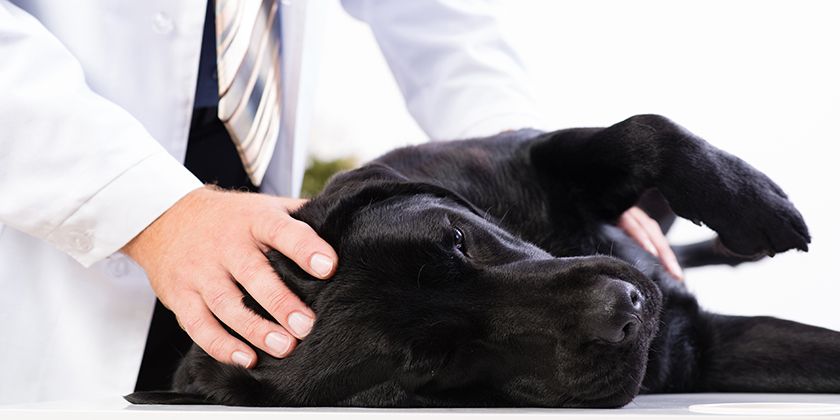
Salmonellosis is a contagious zoonotic disease (common to humans and animals) that causes general intoxication, severe diarrhea, and subsequent dehydration. The infection is caused by the Salmonella bacterium. The severity of the disease depends on the serotype of the pathogen and the individual characteristics of the patient. If only the gastrointestinal tract is affected, salmonellosis in dogs is usually mild; however, in some cases, abscesses in internal organs can cause life-threatening complications.
Content
Description of the pathogen and routes of infection
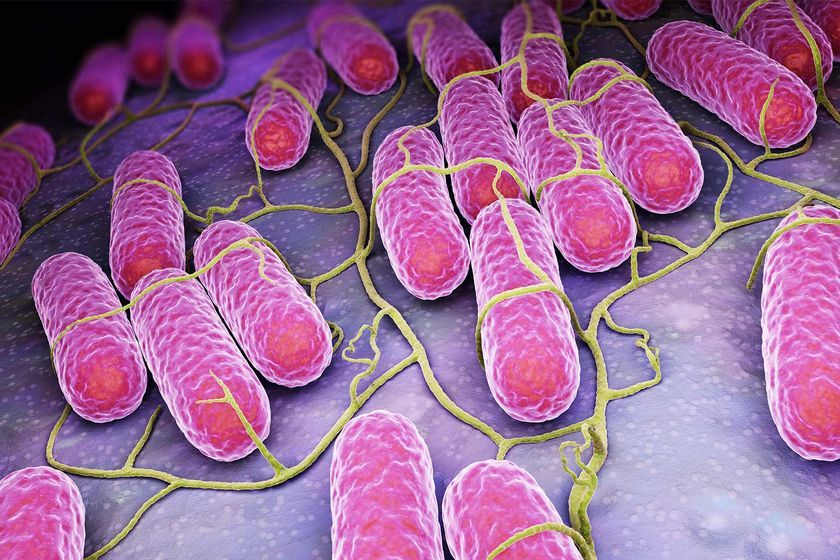
Salmonella are Gram-negative, non-spore-forming bacteria that are rod-shaped and up to 7 microns long and up to 3 microns thick. This genus of bacteria was named after the American veterinarian who discovered them, Salmonella. Under a microscope, Salmonella can be seen as individual cells, in chains, or in round colonies.
Salmonella pathogens belong to the Enterobacteriaceae family and are divided into two main groups: Salmonella enterica and Salmonella bongori. More than 2,500 different serotypes have been identified. The bacteria can remain viable in the environment for long periods. Ultraviolet radiation accelerates their death; heating to 55-60°C kills them within an hour and a half.
These microorganisms can enter a dog's body through contact with surfaces contaminated with the infection. One of the main sources of infection in dogs is salmonella-contaminated food (raw meat, poultry, fish, eggs, unpasteurized milk). Dogs can carry these bacteria without showing symptoms.
Puppies, older dogs, and dogs with weakened immune systems are at increased risk of contracting salmonella. Dogs sometimes become infected with salmonella after taking antibiotics that disrupt the intestinal flora.
Salmonella development can be divided into several stages. After entering a human or animal, the bacteria first enter the stomach, where they come into contact with gastric juices and survive thanks to their resistance to acids. Salmonella then moves to the small intestine, where it multiplies and infects the intestinal mucosa. If the infected host's immune system fails to fight the infection, Salmonella can continue to spread through the bloodstream to other organs and tissues.
Clinical signs of salmonellosis
The main symptom of salmonellosis in dogs is the appearance of loose or bloody stools.
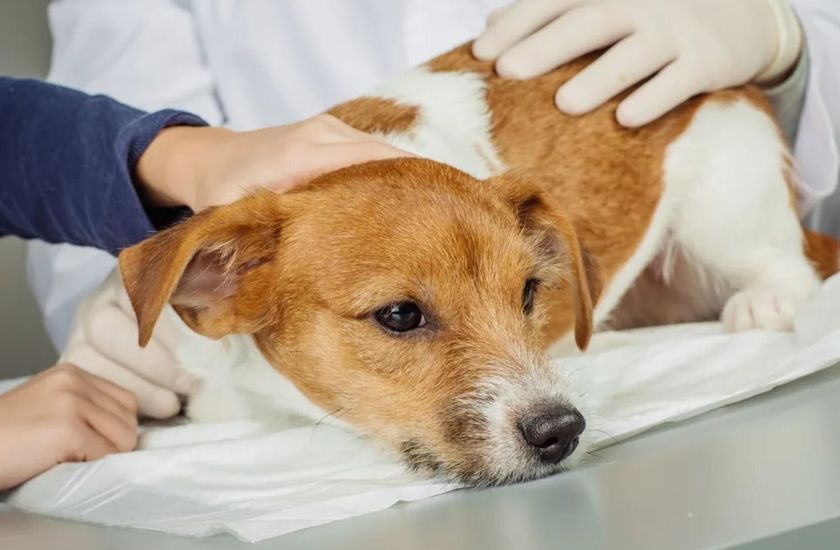
Depending on the type of bacteria and the severity of the disease, clinical signs of salmonellosis in dogs may include:
- Vomiting, which can lead to dehydration and general weakness of the body.
- Increased thirst. Because salmonella can cause dehydration, your dog may drink water frequently.
- Fatigue – signs of rapid fatigue and apathy are possible. The dog refuses active play and walks.
- Decreased appetite. Chronic diarrhea may be accompanied by poor appetite and weight loss. The animal may lose interest in food or refuse it altogether.
- The abdomen is painful to palpation, which may indicate intestinal inflammation.
- In puppies, acute salmonellosis causes fever and elevated body temperature.
Diagnostics
Diagnosing salmonellosis based solely on the owner's medical history and clinical signs observed during examination can be difficult. This disease shares symptoms with parvovirus enteritis, intestinal distemper, and some adenovirus infections.
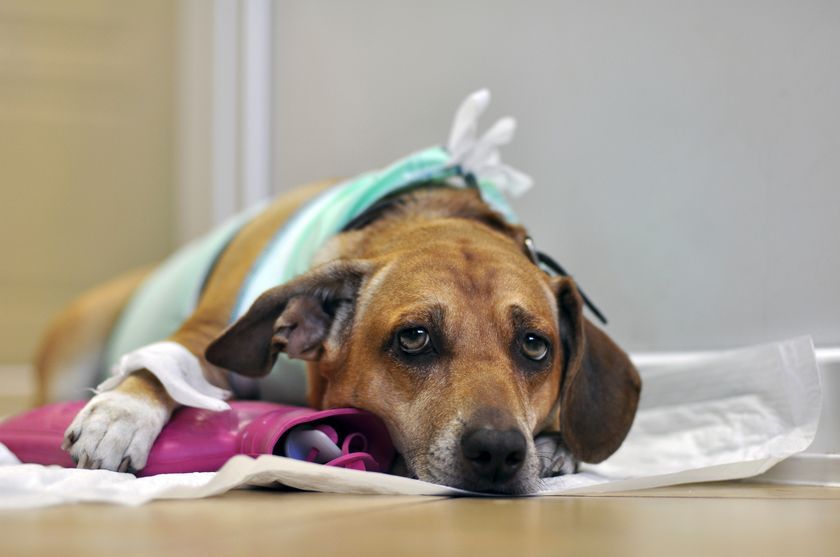
Differential diagnosis is usually established using laboratory and imaging tests. These include:
- Bacteriological testing for the presence of the pathogen. This analysis is a key method for diagnosing salmonellosis and allows the detection of Salmonella bacteria or the specific toxins (TTSS) they produce, which the microbe uses to destroy competitors. Feces are most often used for this test, and in some cases, nasal mucus or vomit are also used.
- ICA is an immunochromatographic test based on the difference in the rate of movement of components of a mixture in a flat thin layer and using the reaction between an antigen and its corresponding antibody.
- Serological tests. This method detects antibodies to Salmonella enterica or Salmonella bongori. Blood serum is used for the test.
- Polymerase chain reaction (PCR) is 100% effective in detecting the presence of bacterial DNA in the body and reliably diagnosing salmonellosis in dogs and cats.
Treatment
Treatment for salmonellosis typically involves antibiotics. It's important to note that using antibiotics without a veterinarian's prescription can be dangerous and can worsen your pet's condition. A specialist will select a combination of medications based on the sensitivity of the pathogen to ensure they are most effective against Salmonella bacteria. The dosage and duration of treatment are also determined by the veterinarian. The most commonly used antibiotics for treating salmonellosis in dogs are penicillins, third-generation cephalosporins, aminoglycosides, and sulfonamides.
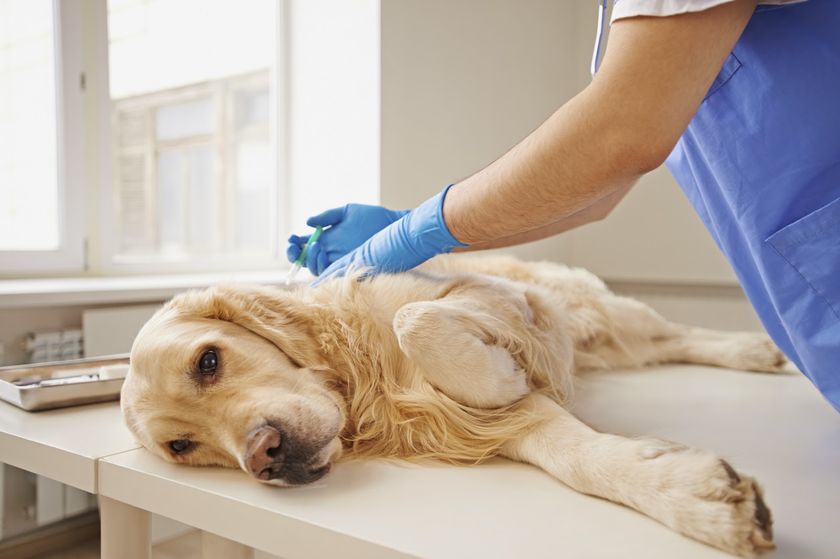
Medications can be administered orally or by injection. To administer a pill to your dog, hold it between two fingers and gently insert it into the pet's mouth, resting it on the back of the tongue. Then, close the dog's mouth, hold it horizontally, and gently massage its neck to encourage swallowing. If your dog doesn't swallow, try gently blowing into its nose to trigger the swallowing reflex.
You can also give your dog an injection (subcutaneous or intramuscular) at home. The most common injection site for dogs is the neck behind the withers. The needle should be inserted at a 45-degree angle. Intravenous injections should be performed by a professional.
To alleviate symptoms, the vet may also recommend antiemetic and antidiarrheal medications. If dehydration occurs, intravenous glucose, bicarbonate, or sodium chloride solutions may be administered to maintain hydration.
To restore the intestines and cleanse them of toxins, the animal is prescribed enterosorbents and a low-fat diet. Food should be soft to avoid damaging the irritated intestinal lining. It is recommended to add furacilin, rivanol, and a weak solution of potassium permanganate to the water supply for disinfectant properties.
Prevention of salmonellosis in dogs
To protect your pet from salmonella infection and prevent illness, it is recommended:
- Compliance with hygiene rules, proper thermal processing of food products.
- Before feeding a dog, owners should wash their hands thoroughly. This will help prevent the transmission of infection to the animal through contact with food.
- Avoid feeding the dog raw meat or uncooked dairy products, as they may be a source of salmonella.
- Regularly clean the area where your pet relieves itself to reduce the possibility of environmental contamination with Salmonella bacteria.
- Regularly undergo preventive examinations and check-ups at a veterinary clinic, vaccinate your dog on time and treat it for ectoparasites.
Read also:
- How to give a dog a pill
- My dog is pooping mucus and blood: reasons and what to do
- Enroxil for dogs


Add a comment