
Dogs Vomiting Undigested Food: Why and What to Do
Vomiting undigested food in a dog is a good reason to visit a veterinarian to determine the cause of this symptom and learn what to do to normalize their gastrointestinal function. In this article, we'll explain why dogs sometimes vomit undigested food, which symptoms require an urgent visit to the vet, and how to alleviate your pet's condition at home if prompt consultation with a specialist isn't possible.
Content
The mechanism of vomiting
Vomiting is a natural reflex of the body that occurs in both humans and animals in situations where it is necessary to empty the stomach of its contents as quickly as possible.
The defense mechanism is triggered when potentially dangerous substances enter the body with food or when stomach contents irritate the mucous membranes (due to poisoning, indigestion, or foreign body ingestion). However, sometimes a dog vomits undigested food after eating for no apparent reason, which is quite natural and causes concern in the owner.
Important! Depending on the diet, food is digested in a dog's body within 4-6 hours, and the complete cycle of a lump through the dog's digestive tract takes 12-15 hours.
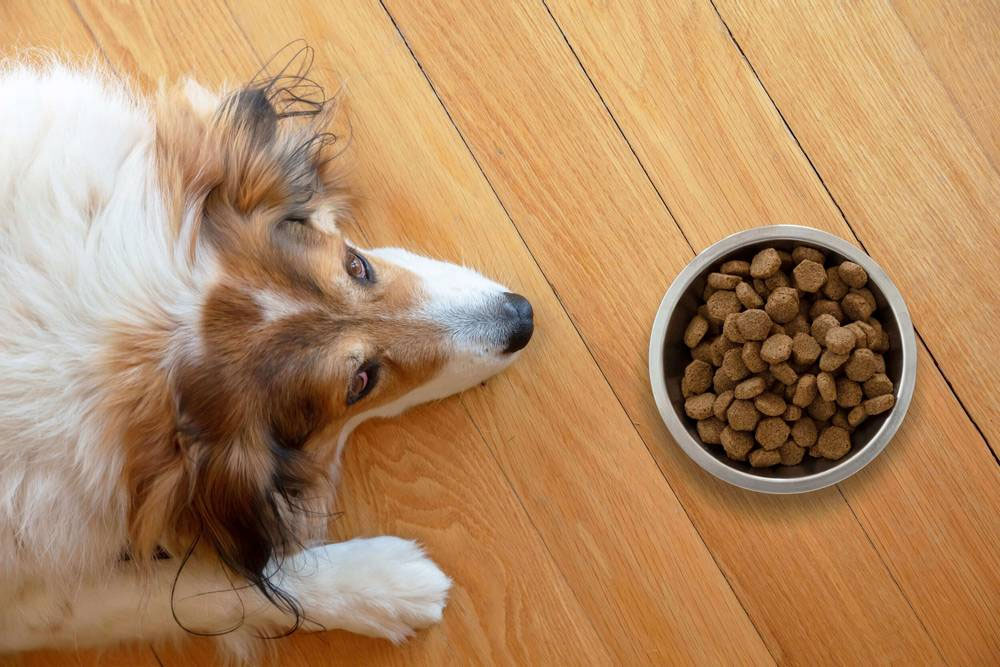
That's why it's normal for a dog to vomit immediately after eating, an hour later, or even several hours later, to have undigested food particles in the vomit. However, if a dog vomits undigested food after a longer period (not several hours, but 6-7 hours or more), this clearly indicates digestive issues.
Please note! Symptoms that indicate a dog is nauseous (even if there is no vomiting) include:
- frequent licking;
- increased salivation;
- frequent swallowing;
- gagging.
Why does a dog vomit (possible reasons)
To understand why a dog vomits undigested food immediately after eating or several hours after feeding, it is necessary to analyze the following factors:
- How often does the problem occur? (Is this a one-time occurrence, or does the dog vomit periodically after feeding)
- What is the obvious reason for a dog to vomit? (Voming in a dog can occur when eating stale food, suddenly changing the diet, feeding human food from the table, eating something during a walk, or overeating.)
- Are there any foreign impurities in the vomit? (Foam, mucus, helminths, and blood may be present).
- What was the animal's general health before the dog vomited? (Is his appetite, stool, activity level, temperature normal?)
- How does your pet feel after vomiting? (If a dog simply vomits, it will usually feel normal almost immediately after it vomits.)
Regurgitation (vomiting immediately after eating)
Experienced veterinarians know that this is the most common reason why a dog vomits immediately after eating. It's worth noting that occasional regurgitation is not a medical condition for most animals (especially puppies) and is not associated with gastrointestinal diseases.
This type of vomiting occurs when a dog eats food too quickly and greedily, swallowing large amounts of air. Typically, the animal vomits almost immediately after eating. A pet may also vomit immediately after eating grass.
You should be wary if:
- the dog regularly vomits undigested food (after each feeding);
- the animal refuses food or water;
- the dog vomits even when drinking a small amount of water;
- After the attack, other symptoms of malaise are observed (apathy, diarrhea, rumbling in the stomach, increased gas production, fever, etc.).
What to do?
- Review the diet and amount of feed.
- Use special feeders that prevent the dog from swallowing large amounts of food at once and that prolong the mealtime.
- Give your dog more water when feeding dry food or soak the kibble.
Vomiting a few hours after eating
Vomiting undigested food that occurs several hours after feeding indicates problems with the gastrointestinal tract.
The reasons can be very diverse:
- poisoning;
- indigestion (food is not suitable);
- stress;
- motion sickness;
- heat stroke;
- intestinal obstruction;
- toxicosis (in early pregnancy);
Naturally, vomiting can also be caused by a serious illness (infectious or caused by other pathological processes occurring in the animal’s body).
What to do? It's impossible to determine the exact cause of vomiting at home, so the possibility that the symptom is the onset of a disease can never be ruled out. Therefore, it's important to closely observe your pet and, if possible, have them examined at a clinic to determine the cause.

If the problem occurs only once, and after the attack is over, the dog feels normal, is quite active, eats normally, and has no other symptoms of illness, then you can normalize the functioning of the gastrointestinal tract by giving it sorbents from a veterinary pharmacy or human ones (recalculating the dosage based on the animal's weight).
If any other alarming symptoms occur, it's important to take your dog to the veterinarian as soon as possible for a comprehensive examination and diagnosis. Repeated vomiting may occur due to:
- various gastrointestinal diseases (gastritis, stomach ulcers, pancreatitis, etc.);
- infectious diseases (distemper, gastroenteritis, etc.);
- kidney disease (including renal failure);
- internal bleeding;
- oncological diseases.
Foam in vomit
With normal regurgitation, foam is usually not formed; the dog simply “returns” part of the eaten food mixed with gastric juice.
Moreover, the color of the foam found in the vomit may, in turn, indicate a specific problem in the animal’s body:
- white foam the dog vomits due to heat stroke or swallowing something inedible;
- yellow - from hunger, for diseases of the liver and gall bladder;
- green – for dysbacteriosis, digestive disorders and helminthiasis;
- pink (red), and also with black clots - for internal bleeding, gastroenteritis.
Diagnosis and treatment
If your pet vomits frequently, when planning a visit to the veterinarian, it is necessary to collect a small amount of vomit for analysis.
To determine the cause of recurring vomiting and make a diagnosis, your doctor may recommend:
- blood tests (general and biochemical);
- urine analysis;
- vomit samples (to rule out parasitic infection);
- Ultrasound and X-ray (to rule out intestinal obstruction and foreign body);
- gastroscopy (for diagnosis of gastrointestinal diseases).
If your pet's condition is severe or requires surgery, treatment will be performed in a hospital. In all other cases, you can follow your veterinarian's recommendations at home.
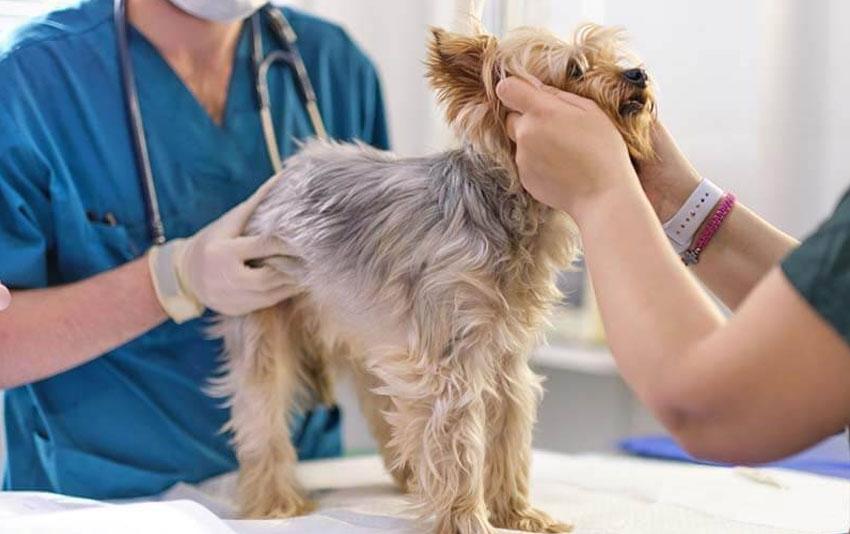
Depending on the diagnosis, complex treatment may include:
- antibacterial drugs (if necessary);
- anti-inflammatory drugs;
- antiemetic drugs;
- deworming treatment;
- enzymes;
- food supplements for the restoration of intestinal microflora;
- dietary ration (dry food or canned food).
Veterinarian's advice
Read also:
- Yellow Vomit in Dogs: Causes and Treatment
- Colic in dogs: symptoms and treatment
- Peritonitis in dogs: symptoms and treatment


Add a comment