
Polish Shepherd (Podhale Shepherd, Tatra Shepherd)
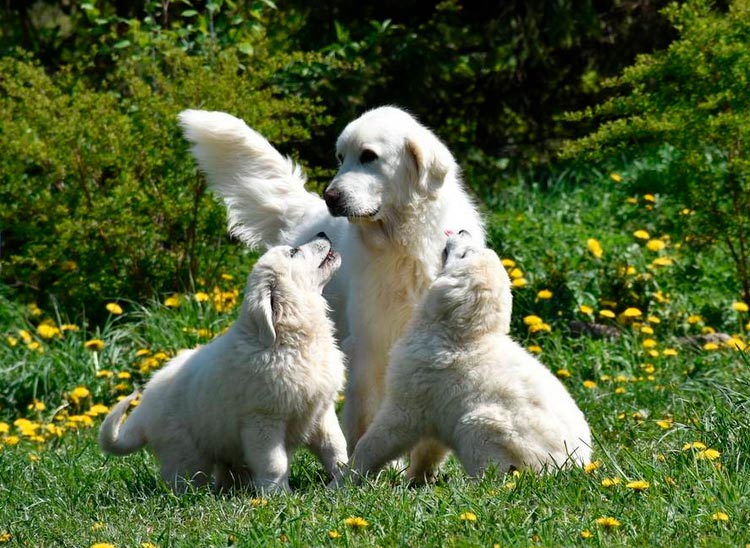
The Tatra Sheepdog is a sturdy, large dog used for herding and guard work. It is calm, even-tempered, intelligent, and active, forming a strong bond with its owner and home. It is not suited to city life or living in a house or apartment. Another name for this breed is the Tatra Sheepdog.
Content
History of origin
The first mention of white shepherd dogs in the Podhale region dates back to the 17th century, but it is believed that they appeared here much earlier. The most popular theory of their origin holds that white shepherd dogs descended from Tibetan mastiffs. During their journey from East Asia to Europe, they underwent significant modifications, leaving behind a trail of aboriginal breeds: the Mongolian, Caucasian, Gampr, and others. The first description of the Podhale Shepherd was made in 1938 by V. Wieland, who called them "mountain shepherds." Wieland was the first foreigner to discuss them as a breed. In his work, he writes that white shepherds inhabit the Tatra and Carpathian Mountains, which are undoubtedly related to the Hungarian Kuvasz. From time to time, breeding stock from both sides of the border intermingles.
The breeding of Tatra Shepherds began in the 1920s. Soon after World War I, they were recognized as a national treasure. In the early 1930s, Podhale Shepherds began to be bred outside their natural habitat, in Warsaw and Lviv. The first specialty show was held in 1937. Since the 1950s, the silhouette of a Podhale Shepherd has adorned the emblem of the Polish Kennel Club, further demonstrating the breed's value to the country.
Purpose
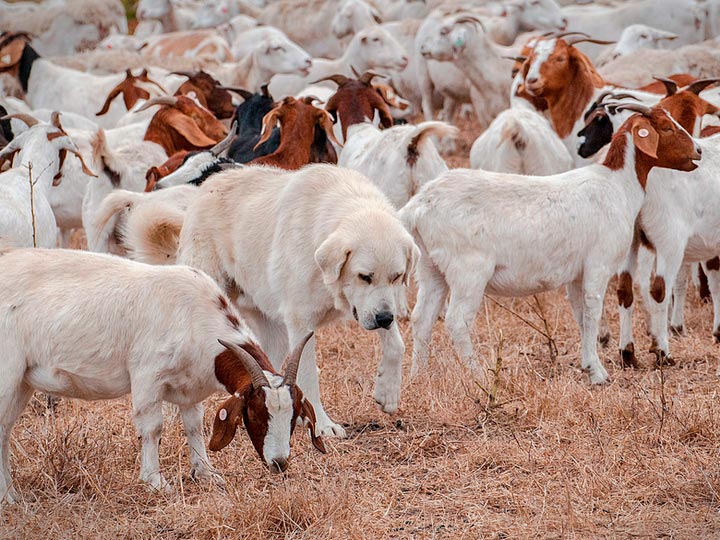
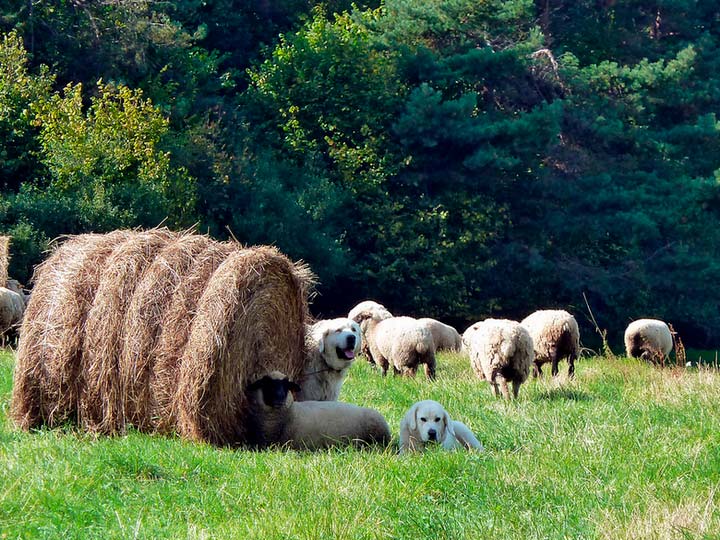
The Polish Tatra Sheepdog is a typical example of a large herding dog, whose primary role is to guard livestock from predators and humans. However, they are also capable of performing several other functions. cattle dogs: find lost animals, restrain and guide herds. In everyday life, they make excellent guard dogs, calm by nature but always alert.
Nowadays, the need to protect livestock from wolves and bears is not as pressing, but, as in the past, the Polish Shepherd copes remarkably well with the role of guard, watchdog, companion and family dog.
Video about the Polish Tatra Sheepdog (Tatra Sheepdog) breed:
Appearance
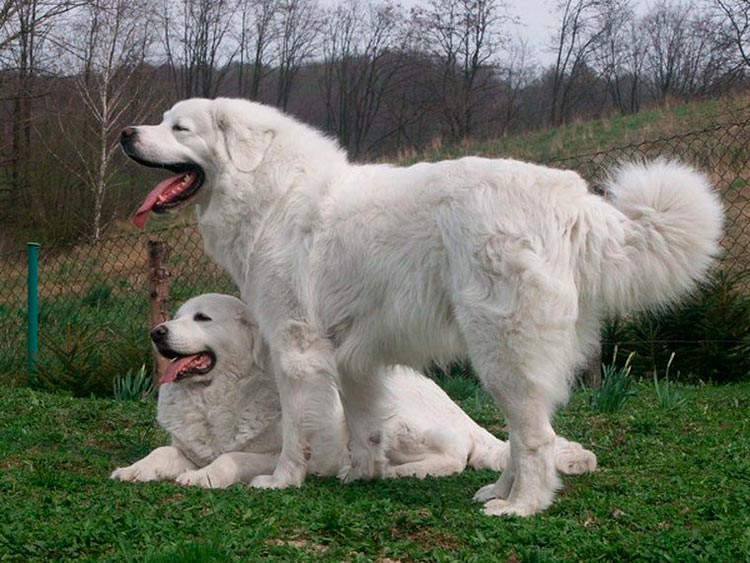
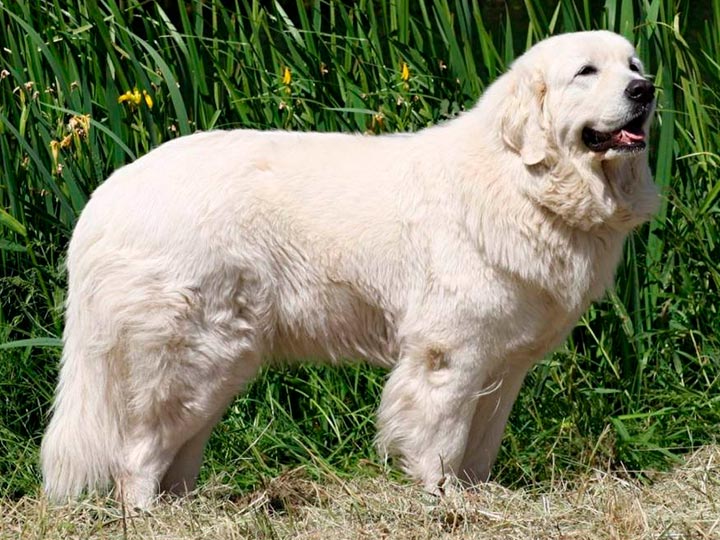
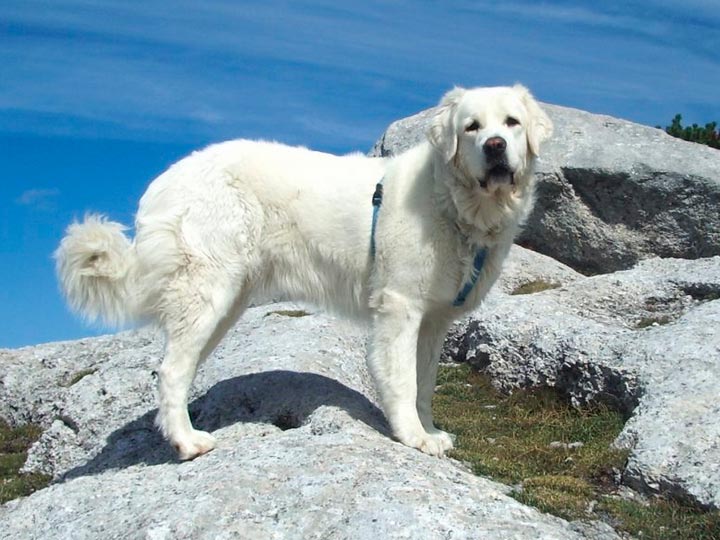
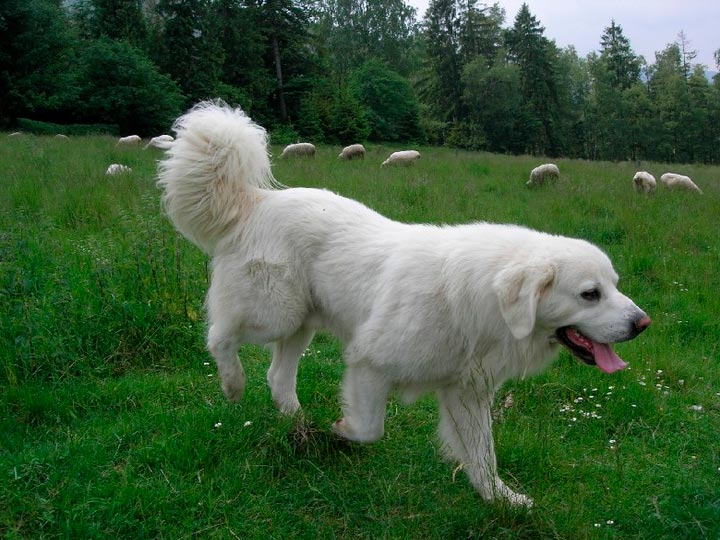
The Polish Tatra Sheepdog is a medium-sized dog with a compact, strong build. It should give the impression of strength and endurance. The coat is dense, medium-length, and exclusively white. Sexual dimorphism is well-defined. The height at the withers for males is 65-70 cm, and for females, 60-75 cm.
The Polish Tatra Sheepdog is very similar in appearance to Hungarian Kuvasz, Slovak dude And Maremma SheepdogThis is explained by the presence of common ancestors in these breeds.
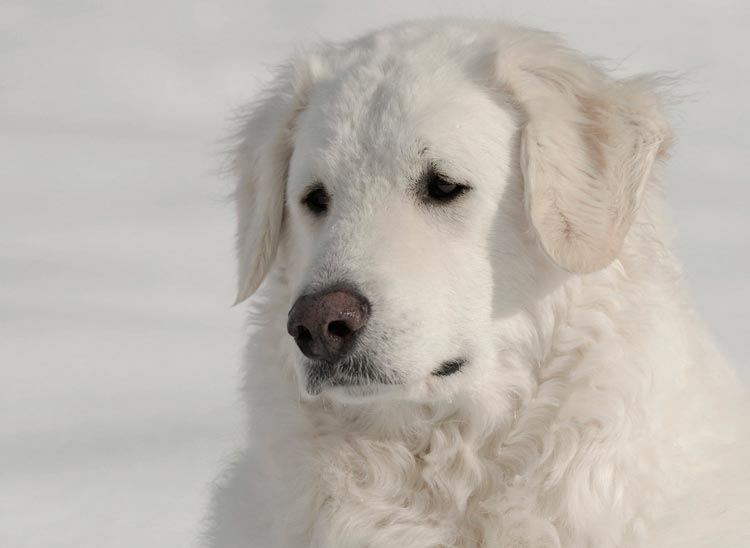
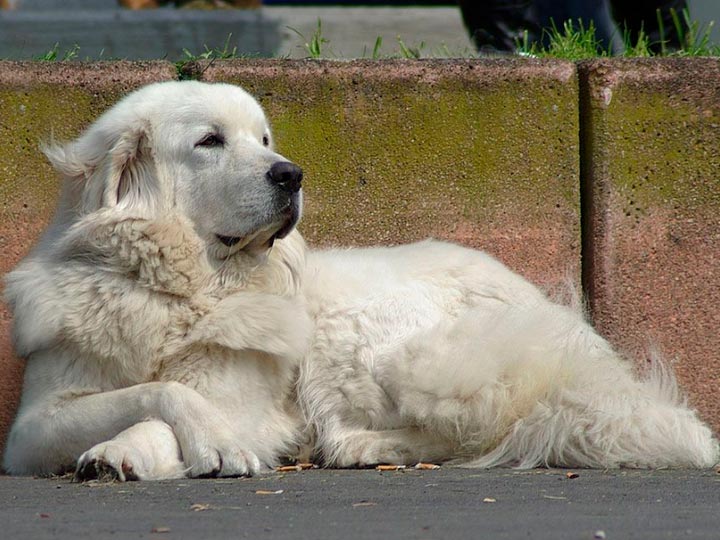
The head is dry and in good proportion to the body. The skull is slightly rounded, the frontal furrow is shallow, the stop is distinct but not abrupt. The muzzle is strong with a wide bridge, gradually tapering to a black nose. The length of the muzzle is equal to or slightly exceeds the length of the skull. The lips are tight, with dark edges. The teeth are strong, with a scissor bite, a straight bite is acceptable. The eyes are expressive, medium in size, set slightly slanted, and dark brown. The eyelids are well pigmented. The ears are set level with the outer corner of the eyes or slightly higher, and are of medium length. The auricle is fairly thick, triangular in shape, well-furred, and the front edge of the ear lies close to the head.
The neck is free of dewlap, muscular, of medium length, with a profuse mane. The body is massive, of an elongated format. The withers are wide and well defined. The back is level and broad. The loin is strong. The croup is sloping. The chest is deep. The ribs are fairly flat. The belly is slightly tucked up. The tail is not set too high. When moving or excited, it is raised above the topline. When calm, it is lowered, reaching the hock joint, the tip may be slightly curved. The forelegs are muscular, with strong bone, straight and parallel. The hind legs, when viewed from the rear, are vertical, with moderate angles. The paws are compact, oval-shaped. The pads are hard, strong, and dark in color. The claws are blunt, dark in color, and strong.
The hair on the muzzle, head, and the front of the front and hind legs is short. The neck and body are covered with long, straight or slightly wavy hair. The undercoat is very well developed. The neck has a rich ruff. The thighs are abundantly feathered. The long hair on the tail forms a plume.
Character and behavior
The Polish Shepherd is a balanced, calm dog with a strong watchdog and guarding instinct. Its impressive appearance, low bark, and large, snow-white teeth serve as an additional deterrent to intruders. Its temperament is docile and strong, with a touch of independence and stubbornness. It approaches strangers with caution. It examines new surroundings with suspicion, and only when very angry can it be dangerous. Among its family, it is very kind and affectionate. It is tolerant of children and their mischief, supports active play, and tries not to harm them, aware of its strength. However, when carried away, it can inadvertently push them. It usually gets along very well with other animals. It shows particular care for small livestock, a characteristic of its breed and its innate qualities. Conflicts with other large dogs can occur, especially between males.
The Podhale Shepherd is very independent in behavior and judgment. It can be stubborn and prone to dominance.
Self-control and moderation are evident in everything the German Shepherd does. They're not overly ambitious and won't rush around the yard, earning the title of the best alarm bell in the world. They prefer to watch, observe, and wait until an intruder violates their personal space before taking action. Initially, they'll issue a warning, but if necessary, they'll defend themselves with selflessness and courage. In rare cases, they can be overly noisy or overly excitable, but this usually indicates flaws in their training.
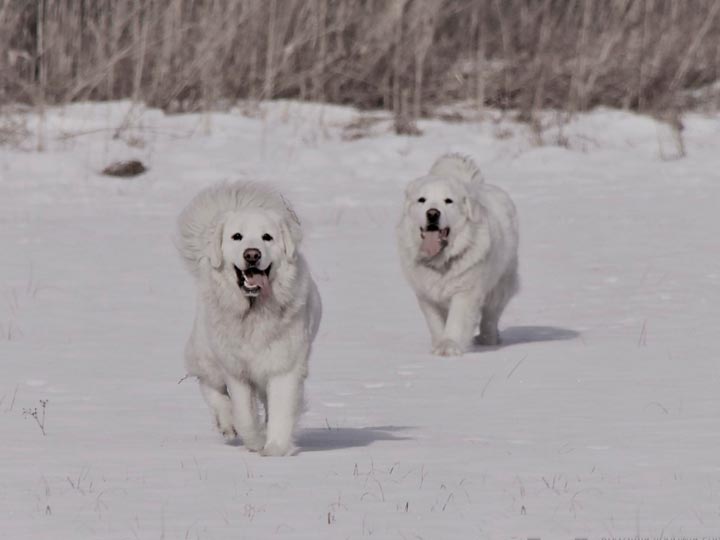
On walks, they are calm and friendly with people and animals. However, owners should not let their dogs off the leash. It's impossible to know what they might consider a threat. Tatra Shepherds behave interestingly in pairs. While one dog patrols the area, the other remains close to the owner, then they switch. This is similar to how dogs work in pastures.
Education and training
Training a Polish Shepherd is not easy. This is primarily due to the stubbornness and willpower of a young puppy. Psychologically, the dog matures late, around the age of two. Until then, it will take considerable effort and time to properly train the dog.
Physical violence and yelling are unacceptable. This negatively impacts the dog's character and discourages its desire to work. Training and training the Podhale Shepherd should be persistent but gentle. Lessons should be short but engaging for the puppy. Particular attention should be paid to its innate inclinations and talents. While the dog can be a good guard dog and herder, it is physically and psychologically unsuited to performing circus tricks or participating in sports such as agility or obedience. Podhale Shepherds do not like to be restricted or coerced; everything they do stems solely from love for their owner.
The Tatra Polish Shepherd is not the best choice for an inexperienced owner who is not prepared to devote a lot of time to attending classes, studying literature, raising and training the dog.
In terms of temperament, Polish Shepherds are more reminiscent of Central Asian or Caucasian Shepherd DogsThey won't perform the same command 10 times, like German Shepherds, and they won't impatiently await their owner's orders. They are moderately independent and tend to make their own decisions.
Content Features
The Polish Tatra Sheepdog is not suited to city life and is not suitable for house or apartment living. It needs to spend a lot of time outdoors. If left unattended, it can develop bad habits and become difficult to control. It adapts well to various climates, tolerates cold well, and adapts well to summer heat. Contrary to popular belief, it does not need to live in high mountains. It is not suitable for kennel or chained living. Providing dogs with the necessary exercise in an apartment is virtually impossible, especially for growing puppies.
There are two things that will make any Polish Shepherd happy: the need for its innate working qualities as a guard or shepherd and close contact with its owner.
Moderate exercise is essential. In addition to running around the yard all day, the dog should be given regular outside exercise. Long walks in nature and swimming are beneficial.
Care
Generally, grooming a Polish Tatra Shepherd is easy. Regular brushing and occasional bathing are sufficient to keep the dog neat and attractive. The snow-white coat is self-cleaning. The dog may get dirty, but once dry, it will return to its white color. Seasonal shedding is very heavy, so daily brushing is recommended during this period. Inspect the ears weekly and clean the auricles if necessary. Trim the nails as needed to an appropriate length if they don't wear down on their own.
Nutrition
A German Shepherd's diet is proportionate to its size, but quality must not be compromised. Owners can choose between homemade or commercial dry food. Both are suitable, provided the feeding guidelines are followed. The diet is developed based on the dog's age, size, physiological state, and activity level. Commercial food should be above premium standards and appropriate for the age and size of the breed. Vitamin and mineral supplements are recommended during the puppy's active growth period and thereafter, as recommended by a veterinarian, when feeding natural foods.
It's important to follow a feeding schedule and carefully select foods if your dog suffers from food allergies. It's also important to take all precautions to prevent gastric torsion, which is a common problem in this breed.
Health and life expectancy
The Polish Tatra Sheepdog is hardy, reliable, and resilient to adverse weather conditions. With proper care and nutrition, it maintains good health into old age. The average lifespan is 11-12 years.
A number of hereditary diseases are identified in the breed:
- Hip dysplasia;
- Elbow dysplasia;
- Predisposition to gastric torsion;
- Volvulus and eversion of the eyelids;
- Tendency to otitis of various etiologies;
- Allergy (the most common is food).
Mandatory preventive measures include vaccination and treatment against parasites.
Choosing a Podhale Polish Shepherd Puppy
The Polish Shepherd is a relatively rare breed. Interestingly, it is more popular in the Netherlands and America than in its native land, where it has largely given way to more fashionable breeds. A few Tatra kennels can be found in most European countries. Ads for puppies from private owners who, for whatever reason, have decided to breed them are common. These can be identified immediately based on price. Most puppies from amateur litters lack documentation of parentage, and the parents may carry hereditary diseases that are often not disclosed.
One of the most common conditions in the breed is hip dysplasia, so it's advisable to have the parents tested for it. This can be confirmed by x-rays taken at age over one year. The litter's parents must also have completed a course in obedience OKD, a dog in the city and the like.
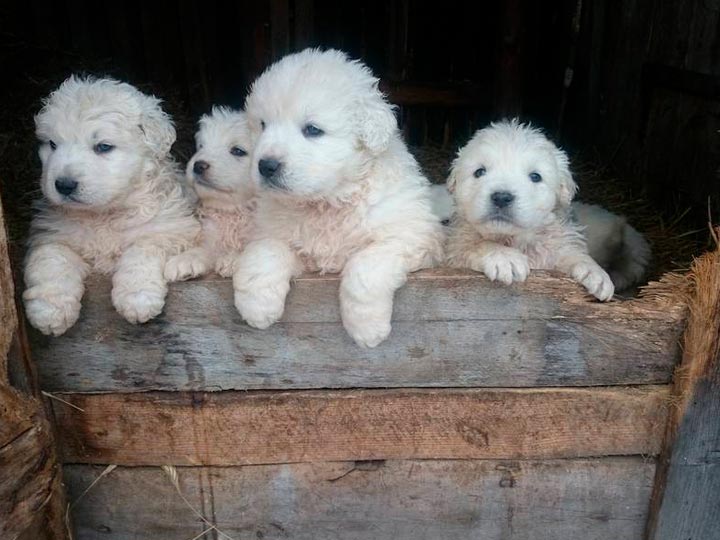
The puppies and their mother should appear healthy, active, and in good condition. The dogs' living conditions, the quality of their food, and their ability to exercise freely for extended periods are assessed. This is essential for the proper development of their musculoskeletal system. By two months of age, puppies already meet the standard in many respects. Their bite, ear set, paw strength, body shape, and other characteristics can be assessed. Purebred puppies are identified by a tattoo and a puppy card. They must also have a personal veterinary passport with vaccination records for their age. A microchip is required only for transport.
Price
The average price of a Polish Shepherd puppy from a kennel is 50,000 rubles. Sometimes, promising puppies from imported elite breeders can cost significantly more. There are also ads for Tatras for sale for 15,000-20,000 rubles. These puppies are usually the result of unplanned matings; they lack papers and are considered mongrel in the cynological world.
Photos
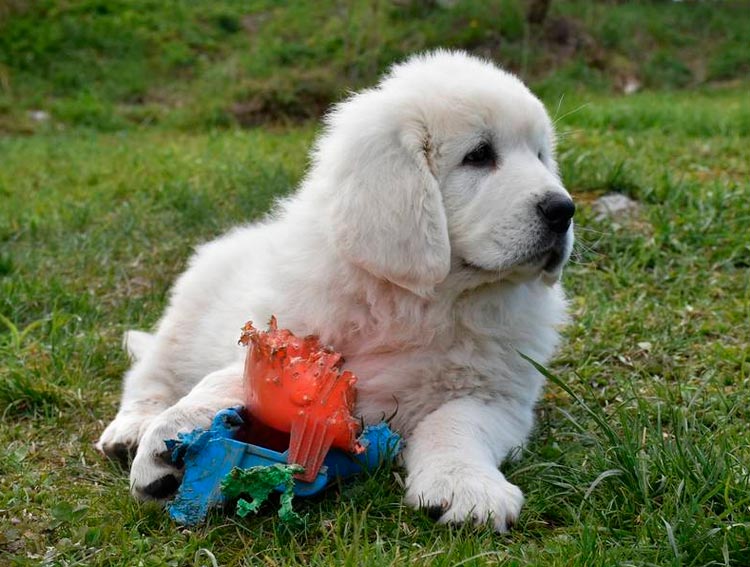
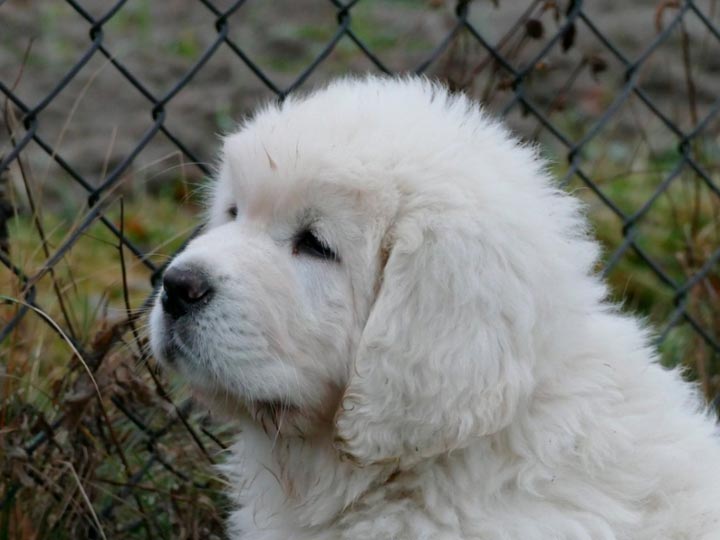
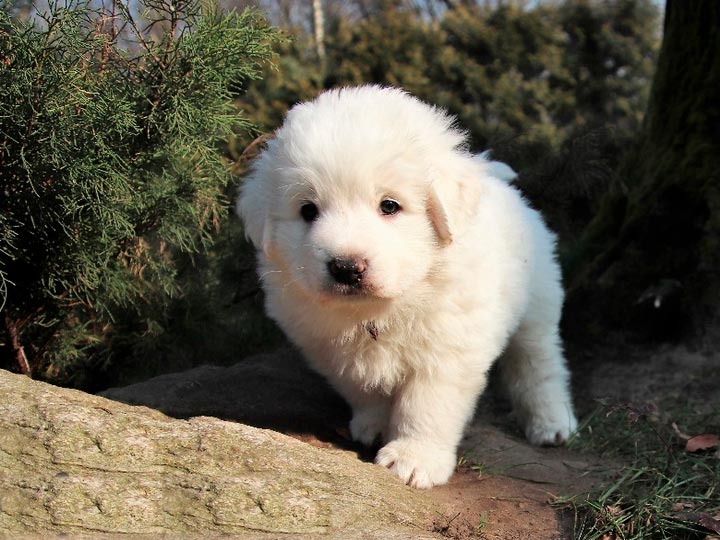
The gallery contains photos of adult dogs and puppies of the Tatra Sheepdog breed.


Add a comment