
Polycystic kidney disease in cats
Polycystic kidney disease (PKD) in cats is an autosomal dominant genetic disorder inherited by one or both parents. Polycystic kidney disease (PKD) affects approximately 6% of all cats, but is most commonly diagnosed in Persian and British Shorthair cats.
Content
Brief description and reasons
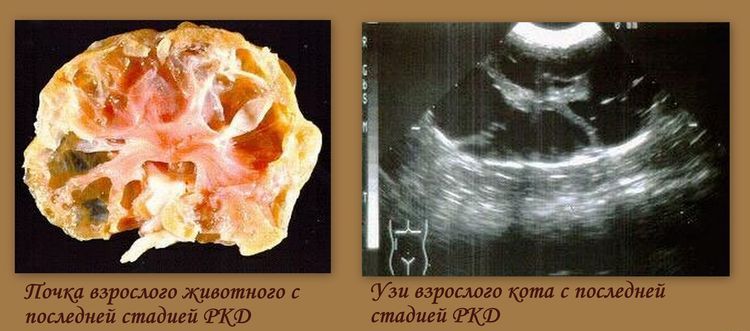
The disease is characterized by the appearance of numerous fluid-filled cysts in the kidneys. Cysts can be present in vital organs from birth and gradually grow in size, replacing healthy tissue. The disease typically culminates in the development of renal failureThe number of cysts, their size, and the rate of growth vary for each individual animal. On average, renal failure develops in cats reaching 7 years of age, but in rare cases, the condition manifests at an earlier age.

Polycystic disease develops when a defective pair of autosomal dominant genes is inherited. This means that even if only one parent carries the defective PKD gene, approximately half the litter will be affected. If animals both carrying the PKD gene mate, the entire litter will likely be affected.
Signs and symptoms
Symptoms of polycystic kidney disease in cats are usually associated with general signs of kidney failure. Progressive cyst growth significantly impairs filtration, which can lead to bladder complications and abdominal pain.
But the most obvious symptoms of polycystic kidney disease in cats are the following:
- general lethargy of the animal;
- polydipsia;
- polyuria;
- vomit;
- lack of interest in walks, games;
- weight loss;
- deterioration in the appearance of the coat;
- anemia;
- uncontrolled urination;
- ataxia;
- the appearance of blood in the urine.
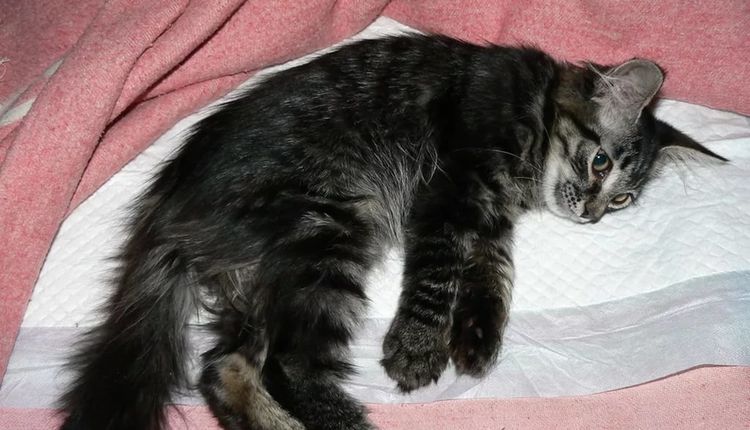
In the early stages of the disease, an animal may not experience any painful symptoms. But once the disease reaches its final stages, the pet will begin to suffer from acute, tearing pain. Unfortunately, the answer to the question "Can polycystic disease in cats be cured?" is no, so the only thing that can be done is to give painkillers.
Diagnostics
Obvious, painful symptoms usually indicate the onset of kidney failure. Therefore, the veterinarian will likely perform diagnostic tests, focusing on the urinary system. A complete blood count, including a biochemical profile, is performed first. Since the kidneys filter toxins from the blood (which are then excreted in urine), a comprehensive urinalysis is also an effective diagnostic tool. Once the preliminary diagnosis is confirmed, the veterinarian will refer the dog for radiographs and ultrasounds. Radiographs will allow for a precise assessment of the size and location of the cysts.
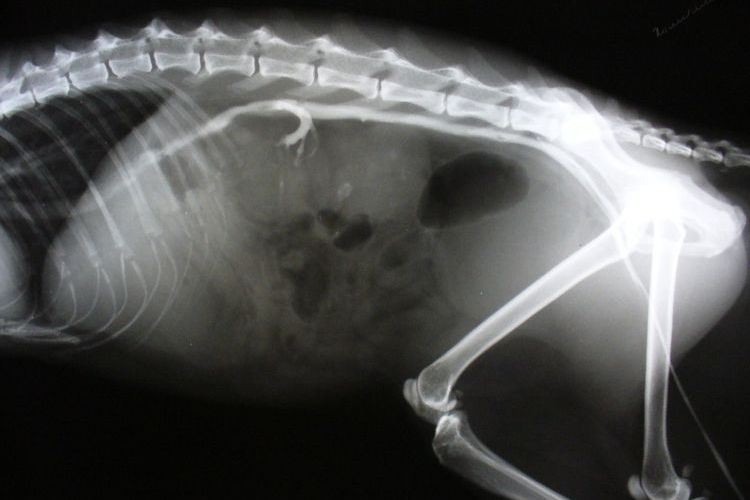
Ultrasound — an accurate and relatively inexpensive method for diagnosing polycystic ovarian syndrome, suitable for examining adult animals. In kittens under nine months of age, cysts may not be visible.
If you suspect a kitten may have been infected with the defective PBP gene, don't wait until the animal is fully grown. Simply order DNA testing from a specialized veterinary laboratory.
Treatment
Medication for polycystic kidney disease in cats is usually prescribed after kidney failure has been diagnosed. Initially, the animal is given subcutaneous saline to prevent dehydration. Subsequently, the pet will need to take phosphate binders (calcium carbonate or citrate) on a regular basis. This is because damaged tissues cannot properly remove phosphorus from the blood. This leads to excessively high phosphorus levels in the body. Chronically elevated phosphorus levels in the blood can lead to calcium loss, which can further lead to osteoporosis. If kidney failure has led to hypertension (persistently high blood pressure), calcium channel blockers are prescribed.
Caution! Giving diuretics to a cat with kidney failure to lower blood pressure is strictly prohibited!
Animals with cystic kidney disease are also often prescribed synthetic erythropoietin. In a healthy animal, this hormone (responsible for regulating red blood cell production) is produced by the kidneys. However, once more than 50% of healthy tissue is replaced by cystic tissue, signals for red blood cell production cease to reach the bone marrow. As a result, clinical blood tests of the sick animal show low red blood cell counts.
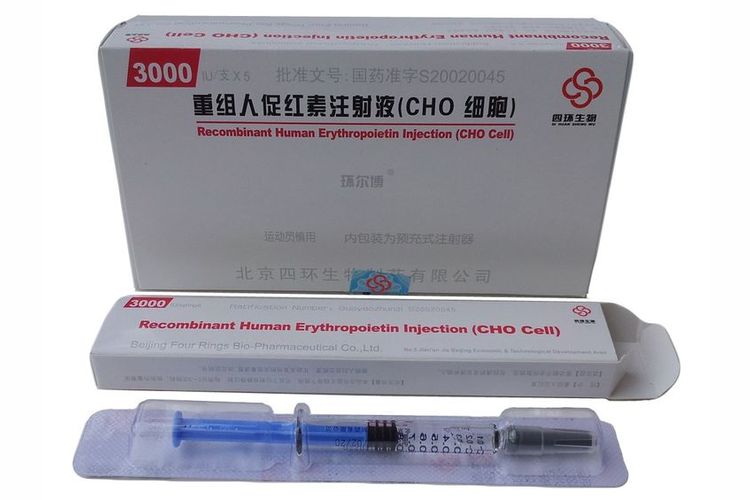
Important information! Currently, there is no veterinary form of erythropoietin available in pharmacies, so cats must be given a drug designed for humans. This substitution carries the risk that some animals' bodies may eventually recognize the synthetic hormone as foreign.
Important information for the owner
Unfortunately, polycystic kidney disease is incurable. Currently, there is no real way to slow the growth of cysts. It is also impossible to remove or lance the fluid-filled blisters. Therefore, owners must focus their efforts on ensuring their pet's pain-free and comfortable life.
To understand how to help a pet with this devastating diagnosis, it's important to understand how the kidneys work. This vital paired organ helps control blood pressure by secreting a unique enzyme called renin. When blood pressure drops (and organs don't receive enough blood), renin is released, causing blood vessels to constrict. Once the blood vessels constrict, blood pressure rises. Healthy kidneys filter toxins and excess water from the blood. The purified blood remains in the body, and waste products are eliminated in the urine. The kidneys also help maintain the proper balance of vitamins and minerals in the blood, including sodium, calcium, potassium, and magnesium. However, as cysts grow, all of these kidney functions become significantly impaired.
Therefore, it's important to reduce toxin levels in your cat's body. Ensure your pet doesn't come into contact with sick animals, eats simple but nutritious foods, and is vaccinated against the most common infectious diseases. It's essential to ensure your cat's diet is low in protein and phosphorus. Of course, cats need protein for normal growth, muscle growth, and rapid tissue repair. However, after the body processes ingested protein, it produces a waste product called urea. Cats with kidney failure cannot quickly and safely eliminate this waste product completely.
Survival prognosis
The lifespan and quality of life of a cat with polycystic cyst disease directly depends on the animal's overall health, as well as the number and rate of growth of the cysts. For example, a cat with several small, slowly growing cysts may live to old age and eventually die from something unrelated to the disease. Proper care will also contribute to a long life. However, cats born with multiple cysts may die within the first month of life.
Regular veterinary checkups and properly prescribed medications will prolong the life of your pet.
You can also ask our website's staff veterinarian a question, who will answer them as quickly as possible in the comments box below.
Read also:


-550x428.jpg)
14 comments
Inna
Hello! I live in a city with many veterinarians, but most of them are only concerned with money and not with the health of my pets. An ultrasound revealed polycystic kidney disease, nephrolithiasis, and a possible pancreatitis. They said I also need a complete blood count and blood work, but they charged so much that it was impossible to pay for these tests, and they were unfriendly. I don't want to deal with such rude people anymore. I need to go to another city for tests, but I can't afford them right now. I consulted with doctors in another city by phone. Before the tests, they recommended Telsartan N, 0.5 ml continuously, Canephron, 0.5 tablets for 21 days, then a break, etc., and Gefal, 1-1.5 ml taken for 3-5 days, 3-5 days off, etc. Do you agree with this treatment? Almost everyone says it's incurable and that the treatment is supportive. But one clinic told me over the phone that cysts can be resolved with hormones. What do you think?
Tatyana Shmonina - veterinarian
Hello! This is all supportive therapy. Tests can be taken at another clinic or lab.
Ivan
Hello, our cat started peeing everywhere a little over a week ago. At first, we didn't understand what was wrong, thinking maybe cystitis or kidney stones. We started giving him drops for it. Four days later, his urine started turning reddish. We took him to the veterinarian, and they told us his kidney was enlarged, possibly cancer. How and what to treat this, please advise. He's a 2.5-year-old British Shorthair.
Daria is a veterinarian
Hello! Was kidney cancer diagnosed by eye? Did they at least perform an ultrasound? X-rays? Not to mention CT and MRI scans; few clinics offer such services. Could it be polycystic kidney disease or hydronephrosis? Nephritis? Or other kidney pathologies? There are many. Were biochemical and complete blood counts performed? What medications did you give your pet yourself? Who advised the treatment without a diagnosis? Has the animal had any recent infections or other illnesses? A good clinic can remove a kidney, and the animal will live with one. Yes, care will be required, special feeding, and frequent monitoring of the animal's condition at the clinic (checkups with a complete blood count, biochemical analysis, and ultrasound). But honestly, kidney cancer is not that common. More often than not, metastases are already localized in these organs. My advice: look for a clinic that will perform a proper diagnosis with additional examinations and make a definitive diagnosis.
Snezhana
Hello. My cat has polycystic kidney disease (PKD) in both kidneys. The doctor examined him on an ultrasound and said there was almost nothing left of his kidneys. The doctor was very surprised that he was active, peeing and pooping well. They prescribed a switch to veterinary food for the kidneys and that was it. They said he didn't have long to live. At first, we thought he had overeaten food, which is why his sides were swollen. We felt lumps during a self-examination. And all this appeared instantly - within a week, his stomach had swollen, and two days have passed, and the cat with the huge swollen sides is active and shows no signs of illness. How can this be?
Daria is a veterinarian
Hello! Well, if the ultrasound confirmed this diagnosis, then why are you doubting it? It wasn't just something they felt; it was examined using an ultrasound machine. A blood test for biochemistry was also necessary to assess the kidney condition (the extent of renal failure). Assessing the animal's condition should be done after a comprehensive examination. Based on the ultrasound alone, it's not worthwhile. Perhaps you haven't noticed any symptoms because they've been present for a long time, and for you, they're already "normal," either because you've gotten used to them or because you don't pay attention. If there's almost nothing left of the kidneys, then symptoms should have appeared. And they should be obvious. It's possible to take the animal to another clinic for an ultrasound and have another look (but don't tell them what the animal has, so you can compare diagnoses).
Natalia
Hello! Our Siberian cat, Pushka, is almost 18 years old and was diagnosed with polycystic kidney disease. The doctor, based on an ultrasound and urine and blood tests, said his kidneys are at risk. He prescribed IVs, antibiotic injections, a diuretic, Canephron, papaverine, and a Renal diet. Is this correct? Pushka doesn't want to eat or drink. Could this treatment help him?
Daria is a veterinarian
Hello! Your pet has been prescribed supportive therapy. No therapy can completely cure polycystic kidney disease. Since the tests have confirmed kidney failure, your only option is to support kidney function with medication.
Lyuda
Hello. My 5-year-old Barsik also has polycystic kidney disease (PKD) in both kidneys. We gave him Renal, Hills, and pouches with pates. Now he's stopped eating all of them. He watches what we eat and asks for more. I know he shouldn't. But I'm still asking for the recipe for natural food. It's beef, turkey, rice, zucchini, and maybe something else I can make myself. I can't bear to look into his hurt eyes. You're right when you say he'll rush to eat, but then two days later he'll just start eating again. Maybe he's really nauseous and refusing the diet we tried again. What should I do? It's possible to balance his natural food! Help.
Daria is a veterinarian
Hello! I stopped eating because I realized I could manipulate you. You can't balance your diet that way. Since you have kidney disease, protein intake shouldn't be high. You'll also need to monitor magnesium and phosphorus levels to avoid triggering kidney stones. Balance vitamins and minerals, which means calculating and adjusting supplements. Always prepare fresh, warm food, without salt or spices, and low-fat. Plus, commercially prepared foods contain taurine, which cats need, but they can't produce it themselves, unlike dogs. If you were feeding specialized therapeutic foods, continue. Or do you still want natural food? When you sit down to eat, leave your cat outside the kitchen door and close it so he doesn't look you in the eye and provoke you into disrupting his diet.
Angela
Good afternoon! My 2.5-year-old Scottish Fold cat was diagnosed with polycystic kidney disease. Her blood and urine tests are normal. What would you prescribe in this case?
Dasha is a veterinarian
Hello! Everything depends on the severity of the disease and the extent of kidney damage. Unfortunately, all therapy is based on supporting kidney function (symptomatic therapy). I can recommend Cantharen, Liarsin, Corbaxylase, Heptral, vitamin B12 (Katosal is also suitable), Ipatekine, Canephron, and Phytolit. Hill's k/d food (Eukanuba Urinary, Royal Canin Urinary s/o, Purina Urinary) should be given for a six-month course. However, your veterinarian should have prescribed treatment after diagnosis, so do not self-medicate. Seek professional help (they will calculate the course of treatment based on the severity of the disease, and will advise on dosages and frequency of administration, adding or removing certain medications). Sometimes, daily IV drips are also required (for 5-7 days).
Angela
Thanks for the reply! Unfortunately, your recommendations are more focused on treating liver and urinary tract diseases, not kidney problems. Even the name of your food says Urinary, but it should be Renal. I was hoping that at least a knowledgeable specialist would respond here, but alas... 🙁
Dasha is a veterinarian
In fact, such foods are prescribed only AFTER a urine test, when the pH results are in hand. The food is then selected based on whether the urine is acidic or alkaline. For acidic conditions, Renal; for alkaline conditions, Urinary. But as I understand it, you don't need any more advice, so I suggest you find a veterinarian who will consult you after an in-person examination and with all the test results in hand. I wish your cat health and a long life.
Add a comment