
Why does a dog's stomach rumble and what should you do?
Gurgling sounds in the abdomen are occasionally observed in almost all dogs. Breeds with a natural predisposition to weak intestines are especially susceptible. The rumbling may be caused by the following:
Content
Nutritional errors
A dog's stomach may rumble due to overeating, or after eating foods that cause increased gas production, such as cabbage, cucumbers, or legumes. If a dog eats greedily, trying to quickly satisfy its hunger or get ahead of nearby "competitors," excess air enters the esophagus along with the food. This air is what causes subsequent flatulence.
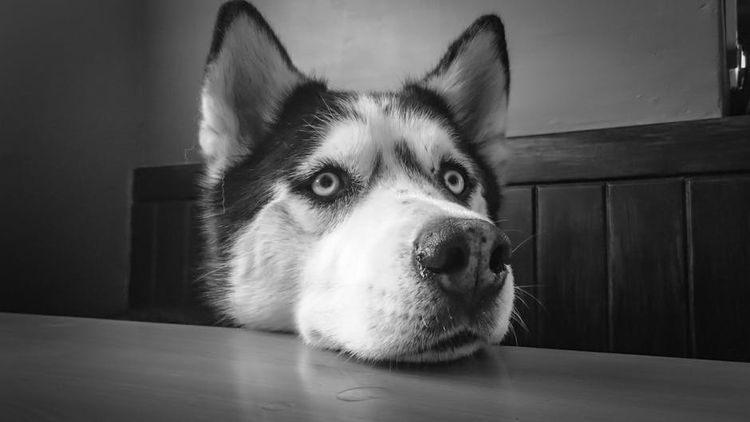
Some breeds are genetically predisposed to a weak gastrointestinal tract, so their stomachs react quite sensitively to even the slightest changes in their usual diet. Foods that can irritate their stomachs may include:
- sweets, treats;
- semi-finished products;
- salinity;
- smoked meats;
- hot spices;
- fried fatty foods.
Important: Mild indigestion is often observed when introducing new foods into the diet, as well as during the transition from natural food to dry food (or vice versa).
Another contributing factor that can cause rumbling is increased activity in a pet. Sudden movements, awkward turns, or rushed eating can all lead to temporary discomfort and heaviness in the stomach.
Poisoning
It can result from eating spoiled food, picking up various household items from the floor, or ingesting household chemicals or medications left unattended. Dogs, often left unattended, are most often susceptible to poisoning. It can be caused by curiosity or lack of attention. proper training They can pick up food on the street, try to "taste" various poisonous insects, small rodents, etc.
In this case, in addition to bloating and rumbling sounds, the following symptoms appear:
- Excessive thirst. The animal drinks frequently and heavily, almost without interruption.
- Difficulty breathing. The dog breathes intermittently and shallowly, unable to take a full breath.
- Severe weakness accompanied by mood swings: from complete apathy to increased excitability bordering on aggression.
- Vomiting and diarrheaBlood streaks and clots may be observed in the stool.
- Disorders of the central nervous system. Manifested in the form of convulsions, disorientation in space.
- Promotion body temperature.
- Profuse sweating.
The first thing you can do at home before seeing a doctor is to give your dog activated charcoal at a rate of 1 tablet per 5 kg of live weight.

Gastrointestinal diseases
Digestive system pathologies are typically the result of poor digestion of food in the intestines. Undigested food residues begin to rot, causing increased gas production and the development of various diseases: gastritis, dysbacteriosis, enterocolitis etc. If diagnosis and treatment are not timely, many of them can become chronic.
The clinical picture of intestinal disorders looks like this:
- decreased or complete lack of appetite;
- a strong rumbling in the abdomen, accompanied by a painful reaction both during palpation and at rest;
- Loose stools. Often observed are foamy, foul-smelling discharge containing lumps of mucus and blood clots;
- increase in body temperature by 1-2 degrees;
- vomiting with particles of previously eaten food;
- white coating on the tongue;
- general weakness, mood swings (aggression, apathy);
- dehydration;
- sunken eyes, cold extremities;
- heart rhythm disturbance.
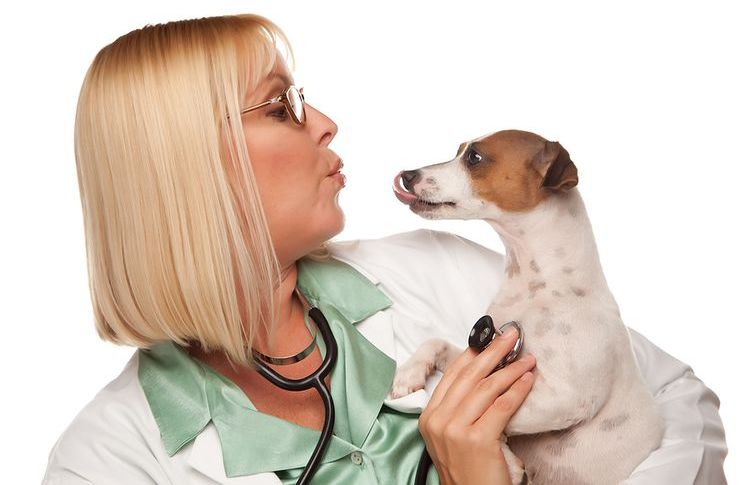
The dog should be taken to a veterinary clinic immediately. Self-medication can lead to irreversible consequences, including death.
Liver diseases
In cases of liver disease, abdominal rumbling is considered a secondary symptom. In addition to intestinal noises, the following symptoms are observed:
- urine takes on a reddish tint;
- The feces are whitish in color. Fatty inclusions are also present in the feces;
- pain in the right hypochondrium;
- an enlarged liver can be felt on palpation;
- yellowing of the skin and mucous membranes.
Important: Abdominal distension is sometimes confused with ascites. In this case, the rumbling sounds are weak, although the intestinal volume is also visually enlarged.
An accurate diagnosis is established after conducting appropriate laboratory tests and ultrasound examination.
Treatment
A treatment plan is prescribed exclusively by a doctor, based on the diagnosis. Typically, the following medications are used for intestinal peristalsis disorders:
- Nux Vomica. A homeopathic remedy made from chilibuha seeds. It is used for mild abdominal bloating that does not require hospitalization. Dosage: 2 pellets every 30 minutes or as directed.
- Cardus compositum. Provides preventative benefits and is indicated for dogs prone to flatulence. Add to drinking water 1-2 times per week, according to package directions.
- Mezim. This medication improves digestion and promotes rapid gas elimination. The dosage is determined based on the dog's weight and food intake. The average course of treatment is 7-10 days.
- Adsorbents: white clay, coal, enterosgel. Used for poisoningsVarious decoctions/solutions of astringent agents, such as bird cherry, oak bark, and bismuth salts, can help reduce gurgling sounds.
- Abdominal pain is relieved by the following medications: No-Shpa, Papaverine, Novocaine (0.5% solution), belladonna suppositories.
- Chamomile infusion. Has antiseptic properties. Can be used instead of water. Preparation: Pour 1 cup of boiling water over 2 tablespoons of dried flowers, let steep, strain, and cool.
If the dog refuses to take pills, an oral feeding tube can be used. This tube inserts special sorbents into the stomach to remove toxins and also flushes the gastrointestinal tract.
Prevention
A number of simple preventative measures will significantly improve your dog's well-being and minimize the occurrence of flatulence:
- The diet should be tailored to the pet's breed. During the recovery period after poisoning or medication, it is recommended to focus on lean meat and fish, fermented dairy products, stewed vegetables, and boiled eggs. Alternatively, use a dietary dry food with special nutritional supplements.
- Don't fill the water bowl immediately after a walk; give your pet time to calm down. Allow at least 30 minutes for the water to settle.
- Feed your pet on a strict schedule, keeping regular intervals between meals. Also, monitor food intake to avoid overeating. Avoid snacking, even if your dog appears hungry and asks for food.
- Do not allow your dog to pick up food scraps, trash, household items, insects, etc. from the floor or ground. If it is impossible to break your dog of its old habits (especially in adulthood), you should monitor its behavior yourself.
- Make sure you have all the necessary vaccinations on time and have scheduled checkups with your veterinarian.
To summarize, the following conclusions can be drawn. If a dog's stomach growling after eating is observed occasionally, and no other suspicious symptoms are observed other than the characteristic sounds, there is no particular cause for concern. Otherwise, you should immediately consult a veterinarian.
Read also:


Add a comment