
Why does a kitten have watery eyes and what should I do?
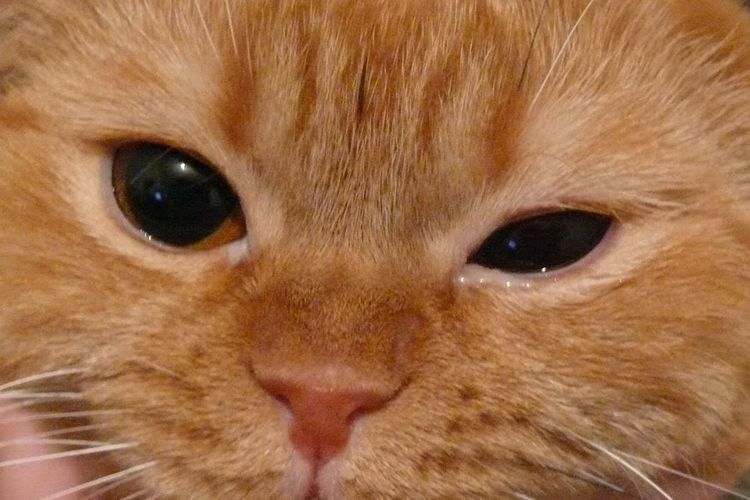
Kittens under 2-3 months of age often experience watery eyes. Sometimes this is a natural occurrence, related to age or genetics, but excessive tearing in kittens can also be caused by an underlying medical condition. Therefore, it's important not to ignore this symptom: you risk missing the onset of a serious underlying condition.
Causes of watery eyes in kittens
Kittens' eyes may water for the following reasons:
- Physiological. Young kittens' tear glands are quite active, but they don't yet know how to "wash" themselves. Therefore, in the morning, their eyes may show clear, transparent tears that dry quickly, leaving no crust. This is quite common and requires no treatment.
- Colds. Until 2-3 months of age, a kitten's immune system is not yet fully developed, so they catch colds easily. In addition to increased tearing, a cold can also cause signs of rhinitis, such as runny nose and sneezing.
- Traumatic eye injury. A kitten can injure its eyes while playing, or sand or debris can get trapped under the eyelid.
- Allergic conjunctivitis. One in five kittens suffers from this condition. It can be triggered by pollen and fumes from household chemicals. Sensitization can also be caused by foods containing dyes, flavorings, or additives.
If your kitten's eyes are watering excessively and the runny nose is running only during or immediately after eating, these are most likely signs of a food allergy—an intolerance to a particular type of food.
Inflammatory eye diseases (keratitis, blepharitis).
- Helminthiasis. Some types of helminthic infestations produce symptoms such as serous discharge from the nose and eyes.
- Breed predisposition. Tearing in kittens can be explained by genetic traits of the breed. For example, Persian, Scottish Fold, and British Shorthair cats have somewhat constricted tear ducts due to the unique shape of their skulls. Once the skull bones are fully formed, around two years of age, tearing subsides. Rex and Sphynx kittens often suffer from tearing, as they often have partially inverted eyelids, making their eyes more susceptible to injury.
What can you do yourself?
If your pet's eyes water primarily after sleep, it's most likely a physiological phenomenon. Daily eye hygiene should be sufficient. You can flush your kitten's eyes with chamomile, calendula, St. John's wort, furacilin, or boric acid infusions. There are special veterinary products for daily eye care—"Diamond eyes«, «Leopard"Beaphar Oftal," "Clean Eye." These products are hypoallergenic and do not cause burning.
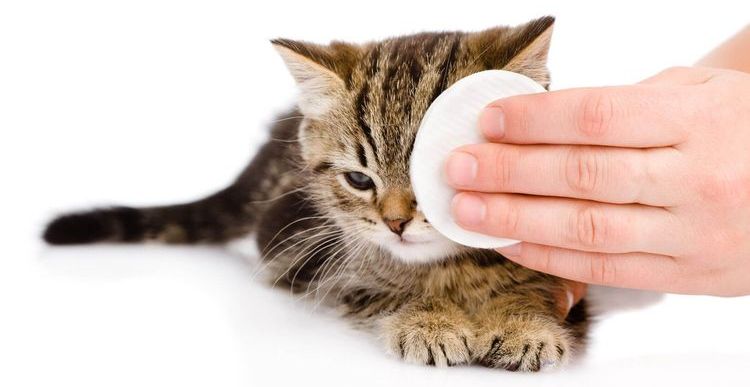
The eye cleaning procedure is carried out with a cotton swab or a piece of gauze. It is not recommended to use cotton wool, as its fibers can remain under the eyelid and cause irritation.
When cleaning the eyes, movements should be very gentle, moving from the outer corner to the inner corner. To ensure the kitten doesn't resist this procedure and keeps its eyes wide open, place it on your lap and, grasping the skin on the back of its head, lift its head.
When you need to see a doctor
You should be concerned if the discharge from the eyes is profuse and persistent, and the kitten is clearly uncomfortable, squinting and rubbing its eyes with its paws. This indicates that your pet is unwell, and watery eyes are one of the symptoms of illness. Particularly concerning is the thick, purulent discharge, causing the kitten's eyelids to stick together.
In this case, a visit to the veterinarian shouldn't be delayed—any illness is easier and quicker to treat in its early stages. After an examination and testing, the doctor will diagnose your pet and prescribe the appropriate treatment.
Infectious conjunctivitis kittens are treated with antimicrobial drops or ointments Tsiprovet, Gentafarm, Burdi, Tobramycin, Neomycin, Tetracycline, Levomycetin, Kanamycin. Additionally, daily eye washes with antiseptics are prescribed, with both eyes treated simultaneously.
If a kitten's eye is watering because a foreign object has gotten into it, the vet will carefully remove it and then recommend treating the eyes for several days with chamomile or calendula infusions or Traumeel, a liquid homeopathic remedy that prevents inflammation and accelerates the recovery of damaged mucous membranes.
If the tearing is caused by an allergy, the first step is to eliminate any further exposure of the kitten to the allergen (in the case of a food allergy, change the kitten's food). If necessary, your veterinarian will prescribe antihistamine ophthalmic medications (Allergodil, Lecrolyn, Cromoghexal, Zaditen, Opatanol, and Dexamethasone are used for kittens).
If the examination reveals worms in your pet, a course of antiparasitic treatment will be necessary. Small kittens are usually prescribed Drontal, Api-San, or Caneverm.
Once the cause of the tearing is eliminated, your kitten's eyes will stop watering. However, regular cleaning and disinfection are recommended, at least until your pet grows up and learns to wash and clean its eyes on its own.
How to properly clean a kitten's eyes: video from a veterinarian
Read also:
- How and what to use to wash a kitten's or cat's eyes
- My kitten has pus in his eyes: causes and what to do
- Eye drops for cats: a list of the best with reviews


2 comments
Kate
Hello, my kitten has red eyes. He's 2 months old. He has some discharge from his eyes, but it's not very large. Nothing's swollen. What is it? Please tell me.
Daria is a veterinarian
Hello! Are both kittens very red, or is it just a network of blood vessels that's visible? Have they had any illnesses? Have you tried any self-medication? Does the kitten have a fever? Is there anything bothering the kitten? What breed is it?
Add a comment