
Kidney failure in cats
Renal failure in cats is one of the most complex health problems reported in pets. This syndrome is extremely difficult to treat. The animal requires long-term treatment, often only managing to improve its condition.
But how can you recognize the disease? What symptoms suggest kidney failure in a cat? How can you help your pet?
Content
Kidney functions
The kidneys' primary function is excretion. They act as a filter for the body. The blood is purified.
Homeostatic. The volume of fluid in the body and the constancy of its ionic composition are regulated. The kidneys also maintain the osmotic pressure of the blood and its pH within physiological limits.
Regulatory. A hormone (renin) is produced, which is necessary for osmoregulation.
Metabolic. Glucose is synthesized in organ tissue. This function is especially active during periods of prolonged starvation, when all glycogen stores have been depleted.
Causes of kidney failure
In addition to the main causes, there are also contributing factors, due to which the risk of a cat developing kidney failure increases significantly.
- Old age. As an animal reaches 8-10 years of age, the risk of developing health problems increases. And this isn't just about diabetes mellitus, heart problems. Kidney dysfunction is often recorded.
- Poor genetics. If your pet has a history of urinary tract problems, you should be on guard. Some scientists have found a genetic predisposition to kidney failure in breeds such as Persians, Angoras, and other long-haired felines.
- Poor housing and feeding conditions, and lack of free access to good, clean water all impact the animal's health.
- Kidney injuries (including those caused by stones forming in them).
- Infectious diseases.
- Uncontrolled use of medications. The kidneys filter the blood, and residual amounts of medications "settle" in the kidney parenchyma. Many medications intended for human use are downright harmful to cats. Paracetamol and aspirin, for example, damage the renal tubules, impairing organ function.
Symptoms of kidney failure in cats
What are the most common symptoms of kidney failure in cats?
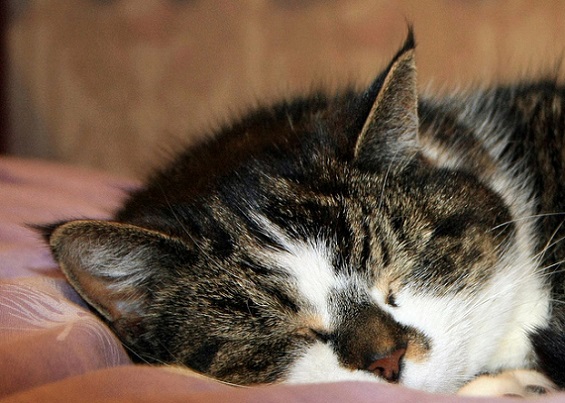
First, pay attention to your pet's behavior. If your cat becomes lethargic, refuses to eat or drink, begins losing weight, or urinates infrequently, painfully, or inappropriately, seek veterinary attention immediately. A cat with kidney failure will also vomit and have impaired coordination.
The diagnosis of chronic renal failure in cats is made if more than 70% of the parenchymal tissue is affected.
Treating a cat with kidney failure
Treatment for kidney failure in cats begins only after a veterinarian confirms the diagnosis. The symptoms can be characteristic of other kidney diseases, and treatment is individualized in each case. The sooner proper treatment is started, the better the chances of a cure.
- If the cause of the insufficiency is a blockage in the tubules, they must be cleared of foreign matter. If the stones are in the urinary tract, they can be removed with a catheter. However, if the blockage occurs higher up, clearing the tubules will be difficult.
- Regardless of the disease's progression and underlying causes, infusion therapy (IVs) is used. Intravenous administration of saline solutions helps restore homeostasis, thins the blood, and detoxifies. Glucose It also helps support a cat if it hasn't eaten or drunk for a long time. Dehydration associated with kidney disease is extremely dangerous.
- Diuretics (medications that increase urine production and excretion) are often prescribed. This will help "cleanse" the kidneys, including removing accumulated toxins.
- Medicines to combat anemia.
- Antiemetics and medications to support digestive function are prescribed. If the cat has high blood pressure, the veterinarian will prescribe medications to normalize it.
- In very complex situations, veterinarians may perform surgery to remove the affected kidney. However, this is extremely rare, as not every clinic has the necessary equipment or specialists in this field. Furthermore, the animal's rehabilitation is lengthy and complex. There is no guarantee that the cat will fully recover.
Feeding a cat with kidney failure
If you're wondering if your cat has kidney failure, is it treatable? Yes, it is, but the process is labor-intensive, and without addressing the underlying cause and providing proper nutrition, the condition will return. Even after the animal recovers, it's essential to follow a special diet.
What should you pay attention to when feeding these cats? Keep the protein content low. High protein concentrations can negatively impact the kidneys. Therefore, you shouldn't feed your pet only protein foods (even perfectly healthy ones). They should also include carbohydrates and fats. Also, monitor phosphorus levels (and reduce their intake).
If your pet eats commercial food, it's easier for you to balance their diet than for cat owners who prefer natural foods. Pet stores are full of specialized foods.
If you feed your cat natural food, make sure it only eats light proteins. Avoid completely eliminating protein, as it's the body's building block, essential for tissue, muscle, and bone health. Include boiled egg whites, boiled chicken and turkey (without salt or spices, ideally the tenderloin), and cooked liver in your diet.
You can also ask our website's staff veterinarian a question, who will answer them as quickly as possible in the comments box below.
Read also:


3 comments
Sergey
Hello. Our cat has chronic kidney disease. He's always eaten raw chicken breast. He refuses to eat commercially prepared medicated food. You write: "If you feed your cat natural food, make sure he only eats light proteins." Could you tell me what kind of natural food with light proteins is this?
Thank you.
rizuan
We also have the same problem, we don’t know what to do.
Alesya
Hello. Our cat has kidney problems. Her lab results are negative, and her serum creatinine (animals) is four times higher than normal. She hasn't even drunk water for six days. Her teeth are chattering. Her saliva is sticky. Her eyes are clear, and she's conscious. It would be more humane to euthanize her, but no one is willing to do that. I know our beloved cat can't be saved. I'd like to know how long an animal can suffer like this?
Add a comment