
My cat has urinary incontinence: what should I do?
Urinary incontinence in cats, as in humans, is quite common. However, it's not always immediately obvious that it's a medical condition: many owners mistakenly believe their pet is "getting revenge" or intentionally damaging things. Situations vary. In some cases, a cat may be intentionally marking its territory, while in others, it may be an involuntary voiding of urine. In any case, urinary incontinence in cats is an unpleasant problem, but it shouldn't be ignored. It's crucial to identify the underlying causes and address them.
Owners often don't immediately realize their cat is incontinent. At first, it may seem like their pet simply can't make it to the litter box or is deflecting out of spite. However, if it becomes apparent that the process is occurring unconsciously, it's important to understand why the cat is incontinent. Only after identifying the cause, together with a veterinarian, can they determine the proper treatment and help their pet.
Content
Types of urinary incontinence in cats
Yes, there are several types of urinary incontinence in cats. Let's look at each one.
- Digging.As the name suggests, urine is released literally drop by drop. This type of incontinence is difficult to notice. Only an attentive owner will notice small wet spots on the carpet, furniture, bedding, or floor. The droplets are released when the pet runs to the litter box or jumps up suddenly.
- Constant leakage.With this type of incontinence, a cat urinates constantly, but more frequently when the animal is active (standing, running, sitting). As soon as the bladder is full, urine is released immediately, and the pet is unable to reach the litter box in time because it is unable to control its urinary sphincter.
- Urgent.This form is easier to recognize than others. With this type of disorder, the pet's face clearly shows signs of fear due to not having made it to the litter box in time. The urge to urinate is so strong that the animal has no time to react. The puddle appears unexpectedly for both the owner and the pet.
- Stressful.A cat urinates whenever it finds itself in a stressful situation, and not necessarily out of fear.
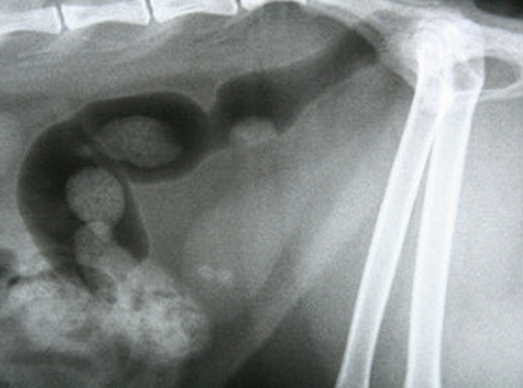
Reasons
In fact, there can be a multitude of reasons for urinary incontinence in cats! Let's explore each of the possible causes.
Impaired functioning and disease of the central nervous system
When nerve signals aren't transmitted "normally," malfunctions in the body are possible. And it's not just cats that can develop urinary incontinence. Infectious diseases, inflammatory processes in the brain or spinal cord, and injuries (blows, concussions, bruises, etc.) can all cause this. Urinary dysfunction most often occurs after a spinal injury (especially to the lumbosacral and caudal spine). A surgical procedure may have been performed incorrectly, damaging nerves. Pressure on nerves or the brain itself (tumors, swelling, hematomas, etc.) cannot be ruled out.
Other reasons
Other possible causes of urinary incontinence in cats.
| Congenital pathology of the genitourinary system | With this cause, a cat has been unable to hold urine since puppyhood. Owners may mistake this for poor manners and say the kitten refuses to use the litter box. Only a veterinarian can detect the problem after a thorough examination (an ultrasound is ideal). |
| Infection | Both "general," meaning affecting the entire body (several organ systems, including the urinary system), and those specific to the genitourinary system. For example, nephritis, nephrosis, cystitis, and others. |
| Urolithiasis |
This disease is becoming increasingly common in pets. The cause is that owners feed their pets improperly. Many don't even realize that mixing dry food and natural food is not recommended, or they skimp on commercial pet food, buying cheap and unbalanced options. |
| Metabolic disorder | This leads not only to the development of urolithiasis in cats, but also to excess weight gain and even diabetes. It's crucial to monitor your pet's health, regularly visit the veterinarian, and maintain a balanced diet. |
| Age-related changes |
As we age, our sphincters become less controlled, which is where the leaks come from. |
| Childbirth | Sometimes urinary incontinence is recorded in cats that have given birth. |
|
Paralysis, paresis or spasm of the bladder |
Any of these conditions can result in a cat losing control of its bladder. However, this condition doesn't just appear out of thin air, so it's important to determine the underlying cause of your pet's bladder failure. |
Symptoms of urinary incontinence
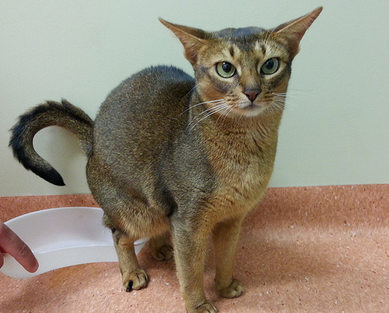
It's hard to miss the symptoms of urinary incontinence in a cat. But most of them depend on the reason why the pet started urinating. Common causes include anxiety, fear, wet fur on the inner thighs or tummy, or a puddle or droplets where the pet sat or lay. If the condition is inflammatory, the animal may meow pitifully during urination (due to pain). If there is paralysis or paresis of the bladder itself or nerves, the animal may not even realize it has urinated. Therefore, it's difficult to talk about any "obvious" symptoms other than a sudden puddle of urine. There are many causes, and each has its own clinical presentation.
Treatment for a cat with urinary incontinence
Treatment for a cat with urinary incontinence depends primarily on the underlying cause. If the cat has an infection, antibiotics are essential. If excess weight is the cause, a balanced diet and exercise are essential. If a nervous system disorder is present, the underlying cause must be addressed. This isn't always reversible. In these cases, the cat may need to be diapered and several litter boxes placed throughout the apartment.
Prescribing medications yourself is not recommended. This will only worsen the situation. Many medications are completely contraindicated for animals. Therefore, a veterinarian is essential. An ultrasound is often required to "see" what's going on inside your pet.
Prognosis and possible complications
The prognosis and potential complications of urinary incontinence in cats depend largely on the underlying cause of the enuresis. If the problem is related to an infection, a course of antibiotic therapy typically stabilizes the animal's condition and restores urinary function.
A more cautious prognosis is given in the presence of complicating factors, such as advanced age. Older cats respond less well to treatment, and tissue regeneration is significantly slower. In such cases, urinary leakage often persists, and the owner must maintain the pet's quality of life by paying particular attention to hygiene and care.
Full recovery is also impossible with severe brain or spinal cord injuries resulting in paralysis. Treatment depends on which part of the nervous system is affected. Lower motor neuron damage causes constant urinary incontinence, while upper motor neuron damage causes a lack of normal urge to urinate. In the former case, special diapers are used, while in the latter, regular manual bladder emptying is performed to prevent overdistension.
Potential complications of enuresis in cats include urinary tract inflammation due to urine retention, loss of reproductive function, and the development of hydronephrosis and renal failure. Without prompt treatment, urinary incontinence can lead to serious consequences and even death.
Preventing urinary incontinence in cats
Preventing urinary incontinence in cats involves preventing potential causes from affecting your pet. Feed your cat a balanced diet, avoid drafts, and make the area safe (to prevent your pet from hitting themselves or falling). Take them to the vet regularly to stay informed about your cat's health. Unfortunately, it's more difficult with older cats. No matter how much you care for your pet, the risk of urinary incontinence in an older cat remains.
Any questions? You can ask our website's staff veterinarian in the comments below, who will answer them as quickly as possible.
Learn more about urinary incontinence in cats and dogs in this video:
Read also:
-550x428.jpg)


50 comments
Olga
A 2-month-old stray kitten, when we washed him, we thought the urine smell would go away! But no, he pees in the litter box and sometimes doesn't reach it. The problem is that the fur on his paws is all torn and his pee spot is swollen. We went to the doctor today and they said it's pathological, but they prescribed two antibiotic injections: one today, and the second one in 48 hours. What should I do? I've had him for three days.
Daria is a veterinarian
Hello! What exactly is the problem? They didn't say? Kidneys? Bladder? Nerve conduction disorder? I should get an ultrasound to see what exactly the problem is.
Maybe he caught a cold outside. Maybe there really is an anatomical abnormality. Maybe there's a problem with nerve impulse transmission (but here we need to look into the lumbosacral spine, to see if there are any pinched nerves or other issues). Maybe it's idiopathic cystitis (stress). We need to figure out what the problem is before giving up on the kitten. And if there's a chance to cure the little one, don't give up too soon.
Tatiana
Dear veterinarians, could you please tell me something? My cat is 5 months old. Around 3 months old, we noticed he was leaking urine while sleeping. It wasn't much, but a couple of times he leaked so much that it soaked through two layers of a cotton blanket. When he's awake, he uses the litter box and acts like a normal kitten, even a very active and inquisitive one.
He's affectionate. There were no injuries. He eats well and has normal stools. On the vet's advice, I switched him entirely to Royal Canine. He's been dewormed and flea treated. He hasn't had any vaccinations. We had an ultrasound and found no abnormalities. Urine tests: protein (absent), white blood cells, epithelium, and geolin casts are normal, and there are no crystals in the urine. I hope he outgrows it and everything will be fine. Is this possible, or is it a pathology?
Daria is a veterinarian
Hello! I understand you have a male kitten. Try feeding him wet food and limiting his water intake at night. He may be drinking a lot and not yet fully aware that his bladder is full in his sleep. The large volume of urine puts pressure on the bladder, and the sphincter can't cope, causing urine leakage. He'll likely outgrow this problem, but you need to help him.
Observe how much he drinks before bed and during the day. How often he urinates during the day (maybe infrequently, but accurately, which could lead to an overstretched bladder, which leads to decreased sensitivity of the nerve cells in the bladder). Add vitamins A and E to his diet to improve mucous membrane renewal and cell regeneration.
Xenia
Hello, my cat is 16 years old and has started peeing, if you can call it that. Out of the blue, she starts going to the bathroom frequently, then gets tired and just sits down on the floor wherever she can, lifts her paw, and you can see large drops of urine leaking out infrequently. She sits there and licks it. There's no clear indication of this.
She can do it once a week, once a month, twice a week, every other day. It can start early in the morning or late in the evening…there's no pattern. But at the same time, it doesn't happen often. We took her to the vet, had a urine sample, blood tests, and an ultrasound. They said the results were perfect for our age.
We insisted on a 7-day course of antibiotics, but I can’t remember the name, damn it.
They said they were very expensive, and after the injection, the cat couldn't stand on her paw, and she screamed loudly during the injection. It's useless, and the clinic (where we are seen regularly) shrugs. They're offering a course of incontinence pills, but we're hesitant. We're afraid to treat it because of our age and the dire consequences. If necessary, I'll call the clinic and find out what they injected and in what dose. Please advise what this could be, if you have any suggestions or advice based on your experience. I'd be grateful for any answers.
Daria is a veterinarian
Hello! Unfortunately, it's more complicated with cats. Most medications prescribed for urinary incontinence are designed for dogs. Propalin, for example, is one. There are other similar medications that contain the active ingredient phenylpropanolamine. However, most of these are hormonal (steroids). Again, it's dangerous to give it to an animal without knowing what's wrong with it, as it could disrupt its hormonal balance completely (the animal is already elderly). Was the animal stressed before the symptoms of urinary leakage appeared?
Taisiya
Hello. I recently noticed my cat is incontinent. He's most likely hypothermic. What medication should I take?
Daria is a veterinarian
Hello! An in-person examination is needed for a definitive diagnosis. If it's just leakage, a course of Propalin can be used (but it's not cheap). Alternatively, the animal may have cystitis. In that case, an antispasmodic, antibiotics, anti-inflammatory medication, and a diuretic for the first day or two are needed.
Natalia
Hello. I crushed my cat's lumbar spine with iron doors. Now she can't hold her urine. The vet recommended a 0.2 ml injection of Prozerin for two weeks. Will this help?
Daria is a veterinarian
Hello! Have you told your veterinarian about the injury? Did you take it to an appointment or did they advise you over the phone? An x-ray is needed to rule out a spinal injury in the lumbosacral region (this is the part of the spinal cord responsible for defecation and urination), as an injury to this region can cause incontinence.
Prozerin will help if the problem lies directly with the bladder's innervation. Without diagnosis and a full examination, it's impossible to say what exactly will help. The problem may persist for life if there is severe spinal cord damage.
Svetlana Maslovskaya
Hello!
Today, a kitten (a girl) was abandoned in the entryway. Someone must have thrown her out. I had to pick her up... She's leaking urine, and her back paws are all yellow...
You can't tell from her behavior that she is sick...
What to do?
Daria is a veterinarian
Hello! Take her to the clinic for the necessary tests, including a bladder ultrasound. It could be cystitis, bladder atony, some kind of inflammatory process, a neurological issue, or something to do with her young age. The examination alone will tell us whether it's treatable or will resolve on its own as she gets older. But don't let it go and hope for a self-healing.
Nastya
Hello! Our cat is 8 months old. We weren't paying attention and she went out for a run. Three days ago, she gave birth prematurely. The kittens were very premature and, unfortunately, died. She also developed urinary incontinence. Will this go away or do we need treatment?
Dasha is a veterinarian
Hello! Ideally, of course, the animal should be examined to rule out inflammatory processes in the genitourinary system. Yes, incontinence can be caused by lambing, but finding the cause is far more important than guesswork.
It wasn't just that they were premature. It could be because she was young, or maybe there was an infection. And without an examination, it's impossible to give any real advice. And waiting will complicate the treatment later (lost time, oh, how it will come back to haunt you later). Take your cat for an ultrasound. And once she recovers in 3-4 weeks, spay her.
Natalia
Sorry, I didn't write everything. The cat was given an antibiotic injection, Tyrosine, Nog-au Cerucal, Dexamethasole, and Octreotide. Today, based on test results, he was diagnosed with acute pancreatitis. They prescribed a new antibiotic, Ceftriaxone IV, sodium chloride drip, Acidosis IV, Cerucal and No-Spa intramuscularly, and Ostreotide intramuscularly. He also received Enterosgel, Fortiflora, and a diet.
The cat won't eat anything on his own (he's vomiting), so we force-feed him with diluted food. He sleeps almost all the time. He cries in a voice that's not his own. And now he's incontinent... He's trying to move around a little, but it's really hard for him because one of his paws won't move at all... Please help! Tell me what to do? He's a member of our family! We love him very much and want to help him. Can you tell me how? Thank you in advance! I really hope you'll answer!
Dasha is a veterinarian
What exactly are you feeding now? Is it a diet, or are you just feeling sorry for the animal and feeding it your own way? Did you have an ultrasound? Blood chemistry? Or was the diagnosis based solely on the examination? It may not be pancreatitis at all, but a full, comprehensive examination is essential. Currently, therapy is aimed at relieving acute inflammation; enzymes are not recommended during the acute stage, so as not to overload the gland.
Natalia
Hello! My cat is 16 years old. We noticed he was lethargic this morning, and by lunchtime he had completely refused to eat. We decided not to drag this out, as he's an older cat, so we called the vet to our home. The vet took blood samples and gave him a couple of injections into the muscle of his back leg and the withers. After the vet left, he couldn't walk at all; it felt like he couldn't feel one paw completely.
The doctor told us that there is nothing to worry about, it’s just that after the injections he is afraid to walk because of the pain.
This morning we noticed he's constantly leaking urine. Our vet squeezed some urine out of him today. She says it's because of his personality; he's acting like his paw hurts, which is why he doesn't want to pee. He had an IV today. His bladder is full, and you can tell by looking at him, but he still won't go to the litter box, even though he's started getting up and moving around a little. He's constantly leaking urine. Please help!!! We love our cat very much.
Maybe they hit a nerve while giving the injections? Or maybe something went wrong due to stress (he's a terrible panicker). Please advise, I really hope you can help!
Dasha is a veterinarian
Hello! Yes, if you were injected with an antibiotic or another thick medication, it could have hit a nerve, or the injected solution could simply be putting pressure on the nerve (think of how a person might get a lumpy injection and end up with a small bump). Regarding urinary leakage: you should have a bladder ultrasound and a urine sample.
It could be inflammation, nervousness, or senility. And if your bladder is full, rush for an ultrasound!!! Rule out kidney stones or any other cause that's preventing normal urine flow.
Lopi
So what ultimately happened to the cat?
Aziza
Hello, my cat recently gave birth to three kittens. One has no tail. The others are fine. The tailless kitten is peeing involuntarily and in small drops. Is this a medical condition or will it go away with time? Should I take her to the vet? Sorry for the typo.
Dasha is a veterinarian
Hello! Could it be a Scottish or British cat? Take it to the doctor. Let them rule out damage to the lumbosacral spine. It's possible this is a prenatal developmental anomaly, which has resulted in a disruption of nerve function (hence the uncontrolled urination).
Julia
Good evening! My cat has a catheter, and by all logic, there shouldn't be any urge to urinate. But he keeps trying to pee. What does this mean?
Thank you!
Dasha is a veterinarian
Hello! Either the catheter has become dislodged, or something in the animal's bladder is severely irritating the walls, triggering the reflex. It could be severe cystitis, or the urine could be highly concentrated. You haven't provided any medical history or other information. How can we tell why and what's happening in the animal's body if you haven't provided any details?
Olga
Hello! My cat is 1 year and 3 months old. About 2 months ago, he suddenly stopped eating, lost weight, and started shedding heavily. At first, he barely walked, just lay there drinking water. I started noticing that his back paws were always wet and he was leaking urine. After the antibiotics prescribed at the clinic, he recovered. He started eating a lot and quickly began to recover, but the urine never stopped leaking.
Dasha is a veterinarian
What was the diagnosis? Or did the vets prescribe antibiotics based on the symptoms you described without even examining the cat? Did they examine the animal after completing the course of treatment? Did they do an ultrasound? What is the condition of the bladder and urinary tract?
Has inflammation been ruled out? Has urolithiasis also been ruled out? The cat appears to have a chronic condition (he's been sick for two months, and treatment was started not long ago). You've likely only temporarily alleviated the condition with antibiotics. Comprehensive, long-term treatment is needed, including ultrasound monitoring and urine and blood tests. Parasites should also be eliminated; that could be why he's lost so much weight and started shedding fur. Overall, the cat needs further examination and treatment.
Hello! What was the diagnosis? Or did the veterinarians prescribe antibiotics based on the symptoms you described without even examining the cat? Was the animal examined after the treatment? Was an ultrasound performed? What is the condition of the bladder and urinary tract? Has inflammation been ruled out? Has urolithiasis also been ruled out? Judging by everything, the cat already has a chronic condition (it was sick once for two months, and treatment was started only recently). Most likely, you only temporarily alleviated the condition with antibiotics.
Comprehensive, long-term treatment is needed, including ultrasound monitoring and urine and blood tests. He also needs to be dewormed; that could be why he's been losing so much weight and starting to lose hair. Overall, the cat needs further examination and treatment.
Olga
They didn't even examine him. They just said it was most likely an infection and what antibiotics to inject.
Elena
Our cat is about 15 years old and has never been sick. We recently noticed that she's peeing under her when she gets up. What should we do if it's age-related? Is treatment possible?
Dasha is a veterinarian
Hello! To determine exactly what's wrong with your pet, it needs to be examined. This requires an ultrasound, a complete blood count, a biochemical analysis, and a urine sample.
Cystitis and other inflammatory diseases of the genitourinary system, including urolithiasis, need to be ruled out. If it's age-related, then, unfortunately, no medication will help. The urine will continue to leak. If inflammation is the culprit, treat your pet and everything will go away.
Alina
Hello! My cat is 13 years old. For about a week now, I've been finding a puddle where he used to sleep every morning. He only pees at night, apparently when he's fast asleep. The spot is almost colorless, just a yellow halo. It's large, like a ball of hair covering the entire cat. He goes outside during the day and relieves himself there. He used to ask to go outside two or three times at night, but now he sleeps soundly. I vaccinated him with Nobivac Triket Trio 40 days ago, and two weeks ago I applied Advantage drops to his withers.
I usually give him Gamavit Forte with his vaccine, but I couldn't find any this time. Could this be a reaction to the medications? He has no discharge, a good appetite, drinks, and is active. He was neutered a long time ago. Should I give him Gamavit now? Can you recommend a better combination? We don't have a veterinary clinic and it's far from the city. The local animal control center said it was due to old age, but they didn't even take a blood sample (I don't know how to collect his urine; he keeps running off into the bushes).
Daria is a veterinarian
Hello! No, such a reaction is impossible to a vaccine. Regarding Gamavit? Don't worry. It's a completely useless drug. Check the ingredients.
One drop of active ingredient per barrel of water for injection. Just pink water and an extra hole in the animal. There are far more effective medications with a much higher concentration of vitamins and minerals: Multivit, Multivit + minerals, Oligovit (these are all injectable medications and should be used in SBBZH, since they are also used on productive farm animals). An ultrasound would be good, to check the urinary tract. It could be atony, and a course of prozerin injections would be sufficient.
Julia
Hello. We have a 2.5-month-old kitten. He recently had a cold, but he's fine now. However, there's one problem: he's urinating involuntarily, just a few drops at a time. He uses the litter box as usual and doesn't meow in pain. I just occasionally notice drops on the floor where he sits.
Dasha is a veterinarian
Hello! It's best to take your kitten to a veterinarian for a complete blood count and biochemical analysis to rule out any inflammatory processes. It's possible the kitten has cystitis due to the cold. Therefore, it's best to be on the safe side and address the problem early. It's best if it's nothing serious and temporary, but you shouldn't risk the health of a young pet.
Guest
Hello, please help! I have a male cat, 1 year and 1 month old. He was neutered on February 28th, and everything went well. By the evening, he was running and jumping. On the evening of March 7th, I noticed he was sitting in the litter box for a long time in a hunched position. He was passing a mound of well-formed, soft feces, so the problem isn't intestinal.
And indeed, when I put him on the bed and started petting him, I noticed some drops on the bedspread—it turned out to be urine. A drop of urine is leaking from his penis, and he's having frequent spasms, causing him to become restless and lick his body. When I press on his stomach, he lies quietly and even falls asleep. His scrotum shows no signs of inflammation after the castration. But I can see that the cat is suffering; he can sit in the litter box for 10 minutes at a time. Veterinary clinics aren't answering the phone; they're probably celebrating March 8th by now. What should I do?
Dasha is a veterinarian
Hello! Yes, public clinics will likely be closed until March 12th. However, private clinics will likely remain open (clients and profits are more important to them), as they know that animals also get sick on weekends.
Therefore, try to find a clinic that is open during these days. It's important to rule out complications after surgery, as well as inflammatory processes in the genitourinary system. You can relieve spasms with No-Spa or papaverine (1/4 of a tablet is needed, no more), but you do so at your own risk. The animal needs an in-person examination. It's also advisable not to give anything before the appointment, so as not to mask the symptoms.
Nina
Hello! Our cat is two years old. He was neutered. He developed kidney stones. We were feeding him dry Cat Chow food. We only just now learned from our vet that you can't mix natural food with dry food. But it was too late. We weren't warned about this when he was neutered at the local clinic.
We killed a cat. A beautiful, blue-eyed, fluffy Siamese cat. I'll describe his medical history. Before the New Year, he started going to the bathroom frequently. He couldn't urinate.
Our vet prescribed the antibiotic cefazolin-acos with novocaine, 1 mg once a day. Kotervin and kidney tea were given. We treated it. It went away. Two weeks later, it started again. We completed a course of Kotervin. It went away again. A month later, and to this day, it has happened again, but in a more severe form. Urine began leaking blood, dribbling, and it wouldn't go away. The doctor inserted a catheter under anesthesia. It didn't help. On the second day, the doctor squeezed fluid out of the cat, drop by drop. It didn't help. On the third day, the catheter was inserted again under anesthesia.
I managed to clear it out, and urine spurted out like a fountain, presumably because a stone had gone inside. All of this is accompanied by treatment with cefazolin-acos with novocaine 1 mg, kotervin, no-shpa, cyston, 1/4 tablet twice a day, and kidney tea, 2-3 tablespoons. Now a new illness has appeared.
After the last catheter, my cat has urinary incontinence. He's not eating. We're syringe feeding him chicken broth. The doctor stopped him from taking No-shpa. We've finished Kotervin. He only has two days of antibiotic injections left, and that's it. The course of treatment is complete. Cyston is the only treatment left. But the cat is sick. He's completely wet, and urine is constantly leaking. We blow dry his pubic area with a warm hairdryer several times a day to prevent him from catching a cold, and then put him in a diaper. He's a fluffy creature.
The doctor said there was no sand in the urine. The stone had passed during the catheter procedure. What should we do? How can we save our beloved family pet? We don't have a good clinic. There's nowhere to get tests done either. We have to take it to the regional center, but the prices there are so high that treatment is unaffordable. We also have practically no money.
We are pensioners with meager pensions. My message to you is a cry from the heart for help. There is no one else to help. In our small town, the veterinarian doesn't have any equipment for examination. He sincerely wants to help and treats us to the best of his ability. And he also charges a fee. He said we'll wait and see what happens.
My cat isn't feeling well. He's been lying here all day in a warm blanket, swaddled, and on an oilcloth, and he's completely wet from the waist down. Could you please tell me how to treat him? What should I do? Thank you in advance for your advice and help.
Dasha is a veterinarian
Hello! I understand the situation is complicated, but I can't assess my pet's condition or tell what's wrong with him through a screen. The doctor's prescribed treatment is correct.
After Cyston, you can try Canephron tablets, half a tablet 1-2 times a day (7-12 days). You should switch to specialized cat food for urogenital diseases (Urinary series) in the super-premium and holistic classes (they cost money, this is not a budget option). Overall, I agree with the veterinarian's prescribed treatment (I could have prescribed Mezim and Karsil for liver and stomach support, but I personally recommend these medications).
Nina
Thank you very much! How many days should I give Cyston?
Nina
Hello! How do I treat with Mezim and Carsil? What is the dosage and for how many days? Can Mezim be replaced with Pancreatin? Is it possible to transition my cat to a natural diet now, and what should the diet be? He's very conservative in his diet and only ate Cat Chow, plus sour cream, egg whites, and occasionally raw meat. Thank you, Doctor, for your responsiveness and help.
Olga
A month ago, a very sick stray cat came to our house. His condition was extremely advanced, including calicivirus and dry gangrene of the tail. Two-thirds of his tail was amputated. The veterinarians at our animal disease control station aren't very good at treating cats, but they nonetheless recommended Globfel 4 for 10 days, ceftriaxone injections for 10 days, Immunofan, Gamavit, levomycetin eye drops, Metrogyl Denta orally, and Stronghold three times at 14-day intervals. For microsporia, Irunin was given 20 mg twice daily for 7 days and then 20 mg every other day for 2 weeks.
Fifteen days after starting treatment, my cat lost hair on his head, ears, and back. He began urinating heavily when stressed and began urinating when walking or jumping. Either from fear or from the severed tail, something went wrong. Now the vets are recommending euthanasia.
I understand that it's almost impossible to consult remotely, but maybe you could give me some professional advice. I'd at least try to help the cat. Because the next visit to our vets is euthanasia.
Dasha is a veterinarian
Hello! Give me immunostimulants (calicivirus needs to be treated) with Globfel, as recommended (though Gamavit is just another medicine, and it's practically useless). Regarding ringworm treatment, check out our website article on this condition (there's a detailed treatment plan in the comments). Regarding the urine dripping: the cat may have had a sacral spine injury, causing the uncontrolled urination. Cystitis could also be due to a weakened immune system.
Ringworm won't be easy to treat due to a weakened immune system, but if you're willing to fight, give it a try! Is there really only one clinic in your city? People often come to us after other clinics gave up on their pets, even though we also treat animal diseases (but small pets are seen every day, and the cases are often so advanced that owners realize they can't handle it on their own).
Alexander
Hello. Please help. My cat (approximately 4-5 years old, neutered) started urinating regularly (in small drops), often pink, after changing his food. We thought it was the new diet causing urinary tract pain and kidney problems. We're giving him an antibiotic injection (ceftriaxone), furagin, and corn hair extract (an alternative to rosehip) for feeding.
The cat seems to be getting a little better (it's been a day and a half), but the discharge hasn't gone away. He's lost his appetite and is barely eating anything. He's only been given Felix wet food; he won't eat any dry food (the one we returned was Purina One).
I wanted to ask you if we're doing the treatment correctly, and if you have any other advice.
Thank you very much in advance!
Dasha is a veterinarian
Hello! First question: did you prescribe the treatment yourself or did you take him to the vet? For the kidneys, it's best to use lingonberry leaves and steep them. They're bitter, but they're an excellent antiseptic for the genitourinary system (even helping to treat pyelonephritis). I'd recommend taking your cat to the vet.
A urine test isn't much use (after all, they administered antibiotics). But you can check for sand or salt crystals. Urolithiasis needs to be ruled out. Treating your pet without knowing what it is isn't quite right. You can eliminate the symptoms, but then the condition becomes chronic.
Alina
Hello! My cat has started leaking tiny drops of urine out of nowhere!!! What could be causing this?
Dasha is a veterinarian
Hello! It would be a good idea to start by identifying the animal's age. In a very young or, conversely, elderly animal, this may be due to an inability to control the sphincter, causing urinary incontinence. In an adult animal, this may be due to an inflammatory process in the urinary tract.
Get a urine and blood test, and have a pelvic ultrasound. You can try holding your cat on a heating pad; it might just be a cold, but it's best to take her to the vet to prevent the condition from progressing and becoming chronic.
Moykot2000
Hello, my cat is not neutered and has been going to the bathroom normally until today. Recently, he has started screaming, meowing quite loudly and quite frequently. Today, I noticed he's barely urinating. He really wants to, goes to the litter box frequently, but can't seem to get there. Or, he's only urinating very little.
He lost control in another room, but only a little. He drinks normally. Mostly store-bought milk and cream. He also drinks tap water. He eats pâté and Whiskas dry food. We can't figure out what's going on with the kitten. He's in pain, and it's clear he wants to go, but can't. Could it be because he's confusing the need to go to the bathroom with the need to be a cat, since he's still little?
Dasha is a veterinarian
Hello! Your pet's symptoms are more reminiscent of cystitis or even urolithiasis. What you're feeding your cat isn't suitable. Firstly, store-bought milk isn't the best nutrition (it's difficult to digest and can cause diarrhea). Cream is too fatty (it can damage the liver).
If you really want to give dairy, then choose cottage cheese, kefir, or low-fat fermented baked milk. Secondly, Whiskas is a budget food that's not nutritious (full of dyes, flavors, and preservatives), and it has no energy value. Satiety quickly wears off, and the cat asks for more.
So, take your whiskered friend to the vet. They'll examine him and tell you exactly what's wrong. They'll prescribe treatment (I won't name the medications to prevent self-medication, as the cat hasn't yet been given a definitive diagnosis).
If necessary, the vet will catheterize (drain urine from the bladder). To help ease his discomfort, you can give him a quarter of a No-Spa pill now (so he can pee). However, the vet will likely also prescribe antibiotics and medications for a urinary tract infection.
Olga
Start giving antibiotics, and if things don't get better, see a doctor for vitamin injections, fosprenil...
Dasha is a veterinarian
Excellent advice... First, self-medicate at home, and if that doesn't help, see a doctor. And then they complain to veterinarians that they can't diagnose the problem or treat the animal, or that the prescribed antibiotics don't help. First, if you start treatment before visiting a doctor, many symptoms are "washed away," making it difficult to diagnose.
Secondly, administering antimicrobials randomly may not only fail to help but also worsen your pet's condition. Thirdly, if you frequently administer the same antibiotics (and amoxicillin is the most common medication used at home), bacteria develop resistance to them. Finding an effective treatment then becomes extremely difficult, forcing you to prescribe very strong antibiotics.
Fourth, if the animal has already been treated, most tests (blood, urine, bacterial cultures, antibiotic susceptibility testing) are not informative. So if you decide to treat your animal yourself, don't blame the doctors later.
Stepan
Hello, I have a 7 month old Scottish Fold kitten who pees in his sleep. What should I do?
Daria is a veterinarian
Hello! Your pet needs a genitourinary examination. It's possible that changes occur during puberty. While sleeping, the sphincter doesn't hold urine in the bladder properly. However, further examination is needed to rule out neuralgia.
Add a comment