
Pointing dog breeds
Pointing dogs are dogs bred specifically for hunting. Their ability to track prey and alert their owners has been used since ancient times. Modern pointers descend from the ancestors of the first European hunting dogs.

Content
Common features of all breeds
Pointers are highly trainable and, once trained, can not only assist a hunter but also protect their home and family from attack. Furthermore, all dogs share common character traits:
- compliance;
- loyalty and devotion;
- learning ability and intelligence;
- endurance;
- aggression towards prey or attacker.
Pointers are divided into continental and island ones.
Continental group
Continental representatives include 35 breeds that are officially recognized internationally. The most common of these are:
- German Shorthair;
- German Wirehaired;
- Hungarian;
- Italian;
- Weimar;
- Breton Spaniel.
These are versatile dogs that work in a variety of terrains and are used for hunting game and birds. They are not as fast or alert as island-dwelling pointer breeds, but they perform more confidently in challenging situations.
Interesting! In some cases, continental pointers are used as bloodhounds, following the scent of blood.
German Shorthair
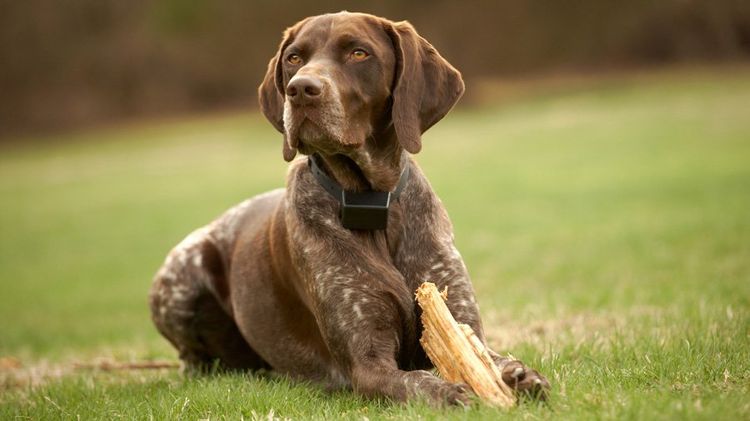
Another name is - German Shorthaired PointerOne of the most popular European breeds, it is constantly being refined and improved. This dog retains its hunting skills well into old age. It is a fairly large, lean, and slender dog, standing approximately 66 centimeters at the withers.
Specializing in birds and small game, it works best in the field, swims well, and retrieves prey. Its coarse, dense fur easily tolerates temperatures down to -20°C (-4°F) and can swim in icy water.
German Wirehaired
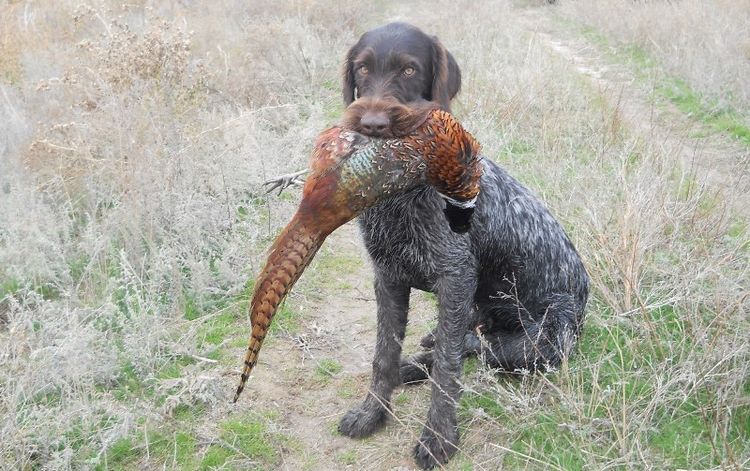
The Drahthaar is another name for another German pointer. It originated in Germany in the 19th century. It is a medium-sized dog with a graying, dark brown or black-and-white coat. for hunting on birds, small game, and even wild boar. This fact, as well as its natural endurance, make the pointer popular all over the world.
Fact! The breed's distinctive characteristics include friendliness and low aggression toward people.
Hungarian
The Hungarian Vizsla is divided into two types:
- shorthaired;
- wire-haired.
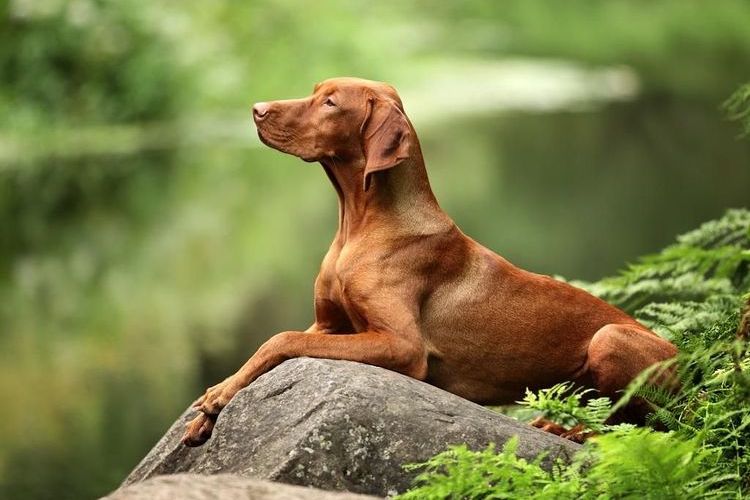
She is characterized by a tenacious, sharp mind and a graceful appearance. Traditionally, she is colored red in all its shades, from the tip of her nose to her paw pads.
The Vizsla is very friendly, active, and energetic. It loves children, is loyal, and non-aggressive, and dislikes aggression. When trained, it responds only to attentive handling, without harshness.
Italian
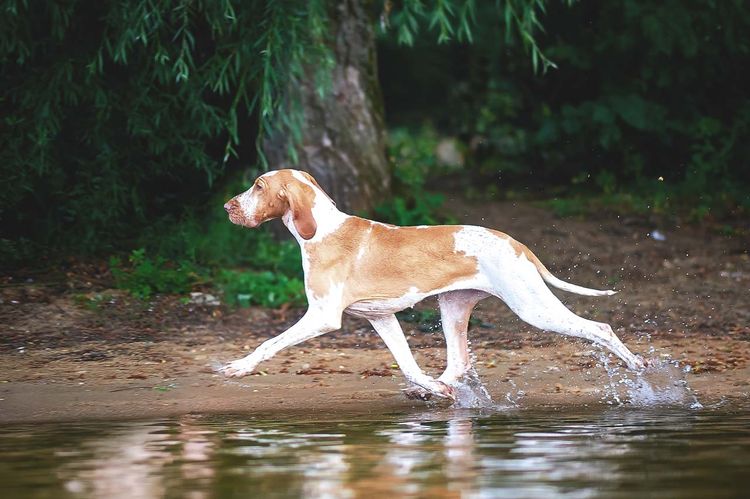
The Bracco Italiano is a versatile, large, and powerful dog with a short coat. It excels at hunting birds.
Italian Pointers require a lot of physical and mental exercise. They are easy to train, but aggression should be avoided. It's important to provide the dog with a free area to run freely, otherwise they can become uncontrollable.
Weimar
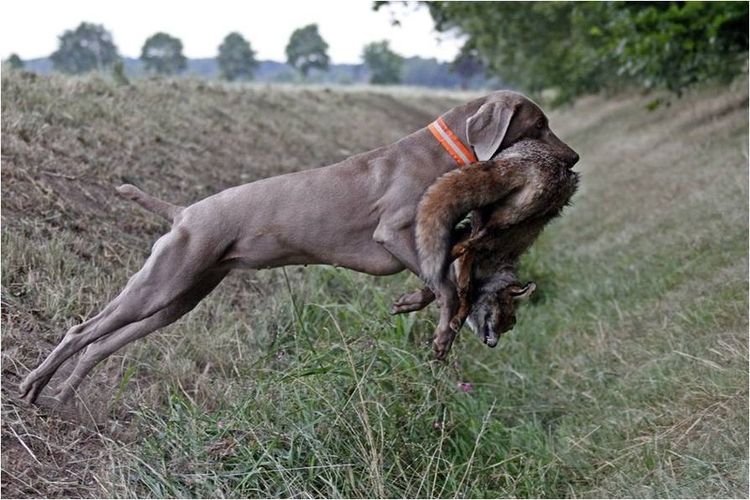
Weimaraner – used not only for hunting large game, but also as a search dog and guard dog.
The breed originated in Germany, where it is nicknamed the "silver ghost" due to its distinctive coloring. The animal is large and graceful. There are two types:
- shorthaired;
- long-haired.
They learn commands easily and learn with pleasure. Dogs of this breed are not aggressive, are very active, and love walks. The best place to live is a country house.
Brittany Spaniel
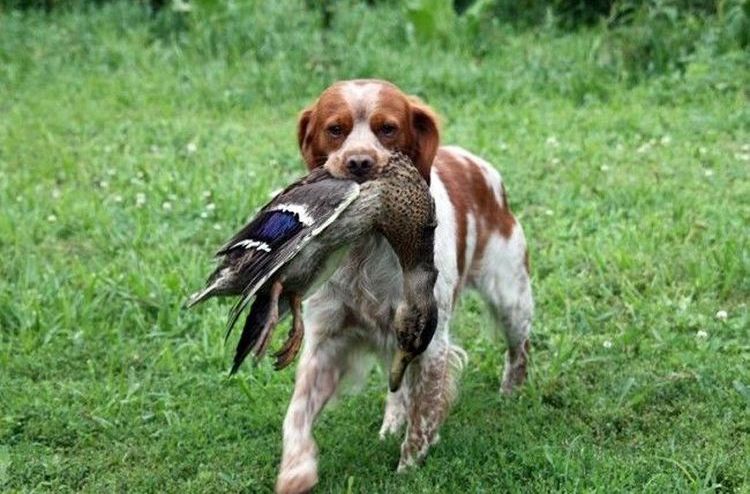
Another breed common in the United States and Europe, this gundog is used for hunting game birds.
A stocky, not massive dog, with a short tail or no tail at all. By nature, this is a loyal and sociable companion. It is easily trained and obeys commands. It loves to run long distances, which is useful when hunting in open terrain. Puppies begin their first work at 4-5 months.
Island group
There are 5 breeds included in this category:
- pointer;
- English Setter;
- Irish Setter;
- Scottish Setter;
- Irish Red and White Setter.
The Red and White Setter is only gaining popularity, while other breeds are actively working with hunters around the world.
English Pointer
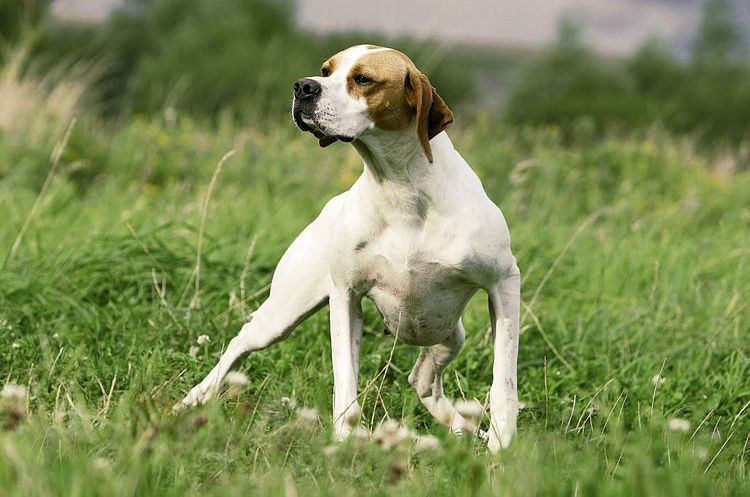
Thanks to long-term selection, by the end of the 19th century a large, powerful, smooth-haired dog had appeared English Pointer.
Full of energy, active on the hunt. When calm, it can be phlegmatic, but quickly transitions from calm to activity. It has excellent upper scenting, a tenacious stand, and a wide search range.
English Setter
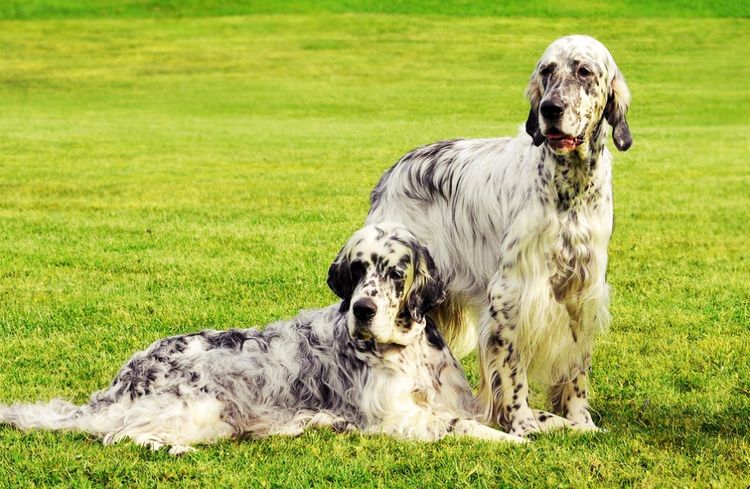
One of the most recognizable and popular setters. They have an elegant appearance and are above average in height. They have a keen sense of smell, are active, loyal, and non-aggressive. They have long, silky coats with a mottled pattern of black, yellow, orange, and brown. Tricolor puppies are also available.
Interesting! This is the same dog that played in the film "White Bim Black Ear."
Irish Setter
Irish Red Setter It was developed in the 19th century, but did not immediately gain popularity. It has a complex character, making training difficult.
The dog is tall but not muscular. It is particularly good at hunting steppe game, as well as marsh and forest game. Activity, friendliness, and endurance are the main characteristics of the breed.
He loves long walks, so it’s convenient to take the setter on jogs and bike rides.

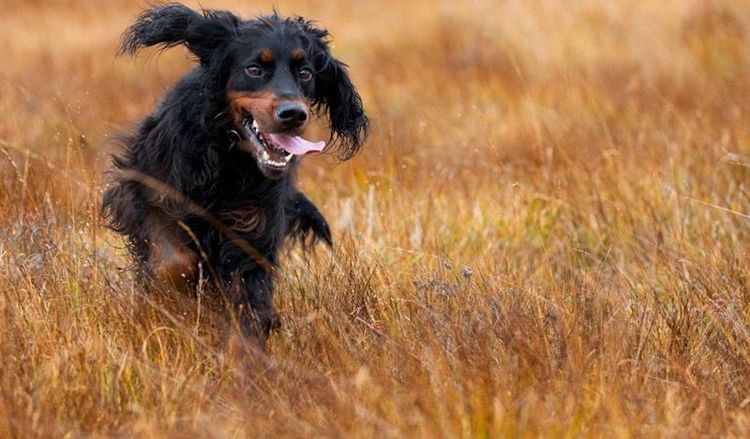
Scottish Setter
Another name is – GordonWith proper training, she works in any conditions and terrain. She has an excellent sense of smell and is persistent and active. She thrives in an apartment but requires walks.
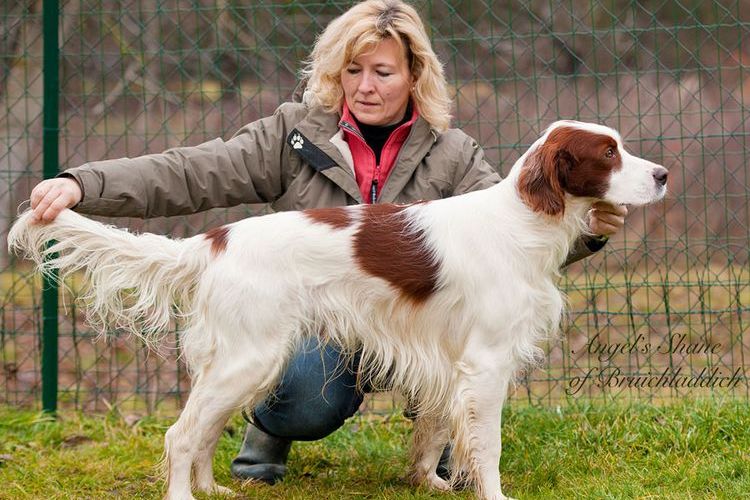
Irish Red and White Setter
These athletic dogs possess a loyal nature, noble appearance, and excellent sense of smell. They have only recently gained popularity in the CIS, although they appeared in Europe as early as the 17th century.
These dogs thrive in the countryside, where they can enjoy long walks. They require attention and companionship. Keeping them on a leash is unacceptable. They are easy to manage, as they get along with both children and pets.
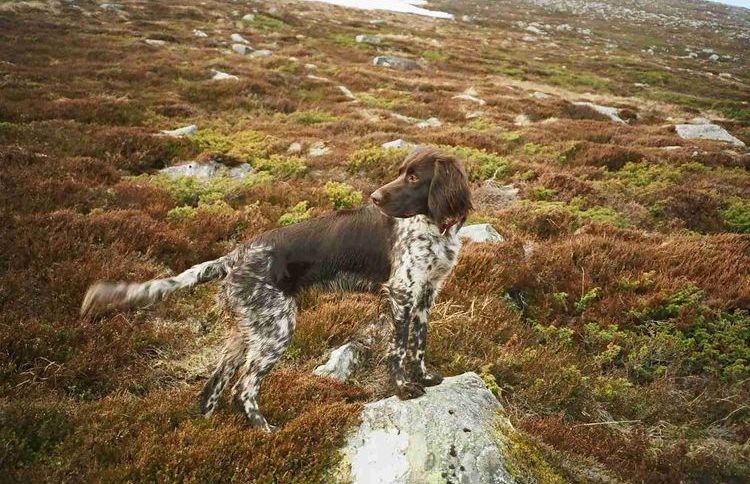
Small Munsterlander Pointer
Versatile in work, excellent in point, hardy, friendly, and a wonderful companion. This small dog (up to half a meter at the withers) appeared in the 19th century and has proven itself in hunting birds.
How to choose a pointing dog
When choosing a hunting breed, it is important to remember that some qualities are inherent from birth, while others are acquired through training, which requires not only skill but also patience.
Some breeds are versatile and ready to hunt any game, while others excel at one particular skill. For example, pointers excel at locating game, but are less adept at retrieving it. Their excellent sense of smell sometimes leads them astray because they confuse the targets.
Setters, Kurzhaars and Drahthaars are excellent at retrieving prey from land and water.
Read also:
- Wachtelhund is a dog breed
- Drahthaar (German Wirehaired Pointer)
- Hungarian Vizsla (Hungarian Shorthaired Pointing Dog)


Add a comment