
Who is stronger: a wolf or a dog?
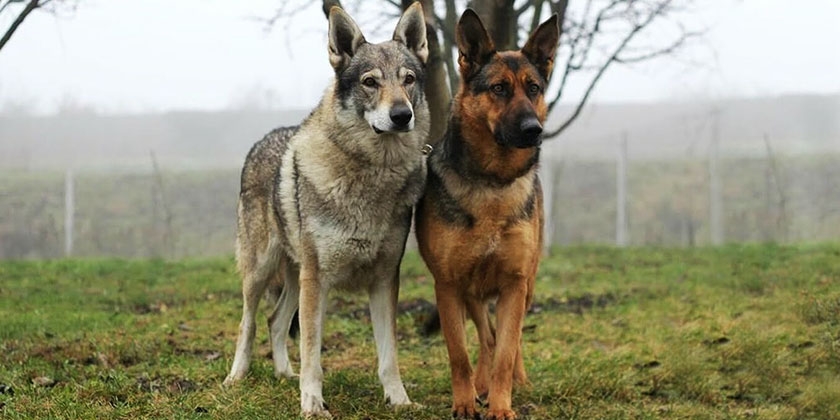
The wolf (Canis lupus) and the dog (Canis familiaris) share a common ancestry, as confirmed by DNA testing. Although these animals are fully related, their basic physical characteristics differ. While the wolf population has evolved to retain the most important traits for a predator—strength, endurance, and a pack lifestyle—dogs have lost some of these qualities through domestication and selective breeding. However, in specially bred fighting breeds, the expression of these "wolf-like traits" has even been enhanced. Therefore, the question of which is stronger, the wolf or the dog, is difficult to answer definitively.
Content
Physical characteristics of the wolf
The wolf is a mammal of the canine family. This animal is exceptionally resilient, capable of reaching speeds of up to 60 km/h (37 mph), and can run for hours at 20 km/h (12 mph). Wolves have a better sense of smell, hearing, sight, and sense of smell than dogs, and their high intelligence allows them to easily avoid various types of bait and traps. A wolf's skull and brain are slightly larger than a dog's, its paws are twice as large, and its chest is wider than that of a dog of the same size.
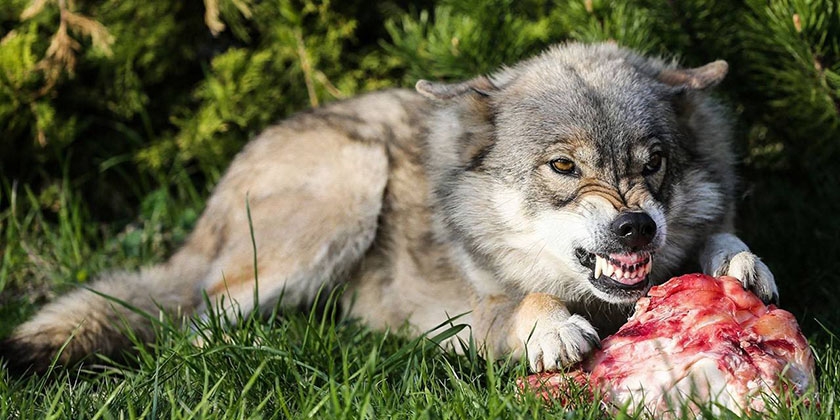
Many cynologists believe that wolves are stronger than dogs also because they have extremely strong teeth (they can crack an elk's tibia, which would be difficult to cut even with an axe), and their jaw clamping force is 2.5 times greater than that of the best fighting dog breeds. Furthermore, wild canines hone their fighting skills throughout their lives—both through hunting and competitive play. As a result of this constant "training," these predators can single-handedly take down a lynx or a full-grown wild boar.
Physical and behavioral differences in dogs
The dog is also a member of the canine family of mammals. It was described as a distinct species by Carl Linnaeus in 1758. Compared to its wild relative, it has a slightly smaller skull, a shorter muzzle, and smaller teeth, lacking the characteristic sharp protrusions of wolves. Dog paws are more compact, with narrower spaces between toes, making wolf tracks easy to distinguish from dog tracks. Their fur can be short or long, with or without an undercoat, and come in a variety of colors.
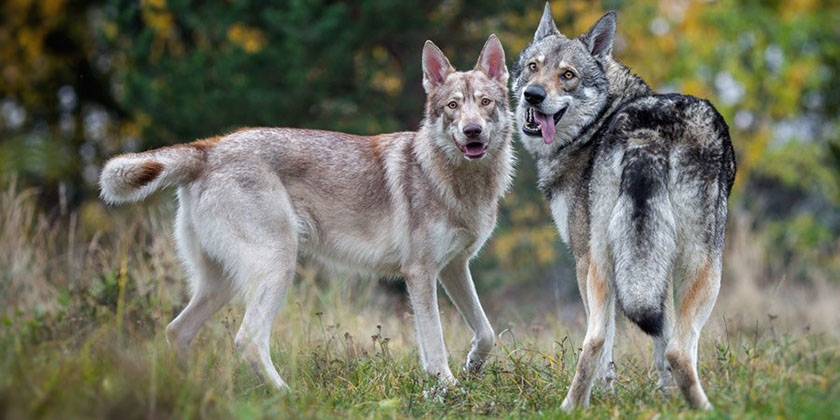
Domesticated canines, unlike wild ones, are not monogamous and do not lead a pack lifestyle. They have learned not only to peacefully coexist with humans but also to obey them. Many breeds are highly trainable and successfully perform the duties of shepherds, guards, cargo carriers, guide dogs, and companions. But can a dog defeat a wolf in a one-on-one fight? And if so, which one?
Dog breeds that can defeat a wolf
There are dog breeds that were bred to hunt large game, guard and protect livestock, and human habitation. These dogs are stronger than wolves, equal in endurance, and capable of single-handedly defeating a forest predator.
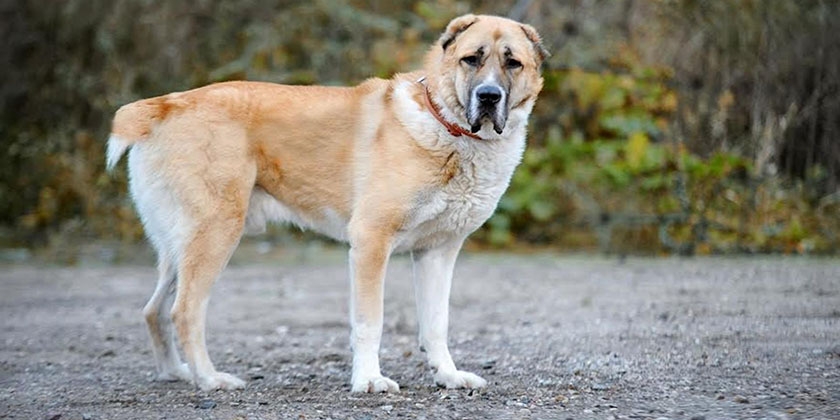
Armenian wolfhound (Gampr). An indigenous breed that was used to guard pastures from mountain wolves as far back as 2,500 years ago. "Gampr" means "powerful" in Armenian, and this perfectly describes the breed: Gamprs grow up to 77 cm and weigh up to 75 kg. The Armenian Wolfhound is hardy, intelligent, and sociable, and will attack only when necessary.
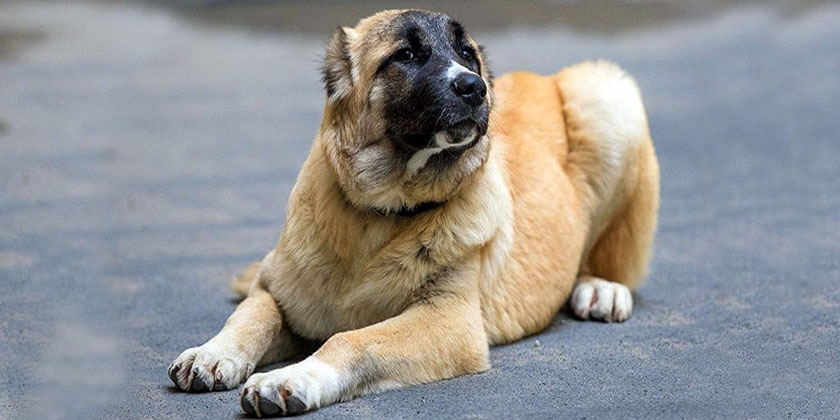
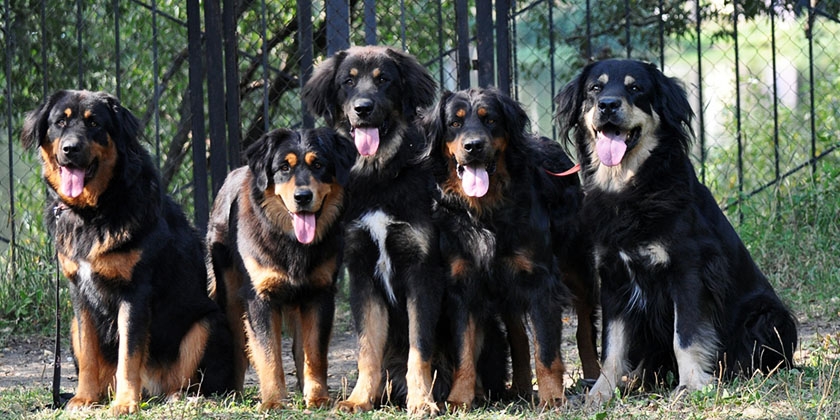
Buryat-Mongolian wolfhound (khotosho). In ancient times, these animals accompanied nomadic tribes, guarding flocks of sheep and protecting people from wolves and other predators. The Khotosh is a powerful dog, up to 75 cm tall and weighing approximately 70 kg. It has a calm and even temperament, is sociable, and loves children. Buryats often use these dogs as babysitters for their children.
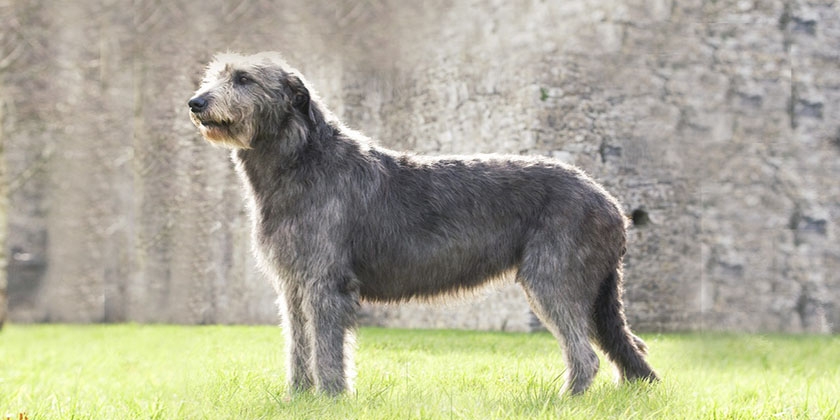
Irish Wolfhound. This is perhaps the largest dog breed in the world. An adult male weighs three times as much as a German Shepherd, with an average (not maximum!) height at the withers of 80 cm, and standing on its hind legs, it is much taller than a human. Despite this enormous size, the animal has an elegant appearance. The breed was developed to hunt wolves, but if necessary, they could also take on bears. "Irish Shepherds" are very hardy and quick to learn, and although they have a somewhat phlegmatic nature, they require constant exercise, so they enjoy all dog sports.
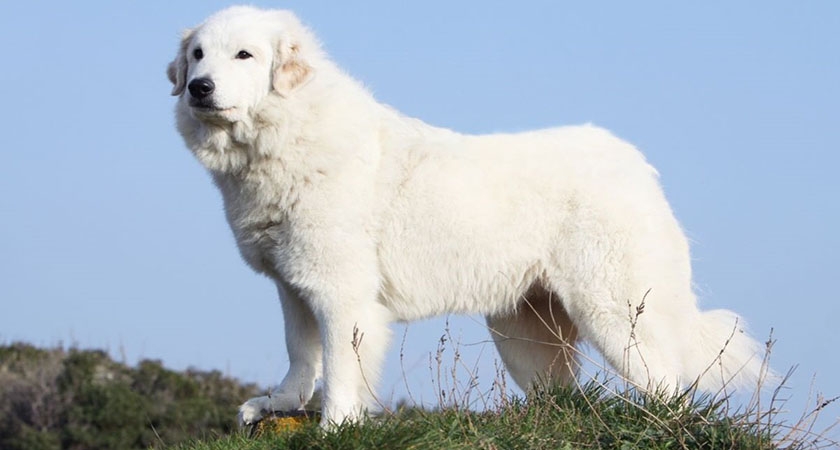
Pyrenean Mountain. A large, muscular dog with a thick coat of white, sandy, gray, or brown. It stands 60-70 cm at the withers and weighs 45-50 kg. Developed to independently guard sheep from wolves, the Great Pyrenees has a rather independent nature, making it quite challenging to train.
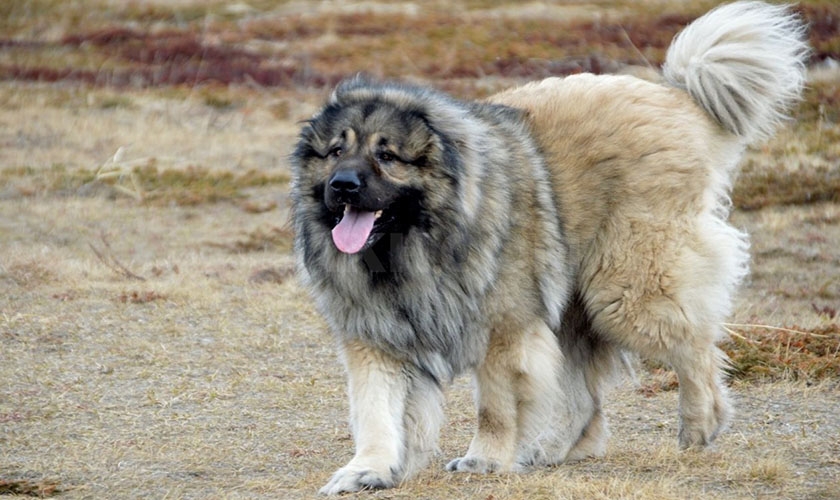
Caucasian Shepherd Dog. A large guard dog breed, males weigh up to 75 kg and stand 68-75 cm at the withers. The ancestors of the Caucasian Shepherd were herders of sheep: upon sighting a predator, the dog would silently, without barking, attack it, and in most cases, the dog, not the wolf, would win this fight. Caucasian Shepherds are friendly only toward members of their owner's family; they can be aggressive toward strangers.
Alabai (Central Asian Shepherd Dog). This is a powerful, well-proportioned dog, standing up to 70 cm tall and weighing between 40 and 60 kg. Its coat is thick, with a well-developed undercoat. Alabai is distinguished by fearlessness and a developed sense of self-worth, which is sometimes expressed in stubbornness and disobedience.
Read also:
- A dog breed that resembles a wolf
- Italian Wolfdog (Lupo Italiano, Italian Wolfdog)
- How to distinguish a wolf from a dog


Add a comment