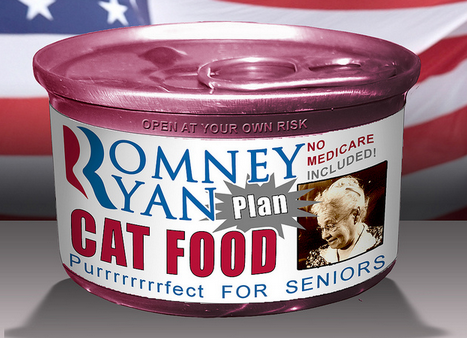
Economy class cat food
Economy-class cat food remains the most popular pet food product in our country. This section of our website aims to understand the reasons behind this phenomenon and debunk the myths surrounding cheap pet food. The main factors behind its popularity are that it's available in any supermarket, it's inexpensive, and attractive advertising convinces people that this wonderful, balanced nutrition is ideal for their pet. Is this really true?
Feline experts and veterinarians unanimously insist that there's no such thing as a good, budget-friendly cat food, as all of them are incredibly harmful to pets. Let's delve into this issue and find out why such food is so dangerous.
What does "economy class" mean?
There's a food quality rating scale known as the Fredalin method, popular in the United States. According to this method, a certain number is subtracted from the initial 100 points for each questionable or harmful ingredient in the food, and a number is added for the presence of various beneficial components. This simple calculation determines the class into which a given brand's food is classified. A product scoring 78-85 points (or less) is considered an economy-class cat food.
What does the buyer of economy feed pay for?
Having carefully read the ingredients listed on the labels of various economy-class brands, the following can be said about them:
- the presence of meat is no more than 4-5% (often there is none at all);
- the main component is low-grade cereals;
- contains offal (of unknown origin), bone meal;
- high content of cellulose, nut shells;
- lack of vitamins, essential amino acids;
- a large number of synthetic flavors, flavor enhancers, colors and preservatives (often toxic to cats);
- the visible variety of tastes is achieved only thanks to different coloring and flavoring additives;