
Food for cats with sensitive digestion
Most digestive problems in cats are caused by an intolerance to a particular food ingredient. Most often, this is wheat or corn gluten, and less commonly, an allergy to certain meat proteins. To avoid unpleasant consequences, owners should eliminate the offending ingredient and switch their pet to a specialized food for cats with sensitive digestion. These diets are designed to meet the needs of cats with food allergies and do not contain common allergens.
This article will examine the most popular diets for pets with sensitive stomachs, offered today by the most renowned manufacturers.
Content
List of popular diets
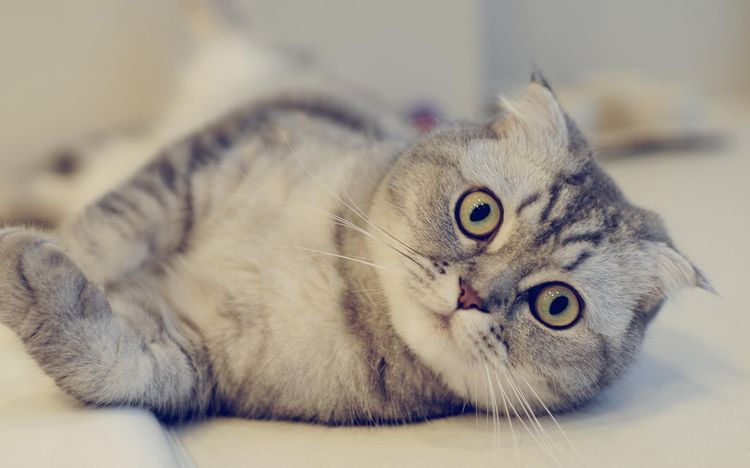
Following the latest trends, almost all brands offer this type of food in their product range, but the quality of many is frankly low. To avoid having to sift through hundreds of different diets, it's worth focusing on the best in the pet food industry. Based on online reviews, here's a rough list of the most popular diets:
- GO! Sensitivity&Shine;
- Grandorf White Fish & Potato Adult Sensitive;
- Arden Grange Sensitive;
- Eukanuba Intestinal Formula;
- Josera SensiCat;
- Brit Care Cat Lilly Sensitive;
- Gina Elite Cat Sensitive;
- Leonardo Adult Grain Free;
- Hill's Science Plan Sensitive Stomach;
- Royal Canin Sensible 33;
- Pro Plan Delicate;
- Bozita Feline Funktion Sensitive Diet & Stomach.
Each of these diets deserves attention, but to understand what they are made of and what makes them good, you need to take a closer look at them individually.
Price
GO!
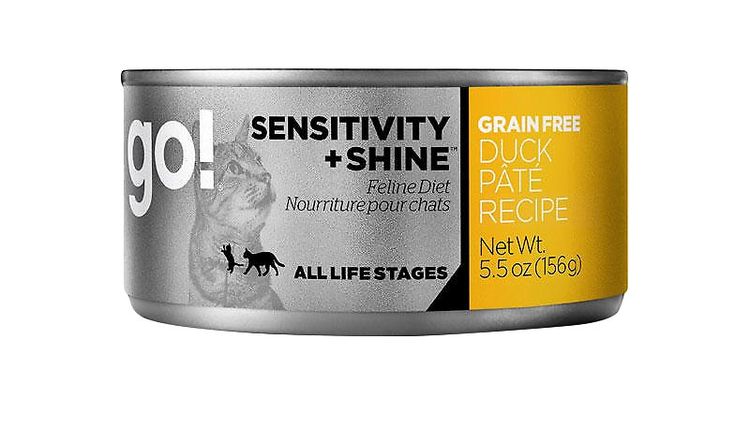
Made in Canada by PetCurean Pet Nutrition. Founded in 1999, the company has always focused on producing high-quality pet food made from only natural ingredients. The company's product line includes food for animals with sensitive digestion, called Sensitivity & Shine.
For cats, this menu is available in two versions: with duck as the sole protein source, and with fish (trout and salmon). Both versions are grain-free—the duck version uses tapioca for carbohydrates, while the fish version uses potatoes. Approximate cost: from 1360 rubles for 1.82 kg.
Grandorf
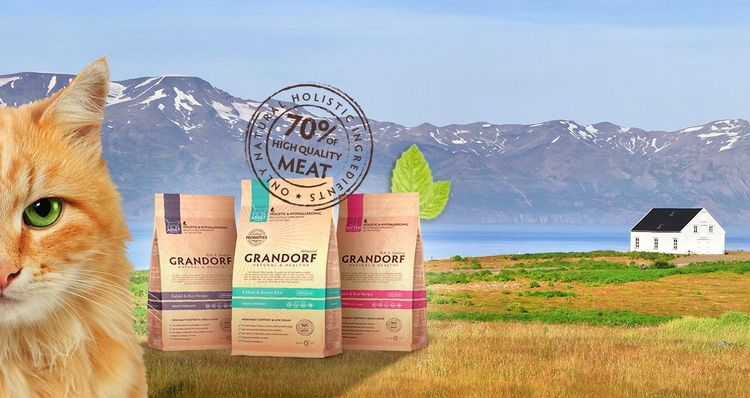
A Belgian product from United Petfood Producers NV, which is also produced in Italy. This company guarantees the absence of chemicals in its nutrient list and prides itself on using only fresh, natural ingredients.
In addition to the regular diets, the line includes dry food for cats with sensitive digestion, labeled "Sensitive." It is formulated without grains or other ingredients that could cause digestive upset. The base is cod and ocean herring, with added turkey. Sweet potato, a completely hypoallergenic food, serves as a grain substitute. A highlight of this food is the inclusion of krill, a true treasure trove of polyunsaturated fatty acids and protein. The additives in the food include ingredients that promote beneficial gut bacteria, which normalizes the microflora. This food is sold starting at 1440 rubles per 2 kg.
Arden Grange
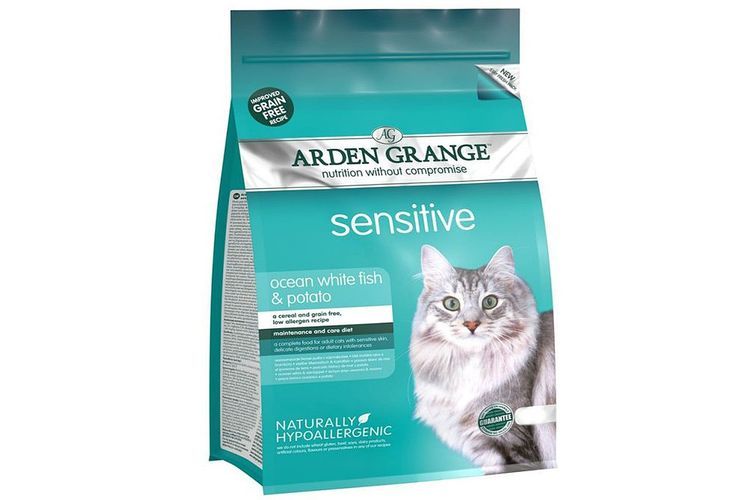
A British diet from a manufacturer truly committed to pet health. The company's founders are German Shepherd breeders who, having lost faith in factory-produced foods, decided to create exceptionally nutritious diets for pets. Arden Grande Sensitive is a prime example. Only white fish, which is hypoallergenic, is used as the protein source, and potato, as one of the least allergenic foods, is the carbohydrate source. FOS and MOS, natural prebiotics, are also beneficial for metabolism. Approximate price: from 1810 rubles per 2 kg.
Eukanuba
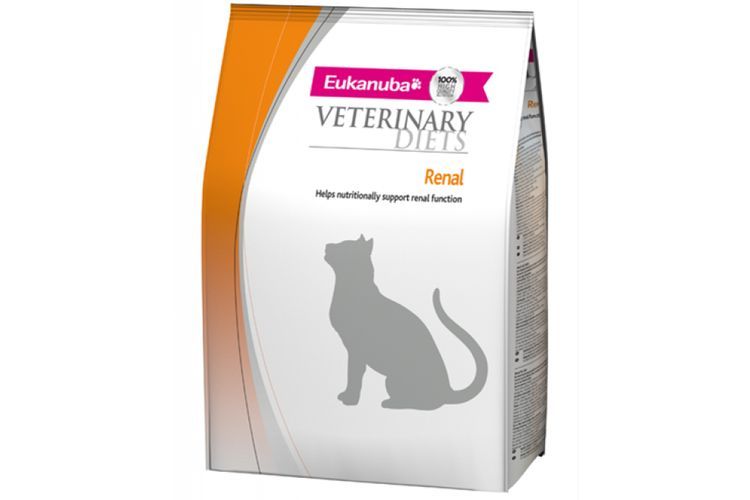
Eukanuba is an American brand launched in 1969. Now owned by Mars Inc., the food is produced in several countries, at facilities owned by Pedigree Petfoods. Its special diet, Intestinal Formula, contains two types of meat—chicken and turkey—and replaces wheat with corn. Thanks to its high prebiotic content, this food can support digestion even in the most delicate stomachs. The high fiber content improves intestinal motility and promotes proper waste formation. It retails for 1080 rubles per 1.5 kg.
Josera
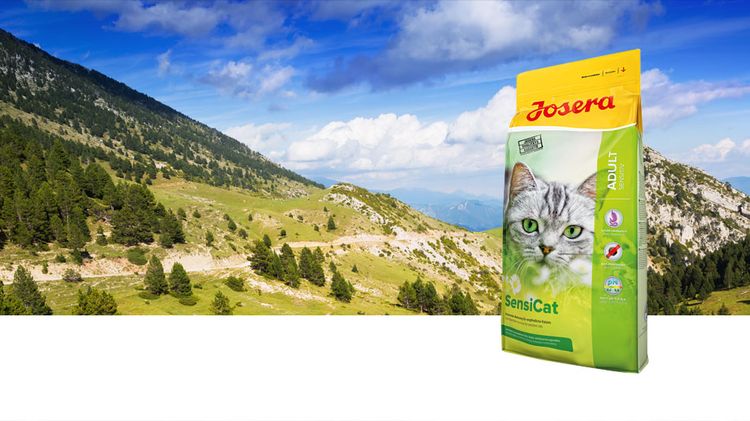
The German manufacturer of high-quality diets also offers a menu for pets with sensitive stomachs. SensiCat is a super-premium food based on poultry. However, it contains corn, meaning it is not suitable for pets with gluten allergies. The list also lists fiber content, which promotes digestion. A key feature of this food is its ability to combat hairballs, which are common in cats. Thanks to its special formula, these hairballs are naturally eliminated from the digestive tract. Josera starts at 310 rubles per 0.4 kg.
Brit Care Cat Lilly
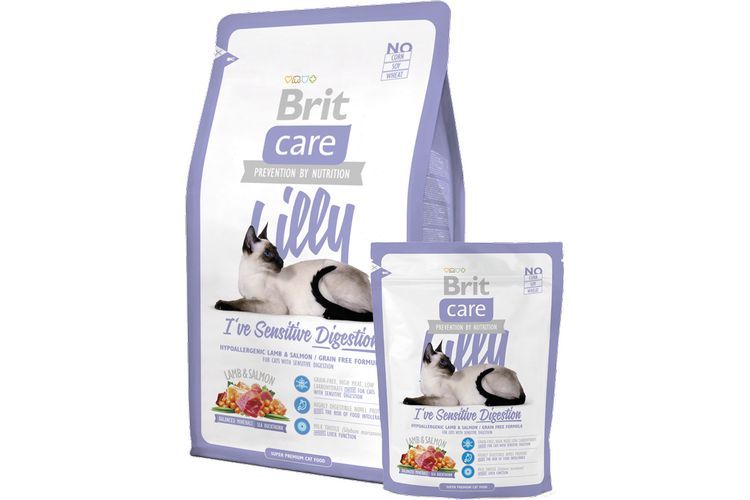
A Czech product from VAFO PRAHA sro, Lilly is a special diet containing lamb and salmon, which are typically hypoallergenic. Furthermore, this food can be fed to cats with sensitive skin, as the grain-free formula does not cause any adverse effects on the skin or coat of grain-sensitive pets. Potatoes and apples provide carbohydrates and fiber. Probiotics are also included. Prices start at 920 rubles per 2 kg.
Gina Elite
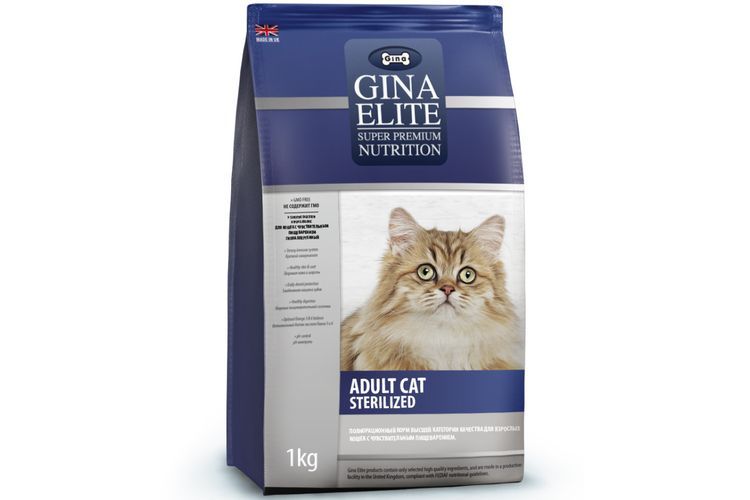
A brand that produces dry pet food at the Golden Acress plant in the UK. Their line of high-quality menus includes Cat Sensitive, a special diet based on turkey and lamb. While barley slightly compromises the nutritional composition, the list of nutrients includes prebiotics and beneficial bacterial colonies that normalize intestinal microflora. Oatmeal, thanks to its properties, "coats" the stomach lining, facilitating digestion. This treat starts at 490 rubles per kilogram.
Leonardo
A German food that is deservedly called super-premium nutrition. The company's product line includes Grain-Free food, designed specifically for animals with sensitive stomachs. Two varieties are available: with salmon and with poultry. Instead of grain, the food contains potato, which is much easier for cats to digest. Both of these diets are ideal for cats with delicate digestions; the only difference is your pet's personal preference. Expect to pay approximately 1150 rubles for 1.8 kg.
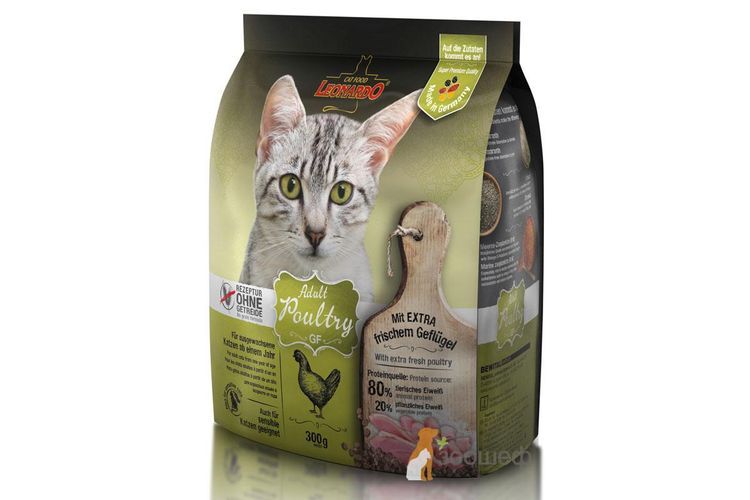
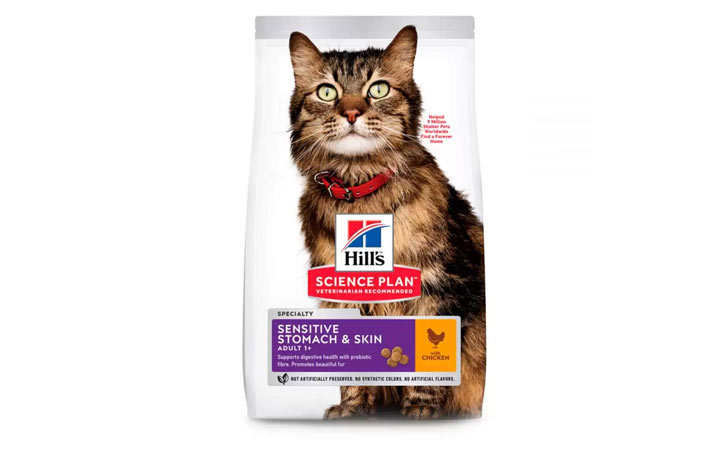
Hill's Science Plan
Among the wide variety of diets for sensitive digestion, Hill's cat food holds a special place. It's one of the most popular diets in our country, largely due to its high quality at a relatively low price. The menu is based on poultry, eggs, and rice. All these ingredients are easy on the stomach and generally do not cause allergies. However, gluten, which is listed in the ingredients, can cause adverse reactions, so owners of animals with gluten intolerance should exercise caution with this diet. Prices start at 630 rubles for 1.5 kg.
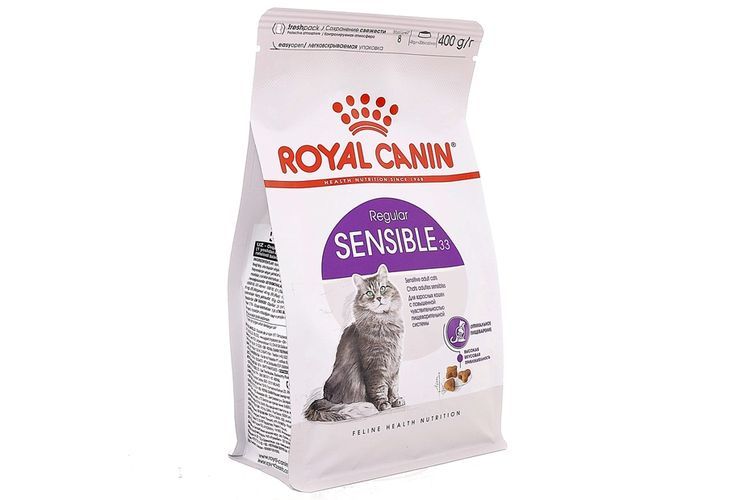
Royal Canin
The French brand, which manufactures its products worldwide, has long been a leader in the domestic pet food market. This is why Royal Canin's diet for cats with sensitive digestion is consistently popular among breeders whose cats have stomach issues. To prevent unpleasant reactions, the creators of "Sensible 33" used a proprietary formula called LIP—a combination of proteins selected for their ease of digestion. This prevents diarrhea and vomiting after meals, even in animals with the most sensitive digestive tracts. This menu also contains rice and plant proteins, designed to reduce allergic reactions. However, it's worth noting that this menu is only recommended for cats over one year of age. The price of this food starts at 950 rubles per 2 kg.
Pro Plan Delicate
This American company, part of the Nestlé group, has been producing pet food for many years, and thanks to its excellent quality, it has many loyal customers. For cats with special dietary needs, ProPlan offers Delicate cat food for sensitive digestion. This turkey-based diet is safe for allergies. Additionally, the menu includes a special supplement, OptiRenal, which helps support kidney health. Prices start at 1250 rubles per 3 kg.
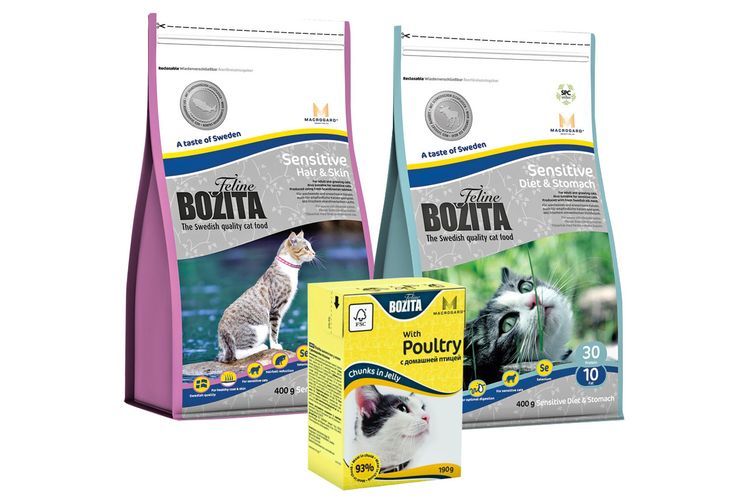
Bozita
A Swedish diet made from natural ingredients and free of chemicals and artificial additives—a requirement strictly monitored by a Swedish government agency. This diet offers numerous benefits: it's based on moose meat and also contains SPC, a Bozita innovation derived from oat processing. It also contains MacroGard, a naturally occurring beta-glucan designed to strengthen the animal's immune system. Price: from 1245 rubles per 2 kg.
Each of the foods discussed above meets all the requirements for a cat diet and, in principle, can be used as a regular diet if your pet has digestive issues. However, it's best to consult a veterinarian, who can conduct tests to determine the exact cause of the digestive upset and provide dietary recommendations.
Reviews
Sergey, the owner of Alice the cat:
"My beloved cat is a mixed-breed, but I still try to give her the best. There was a time after I picked her up on the street when I was feeding her cereal with meat scraps, but after a while I began to notice her fur becoming dull and even falling out in places. She also had occasional loose stools, or, more simply, diarrhea. This worried me, so we went to the vet. The vet, after examining us, immediately said it was an allergy to the cereal and that she needed to be put on a therapeutic diet. She recommended Royal Canin, a special diet for cats with sensitive digestion. I bought a package, and literally two weeks later everything was back to normal. I'm happy, and so is Alisa!"
Svetlana Igorevna, breeder of Siberian cats:
"My cats have longhairs, which means they have special vitamin and mineral needs. If the food isn't suitable, the cat will suffer from diarrhea, and their fur will look matted. After years of testing, I've found a good option for these cats—Arden Grange Sensitive. They eat it with gusto, feel fine, and none of them have digestive issues—the diet is conducive to this. And when kittens are bought from me, I always recommend switching to this diet at the slightest sign of an allergy or digestive upset—reviews of this food for cats with sensitive digestion confirm my opinion. Many catteries have adopted this hypoallergenic diet as their basis."
Veterinarian Reviews
Vladimir Bagryantsev, veterinarian, 17 years of experience:
"Special diets for sensitive digestion aren't a whim or a passing fad. For some animals, this is their only salvation. I always prescribe such diets for digestive disorders, even if the dysfunction is temporary and not chronic. Even healthy cats sometimes benefit from a more easily digestible diet, avoiding overloading their bodies with heavy proteins and carbohydrates."
You can also ask our website's staff veterinarian a question, who will answer them as quickly as possible in the comments box below.
Read also:


14 comments
Irina
Hello, my cat is 2 years old. I was feeding him Sanabel dry food for sensitive digestion. Everything was fine. A couple of months ago, he was neutered, and naturally, we switched to Sanabel food for neuters (we made the transition gradually, as vets recommend). About a week or a week and a half later, he started vomiting. He's happy, has a good appetite, and his stools are fine. I tried not feeding him dry food, but the vomiting stopped. We've had him examined by the vet, and everything is fine, with good test results. Please advise what to do. Is there a food for neuters with sensitive digestion?
Daria is a veterinarian
Hello! No, I haven't come across any food for neutered cats with sensitive digestion. It's either one or the other. If your pet tolerates only food for sensitive digestion, then feed it that. Just watch the portions and don't overfeed. Be sure to monitor your pet's drinking. You need to make sure they don't overeat (otherwise they'll gain weight) and drink well (otherwise they can develop kidney stones). You can also feed them more wet food. In your situation, it's best to protect your pet's gastrointestinal tract. However, I would recommend a checkup (at least a biochemistry panel and a complete blood count) to rule out any inflammatory processes.
Svetlana
Hello!
The cat is 9 years old, neutered, for a long time he ate Acana and Origin, but over time he began to refuse it, he ate Hills, food for neuters made him weak, but regular food.
For some time now, the stool has become weak and loose. We switched to Hills therapeutic food, and it immediately got better. We stayed on it for several months, but we couldn’t switch to regular food with a sensitive stomach, and over time, the stool became weak again.
We switched him back to Origin, his stool was fine, but after some time the cat started spitting up a slightly yellowish liquid down his legs, sometimes with a little food.
I don’t understand what to feed him?
It is very difficult to get examined by a doctor, he is large and aggressive, doctors cannot cope with him.
Daria is a veterinarian
Hello! What do you mean the doctor can't handle a cat? Caucasian Shepherds and Alabai are also taken to appointments, and they're obviously bigger than a cat. There are special restraining blankets that prevent cats from escaping and threatening with their claws. You can give Fospasim or Stop-Stress in advance (for about a week) to calm your pet down. He needs an examination (ultrasound) and a blood test for biochemistry. Gastritis, pancreatitis, and liver problems (since vomiting contains bile) need to be ruled out or confirmed. Please understand that treatment regimens for these conditions vary. Try Hill's i/d, pancreatin (half a tablet with food), or add a probiotic to the food (Fortiflora, for example). But it's still advisable to see a doctor. Symptomatic therapy may provide short-term relief, as the underlying cause remains.
Marina
Good afternoon! I don't know what to feed my cat anymore. The breeder brought him Night Hunter dry food. It's completely terrible. We switched him to Royal. He's shedding fur. Now he's eating NOW Holistic, but he's having stool problems and diarrhea. We bought him something for sensitive digestion, and I mixed it in with his food, and today his gastrointestinal tract was upset. It turns out he was doing best on Night Hunter...
Dasha is a veterinarian
Hello! Don't switch to a new diet abruptly. Ideally, do it over 3-5 days, gradually introducing the new food. Don't feed cheap, low-quality food just because it's tolerated better than premium or super-premium food. Start introducing the new food gradually (use Royal, NOT Russian-made, Royal Recovery, Hills Prescription Diet Feline i/d, Royal Gastro), introduce it little by little and monitor the reaction. You can give white charcoal an hour before or after feeding, use chamomile tea or Vetom instead of water, or probiotics (Emprobio, Hilak, etc.)
Elena
Good afternoon. Our cat is two years old. He periodically passes blood in his stool. We did a stool test and found nothing suspicious. They told us to change his food. We fed him GO with chicken, then Holistic Blade. But he still passes the same thing. Could you recommend a better food for sensitive digestion?
Dasha is a veterinarian
Hello! Are you having any problems with bowel movements? Are you constipated? Are your stools large or excessively hard? Is there any damage to the anal sphincter? What kind of blood is there: bright red droplets in the stool or brownish specks (as if clotted blood)? Have you had your stool checked for protozoa? Have you ruled out giardiasis? Have you had an ultrasound? Have you ruled out intestinal polyps? Have you had a dewormer recently?
Vetch
Submit a stool sample urgently
Olga
Hello! My cat is almost 8 years old and eats dry food. She has started periodically regurgitating it undigested. What could be the cause?
Dasha is a veterinarian
Hello! Your pet needs to be examined. Is there any hair in the vomit? Hair can sometimes accumulate and clog the gastrointestinal tract, causing undigested food to be regurgitated. Sometimes food is regurgitated due to inflammation in the stomach. This could indicate an intestinal obstruction or foreign bodies in the intestines or stomach (an X-ray and ultrasound are necessary). In any case, a diagnosis and treatment plan cannot be established without an examination by a veterinarian.
Vetch
Hello, I urgently need an abdominal ultrasound or at least an X-ray with contrast, liver and kidney biochemistry, and a urinalysis. My cat started vomiting food, occasionally at first, then more frequently, then she became emaciated—now she's listed as "anorexia" in our vet's chart—and then she developed a foul odor. Long story short, it turned out to be very serious: duodenal inflammation with associated diagnoses. She needs therapy and a therapeutic food labeled "gastrointerstitol." My point is: don't delay; everything is very expensive and takes a long time to treat. We've spent 30,000 rubles on our little girl in a month, and we're not done yet.
Zoya
Hello. My 10-year-old cat hasn't been able to defecate for three days after being spayed. What should I feed her?
Dasha is a veterinarian
Hello! You need to think not only about her diet, but also see a veterinarian. It's one thing if constipation developed due to stress, but you need to rule out complications after surgery (adhesions, intestinal obstruction). While rare, it does happen in animals, especially in an elderly cat. It's best to rule it out as soon as possible. My advice: go see your cat in person for an examination. Regarding her diet: light foods (porridge, fermented milk products, if she eats them), broths, and only small amounts of lean meat. If you feed her commercial food, give her wet foods and only high-quality ones. And plenty of water. If her condition is really bothering her, after a consultation with a veterinarian, give her laxatives (whichever your veterinarian prescribes based on the examination results, to avoid causing any harm).
Add a comment