
Cat Chow is a cat food
Cat Chow is one of Purina's cat food lines. According to the manufacturer, it is developed by veterinary and nutritional experts to create balanced diets tailored to the specific needs of cats. The range includes products for cats of all ages, including those with specific health needs. An analysis of the product ingredients, reviews from veterinarians, and pet owners who have previously purchased the food for their cats will help determine whether this food is suitable for your pet.
Content
Product range
Purina Cat Chow offers both dry and wet food options, making it especially convenient given the brand's recommendations for choosing different food formats for your pet.
Dry food
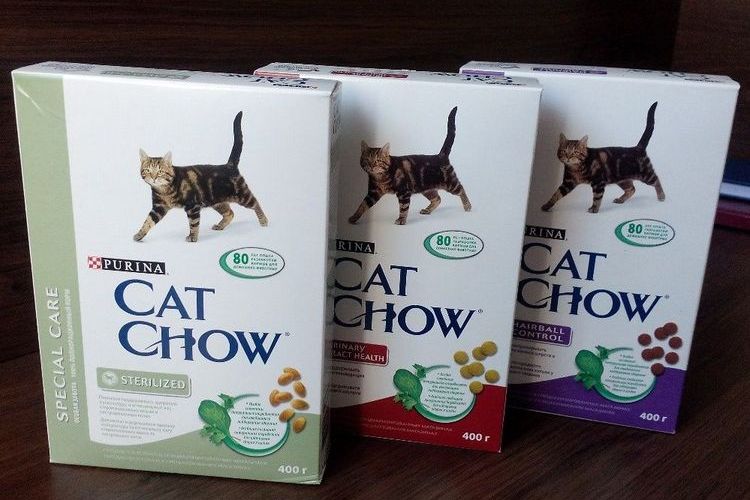
Cat Chow dry kibble is available in soft packs of 400g, 1.5kg, and 15kg. The manufacturer offers a variety of options to suit the age and health needs of cats:
- Kitten – for kittens (from 6 weeks to 1 year), pregnant and lactating animals.
- Adult – for adult animals (with duck or poultry).
- Sterilized – for sterilized/castrated adult animals (with poultry or poultry and salmon) with an optimal balance of proteins and fats to compensate for the effects of hormonal changes in the animal’s body.
- Sensitive – for adult pets with sensitive digestion.
- Hairball Control – with additional sources of fiber that stimulate the removal of hair from the stomach.
- Urinary Tract Health – with minimal magnesium and added fish oil to support urinary tract health.
- Feline – triple protection with a special formula for dental and urinary health, as well as preventing hairballs.
Each food contains the Naturium complex – a formula with fiber from natural sources and prebiotics to support the health of the cat’s digestive system.
Wet food
The range of Cat Chow wet food is not as extensive as its dry counterparts. They are available in 85g pouches, tailored to the age of the animal:
- For kittens (with turkey).
- For individuals over 1 year old (4 flavors).
Composition analysis
Although Cat Chow offers cat foods in a variety of flavors, their composition is virtually identical, with the exception of the percentage of plant-based ingredients or the presence of other additives. Quality can be assessed by the ingredients listed in the top five ingredients. As an example, let's look at the ingredients listed in these positions for Cat Chow Sensitive:
- cereals (whole grains);
- meat and processed meat products (20%, which is equivalent to 40% rehydrated meat and processed meat products, at least 14% poultry);
- vegetable protein extracts;
- vegetable and animal fats;
- fish and fish products (2%, equivalent to 4% rehydrated fish and fish products, at least 4% salmon).
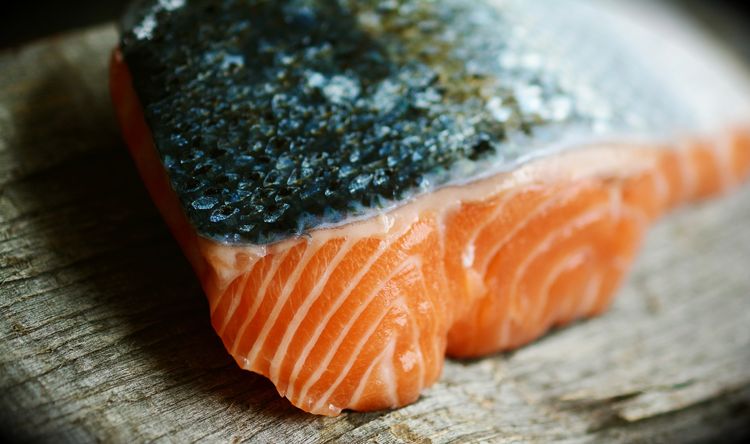
The ingredients list then includes a number of additives, including plant materials, vegetables, minerals, yeast, preservatives, and vitamins. The manufacturer marks natural ingredients on the packaging with an "*" symbol. However, this marking is absent for preservatives and antioxidants, suggesting the use of synthetic ingredients.
Thus, the basis of Cat Chow foods is grains, as they "headline" the composition, and plant proteins. The majority of the ingredients lack precise descriptions and raw materials. Even the very first ingredient—grains—doesn't specify the specific crop used. The same applies to fat sources, meat, and fish ingredients, for which no information is provided beyond the minimum percentage. Plant protein extract is another ingredient derived from an unknown plant source, which, due to its origin, offers little nutritional value for cats. Vegetable supplements provide fiber, but here too, the manufacturer saves by using primarily processed vegetables rather than whole vegetables.
Overall, the amount of protein, fat, and fiber is within acceptable limits, but due to the minimal presence of natural meat and the questionable origin of most of the ingredients, the nutritional value of the product is low, and therefore the consumption required to satisfy a cat will be increased.
Advantages and disadvantages
The advantages of Purina Cat Chow food include:
- available for purchase in most pet stores;
- affordable prices;
- balanced composition;
- assortment for animals of different ages and needs;
- different packaging volumes.
As for the disadvantages, the following stand out:
- lack of information on the raw materials for most components;
- cereal-based diets and lack of information about the crops used;
- low nutritional value, which means higher consumption compared to higher quality feeds;
- lack of information about the origin of preservatives.
Price of feed
You can buy Cat Chow cat food at most stores and pet shops in Moscow, St. Petersburg, Yekaterinburg, and other cities, or order it online. The price depends on the product format (dry or wet), packaging type, and volume:
- 400 g – 136-160 rubles.
- 1.5 kg – 450-550 rubles.
- 15 kg – 3990-5100 rub.
- 85 g (pouches) – from 34 rubles.
Veterinarian Reviews
Natalia, veterinarian:
"Cat Chow offers diets similar to those of similar budget brands. Although the line includes options for animals with specific needs (such as sensitive digestion or urinary tract health), I still recommend choosing a higher-quality diet for these needs."
Oleg Yuryevich, a veterinarian with 8 years of experience:
"This food has an average composition and lacks high energy and nutritional value. Despite its balanced composition, the amount of essential components is at the lower end of the recommended range, and the majority of the proteins are of plant origin. When feeding Cat Chow regularly, it is advisable to compensate for the nutrient deficiencies with other foods or supplements. In practice, there have been cases of digestive problems in animals fed Cat Chow."
Owner reviews
Dina, owner of the cat Boris:
"I consider Cat Chow to be an average food, significantly better than Whiskas or KitKat. I like the affordable price and acceptable ingredients, although they're far from ideal. For my cat, I buy dry food for adult cats with poultry, which you can find at almost any store. I haven't seen any health problems, and he always eats with gusto."
Olga, owner of two cats:
"I introduced the food to my cats gradually until they got used to the new diet. We had no negative reactions, although I have doubts about the natural ingredients and the origin of the raw materials. It's just important to find a flavor your pets will enjoy. For mine, that was Cat Chow Sterilized with poultry. I once bought the same line with poultry and salmon, but the flavor wasn't to my liking; the bag is still sitting in the cupboard. Sometimes I treat them with wet food with lamb or beef."
Read also:


Add a comment