
What food should I feed my British Shorthair cat?
What food should you feed a British Shorthair cat to keep them healthy and happy? The answer to this question depends on the animal's age and lifestyle. But the principles of healthy eating should not be compromised. What foods should you never feed British Shorthairs?
Regardless of whether an owner chooses to feed their cat natural food or commercially produced food, there are principles of healthy cat nutrition that must be followed to avoid health problems in your furry friend.
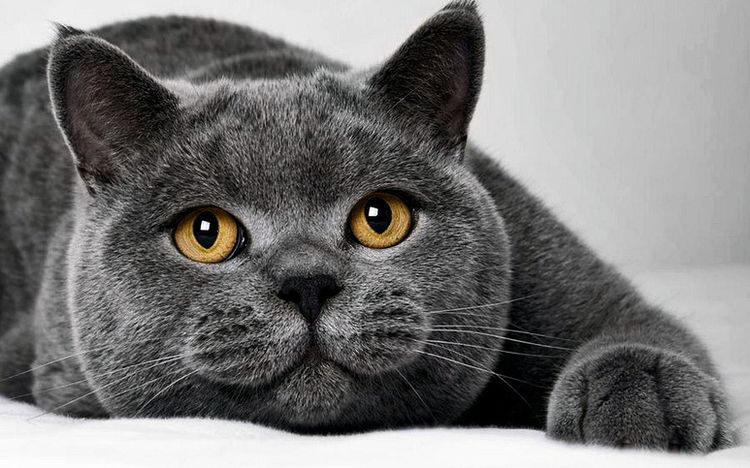
Some foods are prohibited for feeding to animals, and this must be taken into account when creating a menu if the owner decides to cook for themselves.
Content
Basic principles of natural nutrition
In the wild, cats feed on raw meat, and carbohydrates enter their bodies in a semi-digested form. Cats eat a wide variety of foods, but not all meats and vegetables are suitable for them. This knowledge informs the basic nutritional principles for creating the best food for British cats:
- The diet includes meat, vegetables, and grains, creating a balanced menu.
- Poultry and beef are healthy meats, pork should be excluded.
- Oatmeal, rice, and buckwheat are the most beneficial for cats.
- It's best to choose non-starchy vegetables, such as beets, cabbage, cucumbers, and carrots.
- Dairy products should not be fatty or sweet. The diet can include not only milk, but also kefir, fermented baked milk, and cottage cheese.
If the owner chooses to feed their cat natural food, it shouldn't be human food. The animal needs to prepare its own food separately. Therefore, it's important to consider whether there's enough time for this.
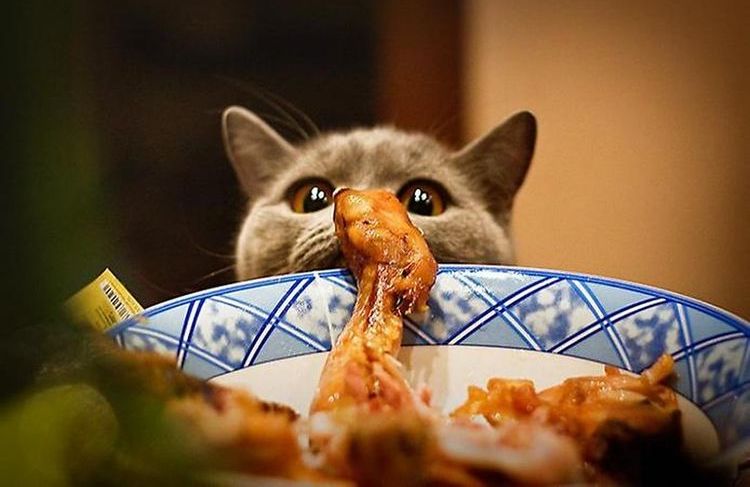
How to properly process food:
- Meat and vegetables are served both raw and cooked. They often contain parasite larvae, so it's best to freeze them and then scald them with boiling water.
- Fish should be boiled first, removing the bones. Lean ocean fish are best.
- To make the coat shiny, animal bran, rich in B vitamins, is added to dairy products.
Fact! According to research, only 30% of human table food is digested by cats. If you prepare your cat's food separately, that percentage increases to 55%. Specialized, ready-to-eat food is much more digestible: dry food is 85% more digestible, and wet food is 97%.
Prohibited foods
To avoid health problems in your British Shorthair cat, it's important to know what should never end up in his bowl:
- pork;
- sweet pastries and chocolate;
- raw eggs;
- coffee and tea;
- alcohol;
- tomatoes, potatoes and citrus fruits;
- nuts and spices.
Cheap food rich in plant-based ingredients isn't the best choice either. According to veterinarians, a combination of dry and wet food.
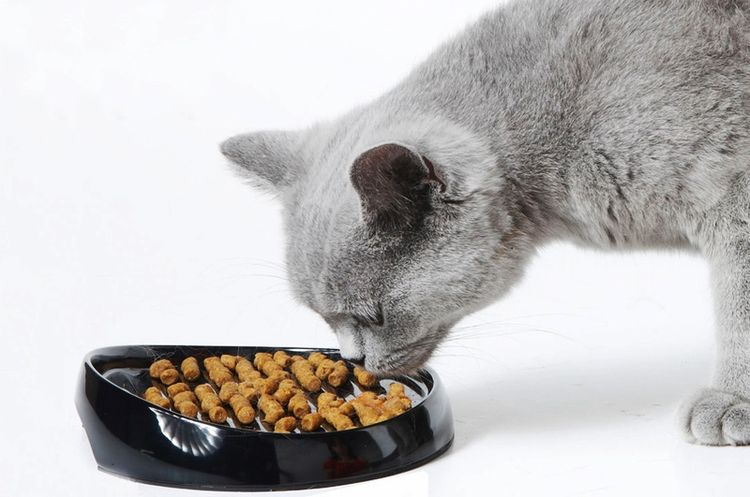
Rules for choosing dry food
You shouldn't feed your cats economy-class food. Whiskas, or Kitekat. They contain higher levels of dyes, flavors, and unnecessary fiber, and very little protein. Such food will not only lead to illness but also shorten the cat's lifespan. Dry and wet food options, also suitable for British shorthair cats, are popular among breeders. Eukanuba, Hills, Pro Pac.
The super-premium class is represented by holistic foods. What are their advantages? They are completely hypoallergenic, contain the highest quality ingredients, and are enriched with nutritional supplements to support health. Available on the Russian market: Acana food, Chicken Soup, Eagle Pack. They have the best reviews from veterinarians and British cat owners.
Royal Canin produces high-quality dry food for British cats. It comes in two varieties: for kittens and for cats 12 months and older. It receives positive reviews not only from veterinarians but also from breeders. It contains the necessary, balanced ingredients.
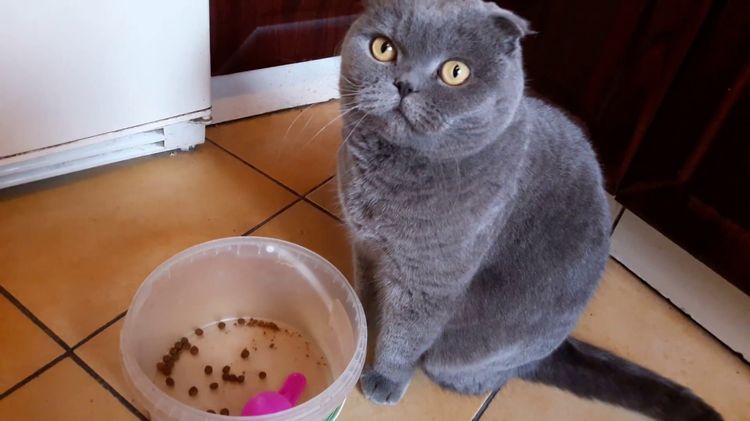
For adult animals
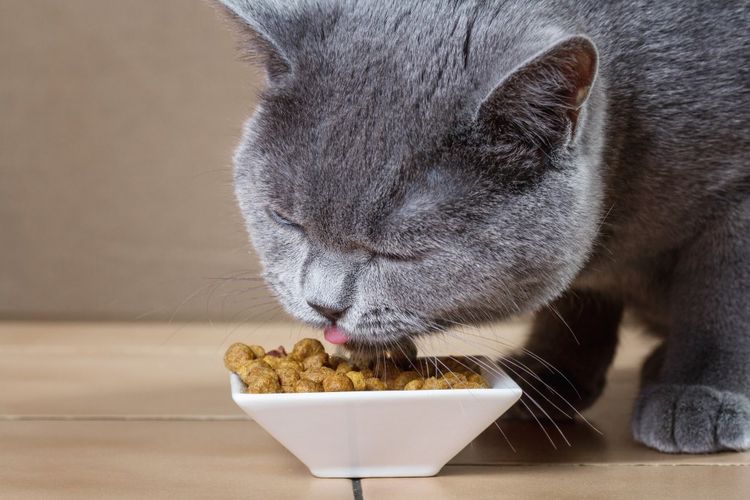
Royal Canin Adult British Shorthair is a premium food for British Shorthair cats. Designed for adult cats, it comes in moisture- and light-resistant packaging in 0.4 kg, 2 kg, 4 kg, and 10 kg sizes. The kibble is specially shaped and sized to encourage slow chewing. This prevents cats from swallowing the kibble whole, which is more natural, while simultaneously cleaning their teeth.
The formula is designed to maintain muscle tone, promote bone and joint health, and support cardiac and genitourinary function. It includes not only animal fats and proteins, grains, minerals, and beneficial extracts, but also a range of vitamins.
The manufacturer offers two diet options: exclusively dry food or a mixture of dry food and British Shorthair gravy canned food. Feeding volume recommendations are based on the cat's weight and activity level.
Specialized foods have been developed for neutered cats. They contain less fat and more micronutrients essential for maintaining the urinary system.
For kittens
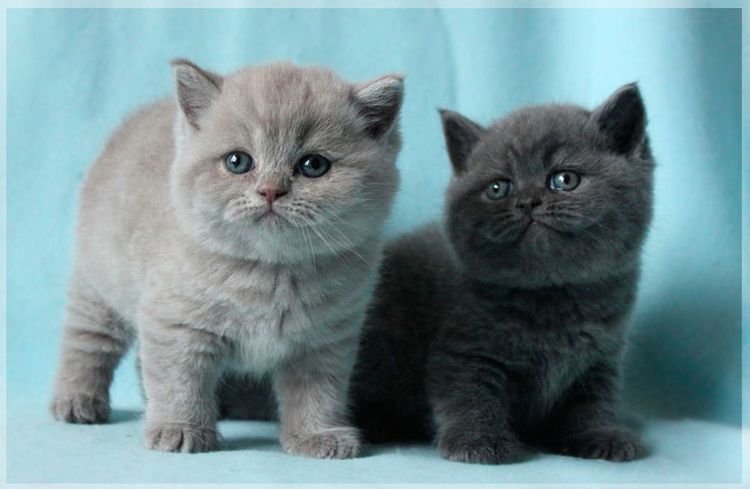
For British Shorthair kittens aged 4 to 12 months, we offer Royal Canin Kitten British Shorthair dry food. Available in 0.4 kg, 2 kg, and 10 kg packages.
The manufacturer took into account the unique characteristics of kittens: their immature digestive system and increased stress on the immune system. The plant proteins are selected for maximum digestibility, and vitamins, animal fats and proteins, sources of chondroitin, glucosamine, and other essential nutrients for kittens are added.
Three feeding options are available: dry food only, with the addition of Babycat Instinctive canned food, or Kitten Instinctive gravy. The packaging provides feeding recommendations based on the kitten's age, weight, and chosen food type.
Diet by age
How to properly determine the diet and feeding amounts for kittens and adult cats? Cats of different ages should be fed based on their digestive system.
Kittens
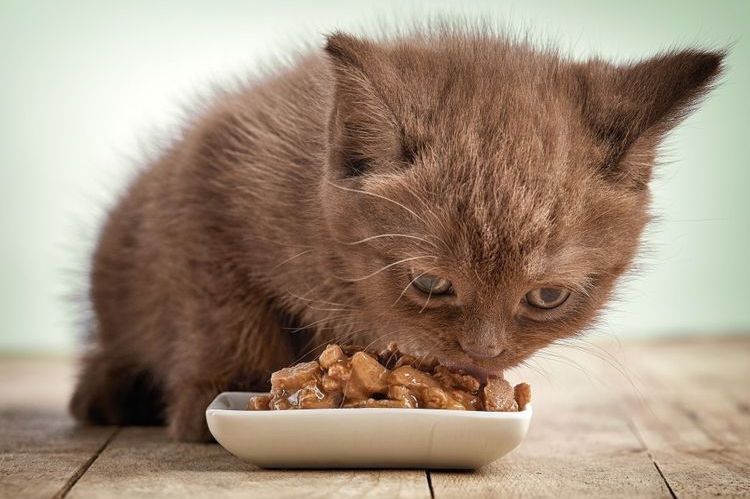
Kittens especially need proteins and carbohydrates. They won't be able to digest some of the food suitable for adult cats. Kittens under a month old can eat a small amount of meat, but they should also include specialized milk formulas in their diet. They should be fed 5-9 times a day.
As the kitten's digestive system matures, starting in its second month, it's transitioned to four meals a day, including vegetables, fish, cottage cheese, eggs, and yogurt. Food is cut into small pieces.
After six months, kittens are fed three times a day. The amount of milk is reduced and fermented milk products are added.
In addition, if desired, the kitten can be transferred to commercial food, but combine dry and wet food.
Adult cats
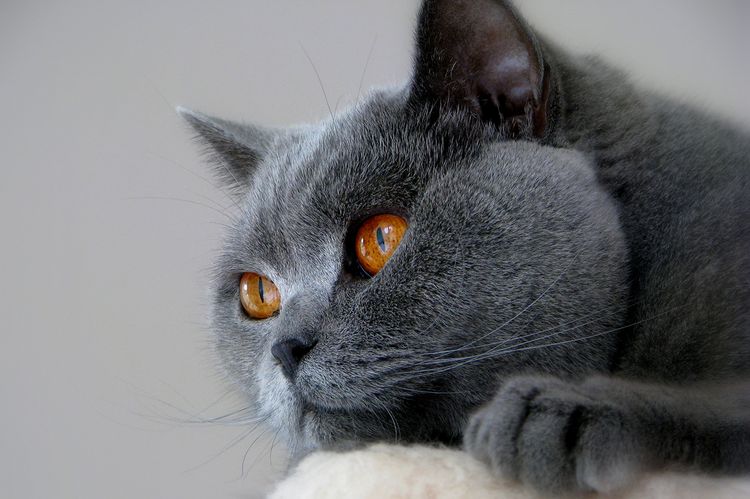
Older cats need a more varied diet, which can include both natural food and commercially prepared foods. If the owner is willing to cook for their cat, they should consider all the principles of healthy cat nutrition. After one year, they should be fed twice a day.
It's important to feed your cat at the same time every day and only from clean dishes. Fresh water should be available at all times. Serving amounts are calculated based on the cat's weight. 30-60 grams of food per kilogram. On average, a healthy British cat eats 150-250 grams of food per day. If necessary, this amount can be increased to 300 grams.
Elderly cats
A cat is considered senior after 8-9 years. At this age, they require a special diet due to decreased activity. Special food lines have been developed for senior cats. If the cat has previously been eating homemade food, it can be switched to commercial food, but it should be preferred. canned food.
It wouldn't hurt to consult a veterinarian. At this age, cats are prone to various illnesses that may require nutritional adjustments.
Is it possible to combine diets?
Veterinarians advise against mixing natural, homemade food with commercial pet food. It's acceptable to use wet and dry food from the same manufacturer. It's recommended to use canned food as the main diet, with dry food making up 25-30% of the cat's diet.
Royal Canin cat food review for British cats: video
Read also:


Add a comment