
How to properly care for a Maine Coon
Are you impressed by the incredible appearance of the largest domestic cats and already dreaming of welcoming a Maine Coon kitten into your home? We suggest learning more about how to properly care for a Maine Coon in an apartment or home, as well as the personality traits of this breed.
Content
Characteristics of Maine Coon cats
The main feature that draws attention to Maine Coons is their appearance and impressive size. Truly gigantic compared to any standard domestic cat, some members of the breed reach 12-15 kg and 40 cm at the withers.
Average parameters for the breed:
|
Parameter |
Cats |
Cats |
|
Weight |
6.0 – 8.5 kg 7.5 – 8.5 kg after sterilization |
3.5 – 5.5 kg |
|
Height at withers |
25 – 35 cm |
30 – 40 cm |
|
Tail length |
up to 36 cm |
up to 36 cm |
|
Body length (with tail) |
up to 1.2 m |
up to 1.2 m |
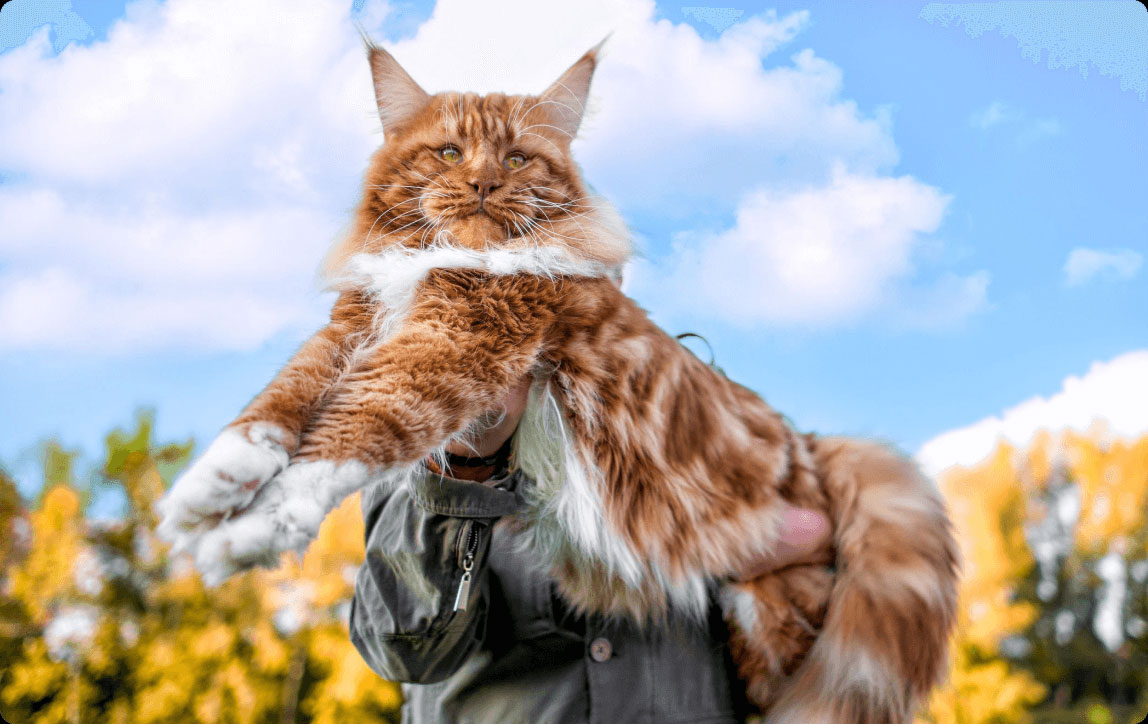
The Maine Coon breed also has the following characteristics:
- Late maturation. Male and female cats reach their full size only by age 3.
- The long, thick fur of these cats is water-repellent and practically does not tangle.
- Due to their large size, animals often suffer from high stress on bone and joint tissue, which often leads to injuries and problems during periods of active growth due to a lack of vitamins and microelements.
- Their high sociability and people-oriented nature make these giants ideal companions (their behavior is even often compared to that of a dog).
- Maine Coons are clean cats, so despite their impressive size, it is quite possible to keep them in a small apartment.
- Many representatives of the breed love to walk on a leash outside the home and are happy to follow their owner everywhere.
- Cats enjoy water treatments, but you should accustom your pet to bathing while still a small kitten.
- Representatives of the breed are highly intelligent, love active games, and will happily retrieve objects.
- Maine Coons bond with people, not their surroundings, so they're safe to take to the country or on trips in the summer. However, leaving them at home with strangers is not recommended, as they may resist grooming and will suffer greatly from separation anxiety.
- Maintaining a giant cat will cost significantly more than most other breeds. Proper care for a Maine Coon is actually not difficult, but they will require higher-quality food, a wider variety of grooming products, larger beds and toys, and regular health monitoring due to their genetic predisposition to certain health conditions.
More about everything related to Maine CoonYou can find out more from the relevant article on our website or by watching the video:
Conditions of detention
Maintenance in the apartment
Giants can live without problems even in compact conditions if the owners can provide them with:
- balanced nutrition;
- a spacious tray that takes into account the size of the animal;
- sufficient physical activity (playing at home or walking on a leash);
- Proper care of a Maine Coon (brushing the fur twice a week is enough, and washing an apartment pet can only be as needed, once every 2-3 months, but you will need to pay attention to the pet daily);
- lots of different toys;
- a convenient place for observing the "outside world".
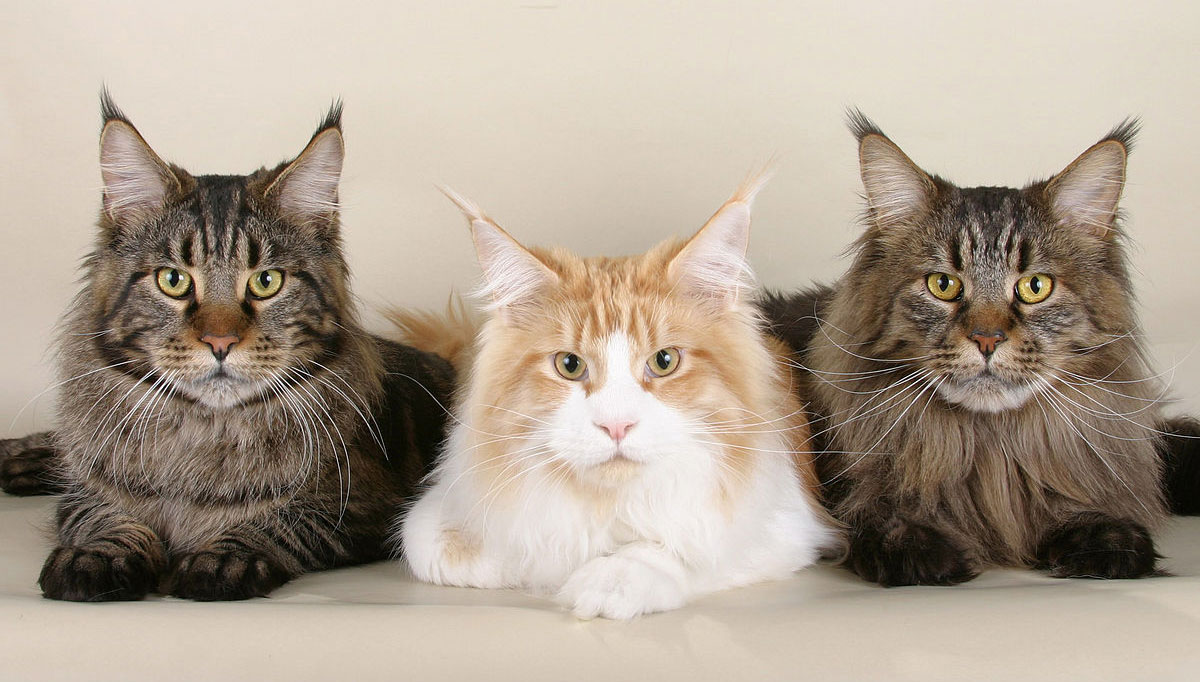
Maintenance in a private home
If the cat doesn't wander outside unsupervised, then its life in a private home won't be much different from living in an apartment. Certain nuances may arise if a Maine Coon is kept as a regular yard cat, and they must be taken into account:
- a fairly large cat can injure smaller relatives when fighting for territory;
- Maine Coons are natural-born hunters, so an uncontrolled giant can use its natural talents not only on insects, rodents and sparrows, but also on poultry (which is fraught with problems with neighbors);
- Long-haired cats that roam freely are a challenge for their owners, as their luxurious fur is extremely difficult to brush out, and too frequent bathing with shampoo will definitely not be good for their skin and coat.
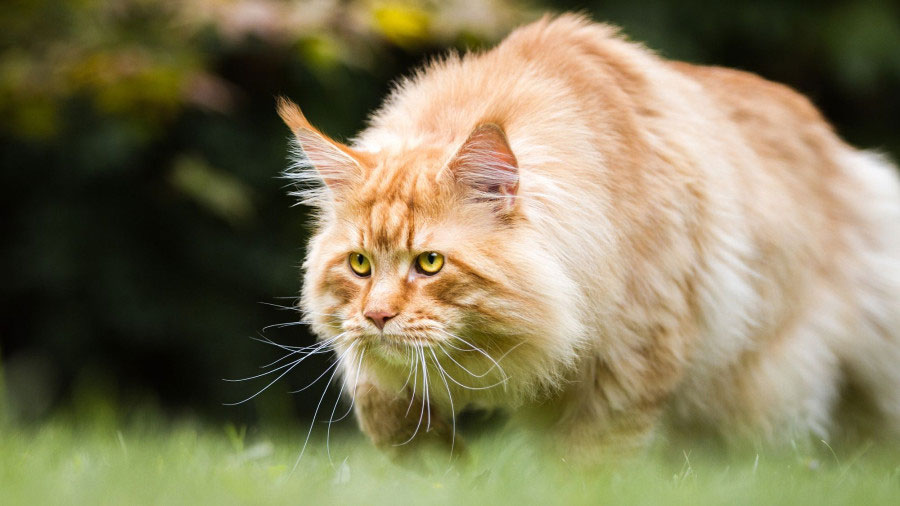
Proper grooming
Bathing
New owners sometimes ask questions like, "Can I wash a Maine Coon with human shampoo?" and "Why shouldn't I bathe my cat every week?" We'll try to explain the answers and explain how to wash a Maine Coon at home without harming their health.
The main thing is to remember the basic rules:
- You should only wash your pet with a special pet shampoo for long-haired breeds (All System or Groomer's). The pH of shampoos intended for humans and animals differs significantly. Human shampoos can cause a variety of problems in cats, including flaking, itching, increased shedding, and other coat issues.
- The bathing process itself removes the protective layer on the guard hairs and undercoat, so it's best not to overdo it. It's best to brush your pet thoroughly using a special comb.
- A special paste or gel (for example, from the Groomer's Goop or Dzherobovsky series) will help remove oiliness.
- Use a quality conditioner for long hair; this will help your brush glide through the coat more easily and give the hair a beautiful shine.
- From the very first time, bathing should take place in a calm, friendly atmosphere. It's important not to frighten the kitten or use force.
Combing
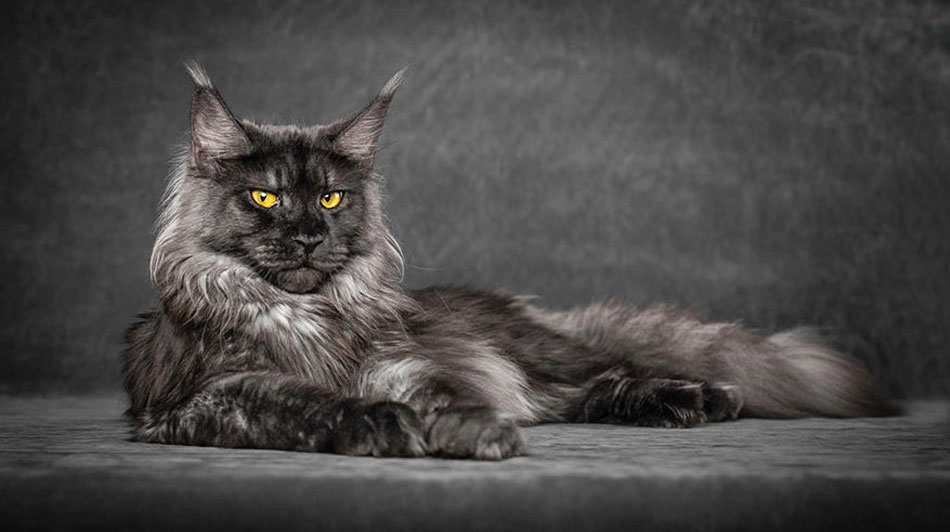
The coat of this breed is thick and is their pride and joy, so proper grooming of the Maine Coon's coat is very important.
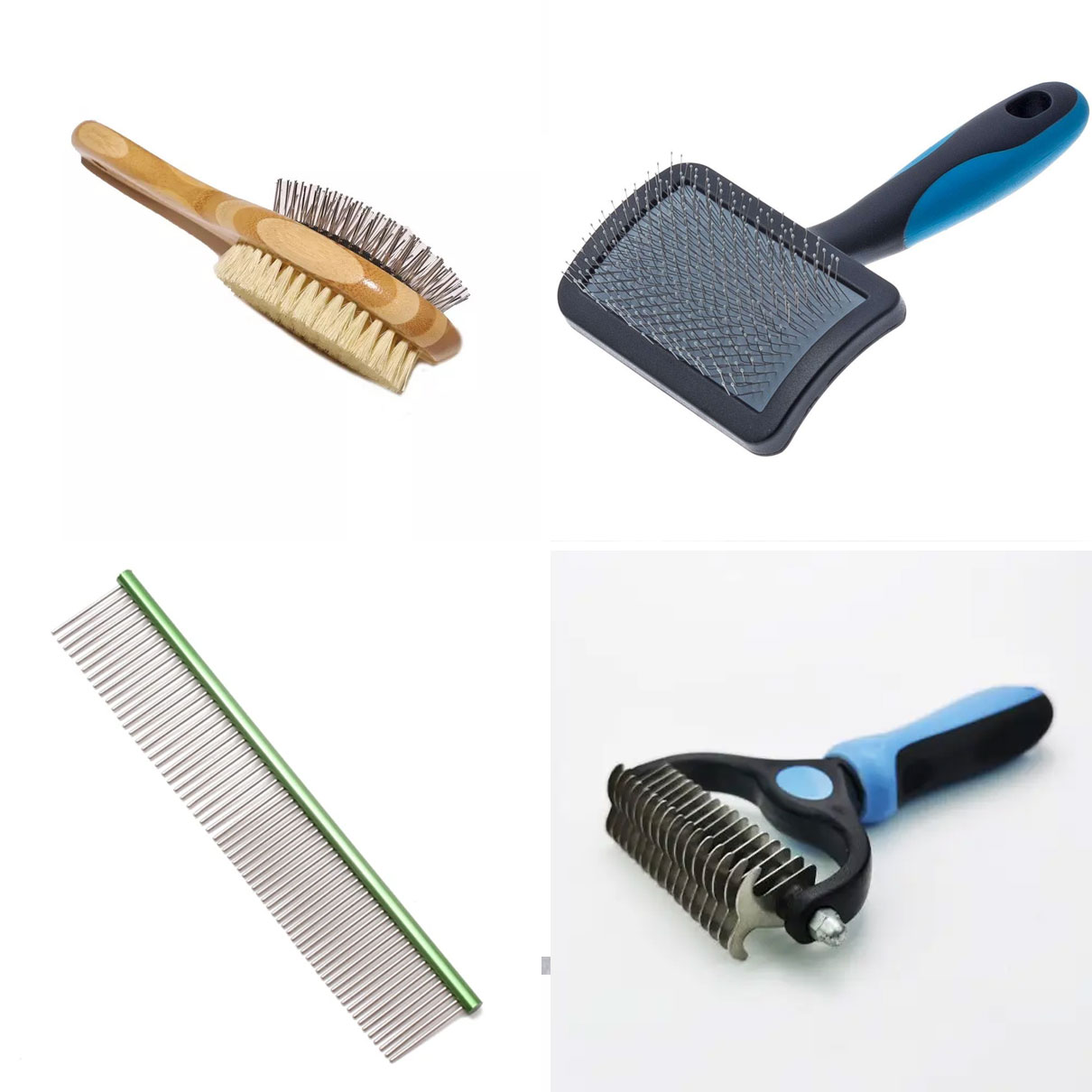
While it's best to wash giants infrequently, they need to be brushed at least 2-3 times a week (and daily during shedding season). Much has already been said about how to properly brush a Maine Coon. We'll just summarize that at-home grooming requires at least several types of brushes:
- Slicker (commonly known as a "slicker brush") – a thick metal brush with curved tips. Used to remove excess undercoat and reduce shedding.
- Massage brush Made from natural materials, it's indispensable when acclimating a kitten to grooming, as most cats enjoy the massage effect. It also adds shine and smoothes the coat beautifully.
- Crest in 1 row with sparse teeth about 3 cm.
- Matter cutter – if your pet’s fur still gets matted into unsightly clumps that are difficult to untangle using the traditional method.
Fighting tangles
Knowing how often and what to brush your Maine Coon with can help ensure a completely mat-free adult cat. However, during the adult stage, when the coat hasn't yet fully developed, this problem can be quite frustrating for both the owner and the cat.
Mats are tightly tangled strands of fur. If you brush your kitten frequently, you'll be able to spot the initial stages of mat formation and untangle it with a regular brush. However, if you let the problem get worse, you'll need to use a mat cutter or completely trim the tangled fur, which is highly undesirable.
Haircut
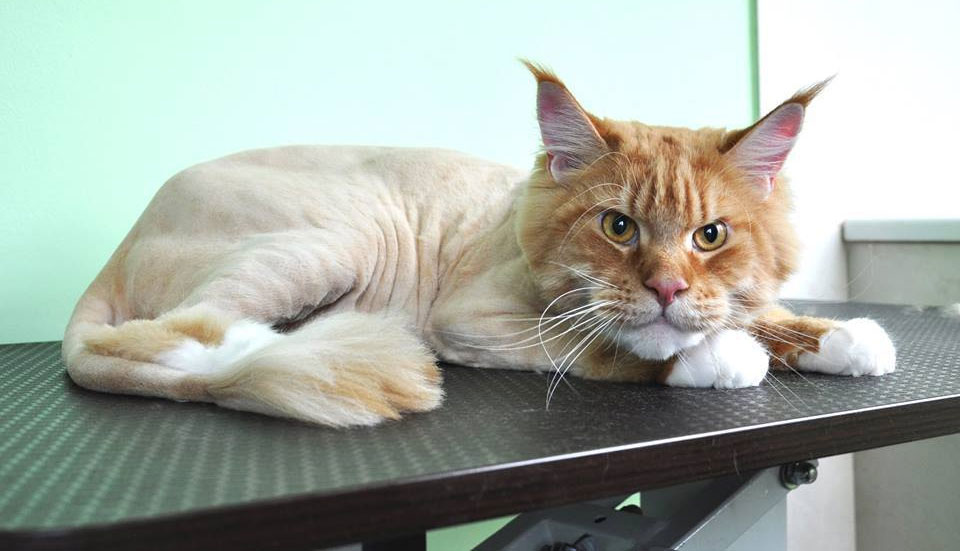
Important! It is highly undesirable to trim the hair of Maine Coon cats. This procedure severely disrupts their body heat and negatively impacts their skin and coat.
As a special measure, the following haircut options are allowed:
- hygienic (in the area of the anus and hind legs);
- if there are a large number of tangles that cannot be untangled without causing pain to the pet;
- medical (before surgery or in the area where a skin disease has been detected to facilitate the treatment of the skin surface).
Please note that grooming is not a panacea during the hot months. Removing hair, which is involved in thermoregulation, can lead to serious consequences, including heatstroke. It is much more humane to use air conditioning equipment, creating a comfortable indoor climate for your pet year-round.
Regular hygiene
Breeders' recommendations on how to care for a Maine Coon also place greater emphasis on regular hygiene:
- eyes must be wiped daily (preferably using a special lotion);
- ears cats are cleaned every week, but if there are any problems, this can be done more often, using a special product recommended by a veterinarian);
- claws It is necessary to trim as it grows (the procedure is not a panacea, at the same time the cat will need a good scratching post);
- teeth The pet also needs to be brushed regularly, but the procedure must be carried out with special soft zoological brushes and veterinary paste.
Learn more about how to properly brush your cat's teeth., watch the video:
Maine Coon Nutrition
Kittens are usually introduced to solid foods at two months of age. Typically, kittens are fed soaked starter food from two to four months. At four months, they can be offered standard kitten food, but Maine Coons are not transitioned to adult food until at least 15 months of age.
The owner can choose one of the balanced diet options:
- Natural feeding + special vitamins for Maine Coons (for coat, joints, bones, etc.).
- Industrial feed Premium and super-premium class (do not require additional vitamins or microelements, as everything required for Maine Coons is already included in such food).
Also read more about Feeding Maine Coon kittens by month.
Please note that the difference between the feeds in the segment "premium" And "super premium" is not just marketing:
|
Parameters |
Premium food |
Super premium food |
|
Source of protein |
Meat and fish (of varying quality), offal |
High-quality meat or fish "human grade" |
|
Meat component |
15-20% |
More than 30% |
|
Source of carbohydrates |
Corn, wheat |
Rice, sweet potato, peas |
|
Fats |
Plant-based |
Animals |
|
Preservatives |
Artificial preservatives are allowed |
Only natural |
|
Brands |
It's best to choose vitamins and nutritional supplements based on your veterinarian's recommendations, taking into account the specifics of your pet's chosen diet and health status.
Space arrangement
For comfortable living in an apartment or house, your Maine Coon will need:
- comfortable place;
- spacious tray + silica gel or wood filler;
- convenient bowls (minimum 2 pcs.);
- automatic feeder (if you can’t feed strictly on time);
- drinking fountain (many cats prefer running water to stagnant water);
- scratching post (at least 80 cm);
- "cat tree" complex for cats weighing 8-10 kg (most likely the structure will need to be additionally reinforced);
- a variety of toys (from classic balls to intellectual development complexes).
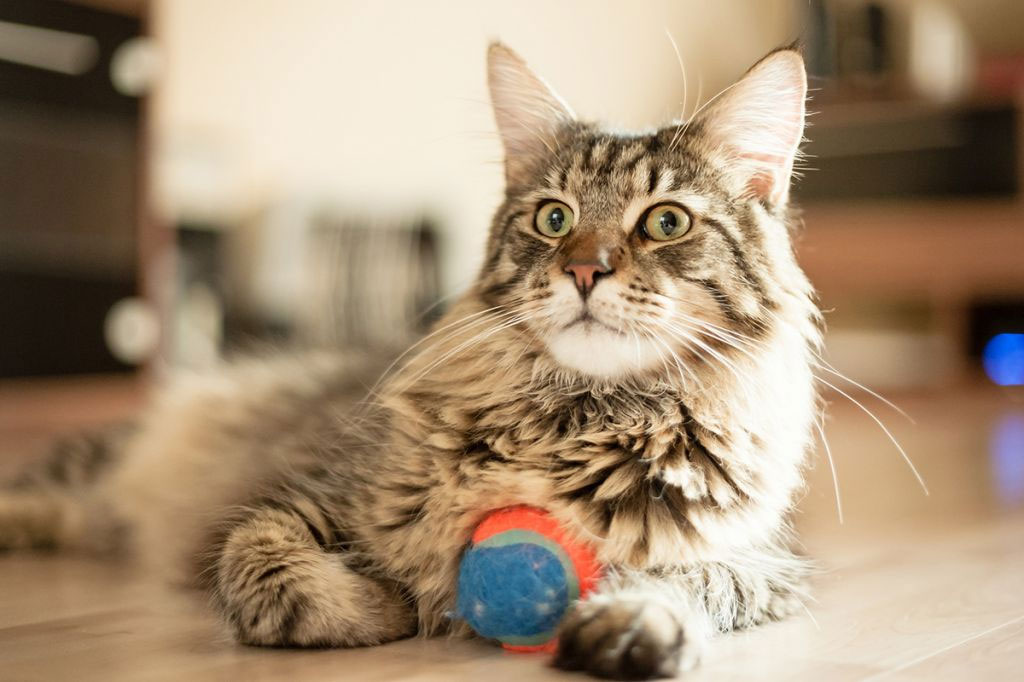
We encourage you to share information about your pet's favorite toy, what food you feed them, and whether you give them additional vitamins (you can provide the name and whether their introduction to the diet was approved by your veterinarian).


Add a comment