
How to prepare a cat for sterilization
Spaying a cat is a serious abdominal surgery that requires careful preparation. The final outcome of the procedure and the length of the recovery period depend on how accurately all the preparatory steps are completed. Consult your veterinarian for information on how to properly prepare the cat. It's best to have all questions answered by a specialist who has been monitoring the cat's health since its first days of life, but in practice, this isn't always possible.
The first and most important step in preparation is ensuring the pet's owner, who is responsible for the cat's life and well-being, is properly prepared and informed. It's crucial to carefully consider and plan everything before the animal arrives at the clinic.
Content
Early preparation
It's important to remember that sterilization is a surgical procedure that requires the exclusion of any diseases at the time of the procedure. Therefore, the first step is to ensure your pet's immunological protection, which includes vaccinations. Vaccinations must be administered at least one month before the planned sterilization. Only immunization can provide relative protection against possible infectious diseases from other animals brought to the veterinary clinic, and contact with them cannot always be avoided. Anesthesia and surgery significantly weaken the body's immune system, so even a normally healthy cat can contract a viral disease during the procedure.
Some veterinary clinics offer immune globulin injections for cats that, for various reasons, were not vaccinated on time. This can reduce the risk of infectious diseases for two to three weeks, so the recovery period is less risky. While this method is certainly better than no immune preparation at all, its reliability is significantly lower than that achieved with traditional sterilization.
Tests and examinations
To comprehensively prepare a cat for sterilization, a series of tests and examinations will be required. Before these procedures, the veterinarian must examine the animal, taking into account its weight, size, age, temperature, breathing, and other parameters. If the clinic has an anesthesiologist on staff, they should also conduct a detailed examination.
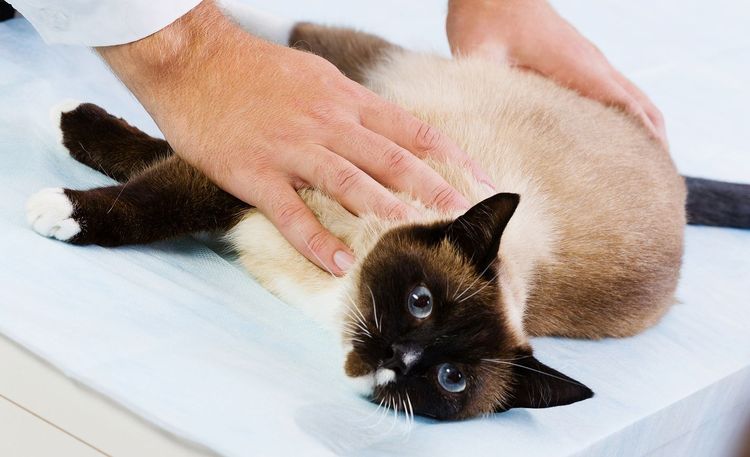
The veterinarian will then issue referrals for all necessary examinations to determine whether the cat can tolerate anesthesia and surgery well.
Tests are necessary even if the animal appears completely healthy.
The main methods of examining a cat before this operation are as follows:
- Complete blood count and biochemistry testThese examinations can help detect even hidden health problems, chronic inflammatory processes, abnormalities in the function of internal organs, and immune system dysfunction.
- ECHO of the heartThis will allow you to diagnose the functioning of the cardiovascular system. This step is especially important before spaying an elderly pet or one weakened by chronic illnesses.
- X-ray, Ultrasound and other testsThey may be necessary if the pet was picked up from the street or previous examinations revealed problems with internal organs.
Some clinics with the most thorough approach to sterilization may additionally order tests for HIV, panleukopenia, and viral leukemia.
Tests are performed at the optimal time—3-6 days before sterilization. The animal should be fasted before blood tests, so it's best to do them on an empty stomach. Other diagnostic procedures may require special preparation, which will be explained at the clinic.
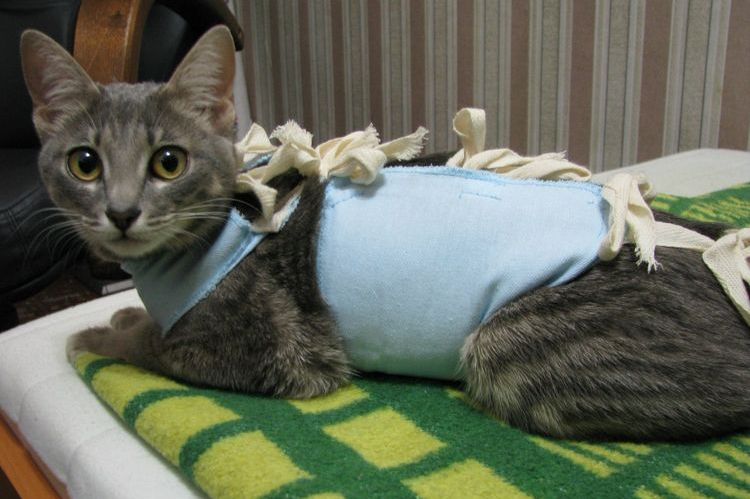
You'll need to purchase a post-surgery blanket in advance. This will prevent your pet from licking the wounds and pulling out the sutures after sterilization. The blanket should be high-quality, without any protruding threads that could be swallowed by your pet during the post-surgery period.
Preparation before sterilization
Preparation begins the day before sterilization. The cat needs to be given a bowel movement aid. Most often, 15 ml (a tablespoon) of Vaseline oil is used for this purpose. A more powerful laxative may be used, and sometimes even an enema may be performed, as recommended by a veterinarian.
For 12 hours prior to surgery, you should stop feeding your cat, even if they insist. This is a crucial preparation step to help your cat cope better with anesthesia.
Three hours before sterilization, you can give your pet a few sips of water, after which there should be no further drinking until the actual surgery. Ensure all sources of water are inaccessible to your pet. Water in the stomach can cause involuntary vomiting during anesthesia, which often leads to choking.
On the day of the operation
You'll need to bring the necessary items to the clinic. Often, the veterinary clinic will provide a list of everything needed for preparation, but if you don't, it's best to write everything down in advance, as dictated by the vet or receptionist.
Required items:
- veterinary passport;
- a carrier with a removable or folding top where the animal can lie on its stomach;
- a sterile diaper that will need to be placed on the bottom during transportation of the cat from the clinic home;
- a blanket to cover your pet, since during anesthesia the body temperature drops sharply, and it is important to protect the animal from hypothermia;
- napkins or extra diapers to wipe up vomit if vomiting occurs;
- medications, if any were prescribed by the veterinarian.
A heating pad that the nurse can apply to the animal's hind legs as needed may be helpful. However, some clinics only use their own disinfected heating pads.
It's important to remember that the best option is for your pet to remain under the supervision of specialists at a veterinary clinic until they fully recover from anesthesia. This will also protect them from many unnecessary risks during transportation home. in an unconscious state.
Don't pack everything you need before the sterilization, just in case your pet needs to stay in the hospital for a while after the surgery. If necessary, you can bring everything you need later, and unnecessary packing will only waste time and add unnecessary fuss.
Although sterilization is a complex procedure, it's important for owners to be aware that their anxiety is transmitted to their pet. Therefore, it's important to understand that proper preparation can prevent most potential problems and instill confidence in a successful outcome.
What you will have to face after sterilizing your cat: video
Read also:
- An alternative to sterilization of cats
- How does a cat behave after sterilization?
- DIY cat bandage after sterilization
-550x428.jpg)


Add a comment