
Cholecystitis in dogs: symptoms and treatment
Cholecystitis in dogs is an inflammatory disease of the gallbladder caused by dysfunction of the bile ducts and bile accumulation. As a result, bile becomes more caustic and viscous, corroding the internal walls of the organ and triggering inflammation. The disease is often chronic, but if left untreated, it can worsen and be fatal. Cholecystitis has virtually no specific symptoms in its early stages, so it's important for pet owners to closely monitor their pet's behavior and, at the slightest deviation, consult a veterinarian for examination and treatment.
Content
Reasons for development
The development of cholecystitis can be provoked by the following factors:
- Incorrect nutrition: overfeeding or long breaks between meals, poor-quality food, foods harmful to dogs (smoked foods, sausages), insufficient water when feeding dry food, vitamin A deficiency.
- Infectious bowel diseases: cholecystitis can develop as a complication after enteritis, plague, salmonellosis and other diseases in which microorganisms penetrate through the bile ducts to the gallbladder, causing inflammatory processes.
- Worm infestations (especially common when feeding raw meat): parasites settle in the internal organs and secrete toxic substances that are carried by the blood, including to the gallbladder, causing irritation and inflammation of its mucous membranes.
- Gastrointestinal pathologies (colitis, gastritis, pancreatitis, ulcers).
- Gallstones. When they move, they can damage the gallbladder walls and block its ducts.
- Hereditary and breed predisposition.
- Gallbladder structural abnormalities that impair bile flow. These can be congenital or caused by abdominal trauma.
Symptoms of pathology
Cholecystitis in dogs can occur in one of two forms: chronic or acute. The former often occurs without obvious symptoms. However, with careful observation, the following symptoms may be noticed:
- periodic bowel disorders (constipation or diarrhea);
- decreased activity, drowsiness;
- decreased appetite and weight loss;
- bouts of vomiting;
- dullness and hair loss, dry skin due to dehydration;
- bright orange tint of urine (due to increased bilirubin concentration);
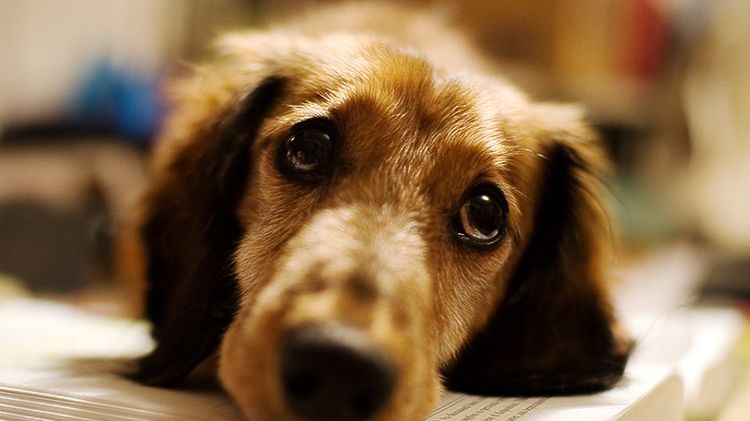
- The pet's common position is lying on its stomach with an arched back and tucked paws.
In the absence of treatment or incorrect selection of treatment, chronic cholecystitis progresses to an acute stage, which is characterized by:
- the appearance of yellowing of the mucous membranes and skin;
- discoloration of stool;
- an increase in temperature due to infectious processes or the activity of parasites;
- bloating and increased gas formation with a sharp unpleasant odor;
- anxiety or obvious pain when palpating the liver area;
- fever and septic shock;
- blockage of ducts and accumulation of stones in the gallbladder.
Important! An exacerbation of cholecystitis is life-threatening for a dog. When the bile ducts become blocked, the gallbladder gradually stretches, increasing the risk of rupture, which can lead to peritonitis and the death of the pet.
Diagnostic methods
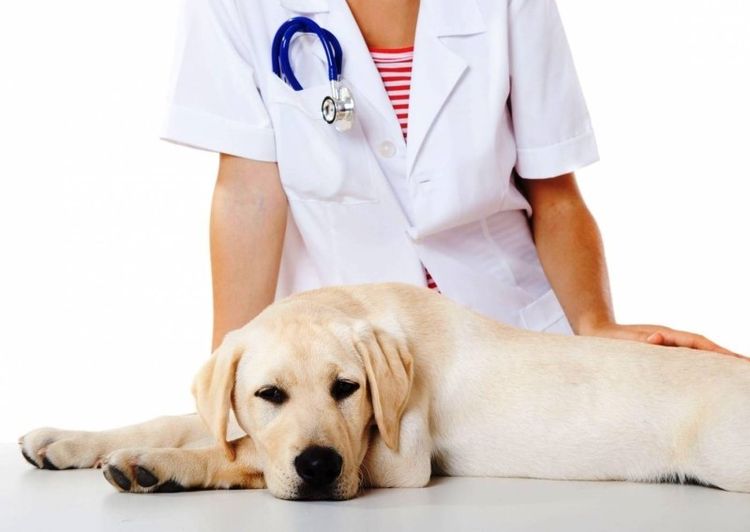
To diagnose cholecystitis, a veterinarian performs a clinical examination of the pet, including mandatory abdominal palpation and assessment of the mucous membranes, coat, and skin. To confirm the disease, the following is performed:
- general blood test to identify inflammatory processes (with an increase in the level of leukocytes and ESR);
- urine and stool analysis to determine bilirubin levels;
- Ultrasound of the abdominal cavity to detect blockage of the bile ducts and pathologies that provoke cholecystitis;
- X-ray diagnostics for the presence/absence of stones;
- Liver biopsy to determine bile viscosity and congestion.
Treatment of the disease
A veterinarian determines how to treat cholecystitis based on the clinical presentation, the individual characteristics of the animal, and the presence of concomitant diseases. In emergency situations where peritonitis is a risk, an urgent surgical procedure called laparotomy is performed to remove the affected organ. In other cases, a comprehensive drug therapy is prescribed, aimed at:
- elimination of the consequences of toxic effects of substances and dehydration of the body;
- elimination of the causes of the disease;
For these purposes the following may be prescribed:
- Antibiotic therapy – when an infectious cause of cholecystitis is identified, to eliminate the pathogenic microflora that causes the acute form of the disease. Medications are prescribed after identifying the specific pathogen. Cephalosporins are considered the safest.
Important! Tetracycline medications, which have a negative impact on the liver, are strictly not suitable for the treatment of cholecystitis.
- Intravenous solutions – to eliminate dehydration (glucose, saline, rheopolyglucin), to reduce toxic liver damage (saline with calcium gluconate)
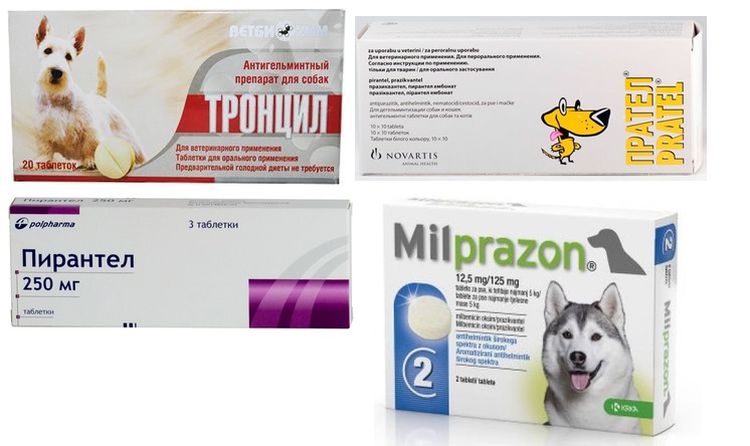
- Antiparasitic therapy – to destroy parasites that can inhabit the intestines, liver cells, lungs, blood, and brain. Drugs are selected to combat both nematodes and cestodes (Troncil, Pratel, Milprazone, Pirantel).
- Supportive therapy for detoxification of the body after the destruction of parasites: enterosorbents, probiotics.
- Antispasmodics – to relax the abdominal walls, gallbladder and reduce pain (No-shpa, Atropine sulfate).
- Painkillers – for severe pain (Baralgin, Besalol).
- Choleretic drugs: Allochol, Magnesium sulfate, Cholagone, Ursodeoxycholic acid (to thin bile).
- Hepatoprotectors – to restore liver function (Essentiale forte, LIV-52, Heptral).
- Physiotherapy (except in acute cases) – to relax the gallbladder walls, stimulate circulation, and reduce pain. Thermal treatments are prescribed after a preliminary examination of the dog.
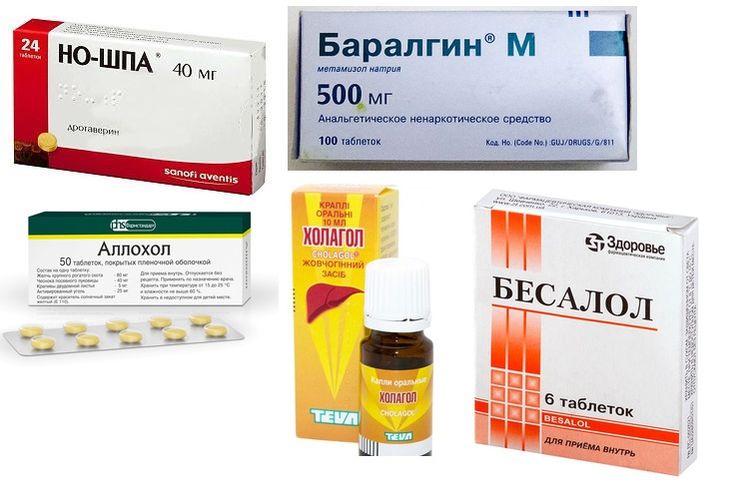
The dosage and duration of medication should be determined by a veterinarian. The dog's owner should adhere to the instructions and not discontinue treatment prematurely, even if severe symptoms resolve.
Special diet
An essential element of effective cholecystitis treatment is a special diet that minimizes gastrointestinal stress. This requires replacing dry foods of questionable quality with prepared therapeutic diets or natural foods. When feeding natural foods, the following are permitted:
- lean meats (turkey, chicken, beef);
- porridges (buckwheat, rice);
- low-fat dairy products (cottage cheese, unsweetened fermented milk products);
- eggs;
- heat-treated vegetables containing vitamin A (carrots, pumpkin);
The optimal regimen is at least five small meals. The food should be fresh, warm, and pureed. This regimen promotes normal gallbladder and liver function, preventing congestion. In severe cases, a 12-24 hour break between feedings is recommended. It is recommended to maintain a dietary regimen not only during treatment but also after your pet's recovery.
Read also:
- Vomiting blood in a dog
- Why does a dog's stomach rumble and what should you do?
- Enterocolitis in dogs: symptoms and treatment


Add a comment