
Glaucoma in Cats: Symptoms and Treatment
Glaucoma is a disease that often leads to complete vision loss in cats if, for whatever reason, owners fail to notice the early symptoms and begin treatment promptly. In this article, we'll explain in detail how to diagnose this dangerous disease in your pet and what treatment options a veterinarian can offer today.
Content
Types and causes of occurrence
Glaucoma in cats is closely associated with an increase in IOP (intraocular pressure) above 25 mmHg. Increased intraocular pressure, whether caused by any cause, is initially asymptomatic, but in later stages it can cause severe pain, leading to compression of the optic nerve and irreversible vision loss.
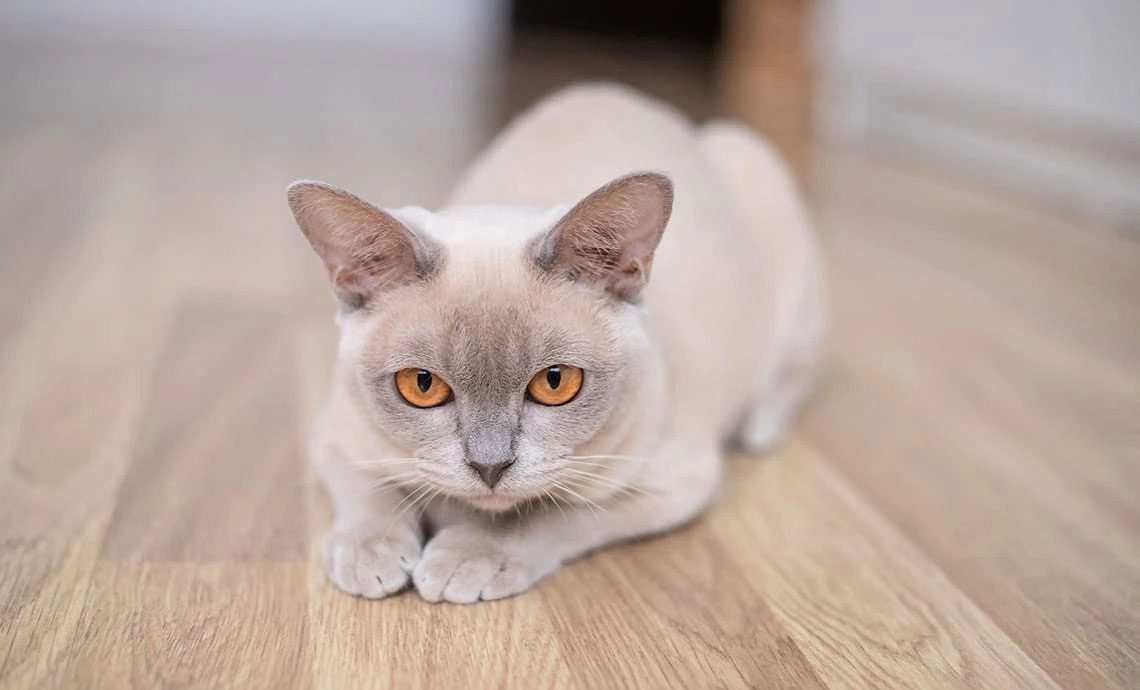
In some breeds, the disease can be inherited. At risk for hereditary primary glaucoma Persians, Siamese and cats Burmese breed.
According to statistics, the likelihood of developing pathology in these animals is 3-4 times higher and the disease most often affects both eyes, but glaucoma can occur in cats of any breed, since the causes of the disease are very diverse:
- genetics;
- injuries;
- chronic eye diseases;
- neoplasms.
Before prescribing treatment, a veterinarian must determine the type of glaucoma, the underlying cause, and the extent of optic nerve damage. Knowing these parameters allows for the selection of an effective treatment and prognosis for a specific animal.
Primary glaucoma
It is diagnosed in practice quite rarely and can be caused by:
- genetic predisposition;
- features of the eye structure;
- excessive secretion of intraocular fluid;
- pathologies of intrauterine development of the kitten (due to infections suffered in utero).
Primary glaucoma often affects both eyes. Initially, the condition may manifest in only one eye, but over time, it may also affect the other.
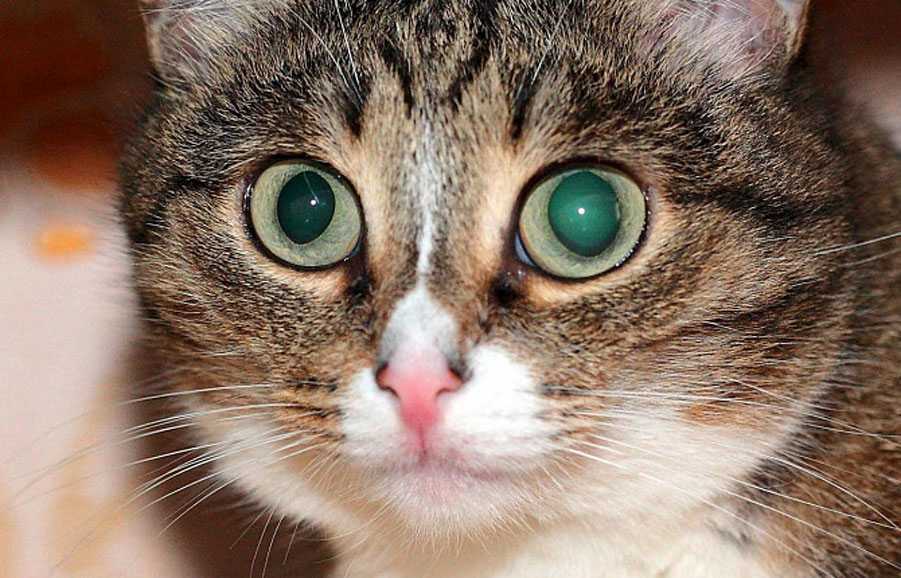
Symptoms characteristic of primary glaucoma can develop at any age, but most often during the first year of life. If diagnosis is not made promptly and the disease remains undetected for a long period, the animal will suffer complete vision loss with no chance of visual recovery.
Open-angle glaucoma (POAG) more often than not, it develops gradually, with virtually no symptoms in the early stages.
Closed-angle glaucoma (CACG) It can develop gradually, but is often acute. Complete blindness with PGUG occurs more quickly, and the disease itself often causes severe pain.
Secondary glaucoma
It occurs significantly more frequently than primary glaucoma and is a consequence of processes caused by various chronic eye diseases. The most common causes of secondary glaucoma in cats are:
- neoplasms (in particular, intraocular neoplasia);
- uveitis (inflammation affecting the vascular membrane of the eye);
- cataract (cataract);
- intraocular hemorrhage (most often hyphema);
- dislocation or subluxation of the lens.
The outflow of ocular fluid can also be disrupted as a result of eye injury. However, regardless of the cause, increased intraocular pressure is a serious problem requiring prompt diagnosis and treatment.
Stages of glaucoma and characteristic symptoms
The main danger of glaucoma is that in the early stages the disease is almost always asymptomatic, and by the time the owner can see the characteristic symptoms with the naked eye, the damage to the optic nerve is already too severe.
There are three stages in total:
|
Stage |
Name |
Symptoms |
|
I |
Initial |
there are no symptoms, but IOP is above 25 mmHg. |
|
II |
Moderate |
There are no symptoms or they are very weak, intraocular pressure is increased, vision is deteriorating, but often the owners do not notice this, although the following symptoms may be present: · lacrimation; · redness of the eyes; · mild corneal opacity; · deterioration of peripheral vision; · loss of appetite; · lethargy. |
|
III |
Terminal |
characteristic symptoms appear: · pupil enlargement; · increase in eye size; · corneal opacity; · severe inflammation of surrounding tissues; · photophobia; · eye pain; · impaired coordination of movements; · headaches; · depressed state; · vision in the affected eye is greatly reduced, leading to complete blindness. |
 Unfortunately, glaucoma in cats is often diagnosed at a terminal stage, when drug treatment can no longer significantly improve the condition, and vision loss is irreversible.
Diagnostic methods
If your pet belongs to a breed at risk, don't wait for the first obvious symptoms to appear, as today you can test for glaucoma in cats even when they are completely asymptomatic.
The most effective method is measuring the pressure of the intraocular fluid (ophthalmotonometry). A veterinarian can conduct examinations on the same day of your visit, using the appropriate equipment. If the measurements show pressure exceeding 25 mmHg, or the difference in readings between the eyes is greater than 7-8 mmHg, it may be necessary to lower the IOP and ensure ongoing monitoring of this indicator and the condition of the eye.
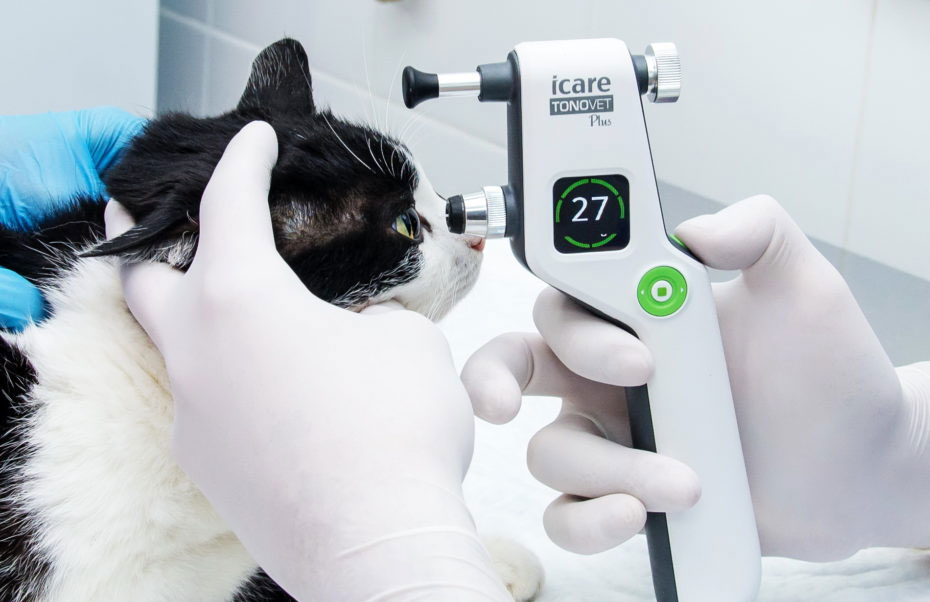
To determine the cause of high IOP (if secondary glaucoma is suspected), the veterinarian may also recommend other modern examination methods:
- gonioscopy;
- ophthalmoscopy of the fundus;
- Ultrasound of the eyes;
- tomography;
- biomicroscopy.
Treatment methods
To determine the best treatment for the disease, the doctor must determine the stage of glaucoma in the animal (what is the degree of vision loss), what type of disease has been diagnosed, and what is causing the fluid drainage problem.
Drug therapy can be carried out at home throughout the animal’s life and consists of instilling special medications aimed at:
- decrease in the secretion of ocular fluid;
- increased outflow;
- improving blood supply to eye tissues;
- fight inflammation.
If secondary glaucoma occurs as a consequence of a chronic disease, then the veterinarian will first need to prescribe treatment for the primary disease and glaucoma therapy.
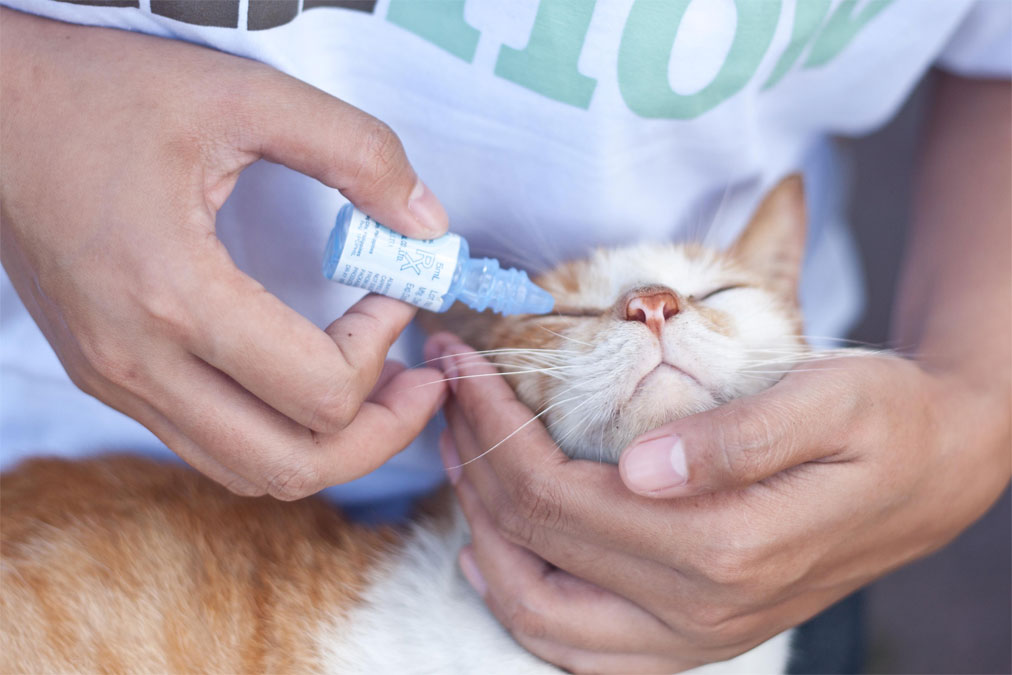
If glaucoma is detected at an early stage and treatment is selected correctly, then in most cases it is possible to control IOP over a long period (sometimes the entire life of the animal), preventing deterioration of vision.
When do they resort to surgical treatment?
- Drug therapy does not produce results.
- The animal suffers from severe pain.
- Vision is completely lost and it is more humane not to try to treat glaucoma, but simply to remove the affected eye, ridding the cat of the symptoms associated with the disease.
In both cases, doctors recommend drains or laser surgery. However, if vision is irreversibly lost, eye removal can be performed using various techniques (including subsequent prosthetic replacement).
Prevention
There are no glaucoma prevention methods that guarantee an animal will not develop this disease. Prevention of secondary glaucoma involves prompt treatment of any eye diseases.
There are also recommendations to help detect the disease early, when it's still possible to stop the progression of glaucoma with medication. These include regular eye examinations by a veterinary ophthalmologist.
Veterinarian's advice
For more detailed information about how the disease develops and why vision loss from glaucoma is irreversible, watch this video.
Read also:
- Why do cats have watery eyes?
- Panophthalmitis in cats: symptoms and treatment
- The cat's eye turned white


Add a comment