
Hemorrhoids in dogs: do they occur, causes, and treatment
It's believed that hemorrhoids in humans are caused by a shift in the center of gravity toward the pelvic region. This is due to walking upright and sitting on the butt. While dogs don't experience this kind of strain, hemorrhoids do occur in dogs. Prompt treatment can prevent dangerous complications and allow the animal to lead a normal life.
Content
What are hemorrhoids and what causes them in dogs?
The pathology develops in the lower rectum (anal area) due to the dilation of the hemorrhoidal veins located there. The onset of the pathological process is associated with a sluggish internal inflammatory process, which accelerates with thickening of the blood and impaired blood flow.
As a result, blood stagnation occurs, the vein walls gradually stretch, thin, and, due to internal or external factors, swell, forming nodes. The node protrudes into the rectum or outward, then gradually fills with blood and prolapses. If left untreated, over time, the walls cannot withstand the pressure of the blood, and bleeding begins.
The main cause of hemorrhoids in dogs is pelvic congestion, which leads to decreased vascular tone. These conditions are most often observed in older dogs and toy breeds. Their occurrence is facilitated by:
- poor quality dry food and failure to adhere to the drinking regime (drinks little water), which causes constipation;
- unbalanced diet;
- low physical activity or, conversely, excessive stress;
- intestinal obstruction;
- hormonal imbalances leading to obesity;
- circulatory disorders in the pelvis associated with frequent pregnancies and postpartum conditions;
- advanced helminthic infestation;
- diseases of the genitourinary system;
- neoplasms in the intestine (benign, malignant);
- diabetes mellitus;
- endocrine diseases.
Veterinarians note that if a puppy does not receive enough vitamins, macro- and microelements during the period of development of the musculoskeletal system, this can lead to the development of hemorrhoids later on.
Symptoms
The owner should be alerted to behavior that is not typical for a healthy dog and any signs that indicate a change in its condition:
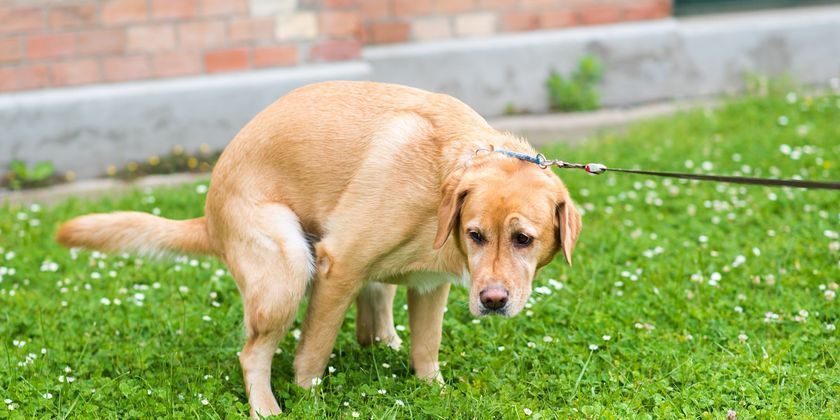
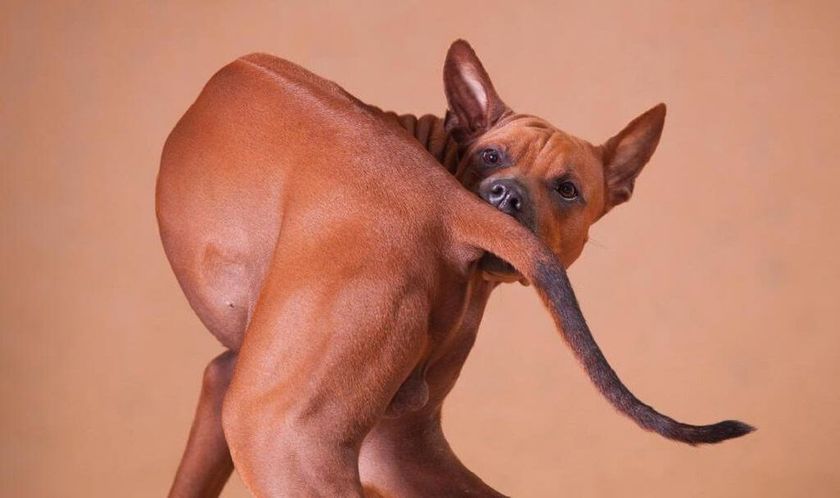
- licks anus due to severe itching;
- redness and swelling of the anus;
- the stool became dry and hard;
- the presence of mucus and blood clots in the feces;
- whines (squeals) during defecation due to painful sensations;
- spreads its paws wide when walking, its gait is tense.
If you notice any of these symptoms, you should visit your veterinarian.
Localization and stages of disease development
Hemorrhoids can be internal, when the inflammation occurs in the rectum, or external, when the anal vessels are affected and prolapsed. Internal hemorrhoids can cause changes in gait, blood stains in the stool, and painful bowel movements. External hemorrhoids are visible.
The disease can be acute or chronic. In the acute form, the dog experiences pain during defecation, constantly licks its anus, and there is blood in the stool, sometimes bleeding from the anus.
If the pet does not receive treatment during the acute phase or if it is ineffective, the disease becomes sluggish and progresses to a chronic form. In this case, symptoms typical of the acute form are observed periodically. The duration of remission periods depends on the presence of precipitating factors.
In the clinical course of hemorrhoids, several stages of development are distinguished:
- I – irritating itching, which the dog tries to relieve by licking the anus, rubbing against a rough surface, the mucous membrane of the anus is swollen, red;
- II – the symptoms of the initial stage are supplemented by painful sensations during defecation, since the stool has become hard and injures the inflamed walls of the vein;
- III – upon visual examination, fallen nodes are visible, blood is present in the stool;
- IV – periodic bleeding (blood is scarlet), anemia.
The symptoms of a number of diseases in dogs look the same as those of hemorrhoids, so for an accurate diagnosis, you need to consult a specialist.
Diseases with similar symptoms
Some diseases have clinical manifestations similar to hemorrhoids, and self-diagnosis can be mistaken.
Helminthiasis
Helminths are common in domestic dogs. Without deworming, the parasites will rapidly multiply, leading to pathological changes in the body. Upon reaching sexual maturity, female worms lodge in the anal area and lay eggs.
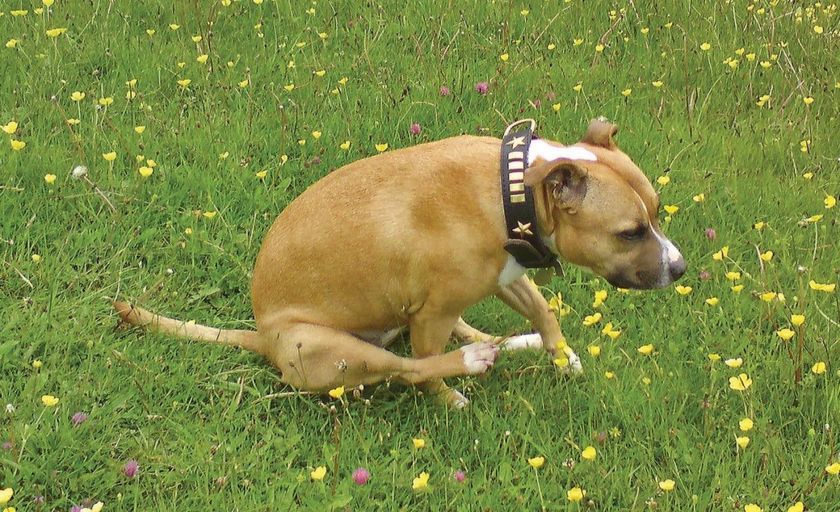
All this causes itching and irritation of the mucous membrane, which the dog tries to relieve by licking and rubbing its anus against the ground, grass, or carpet. As a result, the mucous membrane becomes even redder. These symptoms are sometimes mistaken for the initial stages of hemorrhoids.
Rectal prolapse
In older dogs, gastrointestinal function gradually declines, and the muscles supporting the sphincter weaken. As a result, the rectum prolapses, which resembles the clinical picture of late-stage hemorrhoids.
Inflammation of the paranal glands
The inflammatory process occurs due to a disruption in the drainage of secretions from the glands located at the junction of the anus and rectum. Fluid accumulates, leading to inflammation, the initial stage of which is similar in symptoms to a parasitic infection.
Paraproctitis
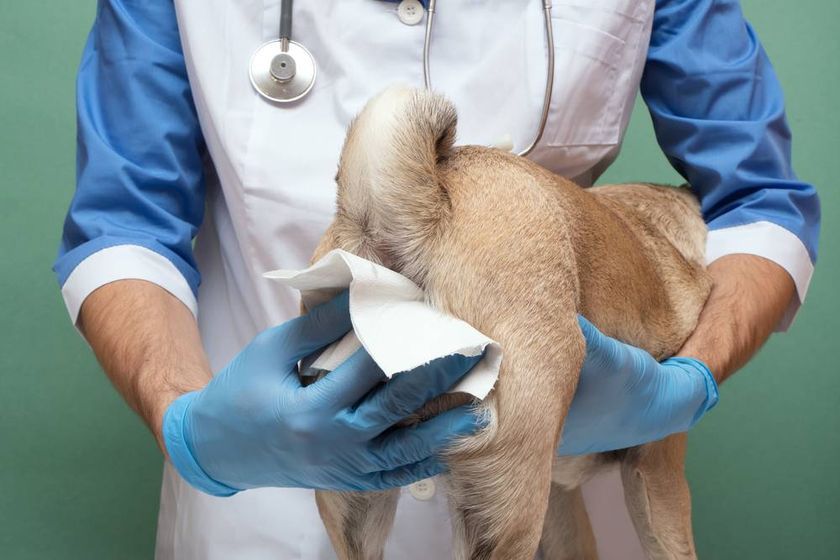
Paraproctitis is an inflammatory process in the tissues surrounding the anus and rectum. It is caused by a bacterial infection. Dogs experience itching, pain, and a feeling of pressure in the anal area. Enlarged paraproctitis glands are visible to the naked eye.
Perineal hernia
This type of hernia typically occurs near the anus (on one or both sides). It can develop due to a disruption in the integrity of the muscular structures of the pelvic diaphragm. A rounded bulge is visible in the perineum, and bowel movements are difficult and constipation is common.
Diagnosis and treatment
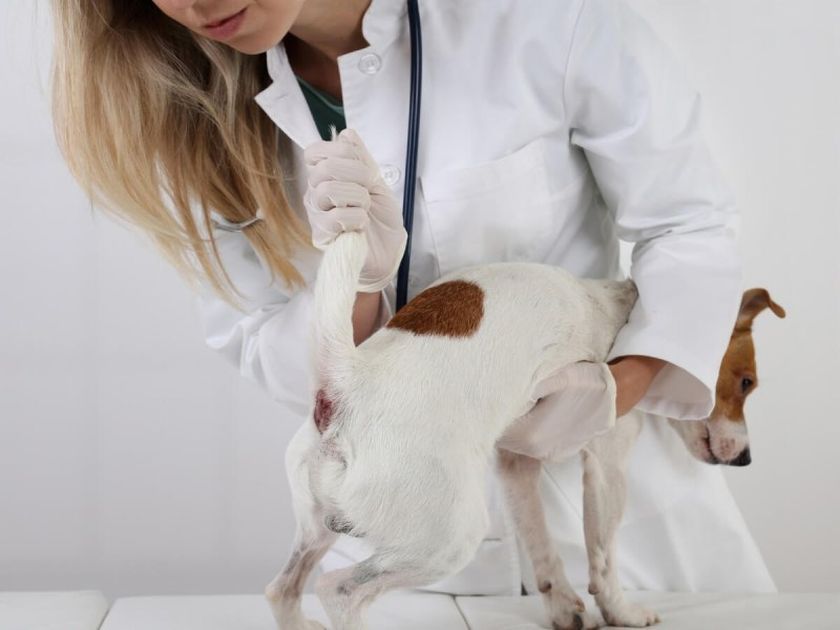
If your dog has hemorrhoids, an examination is necessary to establish an accurate diagnosis. This will allow us to differentiate the pathology and decide what to do in each specific case.
It consists of a visual examination, palpation of the anal glands and rectum, and, if necessary, an instrumental examination of the rectum. Additionally, a stool sample is tested for occult blood, parasites, blood clotting, sugar, hormones, and a number of other characteristics.

If diagnosed early, i.e., in the early stages of the disease, hemorrhoids can be treated at home. In advanced cases, complex conservative treatment or surgery will be necessary.
Drugs for the treatment of stages I-II:
- Duphalac, Guttalax, Lactusan, Metamucil, castor oil – mild laxatives that facilitate bowel movements;
- Venarus, Detralex, Phlebodia 600 – increase vein tone, improve blood flow;
- Procto-Glivenol, Relief – hemostatic suppositories (insert 10-15 minutes after defecation);
- Sea buckthorn oil, ointments with antiseptics - lubricate the anus, insert tampons.
You can add yarrow and chamomile infusion to drinking water.
Treatment of advanced hemorrhoids (stages III-IV) is approached in a comprehensive manner, using medications:
- Diclofenac, Ketanov – local and general anesthetics;
- Levomekol, Posterisan, Proctosan - ointments with antibacterial and anti-inflammatory effects;
- Natalsid, Neo-Anuzol, Relief – suppositories that stop bleeding;
- Venarus, Detralex, Diosmin, Troxerutin – venotonics;
- broad-spectrum antibiotics, sulfonamides – prevent the occurrence of inflammation and secondary infections;
- Gamavit, Immunofan, Katozal, Kinoron, Salmosan – immunomodulators.
After defecation or a walk, it is recommended to wash the anus with cool water and an infusion of St. John's wort, calendula, and chamomile.
Surgical intervention
If conservative treatment is ineffective, the hemorrhoid is large, there is heavy bleeding, or there is severe swelling of the rectum, surgery is necessary. The hemorrhoid is not removed, but rather tied at its base with a special thread. Without a blood supply, it gradually dies. The epidermis and rectal mucosa above the affected area are also excised.
Nutrition
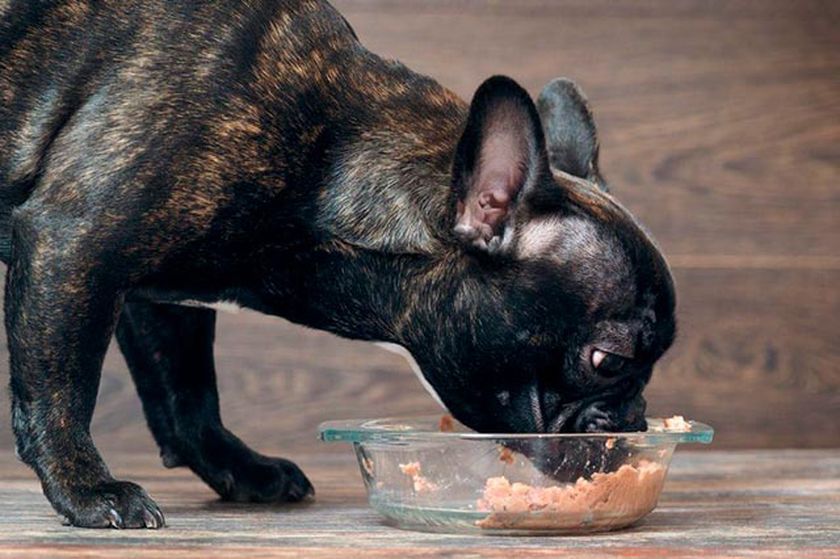
Any treatment begins with dietary adjustments. It should include fiber, porridges made from a variety of grains (except semolina, corn, and millet), lean boiled meat, vegetables, and fermented milk products. Vegetables can be added to porridges at the end of cooking or given separately, boiled.
The main component of the diet is meat – 25 g per 1 kg of the dog's weight. To prevent opisthorchiasis, freshwater fish should be boiled. Bones, sweets, and smoked foods should be excluded from the menu. Large pieces of food should be chopped to avoid damaging the mucous membranes.
If you prefer prepared foods, choose special dietary lines designed for dogs with gastrointestinal issues. For example, Farmina Vet Life Gastrointestinal, Pro Plan Veterinary Diets EN Gastrointestinal, Royal Canin Gastro Intestinal, and Hill's Prescription Diet.
Preventive measures
Preventive measures are aimed at eliminating the causes that lead to hemorrhoids.
Recommendations:
- walk for at least 1 hour every day, play active games with your pet;
- take into account the characteristics of the breed, i.e. give service dogs the physical activity they need, and regulate the amount of exercise for decorative dogs;
- deworming should be carried out once every 3 months;
- control pregnancies;
- examine the animal regularly to notice signs of illness in a timely manner;
- stick to a healthy diet;
- maintain a drinking regime and avoid dehydration;
- treat diseases of the gastrointestinal tract and genitourinary system in a timely manner;
- Regularly clean the anus by washing it with antibacterial wipes, then lubricate it with a rich cream to prevent cracks and inflammation.
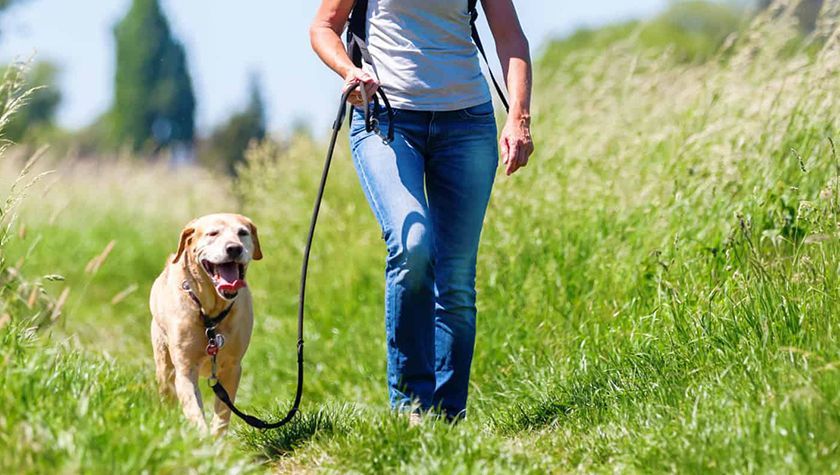
Although hemorrhoids are rarely diagnosed in dogs, prevention shouldn't be neglected. With the right approach, all these measures can become part of your routine and routine.
Read also:
- My dog is pooping mucus and blood: reasons and what to do
- Paranal glands in dogs: treatment of inflammation, cleaning
- Black stool in dogs: causes


Add a comment