
Gastroenteritis in Dogs: Symptoms and Treatment
Gastroenteritis is a fairly common condition in dogs. It causes inflammation of the stomach and intestinal lining, leading to digestive problems. Treatment should be under the supervision of a veterinarian to prevent complications.
Reasons
Gastroenteritis in dogs can develop for several reasons. Here is a list of the main ones:
- errors in diet (poor quality food, lack of important vitamins and microelements, overeating);
- poisoning (chemical and food);
- viral infections;
- food allergy;
- chronic intoxication (in oncology, kidney and liver pathologies);
- injuries (when swallowing large objects that injure the gastrointestinal tract mucosa);
- use of certain medications (cytostatics, non-steroidal anti-inflammatory drugs, some antibiotics);
- Parasitic infestations. Worms have a significant negative impact on the gastrointestinal tract mucosa.
According to statistics, puppies and young dogs are at risk for gastroenteritis.
Classification
Depending on the characteristics of the disease, specialists distinguish several types of gastroenteritis:
- purulent;
- diphtheritic;
- mucous-membrane;
- phlegmonous;
- croupous;
- hemorrhagic.
Depending on the nature of the disease, there are two forms: acute and chronic.
The most unpleasant are gastroenteritis of viral origin (coronavirus and parvovirus).
Symptoms
Gastroenteritis in dogs causes a characteristic clinical picture, which can alert owners to the presence of a pathology. Symptoms may vary slightly depending on the underlying cause.
The most common signs are:
- poor appetite or lack of appetite;
- bad breath;
- increase in body temperature;
- pain syndrome (usually mild);
- diarrhea;
- rumbling in the stomach;
- increased gas formation.
Severe forms of purulent, gangrenous, and fibrinous gastroenteritis may occur. The following symptoms may be present:
- white or grayish coating on the tongue;
- depressed state;
- frequent vomiting;
- sunken eyes;
- colic;
- dehydration;
- weight loss.
Large fluid loss (during vomiting and bowel movements) leads to water and electrolyte imbalance in pets. This condition is very dangerous and requires immediate treatment. Otherwise, there is a risk of hypovolemic shock and death.
Diagnostics
Self-diagnosis of this condition is impossible; you need to seek help from a specialist. Veterinarians make a diagnosis based on clinical symptoms, an examination, and collecting the owner's medical history. Additionally, a series of tests and examinations are prescribed.
Here is the full list:
- general and biochemical blood tests;
- stool analysis;
- viral infection test;
- gastroscopy;
- X-ray of abdominal organs;
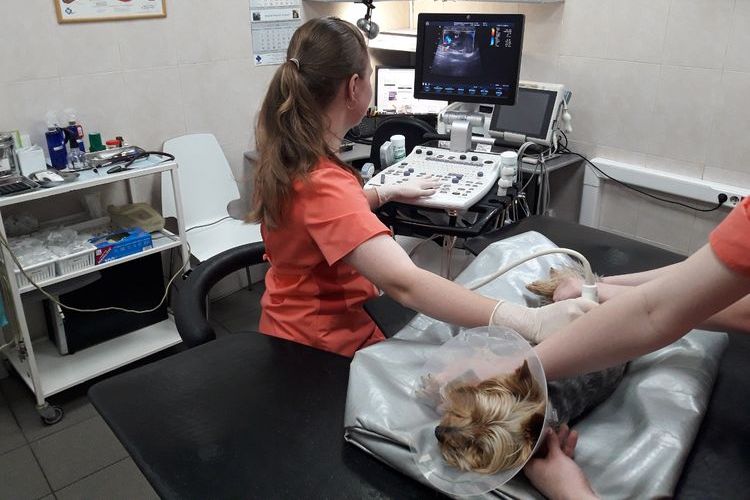
- ultrasound examination of the abdominal cavity.
How to treat
When treating gastroenteritis in dogs, the first step is to address the underlying cause. Symptomatic therapy is also prescribed to address any gastrointestinal dysfunction.
If a foreign body has entered the stomach or intestines, it should be removed as quickly as possible. This can be done using a gastroscope or surgically (enterotomy). If the swallowed object was small, giving the dog Vaseline orally is sufficient.
Parasitic infestations are treated with anthelmintic and antiprotozoal medications. If the disease is caused by a virus, antiviral medications and immunostimulants are indicated. These help the body quickly and effectively fight the infection.
If gastroenteritis develops due to the toxic effects of medications, they should be discontinued immediately. Hepatoprotectors are also recommended for liver support.
First aid for poisoning: perform a gastric lavage. If the dog has ingested chemicals or rat poison, use antidotes.
Gastroenteritis caused by diseases of internal organs or tumors, requires treatment of the underlying pathology. After treatment, the condition of the digestive tract will also improve.
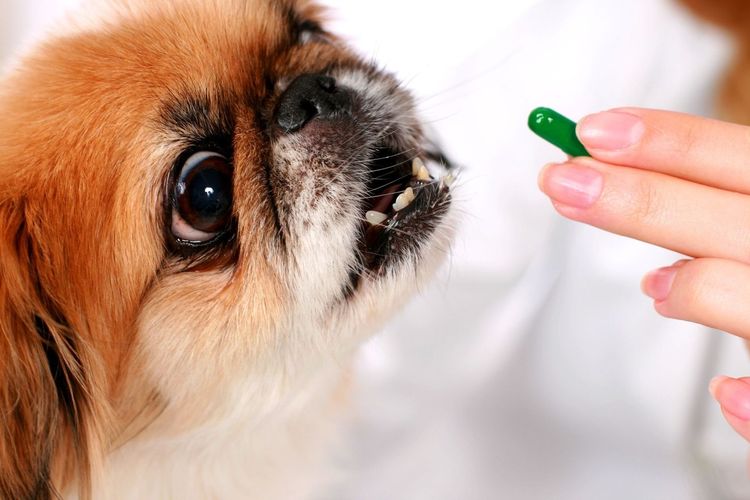
Symptomatic treatment, depending on the indications, involves the following prescriptions:
- Antimicrobial drugs and antibiotics (if there are infections).
- Dehydration. Intravenous administration of electrolyte solutions.
- Enemas (to cleanse the body and remove toxins).
- Antidiarrheal and antiemetic drugs.
- Sorbents (Enterosgel, Polysorb, activated carbon).
- Vitamin therapy.
- Antihistamines (for food allergies).
- Blood transfusion (in case of developing anemia or severe blood loss).
Medication is always combined with a therapeutic diet. The latter can significantly reduce the burden on the stomach and intestines. Porridges with ground meat, low-fat broths, and boiled eggs are acceptable. Once your dog's appetite returns, don't overfeed them immediately. Initially, keep the portions small. You can return to your dog's normal diet after 1.5 to 2 weeks.
Prevention
Veterinarians recommend that dog owners take steps to prevent gastroenteritis in their pets. Prevention is better than treatment. Key recommendations:
- do not allow the animal to eat food from the ground;
- administer vaccines on schedule;
- establish a balanced diet;
- Playing with toys should only be done under supervision;
- regular antiparasitic cleansing.
Never attempt to treat gastroenteritis at home on your own, as this can lead to further complications. It's best to seek veterinary help immediately. Proper therapy and a proper diet will ensure your dog's rapid recovery.
Read also:
- Jaundice in a dog after a tick bite
- My dog is pooping mucus and blood: reasons and what to do
- Enterocolitis in dogs: symptoms and treatment


Add a comment