
Enterocolitis in dogs: symptoms and treatment
Enterocolitis (also known as gastroenterocolitis or gastroenteritis) is one of the most common zoonotic diseases, meaning diseases common to both humans and animals. It is an inflammation of the small and large intestines, leading to dysfunction and atrophic changes. Since the digestive system of puppies is not yet fully adapted, and in older animals its function is already impaired, enterocolitis in dogs is most often diagnosed in young or older dogs; middle-aged animals are less susceptible to this disease.
The disease is considered quite serious and requires mandatory treatment. Acute enterocolitis can quickly lead to death due to severe dehydration, while chronic intestinal inflammation can cause weight loss and even complete exhaustion, which, among other things, weakens the body's resistance to potential infections.
Reasons for development
Enterocolitis is usually divided into primary and secondary. The primary form of the disease is caused by:
- Poisoning, including ingestion of poisonous plants (milkweed, colchicum, crocus, azalea) by the dog;
- Mechanical damage to the intestines (sharp bones or foreign objects getting into it);
- The presence of harmful foods in the dog’s diet (stale, fried, containing hot spices).
The above mentioned reasons cause an inflammatory process in the intestines and the death of natural microflora, while pathogenic microorganisms receive favorable conditions for reproduction.
The secondary form of enterocolitis is a consequence of viral, bacterial, parasitic or fungal diseases: salmonellosis, giardiasis, helminthiasis, echinococcosis, and parvovirus infection. This type of enterocolitis can be caused by physiological intestinal pathologies (duodenal hypertension, intestinal stenosis, tumors), as well as immune system dysfunction.
Symptoms
The symptoms of enterocolitis in dogs are usually quite pronounced and difficult to miss. The main symptom is digestive upset (diarrhea), accompanied by flatulence and intestinal noise. bloating and pain. At the onset of the disease, stools have a mushy consistency, then gradually become more watery, and may contain blood and mucus.
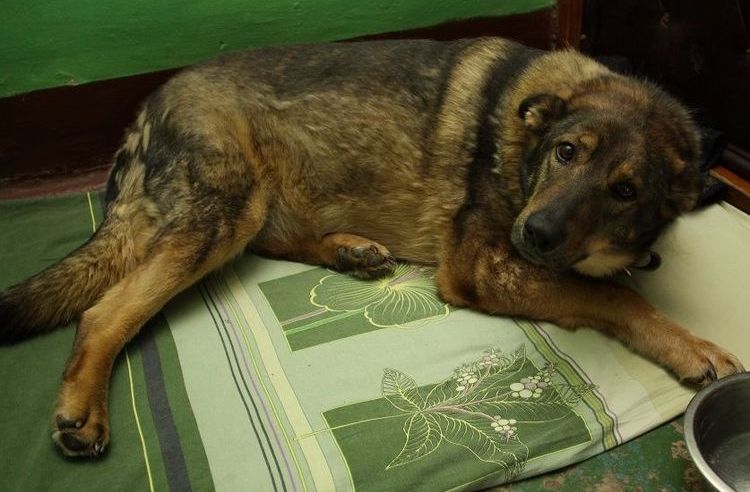
As enterocolitis progresses, the symptoms described above are accompanied by general malaise, vomiting, loss of appetite, lethargy, reluctance to go for walks, and fatigue. In some cases, fever and elevated temperature are observed. Due to anal inflammation, the dog constantly licks the anal area and scrapes its rear end on the floor. Frequent false urge to defecate (tenesmus) can lead to rectal prolapse. The animal's coat, due to the loss of fluids, along with vitamins, macro- and microelements, becomes dull, dry, and unkempt.
When your pet is taken to the veterinarian, the doctor will also discover other symptoms of intestinal inflammation during the examination: abdominal distension, pain, and rigidity (increased rigidity) of the abdominal wall upon palpation, and peristaltic intestinal sounds upon auscultation (listening).
Helpful information. If your dog shows signs of intestinal inflammation, you should, of course, contact a veterinarian. However, owners can provide first aid themselves. It's important to provide your pet with fluids, as diarrhea can cause severe dehydration. Feed your dog small, frequent doses of water. If possible, you can cleanse the dog's intestines with castor oil. This will make diagnosis easier for the veterinarian.
Diagnostics
A diagnosis of enterocolitis is made based on an examination, medical history, and laboratory and/or imaging results. The dog's owner will need to provide the veterinarian with as much information as possible:
- What did the dog eat before it got sick?
- Has there been a recent abrupt change to a different type of feed?
- When was the last time she ate?
- How the animal was walked - on a leash or without.
- Were there any contacts with other animals?
- What vaccinations were given and when.
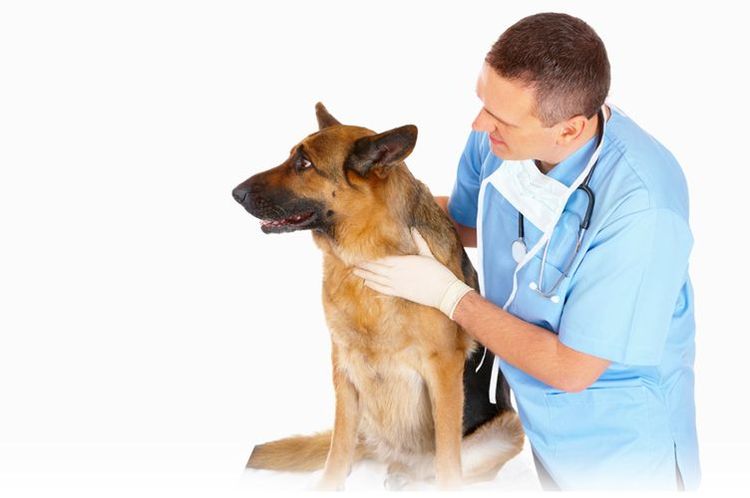
After a conversation with the dog's owner and an external examination of the animal, he is prescribed:
- general and biochemical blood test;
- laboratory blood tests for the presence of pathogens causing leptospirosis, salmonellosis, parvovirus, infectious hepatitis, and canine distemper;
- urine analysis;
- stool analysis for helminth eggs and presence of mucus.
If enterocolitis is suspected to be caused by a foreign object in the gastrointestinal tract, an ultrasound or X-ray of the abdominal organs is performed. The animal should be fasted for about 24 hours before the ultrasound to rule out flatulence, which could distort the results. X-rays are taken without preparation. Signs of intestinal inflammation include increased muscle contractions, which causes the contrast agent to pass through the intestine too quickly.
One of the modern methods for diagnosing gastrointestinal diseases, used in complex cases and when intestinal tissue sampling for biopsy is required, is endoscopy. This examination of the intestinal walls uses an optical system with a microcamera that transmits images to a monitor. The procedure is minimally invasive and is performed under general anesthesia.
Treatment
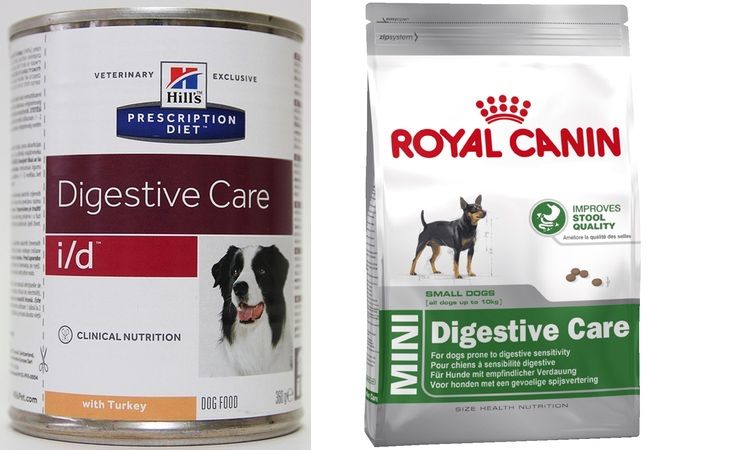
When treating enterocolitis in dogs, diet is paramount. For the first one or two days, it's best to fast, but provide plenty of water. Then, you can begin feeding small portions of rice or oatmeal broth, followed by fresh ground meat and low-fat cottage cheese. Subsequently, the dog should be switched to a therapeutic diet for at least a couple of weeks; veterinarians recommend Royal Canin or Hill's Diet. During the recovery period, it's helpful to add herbal infusions to the dog's water, including chamomile, sage, calendula, immortelle, and St. John's wort.
Medication treatment always includes anti-inflammatory medications. For severe dehydration caused by diarrhea, Polysorb solution is used to restore fluid and electrolyte balance, and sometimes intravenous saline is required. Baralgin, Imodium, Kalmagin, and Almagel are used for pain relief, while Smazolitin or No-Shpa are used to relieve intestinal spasms.
Other medications for the treatment of enterocolitis are prescribed depending on the underlying cause of the disease:
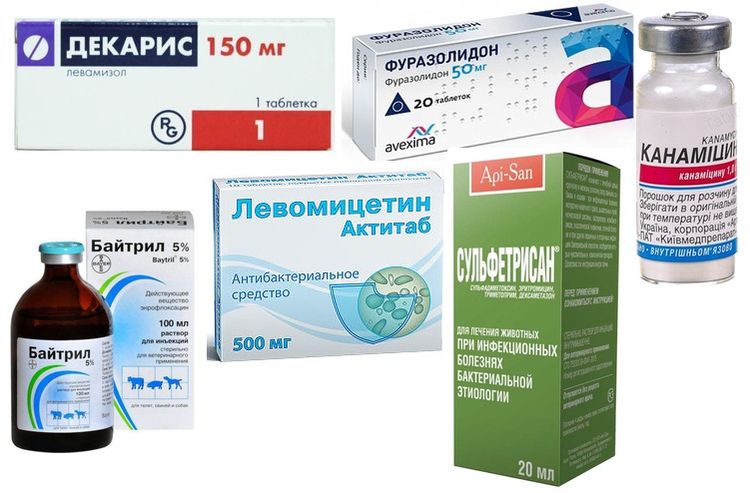
- for parasitosis - Decaris, Piperazine, Furazolidone;
- in diseases of bacterial origin ― Bayer Baytril, Levomycetin, Kanamycin, Bicillin, Caricef, Kefzol, or sulfonamides - Etazol, Sulfetrisan, Sulfadimezine, Biseptol and others.
- for deficiency of digestive enzymes - Pepsin, Pancreatin, Bifidum-bacterin, Mezim, Lactolysate, Liv-52.
Important! In cases of minor intestinal bleeding, the dog is prescribed hemostatic agents (medications that increase blood clotting): Vikasol, Phytomenadione, or Aminocaproic acid. In cases of significant bleeding caused by intestinal trauma, abdominal surgery may be necessary.
Prevention
Measures to prevent the development of enterocolitis in dogs include:
- Timely vaccination and treatment against parasites;
- Use of fresh and high-quality feed, and for old and weakened animals, adherence to a light diet;
- Walking the dog on a leash, eliminating the possibility of eating waste;
- Limiting the dog's contact with other animals.
Any digestive disorder in a dog should be a reason to visit a veterinarian, since the disease in the initial phase of development can often be cured within a few days, while a chronic form often requires many years of treatment and can have a poor prognosis.
Read also:


Add a comment