
Cystitis in cats
Cystitis in cats is considered a fairly common condition. Sometimes, owners notice their cat can't go to the toilet. And if she does go, she cries loudly and becomes restless. She squeezes out a few drops. And then questions begin to arise: what's wrong with the cat, how to treat it, and what's the cause?
Making an accurate diagnosis at home is virtually impossible. For those without veterinary training and experience, the symptoms are very similar to those of urolithiasis.
But cystitis in a cat is not the only inflammatory process in the genitourinary system that leads to the cat being unable to go to the toilet.
Both pet and owner suffer from the inflammation. The cat can't urinate normally, is in pain, and feels terrible. The owner has to clean up the puddles, endure the smell of urine in the apartment, take the pet to the vet, and spend a lot of money on medications. Not everyone is willing to deal with their four-legged friend and makes the cruel decision to euthanize the animal, even though effective treatments for cats with cystitis exist.
Content
Causes of cystitis
The causes of cystitis in cats are varied. This is because inflammation of the bladder (called cystitis) can be either primary (an independent condition) or secondary (a symptom of another, such as an infection). The problem is that if a cat has ever had cystitis, it will recur with the slightest draft or a weakened immune system. So let's figure out where this condition comes from so your pet never suffers from it.
Hypothermia
The most common cause of cystitis in cats is hypothermia. It's the same in humans. Sitting, lying down, or walking in cold weather (especially in the rain) is a surefire way to get cystitis. And if your pet has a weakened immune system, the risk is even greater. Therefore, avoid letting your cat sleep or simply lie or sit on a cold floor (such as tile or concrete).
Infectious diseases
Cystitis in cats often develops due to the overgrowth of pathogenic bacteria in the bladder itself. Sometimes the inflammation originates in the kidneys or ascends from the urethra. Inflammatory processes in the genitourinary system very quickly, like a chain reaction, affect everything: the kidneys, bladder, ureters, and urethra. It's important to begin treating your cat for cystitis promptly, otherwise a host of health problems will follow.
Many diseases (viral and bacterial) lead to inflammation of the bladder, even though at first glance the animal only exhibits a cough or watery eyes. It's important to diagnose cystitis in cats promptly and begin comprehensive treatment immediately (including both traditional and medicinal methods).
Chronic diseases
Some owners aren't even aware that their pet is experiencing health issues. They don't take their pet to the veterinarian for a checkup, so inflammation can linger unnoticed in the body for a long time. This inflammation has the ability to "move" from one organ to another (bacteria are carried throughout the body via the bloodstream). Therefore, you shouldn't leave your pet untreated. No matter how trivial an illness or a cold may seem to you, complications can be serious.
.jpg)
Metabolic disorder
This can be caused by urolithiasis and obesity, which arise from metabolic disorders. Poor food and water quality can also cause cystitis in cats. Underfeeding and overfeeding also significantly alter metabolism, and not for the better. This can lead to the development of urolithiasis. Urine is poorly discharged and stagnates. The bladder becomes irritated, and pathogens in stagnant urine multiply very quickly.
All of this leads to cystitis. Restricting access to water will only worsen the situation. Water helps cleanse the bladder and reduces bacterial concentrations. The more often your cat pees, the better the chances of a speedy recovery (assuming you're using the medications prescribed by your veterinarian).
Other causes of cystitis in cats
This may include stress, abdominal/back injury.
Symptoms of cystitis in cats
At the very onset of the disease, the most common symptoms of cystitis in cats include increased urination and possibly increased thirst. The abdomen is extremely painful, and the pet simply refuses to be handled, but instead tries to rub against the owner, meow, and attract attention. As you can see, these symptoms are not easy to immediately notice in cats. Many people confuse them with the onset of heat, urolithiasis, and sometimes even stress. If the cat's inflammation is not recognized at this stage, it will become chronic. This will be more difficult to manage, and relapses are much more common.
Obvious symptoms of cystitis in cats include:
- Frequent trips to the litter box. Sometimes a cat doesn't even make it to the litter box, urinating wherever the urge strikes. Therefore, cat owners often notice that their previously litter-trained pet has begun urinating in every corner of the apartment, even in the center of the room on the carpet.
- No matter how much a cat pees, it meows loudly. It's in a lot of pain. Anyone who's ever caught a cold in their bladder knows firsthand how excruciatingly painful it is to squeeze out even a drop of urine. Therefore, frequent runs to the litter box are accompanied by loud screaming.
- Because urine is highly concentrated (due to retention in the bladder), it darkens. It can be not just yellow, but a deep amber.
- Often with drops of blood, which can cause urine to turn brown. Blood in the urine is a clinical sign of cystitis and many other genitourinary diseases.
- Pus may appear in the urine. It has a strong odor. It's easy to tell if your cat has problems; just look at the litter box after using it. The smell and color of the litter can be revealing.
- The body temperature rises. Any inflammation causes a fever. However, the temperature rise may be slight, practically unnoticeable. The cat is lethargic.
- The stomach is very painful. It often feels like a drum. The animal rarely lies on its stomach. And it constantly tosses and turns.
Forms of cystitis in cats
Cystitis in cats can be acute or chronic. It almost always returns as soon as the immune system weakens or another underlying condition triggers it.
There is also hemorrhagic (when blood vessels burst in the bladder mucosa) and idiopathic cystitis in cats (the causes are not clear, and the symptoms may either be absent or pronounced).
Treating a cat for cystitis
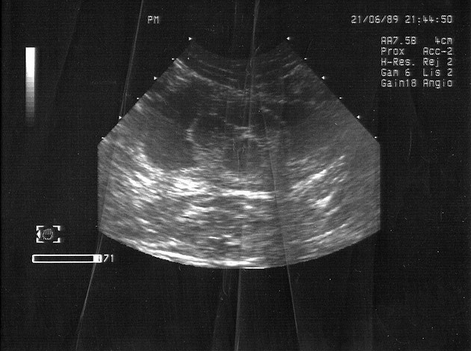
Before prescribing treatment for cystitis, a veterinarian should perform blood and urine tests and an ultrasound to ensure that urolithiasis is not the cause of the inflammation. The bladder is also emptied of urine using a catheter. Once a diagnosis of bladder inflammation is made, owners often wonder: how to treat a cat for cystitis? Some immediately start searching forums, searching for folk remedies for treating cystitis, while others consult neighbors and friends. Most begin treatment with the drug Stop-Cystitis, but the problem is that this medication only relieves the symptoms and does not address the underlying cause. However, only those who seek veterinary help are right. They are the ones who can cure their pet as quickly and effectively as possible, eliminating the underlying cause of the illness.
.jpg)
- Antibiotics are most often prescribed. Even if bacteria aren't the culprit, sooner or later pathogens will attack the inflamed area. Without them, a full recovery is unlikely. Ask your veterinarian to test the sensitivity of bacteria in the urine to antibiotics to avoid giving your pet medications that won't help.
- To antibiotics If this doesn't lead to dysbiosis, a qualified veterinarian will prescribe probiotics (medications that restore intestinal microflora). However, they should not be administered immediately after or before antibiotics. Otherwise, probiotics will be ineffective.
- Antispasmodics. These will help the cat "relax" a little. Firstly, the cat will be able to urinate (it won't be as painful, and the inflammation will be slightly reduced). Secondly, this will allow the cat to pass more urine at once, preventing it from stagnating.
- It's imperative to address the underlying cause! If it's a metabolic disorder, completely revise your diet and filter your water. If urolithiasis has already developed, it needs to be addressed. If other chronic conditions are the cause, address them.
- If a cat has idiopathic cystitis, it's very difficult to treat. The problem is that, as mentioned above, the cause has yet to be identified. Therefore, a veterinarian must prescribe symptomatic treatment (for example, stop-cystitis, diuretics, antibiotics).
Caring for a cat with cystitis
Caring for a cat with cystitis will help achieve positive results faster. However, it is no substitute for competent and comprehensive treatment for a cat with an inflamed bladder.
The house should be warm. But under no circumstances should you warm the cat itself. This will only worsen its condition. Heating a cat will cause pathogens in the bladder to proliferate. The goal of treatment is to destroy them. Just try to keep the house draft-free and the floors warm. Ideally, give the cat a bed with high sides or a cat house to keep out cold drafts.
A very important point: do not breed a cat for three months after full recovery! It is also recommended that such pets not appear at cat shows during this period. Minimize stress and hypothermia. Nothing should trigger cystitis in the cat again.
Review your diet. Ideally, switch to commercially prepared foods right away. There are special ones that prevent urinary tract infections. They contain all the necessary nutrients in the ideal ratio. Just don't choose cheap foods, but high-quality, professional-quality ones, so to speak.
Prevention of cystitis in cats
Preventing cystitis in cats is not as difficult as you might think.
- First of all, avoid drafts in the house. Your pet shouldn't get too cold, too cold, or too wet during walks.
- Then, be sure to formulate a sensible diet to ensure everything is in compliance. It shouldn't be a protein-only diet. In general, preventing urolithiasis in cats is ideal here.
- Vaccinations. These help develop immunity to certain pathogens (bacteria and viruses), which significantly reduces the risk of bladder inflammation in cats.
- Prevent injuries. Your pet shouldn't be jumping around at heights like a monkey. If your pet does get hurt, take them to the vet. Besides cystitis, it could also cause internal bleeding or ruptured organs.
- Reduce stress. Try to make your cat's life as calm as possible.
- Drinking water should always be available! Not just tap water, but well-filtered water that's free of any salts or impurities. Don't limit the amount of water your cat drinks. The more clean water your cat drinks, the better the kidneys and bladder will be cleansed. However, sometimes increased thirst is a symptom of a serious illness (such as diabetes).
Don't self-medicate! Yes, Stop-Cystitis is good, but you shouldn't just give it to your pet. Even if your pet has been diagnosed with bladder inflammation, that doesn't mean it can be treated with folk remedies. Your veterinarian will determine whether or not to give any herbal infusions.
.jpg)
About the drug "Stop-cystitis"
Stop-Cystitis is widely used to treat cats. It is most often prescribed to animals with inflammatory conditions of the genitourinary system (acute or chronic). It is available not only in tablet form but also as a suspension, which is much easier to administer to a sick animal.
If the medication is used for treatment, it should be administered twice daily until complete recovery is achieved. If your veterinarian has recommended administering the medication to your whiskered friend as a preventative measure, a single dose will suffice, and the course of treatment will last 5-7 days.
You shouldn't self-prescribe it. The reason is that the drug "Stop-Cystitis" for treating cats with cystitis has a long list of contraindications. These include acute failure (renal and cardiac), and it's not recommended for pregnant or nursing animals. Owners whose pets are prone to allergies or are intolerant to any of the medication's ingredients should exercise caution.
If you have any questions about cystitis in cats, please ask them in the comments. We'll be sure to help!
Read also:


190 comments
helhelhbc
Hello. Maybe you can offer some advice. My 12-year-old cat started sitting on bags and anything soft a month ago while trying to go potty. I took her to the vet, we had three days of injections and some herbal pills, but a week later it started again. We had an ultrasound and found no stones. We continued with injections for five days, and the problem went away again.
But two weeks later, it happened again. We deliberately avoided keeping her in drafts. We gave her another five-day course of injections. The doctor prescribed Furinayte, but we hadn't had time to buy it yet, especially since it's expensive. And then it started again. We don't have the money for this kind of constant treatment, and we're really tired of not sleeping at night when it all starts, and the cat suffers. Is there any chance of a cure?
Daria is a veterinarian
Hello! Have you had a urine test? Or a blood chemistry test? Is the animal stressed? Are there new pets? Small children? A noisy neighborhood? Such recurrences of cystitis can occur due to stress (called idiopathic cystitis). What exactly did you inject the cat with? What are you feeding her?
Try administering homeopathic sedatives for animals (KotBayun, Fospasim, StopStress, and others) along with the main treatment. It's possible that some external stimuli are making your pet overly nervous. Until you calm it down, the cystitis symptoms won't go away. However, a more thorough diagnosis is needed.
Nina
Hello! My cat is 9 months old. We treated him for cystitis with Synulox (2 weeks) and Uro-Ursi. He categorically refused the medicated food. The doctor told him not to torture him and to feed him his usual Pro Plan, as the disease was in its early stages. We've had tests done, and there's no inflammation, just a little sand left. We're continuing with Uro-Ursi.
Yesterday we brought our little one home from the dacha (we didn't let him outside), and he started sitting down again, and today I noticed a drop of blood. Could it be that it's all over again? He's eating well and playing, but... What should I do?
Daria is a veterinarian
Hello! Yes, it's very likely that your pet has relapsed (all the sand hasn't passed, and it injures the mucous membrane when it passes, causing the blood). Add an antispasmodic (papaverine, drotaverine, or, more commonly, No-shpa) to the treatment. A diuretic can be given for a day or two. Introduce wet food (minimize dry food, or ensure your pet drinks a lot).
The more moisture from food and just water enters the body (and also with the addition of diuretics for a couple of days), the more sand will be washed out
Gregory
Hello, my cat is 8 years old, neutered, I noticed that he started urinating more often and the output is small, the urine is light and transparent, he doesn’t cry in the litter box, but he is lethargic, he lies around a lot, he has no fever, he is not aggressive, when I pet him he purrs.
He eats dry Proplan for neutered cats over 7 years old, and has water available at all times, in every room. He sleeps with me on a blanket in the winter and somewhere cooler in the summer. He's a 100% domestic mixed-breed, with some Siberian mixed in. We live together, so there's no stress. We cured his urolithiasis several years ago with medication and medicated food.
Daria is a veterinarian
Hello! Well, claiming that an animal doesn't experience stress is a bit of a stretch. Cats are very sensitive to stress. Loud noises, strangers/animals (even on the landing outside the front door), food changes, yelling, rearrangement—anything, really. Even yelling "duck" can be nerve-wracking for some gentle felines.
Regarding the situation: if you have a history of urolithiasis, to rule out a recurrence, you should at least get an ultrasound (not just of the bladder but also of the kidneys; since the urine is clear, it's important to examine how the kidneys are functioning, as the urine isn't concentrated). A blood test wouldn't hurt either, as would a urine sample. How is he drinking?
Pauline
Good afternoon. My British shorthair cat weighs 5 kg. We noticed he's been going to the litter box frequently, only urinating in small amounts. Naturally, we took him to the vet on the second day. They did an ultrasound and blood tests, and diagnosed cystitis. We started giving him four injections: 0.4 ml of Serenia, 1 ml of Marfloxacin, 1 ml of Dicion, and 1 ml of Cantharen. We continued the injections for five days. Everything has returned to normal.
On the third day after treatment, pools of blood appeared all over the apartment again. They started giving him 1/4 Sumamed and 1/4 Vikasol tablets. The blood stopped, and he started going to the bathroom normally again. After each visit, he licks his genitals. On the fourth day of giving him tablets, blood appeared in his urine again. We spent so much money on treatment, and there was no result. What should we do?
Daria is a veterinarian
Hello! The only thing I should add to my treatment would be an antispasmodic, perhaps a nonsteroidal anti-inflammatory drug (meloxicam-based). Why take Sumamed when you've already been prescribed good fluoroquinolones (marfloxacin).
Etamsylate instead of Vikasol. She licks because she's irritated by her urine, or because she has sand (apparently, they didn't test her urine), which is scratching her urethra. Apparently, they didn't fully examine her. What are you feeding her?
Xenia
Hello! I have a regular mixed-breed cat. He's about four years old now. He's active and has never been sick. We haven't had him vaccinated because he never leaves the house (I know, that's not an argument). We recently moved him to another apartment where we already have a female cat. He rarely sees other cats, and he and the female cat don't get along. He's been sitting under the bathtub, quietly emerging periodically, especially when we come home. He runs out and screams (talks about the cat) nonstop. He eats a lot and uses a litter box. He's always used a litter box and never pooped.
Today, while changing the litter box, I noticed a small stream right next to it. I noticed he screams hysterically when he pees. It's unusual, loud, and bass-like. He used to scream like that only at home, when he'd pee, stand up on his hind legs, and do his business. But we got used to it and always accepted it as normal. Especially since then, he'd start running around the apartment. But here, he'd pee a lot, and sometimes he'd run around a little.
Cystitis? He's under the bathtub; it's not very warm there. It was never warm in his previous apartment either; we had to light the stove there, and it was usually cool (he should have adapted to that temperature). Is it possible, given the stress and the state of his health, that he's contracted cystitis? He eats natural food, sometimes supplemented with liquid food (Whiskas/Kitecat).
Daria is a veterinarian
Hello! Cats are very susceptible to stress. And stress can cause illnesses like cystitis, enteritis, and dermatitis. These conditions are preceded by the word "idiopathic." Your pet likely has idiopathic cystitis, which is caused by stress (sudden changes in environment, other cats).
It's treated like regular cystitis, but with the addition of a sedative or by eliminating the cause of the stress (such as Stop-Stress, Fospasim, and other sedatives). Diet changes are a must. Otherwise, this type of feeding will also lead to urolithiasis. Eliminate Whiskas/KiteKat completely. If you want to feed commercial food, choose super-premium and holistic options (currently, you'll have to take a course of Urinary for 2-3 months at most, but it's better to visit a clinic, get tested, and have an ultrasound).
If you want natural food, then no additional food, only natural, but such a diet is more difficult to balance, especially if there are problems with the genitourinary system
Race
Hello, my cat is 3 years old. He was neutered at 1 year and 8 months. Everything was fine. I fed him Animonda canned food and meat (beef, chicken, and rabbit), and gave him Top 10 vitamins. He developed cystitis, and his urine even turned pink. The clinic prescribed Sinulox, Urinovet Cat capsules, and therapeutic food (I initially gave him No-Spa and Furadonin for 3 days).
The kitten has become calmer, pees less often, but won't eat the medicated food. There are struvites in his urine, and the ultrasound shows no stones. Is this urolithiasis? Is it okay to feed him meat, even occasionally?
Daria is a veterinarian
Hello! Struvites are the beginning, not yet urolithiasis. However, if treatment and proper feeding aren't started promptly, they can progress to kidney stones. Instead of dry food, give medicated wet food (canned). Avoid overdoing it with diuretics (furadonin), as this can damage the kidneys. Also, give No-Spa to ease urination and nonsteroidal anti-inflammatory medications (meloxicam is suitable for cats with severe pain, but don't overdo it unless necessary).
Provide plenty of fluids to flush out struvites from the bladder faster and prevent urine stagnation in the bladder, which will further worsen the condition. Don't overdo it with meat, but you can feed it. Protein is essential for cells; it's called a building block. Avoid overdosing on calcium, and limit magnesium and phosphorus.
Race
Thank you for your reply. I didn't give him dry food. Maybe he had an excess of minerals because he ate canned food, vitamins, and meat? Sometimes raw, sometimes slightly cooked. And he didn't want to eat the food for neutered cats either, so I gave him regular pouches.
The composition also contains some vegetables.
I was against dry food from the start, but it turned out that even that didn't help. He's a Maine Coon, and he doesn't like fish or dairy at all. I figured that if meat alone is bad, then canned food in the morning and meat in the afternoon and evening is better than just meat. Apparently, I was wrong.
Tell me, why do vets just push ready-made food? It's the same as doctors pushing supplements? And I doubt these superfoods are really that good. Animonda was fine for him, but he developed an allergy to the RK for neutered cats. Now he only eats a little of the Dutch canned food Prince for struvite, and won't touch pâtés.
Daria is a veterinarian
No one is trying to sell you anything. They're just giving you advice. The choice is yours. I've been feeding my cat dry food for 12 years, starting long before I graduated from the academy. And she's never had cystitis, urolithiasis, or any problems with her coat or skin. I had a hard time finding the right food because Royal just didn't work for her, even the hypoallergenic one. We switched to ProPlan and Hills.
And I didn't give her natural food because, frankly, I don't have time to sit and calculate how much meat, grains, and vegetables to feed her, calculate her taurine, and then pick and calculate additional vitamins and minerals. Her food has all of that. She walks around and eats little by little, but with natural food, you have to eat it right away; you can't leave it out, or it will spoil. The temperature of the natural food must be maintained (no hot or cold, only lukewarm). And then you have to calculate the calcium, phosphorus, and magnesium content in the natural food to avoid excess, which can trigger urolithiasis.
Race
Thank you. I'm just scared to switch my cat with struvite to dry food when the first question he gets is always: what kind of dry food did you feed him? I agree it's impossible to calculate. I read about Kunina's porridge and how it's made from natural food, and I tried feeding it that way myself.
I'll have to dry it out. Thanks for the good advice.
Daria is a veterinarian
You're welcome. I ask this question at my appointments too. No matter what they bring, I always ask about feeding and maintenance first. And 95% of the time, the answer is Whiskas, Kitekat, Friskas (Felix, Meow, Darling), and other cheap dry foods. It's extremely rare that people come who feed expensive food. But if they do, it turns out they're also feeding them natural food, throwing in some sausage, or giving them milk. Or maybe the cat isn't drinking enough. Then you shouldn't feed them dry food, but wet food.
If there's a hint of urolithiasis, you need more fluid intake. When cutting, you need to get your cat drinking a lot. And when feeding wet food, some of the necessary fluid is already supplied by the food. Look for the Urinary series. It's specifically designed for problematic animals; it has reduced magnesium, calcium, and phosphorus levels, which helps prevent the formation of new stools.
Elena
Hello! My cat is 1.3 years old. He started sitting on the litter box for long periods of time and peeing wherever he wants, just a few drops and with blood. He's not lethargic and eats well. We went to the vet. We did a urine test: cloudy, white blood cells +++125, protein-++(7.3.0) (I didn't quite make out the numbers, maybe the first one and 1), specific gravity-1.015, blood +-10, pH-8, ascorbic acid+1.4. Crystals - the rest of the numbers are dashed.
Prescribed: ceftriaxone intramuscularly 1.0 ml per day (10 days), kotervin, stop-cystitis, feed urinaly.
We took all this for 10 days and ate Hill's Urinary food. On the third day, things improved significantly, and I can say everything was gone. He started peeing as usual, without any blood. But a day later, it started again. Please tell me what to do; why is it happening again? We've been giving No-Spa 1/4 dose for the first day, Kotervin for the third day, and continued the antibiotic injections and are giving Hill's Urinary food s/d. There's still no improvement.
Daria is a veterinarian
Hello! Have you had an ultrasound? Your kidneys need to be checked since there was protein in the urine. Did you collect the urine first (on an empty stomach) or a couple of hours after feeding? Urine pH can rise to 8.0 after feeding (the so-called alkaline flush). You should add Dicynone or Etamsylate to reduce the blood in the urine.
The antibiotic prescribed was strong, so we need to look for the reason why it didn't work. Perhaps the cystitis is a secondary condition (a symptom of something else). Have you had a urine sample re-tested?
Natalie
He constantly has blood in his urine, sometimes just a little, sometimes just blood. And since he goes potty a hundred times a day, there's more than just a drop of blood. His hemoglobin was low, but the last time he peed, everything was fine. Apparently, it was because of Ferrum Lex. He's not constipated; I give him that with his food.
Forti Flora supplement. And also Furinait supplement.
Natalia
We went to another doctor, but there was nothing new in the treatment. Instead, they gave us some drops, Kotervin, and so on. We returned to our clinic because they have their own labs, ultrasound, and X-rays—basically, they have everything.
Before the surgery, we had a checkup, including a heart and kidney check. Everything is fine, and as I already wrote, his blood counts are very good, even his hemoglobin is normal, even though he's been peeing blood for six months (but I'm giving him Ferrum Lex). Overall, we're hoping for the best; in any case, we'll fight to the bitter end; there's no other option.
Daria is a veterinarian
Well, you chose a well-equipped clinic. If there's no deterioration, that's already a positive result. If the necrosis had continued, it would have been a real disaster. The doctors have chosen a therapy that's slowing the progression. As for the bloody urine, it's not tens of milliliters of blood, just a few drops; the urine is just uniformly colored.
Would such a small blood loss cause anemia? Did the iron supplement cause constipation? Has vitamin A been prescribed (it improves mucous membrane regeneration)?
Natalia
I recently gave him about 10 days off, I don't know if that was a lot or not. Things didn't change much, but when I started giving him medication again, I noticed he seemed more alert. Perhaps the medication is reducing the pain and he's feeling better.
In general, how many days can one give for such a respite?
Daria is a veterinarian
Depending on the condition, it depends. I tried this method for dermatitis, but stopped for about three weeks. The skin lesions cleared up, and it turned out the animal needed a break from treatment, and with constant medication, the body couldn't adequately respond to the therapy; it became stressed and resisted. It worked for us.
We didn't return to treatment; we simply supported the animal's condition. But, again, in your case, it's best to consult with a doctor who has seen your pet in person (or, alternatively, visit a different clinic; maybe a different doctor will see something different and be able to offer some suggestions).
If it hurts, then, as an option, painkillers/non-steroidal anti-inflammatory drugs with the active ingredient meloxicam (provided that there are no contraindications, namely ulcers in the gastrointestinal tract, renal/liver/heart failure)
Natalia
So, we have no chance? But his blood tests are good, he's no worse or better, and yet he's been stuck in this state for six months with no progress. Thanks for the answers.
Daria is a veterinarian
Forgive me, but how can I predict the prognosis and whether treatment will help if I haven't seen the animal? It's impossible, as every organism is different. It might be possible to suppress the disease, but it won't go away completely (dead tissue won't just evaporate and be replaced by new, healthy tissue). Have you tried stopping the treatment?
Give your body a rest; maybe this method will help (this happens sometimes, but I haven't tried it with necrotic lesions, only with difficult-to-treat dermatitis, but who knows what risks?). You'll have time to start again. Or did you try leaving it untreated for a while and the situation worsened?
Natalia
No, he doesn't steal, he doesn't eat human food. And we've given him everything you listed. I have a whole drawer of medications for the cat, and we even gave him hormonal drugs for a while.
Is there a cure for necrotic cystitis? Messages may be duplicated; the site is probably glitching.
Daria is a veterinarian
You won't completely cure necrotic cystitis. Necrosis is tissue death. Dead tissue always carries a risk of blood poisoning. It's possible to stop the process. Surgery, where the dead tissue is carefully removed, might help. But in this case, the condition is chronic, the cystitis doesn't resolve, and the necrosis seems to be only getting worse. It's unfortunate that no treatment regimen has yielded visible results.
Even hormones couldn't improve my condition or stop the process. And that was the last treatment option I would have resorted to.
Natalia
No, there was no stress, except for the urethroscopy, of course. It was very difficult for me, I thought I wouldn't survive. We have ultrasounds almost every month, there's constant sand, and a huge stone formed in just a month and a half. In October, they had surgery and removed the stone (1 cm). We thought everything would get better, but the inflammation just can't seem to get better.
I can't understand why there are such terrible consequences, if we were undergoing treatment from the first day at the clinic. Why is everything so dire, and there is no way out. Why didn't any treatment, not a single medicine work? What should I do?
Daria is a veterinarian
If sand is persistent, your diet needs to be carefully reviewed. This means your body is consuming too much magnesium, phosphorus, and calcium. You're likely not drinking enough. Your urine is concentrated, and magnesium, phosphorus, and calcium salts settle in the bladder and crystallize. This is where the stones come from. Dissolving them is impossible; the key is removing the sand.
Canephron or Phytolysin are pure homeopathy, a month-long course. This is in addition to antibiotics and the medications described above. And once again, diet, diet, and diet. Is anyone feeding you from the table? Maybe they're stealing?
Natalia
I don't know about antibiotic sensitivity; they didn't tell me anything. We buy our food from specialty stores; I've never paid attention to the manufacturer.
We used to feed him ProPlan for neutered cats, but now we've switched back to it. What can you tell me about treatment? Are these medications helpful?
Daria is a veterinarian
You need to be careful with the food. Have you checked for calcium in the urine? If it was found, avoid foods that alkalize the urine. The medications prescribed are common ones (antibiotics, antispasmodics). It's important to know what the previous treatment was. The medications should be changed if they aren't producing a positive effect.
Other groups may also be considered (ciprofloxacins, fluoroquinolones, macrolides, sulfonamides, etc.). You can add meloxicam (analogs with the same active ingredient are possible) – it is a non-steroidal anti-inflammatory drug that also has analgesic properties. Infusion of knotweed herb (10.0:20.0), 2 tablespoons 3 times daily before meals; madder extract orally, 0.25-0.75 g 2-3 times daily in half a glass of water. Add cystone.
As a disinfectant for the bladder, use either Trichopolum (also known as metronidazole), or Biseptol, or a decoction of bearberry (pol-pala).
It's better to give wet food now, as it provides additional moisture for the body. Give more fluids to flush out any debris from the bladder, and the resulting urine is less concentrated, preventing new stones from forming.
To avoid a sudden transition from dry to wet food, set out two bowls: one for canned food and one for dry food. Your cat will choose.
Natalia
Regarding food, I've never paid attention to the manufacturer. Before he got sick, we fed him ProPlan for neutered cats, and then switched to Urinarium on the doctor's advice. Now I'm giving him ProPlan again; he absolutely refuses to eat Hills. We did a bacterial culture, but I don't know about antibiotics; they didn't tell us anything.
He's been peeing blood for six months now, and neither Vikasol nor Etamsylate have helped. What can you say about the medications they prescribed us now? Are they even effective? I feel so sorry for the kitten; he's still our own pet, after all.
Daria is a veterinarian
The treatment plan is standard. Hey, was the cat stressed before the first symptoms appeared? Did the doctor rule out idiopathic cystitis (stress-related)? Cats are very sensitive, and any stress can immediately trigger an illness. Cystitis is most common, followed by enteritis/dermatitis. Did the bladder ultrasound find any stones or sand during treatment?
Have you tested the urine? Have you checked the urine pH? Maybe you need a renal food test, not a urinalysis (some are suitable for acidic urine, others for alkaline urine).
Natalia
Hello, we have a problem. Our 9-year-old cat had a urethroscopy in February. Everything seemed fine, but in early June he started using the litter box again. We took him to the clinic, diagnosed him with cystitis, and then it all started! Over the past six months, we've given him so many injections and taken so many pills. He recently had surgery to remove a huge stone (1 cm) from his bladder. He's already started going bald, probably from the medications, and he's lost a ton of weight. We did a urine culture, and they found staphylococci, enterococci, and some other bacteria.
We can't seem to get rid of them. The cat constantly sits in the litter box, and his bottom is wet from it. I wash him several times a day and apply Bepanthen (the diaper rash from the urine is already severe). We donate blood periodically, and surprisingly, the blood is good.
Creatine is 67, urea 7.2. The cat eats well and drinks a lot. We've been on Royal Canin Urinary for six months. I tried it, and it's all salt! That's why the cat drinks so much. Isn't so much salt harmful? It's terrifying! We've now diagnosed him with acute necrotic cystitis, bladder wall neoplasia, and acute urethritis.
How can this be? We've been at the clinic from the very beginning, following all the recommendations, and completing the entire treatment. Our doctor says she's running out of ideas for what to treat us with. They've prescribed Biseptol, Synulox, Dicynone, Ferrum Lek, Cyston, and Papaverine. We've also seen another doctor, but the problem is the same: kidney stones and cystitis. Yes, we get ultrasounds periodically; my bladder has shrunk and thickened completely. I don't know what to do anymore; I'm desperate.
Daria is a veterinarian
Hello! There is no added salt in the food. Reputable manufacturers wouldn't add ingredients to pet food (especially therapeutic products) that would harm the animal (and would lead to the product being abandoned). Does Royal use Russian-made products, or did you find the original? Try switching to another brand: Hill's, ProPlan, One, Acana, Brit, and others. There are plenty of higher-quality foods. But the fact that he already has necrotic cystitis is very concerning.
This is bladder cell death. Enterococci and staphylococci are highly resistant to antibiotics, and have already developed resistance to many drugs. Did you not have antibiotic susceptibility testing done (since you had a bacterial culture)?
Masik
Good afternoon. A very clean, 3-year-old neutered cat (who doesn't go outside) has started peeing outside the litter box.
I took my urine for analysis. The results: yellow color, complete transparency, pH 7, density 1.070; protein 0.3; glucose 0, ketone bodies 0, urobilinogen 0, bilirubin -, blood -, squamous epithelium 0-1, transitional epithelium -, renal epithelium -, atypical epithelium -, erythrocytes 0-1, leukocytes 1-2, cylinders -, cocci bacteria +, struvite crystals (precipitates) +++, mucus +.
The vet (who didn't see the cat and didn't do an ultrasound) prescribed Cyston, 1/2 tablet twice a day, and Monge Urinary Struvite food (both for a month).
Yesterday, the cat was lethargic. He seemed to be going to the bathroom less frequently, but he squats low. He doesn't cry out when urinating, but he pees intermittently. How bad is his condition, judging by the urine analysis? Will the prescribed treatment be enough? I know from personal experience that Cyston takes a long time, 5-7 days, to show results.
Daria is a veterinarian
Hello! The urine contains not only cocci (albeit a positive finding), but also struvites. This doesn't indicate cystitis, but rather urolithiasis, possibly (although the pH is still within normal limits). The cocci are even more questionable, as there's no guarantee the urine sample was collected under sterile conditions. Either repeat the analysis or (even better) have the animal undergo an ultrasound.
They'll either confirm cystitis or urolithiasis. Then they'll prescribe a more appropriate treatment. Cyston alone won't cure cystitis. Antibiotics, antispasmodics, and sometimes diuretics are needed, but the animal should definitely drink plenty of clean, filtered water. If it's idiopathic cystitis (due to stress), then sedatives are also needed. If it's urolithiasis, then a special diet will need to be chosen. There are many nuances. It's best not to make a definitive diagnosis based on a single urine sample collected by the owner at home (no offense, but many mistakes occur when collecting urine samples at home).
Masik
Thank you!
Daria is a veterinarian
There's nothing to thank your veterinarian for now. When your pet recovers, you can thank your veterinarian. Just follow all recommendations, get regular checkups, and be aware of any relapses.
Get well soon!
Elena
Hello, we have a British cat, he developed cystitis, he peed, then a little bit several times, many times a little during the day, the urine is sometimes light, sometimes dark brown, I started giving amoxicillin 1/4 tab 2 times a day, canephron 1/2 t 2 times a day, the cat Erwin 2 ml 2 times, it doesn’t seem to get worse, a day has passed, maybe add something like Furadonin or something antifungal, less harmful.
The thing is, the same situation happened to him 3 months ago, the treatment was the same, I don’t want a relapse, the cat is 2.5 years old, weighs 6 kg, but he is not fat, he is tall, there is no way to do an ultrasound in the city, only if you take him to the neighboring one, I have no idea how to collect urine, Hills food for sterilized cats, nothing else works, he vomits, natural food is also not suitable, help me forget about this problem, I feel sorry for my son, thank you?
Daria is a veterinarian
Hello! I understand your little boy is neutered. At what age was he neutered? Does he have access to the outdoors? Is he prone to hypothermia? Was he stress-free for about two weeks before the first signs appeared?
An ultrasound is recommended to rule out urolithiasis (hence the brownish tint). However, if the urine is more like the color of meat slop, it's most likely the kidneys. Furadonin should be used with extreme caution! No more than 3 days, as it is nephrotoxic (has a negative effect on the kidneys). With significant fluid loss, the body also loses potassium, which is essential for the body (including the heart).
Add No-shpa or papaverine as an antispasmodic to make it easier to empty the bladder. You can also try adding Cystone.
Amoxicillin is the first-line antibiotic; if there is no improvement within 3 days, replace it with a stronger one. If Hill's is suitable, try administering c/d (for urological syndromes, idiopathic cystitis, and prevention of recurrent struvite and oxalate uroliths—simply stones).
Anastasia
Hello! My cat is 5 years old, has folded ears, and has had problems with bladder sand and cystitis. For the past three years, sand has been appearing every winter, and problems have been starting. It all started this time when he hasn't gone to the bathroom for a day. We took him to the vet, where they catheterized him, gave him an injection, gave him a pill to take home, and told him to come back every day.
I don't know what they're injecting him with, it's my fault, but he seems to have gotten worse. It's the third day of this. After the doctor's appointment, he goes to the bathroom literally every 5-10 minutes and all night long. He's passing sand, but he's going, not crying, but sometimes he can't get through it. He's breathing very quickly and intermittently, and he's vomited. At first, he's giving him all his food, and a couple of hours later, he's just giving him water. I don't even know what to do. I haven't slept with him all night, and I can't help him at all.
Daria is a veterinarian
Hello! Have you looked into the cause of the recurring urolithiasis? What are you feeding him? The doctors should have informed you what they're giving your pet. It's too bad you don't know what they're treating him with.
At home, you can only give No-Spa (1/4 tablet 3-4 times a day), Cyston, and if there's blood in the urine, Etamsylate. Maybe you can find Stop-Cystitis. Put a heating pad under the cat to help him feel a little better. They probably prescribed antibiotics. But who gives injections on weekends? Is the clinic open? Did the ultrasound show any large stones?
Christina
Hello, we have the following situation: we noticed that the cat has started to frequently sit down to the toilet anywhere, sits and sits and there is nothing but drops of scarlet blood. We took her to the vet, she did an ultrasound, said sand and a stone is starting to form, prescribed Betamox 0.5 ml; papaverine 0.5 ml (for pain symptoms) and Dicion 0.5 ml.
All this with one injection for five days. The cat only meows when she's running around looking for somewhere to go, but she pees silently. Should I give her papaverine? The vet gave her all three of these injections. She's nursing; she gave birth a month ago. She eats porridge with chicken or liver. Should I change her diet? The vet didn't say anything, just stop giving her tap water and that's it.
Daria is a veterinarian
Hello! Use Papaverine (essentially the same as No-Spa, an antispasmodic). It relieves spasms in the bladder, sphincter, and urinary tract, which will improve urine flow and remove sand from the bladder.
The diet should be formulated to minimize magnesium and phosphorus ions. Special commercial foods (including wet foods) are best for urolithiasis, as they contain a balance of all micro- and macronutrients. It's best to use filtered water.
Christina
Yesterday she went to the bathroom, and there seemed to be no blood. They gave her all three shots this morning. She's been lethargic all day, but she's been eating well, but she hasn't gone to the bathroom at all. Could these shots be making her sick? She screams so loudly when we start giving her the shots.
Daria is a veterinarian
The injections are painful, of course, so she'll be worried. She hasn't peed in 24 hours, and you're still not at the clinic???? Hurry! Most likely, there's a urinary tract blockage. This is very life-threatening for an animal.
That's why she's lethargic. They'll catheterize her to remove urine from the bladder, and they might even flush it with an antiseptic solution. Are you monitoring her drinking habits? A cat needs to drink plenty of fluids now to flush out sand and other debris from her bladder. With kidney stones, it's crucial for her to drink plenty of fluids and urinate frequently.
Christina
She went to the litter box almost immediately after I wrote to you, and was seen doing so this morning. I massaged her stomach throughout the day, and it wasn't tense. She drinks moderately, a little more often than usual. I read that many people notice lethargy and drowsiness in animals after taking papaverine, which is one of the side effects. So, we're giving her an antimicrobial, hemostatic, and painkiller, so why should she have to go to the toilet so often if none of these medications have a diuretic effect?
It's over an hour's drive to the vet, and my husband works late. I can't take her there every day, so I'm asking for your advice. We won't be seeing the vet until Monday. She's eating well, purrs when you feel sorry for her, but she has a hurt look after her shots; she probably thinks we're making fun of her.
Daria is a veterinarian
You're not injecting a painkiller, but an ANTISPASMOLYTIC. These are two different things. You're relieving muscle spasms, which improves urine flow (the sphincter relaxes, not contracts). Give your dog more fluids and more wet food.
Diuretics are prescribed with extreme caution, as they often have a nephrotoxic effect (harmful to the kidneys), causing the body to lose a lot of potassium in the urine. This can lead to cardiac dysfunction.
Christina
I may not have noticed her going to the bathroom, but if she did, it certainly wasn't often. She went to the litter box right after I wrote to you, and then I saw her doing it in the morning. I felt her tummy all day; it was soft, but it only became tense in the evening, and then she went to the bathroom. I read that lethargy and drowsiness can be a side effect of papaverine.
She drinks moderately, a little more often than usual. We're giving her hemostatic, antibacterial, and pain medications. Why does she have to go to the bathroom so often if there's no diuretic?
Should I start giving her bear ears? I can't take her to the vet every day; it's over an hour's drive and my husband works late. We can take her next Monday, so I'm asking for your help here.
Daria is a veterinarian
Speaking of folk remedies, they can be used to supplement primary treatment, but not to replace drug therapy. To break up and remove urinary stones and sand, you can try administering an infusion of knotweed (10.0:20.0) 2 tablespoons 3 times daily before feeding, or madder extract orally, 0.25 g 2-3 times daily in 1/2 glass of warm water.
Bearberry or cinquefoil decoction can be used to disinfect the urinary tract. The cat won't drink on its own, so you can use a syringe without a needle to feed it. Cyston is also effective. Placing your pet on a warm heating pad can help relieve urinary colic.
Christina
I won't get an answer from you! Thanks for your help!
Daria is a veterinarian
Sorry. But I can't respond at any time of day or immediately. I work, and sometimes I have to work 24-hour shifts. And there's no time to sit in front of a monitor. It's been a tough 24 hours, with a lot of real patients.
So I came home from work, slept and answered.
Catherine
Hello.
We have a cat, 9 years old.
A month ago, we noticed she was urinating frequently and with blood. We took her to the vet, had an ultrasound, and were told she had cystitis. They gave her injections and prescribed bearberry tea and Stop-Cystitis. The next day, they gave her more injections. She felt better after a few days, but a week later, when friends came over with their dog, she must have gotten nervous and started urinating with blood again.
Tell me what we should do? We've been giving her pills and earplugs again, but there's been no improvement so far. She's only been walking less often, but the bleeding hasn't stopped.
Daria is a veterinarian
Hello! Cats are very sensitive to stress. Any noise, bright light, strangers or animals, fear, or fright can trigger stress. This stress, in turn, can lead to the development of conditions such as idiopathic cystitis, dermatitis, and enteritis—conditions that develop as a result of stress.
And sometimes simple therapy isn't enough; you need to address the underlying cause of the stress. Give Fospasim (a sedative) along with the cystitis treatment. Have you had a urine test? Have you ruled out urolithiasis?
Veronica
Hello. My cat is 3 years old, spayed, and was fed mass-market food. She's a Nibelung. She started going to the bathroom frequently, but would just sit there and try to go in pots or boxes. At the clinic, they did a urine test and diagnosed her with bladder inflammation and cystitis. They prescribed Metacam and Sinulox injections for 5 days. Was this the right treatment?
Is it really necessary for her to take Matacam? Does she need probiotics and a diuretic? Can a urine test rule out kidney stones? There's only one clinic in our city, and the doctors are quite negligent. I don't want to ruin my cat's health.
Daria is a veterinarian
Hello! Urolithiasis can be ruled out based on the analysis. If urolithiasis occurs, struvites and oxalates will be found in the urine. Metacam has a huge dosage of the active ingredient (20 mg per 1 ml of the drug), but a cat needs a starting dose of 0.2 mg of the active ingredient per 1 kg of body weight (let's say a 5 kg cat: 0.2 x 5 = 1 mg of the active ingredient for a 5 kg cat). How much fiddling with a syringe is required to administer Metacam? Metacam is recommended for large animals!).
There are plenty of other alternatives with the same active ingredient, meloxicam: Loxicom (oral suspension), Meloxicam, Petcam. On the first day, 0.2 mg/kg, then reduce to 0.05-0.1 mg/kg once daily (it is an analgesic and anti-inflammatory drug).
You can give an antispasmodic (No-Spa), which will make it easier to empty the bladder. Throw away the old food and replace it with good quality food, this time from a line for animals with bladder problems, ideally wet food (as dry food reduces water intake). Clean water should always be available.
Diuretics should be given if the animal experiences severe discomfort when urinating (but not for more than 3 days, as most medications are harmful to the kidneys). However, antispasmodics, NSAIDs, and plenty of fluids (flushing out bacterial flora from the bladder) are usually sufficient.
Antibiotics are a must. Has the cat been stressed recently? Perhaps a move, new guests, or something else? Have you ruled out idiopathic cystitis (stress-related)? Cats are very prone to it.
Veronica
Thank you so much for your prompt response! You really put my mind at ease. They filled my insulin syringes with the correct dosage. We were gone for two days, but she usually tolerates that well; the most she'll do is show some upset and stay home with her mom.
Daria is a veterinarian
Yes, good health! I hope your pet recovers. Observe for 3 days. You should see relief (not a complete recovery! Continue treatment until the prescribed course is completed; do not interrupt it).
If the symptoms do not improve within three days, it is better to adjust the treatment regimen.
Lyudmila
Hello. My cat is exactly one year old. We were at a cat show (she didn't go to the bathroom for 10 hours, drank little, and went right away when we got home). We changed her litter box after that. She slept on the windowsill (it was very cool there), and then we moved to a new apartment for a week. As soon as I noticed she was using the litter box a lot, we went straight to the vet.
(She may have been going like this for a day or two already; I couldn't keep track of them.) They examined us and prescribed Stop Cystitis and Furadonin, 1/4 tablet once a day. Four days of treatment passed, and I thought things were getting better; she started going in the litter box more freely.
But now she's started peeing frequently again, and everywhere (and it's not because she can't make it to the litter box, but because she doesn't always want to. She'll walk past it and then go somewhere else). I understand it's painful for her, and I really want to help. We haven't stopped the treatment, but maybe there's something else we can try?
Dasha is a veterinarian
Hello! Have you been using Furadonin for 4 days? This medication should be prescribed with extreme caution because it is nephrotoxic. It is used for more than 3 days only if absolutely necessary, but there are no significant urinary problems. Has idiopathic cystitis (due to stress) been ruled out? Cats often suffer from this; they are very sensitive. Therefore, a sedative (not valerian) may be needed—at least the homeopathic remedy Fospasim.
Canephron is also a good homeopathic option. Stop-cystitis already has No-shpa, so there's no need to give it yet. Have you been prescribed antibiotics? Ciprofloxacin is effective for cystitis, but you'll need to discuss this with your doctor (an ultrasound and a urine sample for a more accurate picture of what's going on).
Marina
Good evening. I have a 6-year-old British Shorthair. We've been treating cystitis for three days now. Today I noticed blood on the floor, but it wasn't in the litter box before. Should I be alarmed, or is this normal for the disease?
Dasha is a veterinarian
Hello! What medications are you prescribing, what dosage, and how often? If there was no blood initially, it's not good that it appeared. Was it just a drop or was there blood in the urine?
How does the animal behave in general? Does it urinate painlessly?
Marina
Antibiotics once a day, No-Spa with Papaverine twice, and Stop-Cystine twice. He constantly sits on and around the litter box. He's dripping blood without urine, as if he's in heat, but he doesn't cry out and tolerates everything. Then he lies down, and it's obvious he's in discomfort.
Dasha is a veterinarian
Hello! Why so many antispasmodics? Stop-cystitis contains drotaverine (an antispasmodic), No-shpa contains drotaverine, and papaverine is also an antispasmodic (similar to drotaverine). My question to the attending physician: why prescribe so many antispasmodics, especially with the same active ingredient? Which antibiotic?
Dripping blood is very bad! It's a clear indication for an examination and ultrasound. Etamsylate/Ascorutin/Vicasol would also be helpful as a last resort.
Christina
Good afternoon, my cat was diagnosed with cystitis, but we couldn't get a urine test because he only used tissues to urinate. We started the prescribed antibiotics and are taking Stop-Cystitis, but only the blood in his urine has disappeared. The odor remains, he only meows when using the litter box (sometimes he goes quietly and a lot), and he meows when he pees a little. What do you recommend?
Dasha is a veterinarian
Hello! What's that smell? Did you do an ultrasound? Did you rule out kidney inflammation? What color is the urine? What antibiotics did you use? Did you give him an injection of No-shpa to relieve muscle spasms so he could empty his bladder more easily? Did you have a blood test?
Elena
Good afternoon. My cat has had cystitis before. After treatment, all his tests are normal, no pebbles or sand. Yesterday I noticed he's going potty frequently, and today his urine is pink. I started giving him what was prescribed last time: marfloxacin, kotervin, and dicynone. I'm reading the comments and see that amoxicillin is most often prescribed. Is it better?
Last time we were on Marfloxacin for two weeks. It was a really long time. Now we can't take him to the doctor. Maybe a different antibiotic?
Dasha is a veterinarian
Hello! Amoxicillin isn't better; it's lighter and is one of the first drugs prescribed before urine test results are available and the antimicrobial susceptibility testing of the bacteria isolated is completed. This first-line drug is only temporary. Your cat has been prescribed a strong antibiotic that works well against cystitis (though it's a bit long-lasting).
Was the cat stressed? Could it be a move, a construction site, new family members, or new pets, although cats can get stressed even by loud noises and other things. It's important to rule out idiopathic cystitis (in this case, relieving the stress will also help the cystitis). What are you feeding him?
Ira
Good afternoon! We have a young neutered male cat. We went to the dacha for the weekend. A couple arrived with a male cat, and he seemed to be stressed out by the encounter. On the second day, I noticed a few drops.
I took the cat straight to the hospital. There was no blood or anything, but he was urinating poorly, in small drops, all over the house. The doctor examined him and said he had cystitis. An ultrasound showed sand and sediment. She prescribed ceftriaxone, cantharine, papaverine, and diphenhydramine for injection into the scruff of the neck, and KotErvin for oral administration. We treated him for a week, and he continued to urinate with drops, but some blood appeared. I went back to the doctor, and the course of medications had already ended. The doctor flushed his bladder, prescribed IVs twice a day, and also prescribed the cat to continue everything else he was given.
Two days later, he started short of breath and vomiting, so we went back to the doctor. They inserted a catheter, stitched it up, and put him in a diaper. He felt much better. But on the third day, he had a bowel movement and tore the catheter out. He continued like that for two days, and today he came in and started meowing pitifully, exposing his stomach.
For two days now I have been giving him a decoction of parsley, dill, and rose hips.
He's been eating Acana food since he was a puppy, drinks a lot, and doesn't require or beg for any other food. The doctor says the problem isn't food, but they've also bought urine feeds.
Maybe you can advise me on something so I can help the cat.
Dasha is a veterinarian
Hello! The treatment is correct, but kidney sand doesn't just disappear (there's a metabolic disorder, or something's wrong with the diet, causing so much salt). Did you use food for neutered cats or just Acana with some flavor? Now he needs medicated food for about six months.
Cystitis doesn't clear up quickly if it's complicated by sand (urolithiasis has begun). No-shpa for spasms, Kanefron can be used instead of Erwin the Cat, and drink plenty of fluids (to flush out sand and bacteria faster with urine). If the catheter is still in place, it would be a good idea to flush it with furacilin solution at the clinic. Treat and be monitored. Evaluate the progress.
Sasha
Hello, my cat is 2.5 years old. A year ago he had cystitis (diagnosed by the doctor), and was prescribed Synulox for three days. We took it, and everything improved. Now he's got cystitis again (possibly triggered by switching from a Royal to a Grandorf). He spent half the day in the litter box, meowing. On the second day, we took him to the vet, and an ultrasound showed a large amount of fine sand.
They prescribed 14 days of Sinulox and 10 days of No-shpa. We ended up taking 10 days of Sinulox and 7 days of No-shpa. On the 5th day of treatment, we gave a urine sample, and the results were normal.
Four days have passed since the 10th day of pills, and today he went to the litter box meowing, but didn't stomp around right away. Is it possible that the cystitis returned because he didn't finish the prescribed course? (The whole family was screaming that if he didn't take antibiotics for that long, we'd kill his liver, but I gave in.)
Is it possible to somehow finish the treatment ourselves? (Erwin the cat?) Because even the hospital we go to (supposedly the best in the city) is not very trustworthy. We've taken the cat there several times already, sometimes with cystitis, sometimes with vomiting, sometimes with an infection as a child, and they've never prescribed antibiotics for liver protection or for microflora, they mix up the dosage of the medications (then they say - oh oh, I said the wrong thing...). I want to cure him and not overdo it with injections and pills.
Dasha is a veterinarian
Hello! Choose a diet that's right for your cat. Test the urine for pH. Based on that, choose either Renal or Urinary.
You can take Kanefron tablets (half a tablet per cat) 1-2 times a day for up to 10 days (minimum 7, maximum 12), Dicynone or Etamsylate intramuscularly, No-Spa or Riabal to relieve spasms, Mezim and Karsil (a quarter of a tablet 2 times a day in the same course as Kanefron), if you decide to use antibiotics.
If there are no stones, just sand, then your cat needs more fluids and a bladder cleanse. Are you overfeeding him with protein (meat, cottage cheese, maybe the dry food you've chosen is too high in protein)? Did you change his food abruptly?
Sasha
I switched from RK to Grandorf a couple of weeks before the illness, so I asked about that and whether it could have triggered it. Her pH was 6, and they said it was normal. They prescribed a urinalysis and RK.
Should we give the medications you listed even though we just recently finished the antibiotic Sinulok and No-Spa? Should we give him another round of antibiotics? Won't it be harmful for the cat to take so many pills in such a short period of time?
Sasha
I switched from RK to Grandorf a couple of weeks before the illness, so I asked if this could have triggered the illness. My urine pH was 6, but the doctor said it was normal and prescribed RK urinalysis. A bladder ultrasound showed sand and a couple of small stones. Do you recommend giving the medications you mentioned, even though we finished a course of Sinulox and Noshpa a week ago?
Will such a number of pills in such a short period of time harm the cat?
Julia
Hello. My cat is seven years old and has had cystitis for a year now. The doctors say it's incurable. We haven't fully treated him, and after a month or six weeks, the condition returns. We give him Stop Cystitis drops once a day until he recovers. We adopted a month-old kitten a week ago. He was healthy, except for the mites in his ears, which we're currently dealing with.
It was at this point that the cat became ill again, but now he's more lethargic than usual. He's eating and drinking normally, sleeping normally, but he's barely moving. Is this normal for his age?
Dasha is a veterinarian
Hello! 7 years is not an age for a cat. She's still young. My cat is 12, and she runs around like crazy when she's awake. Why aren't you continuing her treatment? Why are you stopping therapy? What else did the doctor prescribe besides Stop-Cystitis? Chronic cystitis requires a comprehensive approach, including ultrasound monitoring. A urine sample should be collected, and a bladder ultrasound should be performed.
Assess the bladder wall condition, urine impurities (cells and microorganisms present), urine culture (BEFORE TREATMENT), and titration for antibiotic sensitivity of pathogenic microflora. Administer a FULL COURSE OF TREATMENT to the animal.
Hope
Good evening! My cat is 2 years old, not neutered, and this is the second time he's behaved like this: at first, he peed in every corner, and now he sits in the litter box for 10 minutes at a time. Then he jumps out and licks himself. How can I help him at home? I can't afford to take him to the vet.
Dasha is a veterinarian
Hello! If you can't afford to see a doctor, how will you pay for treatment? What are you feeding her? Can you rule out kidney stones if you can't get tested? Cystitis is a possibility, but it's impossible to be 100% sure. The recommended treatment plan has been mentioned in the comments several times.
But I'm sorry, I don't want to take responsibility for treating your unexamined pet simply because of symptoms similar to cystitis. If it's a different condition, the RECOMMENDED regimen won't yield positive results.
Elena
Hello, please help. Our British shorthair cat is 9 months old. Three days ago, he started urinating frequently, and his urine leaks out frequently, often with blood in it. His tummy is swollen and hard.
Dasha is a veterinarian
Hello! Urgently take your pet to the vet! Blood in the urine is already a reason to seek immediate help. Add to this the increased abdominal size and hardening. A complete blood count, biochemical analysis, urinalysis, and ultrasound are essential! Urgent veterinary intervention may be necessary.
Alice
Hello! My cat will be 1.5 years old on April 16th. We were planning to take him to the bathroom for neutering, but yesterday I noticed he's been going to the bathroom frequently, every 5-10 minutes, and he's peeing a little at a time. He might pee on the rug or on our bed, which he never does before. He doesn't scream or yell, so it doesn't hurt him to pee.
At first, I thought maybe he was marking because he'd been wanting a female cat for a while, and it was spring, so he was cooing like he was calling for one. I corresponded with the breeder, and she told me it looked like cystitis or a kidney stone. But with cystitis, it hurts to urinate, and ours doesn't scream.
Dasha is a veterinarian
Hello! It's best not to castrate your pet if you have these symptoms. First, have your pet examined and rule out any inflammatory processes in the genitourinary system, as this could lead to numerous complications after surgery.
If an ultrasound of the bladder and kidneys does not reveal any abnormalities, and a complete blood count, biochemical blood test, and general urine analysis do not reveal any abnormalities, then castration can be performed (unless the veterinarian identifies any other pathologies).
Oksana
I wrote below your response, but apparently it is not visible. I will repeat it.
Oksana 10:29 PM | March 11, 2018, thanks for the reply. We had an appointment the next morning and were treated a second time. Antibiotics and other NSAIDs, the rest of the regimen was the same. They also added Cyston. I gave it a couple of times and the cat started vomiting. I removed it. We finished the treatment that way. The ultrasound showed nothing in the bladder, no sand or stones. Of course, there was inflammation before the treatment... I tried Proplan instead of Royal.
Both cats refused. They're now on Royal Canin Urinary again. We couldn't collect any urine—the cat won't go without the litter. I don't want to risk injuring myself with a catheter, but I guess I'll have to the next time I have a similar problem.
The doctor didn't really like the kidney structure on the ultrasound, but it didn't seem pathological. She told me to check my blood and biochemistry to see if there were any issues. The blood was normal. The gallbladder structure is also abnormal, congenital. I understand there is bifurcation. They prescribed a month of Ursofalk suspension, and then I can return to Cyston for a month. This means I need to eat the food longer. We'll take that into account. But I also have a second cat, and he eats it, and it's the same thing.
Will I harm him? A month would be fine, but six months...and what kind of stones and sand are we dissolving with this food if there aren't any?
Dasha is a veterinarian
Let's start with the fact that either you were mistaken about the gallbladder (its structure and bifurcation), or I don't understand why you prescribed medications for the genitourinary system for gallbladder problems. Secondly, it's still best to have a urine sample.
The medicated food should be consumed for six months. It is not recommended to feed the second (healthy) cat a series of urine tests for such a long period. A healthy cat's urine pH is 6-7; a sick cat's pH deviates either toward the acidic or alkaline side.
Medicated foods help restore the pH back to normal (either by acidifying or alkalizing), so long-term use of medicated foods will shift the urine pH, which can trigger the development of the disease. Feed cats separately; don't leave food in the bowl. You can replace Cyston with Canephron (also beneficial herbs, homeopathy, a month-long course).
Alena
Hello! Could you please tell me what I can give my cat when he's prescribed antibiotics for his intestines, and is it necessary? The doctor diagnosed cystitis and prescribed No-Spa, Stop-Cystitis, and ceftriaxone. Thank you!
Dasha is a veterinarian
Hello! First, review your cat's diet. If she's on commercial food, switch to a special line of food for cats with urinary tract problems (to prevent the development of urolithiasis).
You can safely give prebiotics and probiotics (although antibiotic therapy will also kill most of the beneficial bacteria, so you need to give the medications both during the course of treatment and for at least a week after it).
Budget options include Bifidumbacterin and Linex. More expensive, but much better quality, is Fortiflora (the special capsule structure helps beneficial microflora reach the intestines, rather than being destroyed by the stomach's hydrochloric acid).
Irina
My cat is 3 years old, spayed, and had trouble peeing, sometimes with drops of blood. We had an ultrasound of her kidneys and bladder, and everything was clear. The doctor said it was cystitis, so we started treating her with antibiotics and (I think) Koterin. Everything was fine, but a week later she was peeing again, just a few drops! Will this be so frequent now?
Dasha is a veterinarian
Hello! This will continue until the animal is fully treated and the underlying causes of the disease are eliminated. What are you feeding it?
How is it being maintained? What exactly was the treatment (dosage, duration, and frequency of administration)? Was it just one antibiotic and Erwin Cat? Was a urine sample taken? Was an ultrasound performed after treatment? Why was it diagnosed with cystitis if, according to you, the ultrasound showed a clear bladder? A doctor would have noticed the thickened walls.
Oksana
Hello! At the end of December, we treated our cat for cystitis. Symptoms: he started digging in the potty frequently, sitting for longer periods of time, and passing a few drops of urine. We prescribed No-Spa and Meloxidil. The next day, blood appeared in his urine. We added Dicynone. After 4 days, there was no change. We added the antibiotic Enromag. After a couple of days, the blood stopped and he started going to the toilet normally.
On the first day of illness, I had an ultrasound done. It wasn't informative because my bladder was empty, but swelling of the bladder lining was visible. I had another ultrasound done about 10 days later. They told me to give me another antibiotic injection, but the swelling hadn't completely gone down. Urination had already returned to normal by then.
We did another ultrasound 6 days later. The doctor was satisfied with the results.
We finished the treatment, but we're still eating Urinary. We fed him Royal Canin Urinary for a month, then went back to Fest Choice. I should say we switched to 1st CHOICE a month before the attack. Before that, we were eating Royal Canin. I don't know if that could have triggered it. Now, three weeks have passed since the cat started eating Fest Choice again. And today, the same thing started again at night. He's restlessly digging in the litter box. He's dribbling urine, now pink. I've given him No-Spa for now. Why is it happening so quickly?
Could a different food be causing this? I don't like the way my cats look on Royal Canin, and I don't want to go back to it. My cats' acne on their chins has gotten worse after feeding Royal Canin. So, what should I do? The ultrasound didn't show any stones or sand, but as far as I know, it's not visible on an ultrasound.
Should I get an x-ray? How should I continue treatment? Should I continue with the same treatment? How do I get a urine sample when the cat uses litter, and the bladder is empty when we arrive at the clinic? The cat does go to the toilet, but only in small drops. What other food with a therapeutic effect besides Royal (Hilsa, Purines) is best? Something of higher quality. Thanks in advance.
Dasha is a veterinarian
Hello! A sudden change in diet can trigger the development of kidney stones. Sand and stones will be visible on an ultrasound (ultrasound doesn't penetrate them, so they will appear darker on the screen and image). A urine sample can be obtained either by catheterization or by using a tray with a grid, but do not add any litter to the tray (thoroughly washed and dried).
The cat will pee, and the urine will end up in the tray, but since there's no litter, you can pour it into a jar. However, the tray must be clean (without any detergent residue) for this to work.
Ideally, check the urine pH (a veterinarian will determine whether a urinal series or Renal is necessary). A urine test may detect salts, sand, and epithelial cells. Therapeutic foods are also selected individually (Royal works well for some, while others don't like it at all, while others only eat Hills, and others prefer Eukanuba Urinary Oxalate).
Moreover, the therapeutic food is not discontinued a week or two after improvement. Such food is eaten for 6 MONTHS!
Oksana
Thanks for the reply. We had an appointment the next morning and were treated a second time. Antibiotics and other NSAIDs, the rest of the regimen was the same. They also added Cyston. I gave it a couple of times and the cat started vomiting. I removed it. We finished the treatment that way. The ultrasound showed nothing in the bladder, no sand or stones. Of course, there was inflammation before the treatment. I tried Proplan instead of Royal.
Both cats refused. They're now on Royal Canin Urinary again. We couldn't collect any urine—the cat won't go without the litter. I don't want to risk injuring myself with a catheter, but I guess I'll have to the next time I have a similar problem.
The doctor didn't really like the kidney structure on the ultrasound, but it didn't seem pathological. She told me to check my blood and biochemistry to see if there were any issues. The blood was normal. The gallbladder structure is also abnormal, congenital. I understand there is bifurcation. They prescribed Ursofalk suspension for a month, and then I can return to Cyston for a month. This means I need to eat more food. We'll take that into account.
But I have a second cat and he eats the same thing. Will I harm him? A month would be fine, but six months... And what kind of stones and sand are we dissolving with this food if there aren't any?
Xenia
Hello. Our cat is almost 3 years old, neutered (he doesn't go outside, he stays at home). Three weeks ago, he started going to the litter box (and other places) frequently and little by little. We took him to the vet, they inserted a catheter, and drained his urine; there was a lot of it.
We did an ultrasound and found sand in the bladder. They prescribed papaferin and flemaksin. A few days later, the blockage returned, and this time they inserted a catheter. We used it for three days. The cat recovered and started going to the bathroom normally, playing, and everything else was as usual.
We had to leave for two days, and when we returned, we found a terrible picture. The cat was like a vegetable, barely walking, unresponsive to anything, not eating, only drinking a lot. His gaze was indifferent, his eyes were very cloudy. He felt like wood to the touch. He was covered in urine and smelled terrible. We immediately took him to the clinic. There, the cat peed entirely in blood (we were shocked, because when we left, everything was fine). They took blood for analysis.
In summary:
Urea 22.31
Creatinine 164
An intravenous catheter was inserted, and Ringer-Locke solution was given as a drip twice a day, 150 ml each.
Also appointed:
Ceftriaxone
Cyanocobalamin
Etamsylate
The cat is feeling better. After just three IVs, he's already asking to eat, licking himself, and the ammonia smell in his urine is gone. Today is the seventh and final day of all the treatments. But problems have started again: he's peeing in dribbles, passing blood clots, screaming loudly, hissing, and growling. The doctor told me to administer an injection of 10cc Ringer's solution in 0.2ml of analgin into the withers as needed. She prescribed furagin for seven days after completing the course of antibiotics.
To top it all off, the cat started shaking, like he's got chills. The doctor didn't pay any attention. She said it was nothing serious, like sand and clots were coming out. That's why he's shaking (painfully). I've noticed his back legs twitching before, but now he's shaking all over (his temperature is normal). What's going on? Please tell me.
Dasha is a veterinarian
Hello! Judging by the test results, there's clearly a kidney problem (urea levels can also increase with urinary tract obstruction). Why was it that my pet couldn't relieve itself with a catheter?
Why didn't you leave the sick animal with someone to look after and care for it? Now you'll have to administer IVs and detoxify it. It's important to follow all the recommendations of the attending veterinarian; they've seen the results of the examinations and the pet's behavior. Did they discontinue the papaverine or should it remain?
Anastasia
Good afternoon. My cat was gone for three days, then he came back, but he seemed different. He wasn't eating anything and drank a lot. The next day, I noticed his back paws were very wet and there was a strong smell of urine.
He rarely goes to the lotto; he goes outside. His appetite seems to have returned. But his paws are still wet, and the smell only gets worse when he's home. Can you tell me what could be wrong?
Dasha is a veterinarian
Hello! Your pet needs to be examined. The urinary incontinence that has begun may be related to an inflammatory process in the genitourinary system. However, it's important to undergo an examination, and based on the results, a diagnosis can be made and treatment prescribed. Don't let the condition progress; chronic conditions are more difficult to treat.
Olesya
Hello, I'd like to adopt a female cat. She was spayed due to a pregnancy disorder. She started having discharge. Because of this, I had to spay the poor thing. I'm very unsure if there could be any complications with this condition, or if she can expect a normal life.
Dasha is a veterinarian
Hello! I understand you had vaginal discharge? What kind was it? Mucous, purulent, or something else? Was your uterus removed during the sterilization?
Was a course of antibiotics prescribed? How many days have passed since the surgery, and how is the cat feeling now? Complications will only occur if there was an infection. If the cat has truly recovered, the uterus has been removed, and the pet is now feeling well, there's no need to worry: the risk is minimal. Or are you interested not in health, but in the change in the cat's quality of life after spaying?
Sveta
Hello! My cat is 2.8 years old and neutered. He began to show restlessness when using the litter box, meowing but not urinating. We observed him for two days; he began sitting everywhere and urinating dribbling, and was very vocal. We took him to the vet, where they ran tests and did an ultrasound. The diagnosis was cystitis, nephritis, and urodisiac disease, with a prognosis of possible relapse. Urea and creatinine were elevated, with urea 27.8 and creatinine 223.4. A urinary catheter was placed, and an intravenous and urethral catheter was inserted.
Sodium chloride, Decinone, vitamin B12, and prednisolone were administered intravenously. Marfloxacin was given intramuscularly. The infusions lasted two days, and at home, a special diet was prescribed, a diaper was worn, and the bladder was flushed with sodium chloride, along with marfloxacin, canefolne, and papaverine tablets. After the catheters were removed, blood tests were taken, and everything was normal.
But the next day, the cat started screaming again and urinating dribbling urine, leaving puddles all over the apartment. We called the vet and were told to stop the papaverine, which we administered twice a day for two days. We bought a different antibiotic, Enroxil. We removed the diaper again two days later, and the same thing happened again, even though the cat's bladder isn't full. Please tell me what to do to help the cat.
Dasha is a veterinarian
Hello! Take her for another ultrasound to assess her bladder condition. Why did they stop taking papaverine? You can give her No-shpa for up to 5-7 days; it relieves spasms and makes urine flow easier. How long did they say she should take Canefoln?
Typically, these medications are prescribed for two weeks, or even a whole month, even if there's already improvement (it's a good antiseptic). Has Cantharen been prescribed for the kidneys? I see you prescribed medication for cystitis, and there's an antibiotic. Are you supporting the kidneys with anything? What are you feeding? Have you checked the urine pH? Some foods acidify urine, while others alkalize it.
Therefore, it's important to choose therapeutic foods very carefully. It's a good idea to administer antihistamines (to reduce swelling in the urinary tract, especially if the catheter has already been removed; it scratches the walls, and when urine is released, it irritates them, which can lead to dribbling and loud meowing).
Catherine
Good afternoon! My cat is 12 years old. He eats normally and drinks little (but that's how he's always been). The day before yesterday, he became rather lethargic. Yesterday morning, he stopped holding his tail up.
Now the tail seems to be parallelized or paralyzed (the cat has stopped using it to lift it). After going to the toilet, the tail can't lift, and consequently, everything that was in the litter box ends up on the tail.
We took him to the vet, and the doctor diagnosed cystitis without doing any tests or an ultrasound. She prescribed analgin, papaverine, and diphenhydramine, injections once a day for 3 days. Ceftriaxone with novocaine, injections once a day for 5 days. Stop-cystitis, 1 tablet for 14 days. And the herb: 5 ml of Polu-Pola, 2 times a day for 14 days. My question is, is it possible to diagnose cystitis just by visually examining the cat and feeling it? And why did his tail lose its power? What should I do? Thank you in advance for your reply.
Dasha is a veterinarian
Hello! Any diagnosis without laboratory or additional testing is PRELIMINARY. However, even if you palpate and find an enlarged organ and tenderness, you cannot rule out urolithiasis.
Ideally, at least a blood test (complete and biochemical analysis) and urine will be required (this will accurately reveal any genitourinary issues). The tail should be checked for loss of sensation. Try this yourself: start at the tip of the tail and move toward the base, toward the pelvis, gently touching the skin with a needle. If there's a twitch or tremor, sensation is intact and there's no paralysis.
Perhaps due to severe pain, he doesn’t raise his tail (a kind of signal that he’s unwell).
Galina
Hello!
We have a nursing cat (she gave birth three weeks ago). She's urinating frequently and there's a little blood in her urine. We've made an appointment with the vet for some tests. If they prescribe a course of antibiotics, can she feed the kittens? Or should we switch to solids?
Dasha is a veterinarian
Hello! It all depends on the antibiotics prescribed. There are some (new generation) that won't harm kittens (they're approved for use even in the smallest kittens, or their concentration in milk after administration is extremely low).
But it's better to play it safe and switch them to solid foods (use a special cat milk replacer) to prevent the kittens from developing dysbacteriosis. Ideally, however, you should find out the cause of the blood in the urine.
Zvon1971
Good evening, I have two neutered British cats, the older one is 2.5 years old and has started to sit on the litter box and not go to the toilet.
We went to the vet the next day, did an ultrasound, ruled out ICD, diagnosed cystitis, and prescribed 0.4 papaverine twice a day intramuscularly for 10 days, plus 0.6 amoxicillin injected into the withers every other day for 5 days, plus 5 ml of cotervin twice a day for 15 days. After the papaverine, he started going to the toilet, and a day later, he started sitting down again and not going to the toilet.
We had a general urine test, everything was normal, we had a biochemical and general blood test, everything was normal. I took papaverine in the morning and evening, and he started going to the toilet again. It lasted for about five days, but then he started sitting down again and didn't go to the toilet.
He's acting cheerful, running around, playing, purring, eating both dry and wet food, and drinking little, which he didn't do before. He always has fresh, filtered water. What should I do? Why can't he pee?
Dasha is a veterinarian
Hello! Did you complete the full course of treatment? Based on your description, it sounds like you stopped the medications as soon as your pet started feeling better. No-Spa (papaverine, drotaverine, riabal) is given for at least three days in a row, but five days is better. It relieves spasms very well, making it easier to empty the bladder. Could you choose a stronger antibiotic?
Did you also give Erwin the cat (or Canephron tablets) a course of treatment? These medications take a long time to complete (sometimes up to 20-30 days). You need to give everything you need to know, and then we can tell whether the treatment is working.
Margarita
Good afternoon! My kitten (we found her on the street at three weeks old, but we took her to the vet regularly, and everything was treated) was diagnosed with cystitis at two and a half months. They said it was stress-related. They prescribed terazazine (Sitegis) and a pheromone collar, which resolved the issue, but a month later the cystitis returned. We treated her again, and now, a month later, she's got it again.
The maximum pill-free period from the first episode of illness is 2-3 weeks. What should I do? We've had ultrasounds and tests done every time, and there are no abnormalities. There are no stones; everything is fine. She's only been fed Stuzzy Cat wet food 3-4 times a day, according to her weight. How can I help her?
Dasha is a veterinarian
Hello! What's this pheromone collar for treating cystitis? What's the point? And why only one medication? If there are no abnormalities, how was cystitis diagnosed? Therapy should be comprehensive: antibiotics, Canephron tablets (up to 12 days), Dicyton or Etamzilat intramuscularly (up to a week), No-Spa or Riabal (up to 5 days), Mezim and Carsil (up to 10 days). At least that's the regimen; some medications can be substituted with similar medications.
Your veterinarian should prescribe the dosage based on your kitten's condition and weight. It's best to choose food from the Urinary line (since they are prone to cystitis).
Lyudmila
Hello! We've been on treatment for over two weeks now. We were given ceftriaxone injections for seven days. Things seemed to be getting better. As soon as we stopped, things got worse again. We're giving the injections again, plus No-Spa and Paraverine.
It doesn't help. On the third day, it got worse again. I stopped going to the toilet altogether. It's very painful. The doctors can't say anything clear.
Dasha is a veterinarian
Hello! The antibiotic needs to be changed. If there's no improvement after three days of use, the medication should be changed. No-shpa and papaverine have similar properties, so I don't see any point in injecting both at the same time. Why didn't the doctors determine the sensitivity of the pathogenic microflora? A titration should have been performed to find the most effective antibiotic. Two weeks is too long for cystitis.
Add Stop-Cystitis and other homeopathic remedies for cystitis (for humans, taking Phytolysin and Kanefron is good; for animals, slightly different herbal infusions are recommended). Choose an antibiotic from a different group, and make sure it's used to treat genitourinary diseases.
Place the animal on a heating pad. If it doesn't pee for a day, use a catheter. Give No-Spa (you can divide the tablet into several parts and give it to your pet) and diuretics to clear the bladder of accumulated gunk.
Alena
Hello! My cat has cystitis. The doctor prescribed ceftriaxone, no-shpa, and stop-cystitis. Could you please tell me if I can pour the no-shpa into his mouth like stop-cystitis instead of giving him an injection, so as to reduce the need for injections and trauma to my cat? Thank you!
Dasha is a veterinarian
Hello! You can substitute the tablet form, but injections work better (faster and last longer). No need to inject the injection solution! A quarter of a tablet is enough for a cat (a very small amount, especially since the tablet crumbles). You can give it three times a day (or four times a day if the condition is severe), at regular intervals.
Alena
Hello! I'm writing because I simply don't have the money to go to the doctor! My cat (a 7-year-old British shorthair, neutered) has been sick since the summer. We had blood and urine tests done and diagnosed acute cystitis. They prescribed a course of Enroxil and a bunch of other things. The doctor gave him injections every day at the clinic. They inserted a catheter. There's no urolithiasis. No sand, no stones, nothing. It cleared up, and a month later they gave him another injection of Sinulox.
A month later, the same thing happened again. The cat urinates everywhere and growls. I simply don't have the money for a doctor! There were no injuries, no obesity. The only thing he would occasionally do was jump out onto the concrete floor, but that was when the pain started (he was looking for relief).
Now I'm strictly in a warm place, but the attack has returned. My heart is breaking, the cat is my most beloved creature, my second son. How else can I help?
We started giving Vikasol and Enroxil injections again, but there's no result yet. He pees on his own, but growls; it's painful for him. (Please tell me what to do. He ate Urinary Royal, and now he's taking Purina for neutered cats. I really hope you'll help!!! Sincerely, Alena and Lelya (male cat)).
Dasha is a veterinarian
Hello! What was the course of treatment (how many days)? Did you give the entire course of antibiotics or just until the animal felt better? Just be honest with yourself. It's best to give the animal No-Spa to help with the condition, make urination easier, and relieve bladder spasms.
Take a course of Stop-Cystitis (if possible, lingonberry leaf infusion is a powerful natural antiseptic and is excellent for kidney and bladder problems, but it tastes disgusting; it's a real pain to force a teaspoon down your cat's throat). Fluoroquinolones (various types of floxacin exist, but they must be prescribed by a doctor) are recommended antibiotics.
And again, take the course strictly.
Keep the animal warm; never let it out onto a concrete floor. What relief can there be on a cold floor? Believe me, it's much easier to lie on a heating pad! The pain subsides much faster. Maybe that's why there are such frequent flare-ups, which occur mid-treatment. And maybe you're not finishing the treatment.
Grigory Viktorovich
P.S.: I would like to add to my previous comment that the cat sometimes coughs, the cough has been since puppyhood (we already brought one like this - coughing), at the veterinary clinic they did not find any pathologies, they did not do an x-ray. All vaccinations are there.
Grigory Viktorovich
Hello, my 6-year-old male cat, neutered (long ago), has been sitting on the litter box for 20 minutes at a time for three days now. He doesn't meow, but otherwise behaves normally. He doesn't experience any pain or discomfort when palpating his bladder.
There is no tumor, no obesity, the diet is dry, less often - liquid, Friskies, chicken, fish, milk are present, but not often, injury can be ruled out - he did not hit anything, the house is warm, he did not sit near an open window. The urine is dark brown, slightly cloudy, the smell is sharp, heavy.
His urine is always this color, and it's not related to urinary retention. He doesn't have any water restrictions; he drinks as much as he wants and whenever he wants. He's not lethargic, as such, and runs around as usual.
There are no changes in behavior. I would like to hear suggestions about a possible pathology, rather than dry advice to consult a veterinarian.
Dasha is a veterinarian
Hello, I'm sorry, but what do you expect from someone diagnosing your pet without seeing them? Dark, cloudy, and foul-smelling urine is a clear sign of underlying health issues! A urine sample should be submitted for analysis (to isolate microorganisms and prescribe antibiotics, if needed).
Hematuria and proteinuria must be ruled out. A urine sediment should be examined for salts, proteins, leukocytes, erythrocytes, epithelial cells, and casts. An ultrasound would be a good idea.
The animal may already have chronic health problems that have become untreated, perhaps due to liver damage (in which case the urine may be the color of dark beer), or there may be inflammatory processes in the lower urinary tract.
In any case, without an in-person examination and test results and additional studies, no one can provide a definitive diagnosis (differential diagnosis is still necessary). Many assumptions can be made, as there are many genitourinary diseases, especially with such symptoms.
Irina
Hello. My cat is 12 years old, not neutered. Today he started passing unformed gray stool. It's gray, a mouse-colored color. He only uses the litter box, and this time he pooped in as many as five places. Now he runs to the litter box every five minutes, sits there for a bit, and then leaves, burying the non-existent feces. I thought maybe he was trying to pee?
The litter box stays clean and dry, the cat doesn't meow. What could this be and how to treat it, please tell me.
Dasha is a veterinarian
Hello! It's essential to take your cat to a veterinary clinic. Blood and stool samples should be taken for testing, and if possible, an abdominal ultrasound should be performed to rule out liver problems. A lack of pigment in the stool is a warning sign (assuming the pet's diet hasn't changed or any unusual foods have been introduced).
Don't try to treat it yourself. Let your veterinarian diagnose the whisker and prescribe medication. Without a definitive diagnosis, it's impossible to formulate a treatment plan.
Evgeniya
Hello. I have a British cat, neutered, 7 years old, not vaccinated.
On November 6th, I started going to the toilet frequently and urinating drop by drop, while clearly experiencing pain.
We collected urine and took him to the veterinary clinic. Upon examination, the doctor said the cat had cystitis and an empty bladder. The analysis showed inflammation.
They scheduled an ultrasound for the 9th and prescribed Stop-Cystitis, 3 ml twice a day for 10 days, and Hills Urina C/D Stressed food (before that, I ate Proplan for a year and Holistic Gina for a couple of months).
On November 9th, we had a bladder and kidney ultrasound. The kidneys are fine, but there's a little sand in the bladder. They also prescribed Cyston, one tablet twice a day for a month. We also need to give the cat some extra water because he's not drinking well.
On November 13, blood was discovered in the cat's urine. He also goes to the toilet frequently, literally drop by drop, but does not show any obvious pain.
We took him to the doctor, and she said it was normal, just that his bladder was inflamed and the capillaries were bursting when he tried to go to the bathroom. She prescribed No-Spa injections twice a day for 5 days to stop him from peeing so much.
She said that there was no point in prescribing antibiotics and that gentle treatment would suffice.
As a result, when the cat was sick from November 6th to today (the 15th), we took Stop-Cystitis as prescribed. Now we only give No-Spa injections and Cyston, plus feeding special food and supplementing with water.
The cat, as he has since the first day of his illness, urinates frequently and dribbles, only now with blood (literally a drop). Otherwise, he shows no signs of illness. He eats normally, runs around occasionally, and allows himself to be petted and touched, so clearly nothing is bothering him much.
The question is, is the treatment prescribed appropriate, and is it normal that there's no improvement after 10 days of taking the medication? I don't want to dispute our doctor's treatment in any way; I just want to reassure myself and be on the safe side. Thank you so much in advance for your reply.
Dasha is a veterinarian
Hello! I won't dispute anything either. But I would prescribe No-Spa immediately (on the first day after the cystitis diagnosis and sandy spot are confirmed) to relieve the pain when urinating.
I would also prescribe antibiotics after a few days (if there is no relief after No-shpa or it does not last long) to help the animal faster and prevent pathogenic microflora from developing in the bladder (fluoroquinolones are most often those that end in flox/floxacin).
A couple of weeks ago, we brought our German Shepherd in with cystitis and sand in his urine. She prescribed homeopathy for at least two weeks (ideally a month to prevent a relapse) and No-Spa. There wasn't much improvement during the first week, so she prescribed an antibiotic.
Literally after the second application, the owners reported that the dog stopped whining while urinating. By the fourth day of use, she was urinating normally. However, I prescribed a 5-7-day course, depending on the urine test results.
Regarding the blood in the urine, you were explained correctly.
Moreover, sand, as it passes through the urinary tract, scratches it, which again leads to capillary bleeding. Antibiotics in this group are available by prescription at pharmacies, so a veterinarian's consultation is essential.
Anastasia
Hello! My cat is 6 years old, and we recently encountered this problem: he's been constantly going to the bathroom and crying. The vet prescribed ceftriaxone 0.25 for 5-7 days. Today is the second day, and he's started having diarrhea. Is this a reaction to this antibiotic?
Alexandra
Good afternoon,
Sorry to bother you.
The cat is 2 years old and spayed. We adopted her from the street. Lately, she's been urinating on the couch, bed, dog pads, house, and other places, but she also uses the litter box. If we turn away for five minutes, the couch is already wet. We've noticed a pattern: she pees where our dog likes to sit or lie.
Is cystitis possible in this case or is it already an interpersonal conflict?
Dasha is a veterinarian
Good afternoon. Your pet is most likely trying to show that she's the boss in the house. It's a way of trying to become a leader and win your affection. But you need to pay attention to how exactly she urinates.
What kind of urine? If there are no concerns, behavioral changes are normal, the urine is normal in color (no blood, not concentrated), and the cat uses the litter box without problems, then there's probably no need to worry. With cystitis, the cat will be restless, whining, arching its back, and the urine will be dribbling or in small amounts, and may be cloudy or reddish.
Donnie
Good afternoon! My one-year-old cat is not neutered. He always wanders outside at night and doesn't eat special food. However, a problem has arisen. Lately, he's been sleeping a lot, peeing himself, and refusing to eat or drink a lot of water. What should I do? Could he have cystitis?
Dasha is a veterinarian
Hello! It's impossible to diagnose a problem without examining your cat. Could my cat be suffering from urinary incontinence? You can read about the causes of this in our article on our website: https://mypets-en.decorexpro.com/udderzhanie-mochi-u-koshek/
You may notice other symptoms that will clue you in to your pet's likely ailment. However, it's best to take them to the veterinarian for a physical examination. Does your cat have a high fever? What color is their urine? Is it deep yellow or bloody? How does they use the litter box? Are they restless?
Tatiana
Hello! My cat is 7 years old and neutered. He had his first bout of cystitis in October 2016 (he was diagnosed with cystitis and treated with Stop-Cystitis and two amoxicillin injections, two days apart). We then administered Stop-Cystitis prophylaxis every two months, as per the instructions. In September 2017, the symptoms returned (requiring the same treatment).
Could you tell me if it's possible to diagnose this by just feeling the cat? The vet always just palpates the cat, not doing tests or an ultrasound. Recently, my cat has been lying on his stomach with his bottom raised (like cats begging for a toilet) and tucking his tail, even though he seems to be going to the bathroom normally. Thanks in advance!
Dasha is a veterinarian
Hello! A diagnosis based on palpation is considered preliminary, but not definitive. If you've gone to a clinic without a lab or ultrasound machine, how can the veterinarian confirm their suspicions?
If these tests could have been done, why didn't you insist on them? The bladder is easy to palpate. If it's painful to the touch, cystitis or kidney stones are always the first suspect.
What happens next depends on the symptoms and the anamnesis (what the owner tells you about the animal: how it defecates, what color the urine is, how often it urinates, how long ago it started, what it feeds, etc.).
The cat is most likely lying this way because, in a normal position, urine irritates the inflamed bladder wall, pressing on it, causing pain. This is the position the cat has chosen that minimizes discomfort and pain. If you are unsure of the diagnosis, consult a clinic for an ultrasound to rule out inflammation of the kidneys, ureters, or urolithiasis.
Valia
My 4-year-old cat started sitting on the litter box for long periods of time, up to 10 minutes at a time. He didn't make any sounds at all. Then I noticed he'd sit anywhere and leave a drop of urine behind. He constantly licked his urethra, and even when he was lying on his side, I noticed he was leaking a drop of urine.
Meanwhile, he acts calmly, as if nothing is happening. He's started going to the toilet differently than before. He squeezes out two thin sausages! And that's it, and he does this 2-3 times a day. We took a urine test. They diagnosed cystitis and said that kidney stones were ruled out. They prescribed Stop-Cystitis. We've been taking it for three days now. There's been no improvement.
And today I found pink droplets on the floor. Before, they were just yellow. He won't come into my arms. And for some reason, he always goes to sleep or lies on the floor. He usually sleeps on the couch or in bed with me.
Dasha is a veterinarian
Hello! Was the only medication prescribed for you? Did the veterinarian prescribe any other medications?
Pink urine indicates blood in the urine, which means the inflammation has worsened. The cat should be given antispasmodics (at least a quarter of a No-Spa tablet if the cat is a standard, not very large one). This will help it empty its bladder, and it will be less painful to urinate.
Once bleeding has occurred, anti-inflammatory medications are needed. Antibiotics might also be helpful (there are now a variety of antimicrobial medications specifically prescribed for cystitis).
What's your cat's diet? Switch to a special diet for cats with urinary tract infections (there are plenty of Urinary lines available now; choose what's available at your local pet store. Don't go for budget or premium options, but at least super-premium, holistic options). Stools don't change with cystitis.
Most likely, something in his diet has changed, or he's started eating or drinking less. Take his temperature rectally (carefully, without overdoing it, insert the tip no deeper than 1 cm, after generously lubricating it with oil or, at a pinch, thick baby cream). If it's elevated, rush to the vet. He'll prescribe antibiotics.
Valia
Thanks for the reply! Since yesterday, we started giving her ceftriaxone injections, 0.5 cc twice a day. We discontinued Stop-Cestitis, which we took for three days, but there was no improvement. As I already mentioned, her urine was pink, then dark straw-colored for 24 hours, and yesterday evening, after sitting on the litter box for a long time, I saw a drop of blood. Blood stool remained in the litter box overnight.
He's not fussy, doesn't cry, and sits silently on the litter box for 5-10 minutes. He has no fever. He's neutered and eats only Ket Chow dry cat food for neutered cats.
Dasha is a veterinarian
Hello! Have you prescribed antispasmodics (such as No-Spa, Drotaverine, Papaverine, and other similar medications)? What else are you giving along with ceftriaxone? Improvement after antibiotics doesn't occur immediately. Be patient and monitor your pet's condition. Treatment effectiveness is usually assessed on the third day.
If there's no improvement, you'll need to change the antibiotic to a stronger one, and the antihistamines should also be changed. Eliminate drafts and insulate the bedding. You can give vitamins, metabolic boosters (like Katozal), antitoxin, and similar medications to relieve intoxication. However, ask your veterinarian about the available medications in your area and what other medications can be prescribed.
Valia
No, they haven't prescribed anything other than ceftriaxone. Today is the fourth day of giving him the injection. His urine is still pink. We'll take him back for testing tomorrow. I haven't seen any significant changes in his behavior, but he's started eating better. His nose was even wet today. He purred a little when I petted him, but he's not as cuddly as before; he's sleeping more.
Dasha is a veterinarian
It's strange, but in addition to antibiotics, supportive medications are also needed. Antimicrobials help kill pathogens and reduce inflammation somewhat. But! They don't relieve pain, completely eliminate inflammation, or reduce swelling.
After completing treatment, give your pet probiotics and prebiotics to restore the intestinal microflora, which will be lost due to antibiotic therapy (there is no point in starting probiotics during treatment, as antimicrobials will also destroy beneficial microflora).
Take your dog to the vet. Let them check it out. If possible, get an ultrasound and assess the condition of the bladder and kidneys. If they don't prescribe anything new, at least add No-Spa. It will make it a little easier for the animal to empty its bladder.
Galina
Hello, my cat was diagnosed with cystitis and prescribed No-Spa, Ciprolet, and Kanefron. We administered it for six days. He started vomiting and retching at the slightest meal, his urine became lighter, and he started urinating less frequently. Is his liver or stomach inflamed? What should I do to relieve the inflammation?
Dasha is a veterinarian
Hello! I can't tell you exactly what's inflamed online. This can only be determined by a veterinarian during an in-person examination (an ultrasound or X-ray is best). It could be a reaction to the antibiotic (which is why it's best to administer them intramuscularly to minimize the impact on the digestive tract). Perhaps the antibiotic dosage is too high? Don't self-medicate.
Take your pet to the vet. Let them determine the problem and prescribe treatment. IVs, hepatoprotectors, Almagel A, or omeprazole for gastritis may be needed. Other medications may also be necessary. Unfortunately, prescribing treatment without seeing the animal and obtaining additional test results is incorrect.
Maria
Hello, I noticed today that my cat is frequently going to the litter box and trying to pee, but only manages two drops. He's acting normal, not meowing, and eating well. He's a 3-year-old British Shorthair.
I suspect it's cystitis, although I've never noticed anything like it. It's chilly in the apartment now. I have a windsport. Any advice on what to do? Thank you.
Dasha is a veterinarian
Hello! If your cat has cystitis, he'd be restless and crying when urinating. Urine severely irritates the already inflamed bladder walls, and since it doesn't drain, it accumulates in the bladder, which only intensifies the pain. It's possible the condition is just beginning. As a preventative measure, you can give your cat Erwin Stop-Cystitis.
It's best to begin treatment at the very onset of the disease. However, it's important to get a proper diagnosis (it could be a kidney stone or a genitourinary tumor compressing the ureters and preventing urine from exiting, or it could be ureteral swelling). The best advice is to take your pet to the veterinarian for an in-person examination (ideally, to have a urine and blood sample tested). Catheterization may be necessary to remove the accumulated urine. A comprehensive treatment plan will be prescribed. Wishing you a speedy recovery.
Angela
Hello! We're exhausted with our cat. He's neutered and 4 years old. We had to treat him for cystitis in March and April. We went to the vet, and they prescribed anti-cystitis and injections. They cured him. And now he's sick again. We did a urine test at the vet, and it's that damn cystitis again.
The doctors don't tell us what to inject or for how many days (in the spring, the doctor prescribed everything and how many times to inject, but we injected ourselves because we couldn't afford to pay 1,000 rubles each time). Last time, I had to go to the bathroom every five minutes all night, bleeding.
This time, he sat up 5-7 times a day in the morning. The doctor said there was inflammation, but this time he needed to take the injections for shorter periods of time, not for 5 days. After the injections, he felt better. Could you tell me if I could replace the injections with pills? I feel uneasy when my cat gets injections myself (I've been afraid of syringes since childhood).
Dasha is a veterinarian
Hello!
Unfortunately, antibiotics administered intramuscularly work better. They don't harm the digestive system as much. Furthermore, most veterinary medications are in solutions precisely because it's much easier to calculate the dose and administer to the animal (try giving a tablet or capsule). You also need to consider what the veterinarian prescribed. If it's something like amoxicillin, you can buy it at a human pharmacy.
If it's penicillin, sulfonamides, or nitrofurans, it's better to inject. Understand that no matter how painful it is for you to look at your pet, injections are much better. As for antispasmodics, you might consider switching to No-Spa tablets (just be sure to consider your pet's weight—a quarter or a third of a tablet). Stop-Cystitis will remain.
Christina
Hello! We noticed our cat was sitting on the potty for a very long time and couldn't go to the bathroom. We immediately called the vet to our home. The vet took a urine sample and prescribed Ceftriaxone and Papaverine injections, Stop-Cystitis, and Urinary therapeutic food. The next day, she contacted us and said the results were ready, indicating cystitis.
Today is the third day of treatment. The cat isn't eating or drinking, sits on the potty for even longer periods of time without any effect, and is also vomiting up his food. We contacted the vet, and she advised us to give him Galidor instead of Papaverine. What should we do? Should we try a different clinic? Or should we buy Galidor and follow this vet's instructions?
Dasha is a veterinarian
Hello! Papaverine is the same as No-shpa, drotaverine. It's an antispasmodic. Galidor is one of them. It's prescribed for urinary problems (particularly bladder spasms), as well as for gastrointestinal diseases and even heart problems. Try a different medication. Papaverine may not be completely relieving the spasm.
And they didn't prescribe a different antibiotic. Usually, if there's no improvement within three days, they change the antibiotic. Have you done a urine culture? Is the cat even urinating? Has he emptied his bladder at all during these three days of treatment? If not, then immediately go to the clinic for catheterization and a urine extraction.
Otherwise, the body will become toxic, and the accumulated urine will further promote bacterial growth, further irritating the bladder walls. If possible, look at veterinary stores for other therapeutic foods (maybe Urinary didn't work; my cat vomited Hill's and had to switch).
Be sure to ensure your cat urinates at least twice a day. If there's no improvement after 2 days of using Halidor, go to the vet for an ultrasound (if possible). Rule out kidney stones, and have another vet examine the bladder.
Wishing your pet a speedy recovery.
Hope
Good afternoon! My cat is 3 years old. This is the fourth time she's had hemorrhagic cystitis. As soon as we finish treatment, it comes back again within a few days. We had a urine test done, and the diagnosis was confirmed. We had an ultrasound, and her kidneys are fine. I noticed she's barely drinking any water. Could this be the cause?
Anna
Good afternoon. My cat is a year old, and her heat ended just two days ago. Today I noticed pus coming from her genitals. She's lethargic, apathetic, and sleeps all the time. We went to the vet, and he gave her two injections. He told her to continue the medication for two more days. He didn't give a definitive diagnosis, but it could be cystitis.
Dasha is a veterinarian
Hello! Did you have an ultrasound? Why did you rule out pyometra? Especially since she just went into heat. Purulent discharge can be a sign of open pyometra (purulent endometritis). You can read more about this condition on this website.
Did you take the cat's temperature? Did you feel its belly?
What tests were used to diagnose cystitis? Did you notice your cat was having trouble urinating? What exactly was injected? The veterinarian should have given you the name of the medication and instructions (how to administer it, how many times, and for how many days). Has your pet improved?
Victoria
Good afternoon. My cat is three years old. We alternate between dry and wet food, which isn't cheap. He recently started urinating outside the litter box very frequently, and his urine is pinkish.
He's still active, drinks as before, and has no fever. We recently moved from one city to another, and the window is always open. He often sits on the windowsill and sleeps on the bed. What could this be? Please tell me. We haven't been to the clinic yet.
Dasha is a veterinarian
Good afternoon. It's still advisable to take your cat to a vet. This strongly suggests cystitis (especially if he's restless while urinating). It's possible the cat caught a draft (not necessarily from a window; he could have been lying on the floor with a draft blowing across it). Urolithiasis cannot be ruled out. Therefore, take your pet to a vet where they can perform an ultrasound and perform laboratory tests on your urine and blood.
If the veterinarian doesn't detect any salt crystals in the urine and there's no increase in white blood cells, an ultrasound will help assess the condition of the genitourinary system. Don't let things slide, otherwise the animal's condition will become chronic and flare up regularly.
Vlada
I have a cat, she doesn't pee howlingly, but she's in an active mood as usual, what should I do???
Dasha is a veterinarian
Good afternoon! Take your pet to the veterinarian to rule out urinary tract obstruction, urolithiasis, tumors, or inflammation in the genitourinary system (swelling narrows the urethra and prevents urine from being excreted). In any case, a diagnosis cannot be made without an in-person examination and additional testing (ultrasound, blood work).
Your pet may urgently need a catheter to drain accumulated urine. Kidney disease may be the cause. It's unclear what you're feeding your pet, whether they have access to water, or whether they're indoors or outdoors.
Vadim
Good afternoon.
The cat is 7 years old.
She started going to the bathroom randomly to pee. There's no blood coming out. She's peeing in small drops.
We went to the clinic, and the ultrasound showed that my bladder was empty. The doctor said I had a bladder stone and cystitis.
Currently, I've been prescribed Sinulox and Papazol injections. I have a question: can they really prescribe treatment, much less injections, without taking test results? Is it possible to simply make a diagnosis based on an ultrasound? The doctor didn't even ask me to take any tests. Should I change clinics or doctors? Is the medication prescribed correctly? Should I consider other treatment options?
Dasha is a veterinarian
Hello!
The question arises: how can an ultrasound show an empty bladder, but at the same time you say there is a stone? Treatment can be prescribed only if the situation is urgent, so as not to waste time. Based on the ultrasound results, urolithiasis and cystitis can be diagnosed (changes in the thickness of the bladder walls).
However, it's still advisable to have blood and urine test results to ensure there are no other abnormalities and to understand the severity of the condition. If you don't trust your doctor, consider changing them.
Perhaps your friends will recommend a good, trusted specialist. They'll likely prescribe a different antibiotic, add anti-inflammatory medications, antispasmodics, and diuretics. But this will depend on the examination results.
Anastasia
Hello! My 8-year-old cat has been peeing in the litter box all day. He's been to the litter box about three times, and when he comes out, he starts hissing and meowing. He wasn't sick before this. What could it be? Should I take him to the vet now or give him Koterwin and see how he behaves? We've only given him 2 ml once so far.
Dasha is a veterinarian
Hello! Be sure to take your pet to a veterinary clinic (if possible, choose one with its own lab and ultrasound room). The veterinarian will examine your pet, palpate it, and perform additional tests (including an ultrasound) to rule out inflammation in the kidneys and bladder.
A stone may have formed, blocking the bladder outlet, or become lodged in the ureter itself. Delaying the procedure is very dangerous, as if the cat doesn't empty its bladder, it will become toxic.
The vet will insert a catheter to help empty the bladder. However, this won't solve the problem. It's essential to find the underlying cause. However, the symptoms you described indicate that your cat is experiencing serious urinary tract problems, and you won't be able to resolve them on your own.
Anastasia
Good afternoon! My Thai kitten is 4.5 months old. He's on premium kitten food. He's urinating frequently. He's producing little urine, a pinkish color. He has no fever, isn't lethargic, and isn't fussy. We've been giving him Koterwin for five days. His urine output has increased, and his frequency has decreased, but his color has changed from pinkish to amber.
Dasha is a veterinarian
Hello! Amber urine indicates it's concentrated. A pinkish tint indicates blood in the urine. Take your little one to the veterinarian for a urine sample. Check for salt crystals or sand in the urine.
If necessary, the veterinarian will prescribe an ultrasound to ensure that there are no stones or any neoplasms in the kidneys and bladder, and that there are no inflammatory processes in the urinary organs.
What kind of food (brand) are you feeding? Does the kitten have enough clean, fresh water? How is he drinking? What's his overall activity level? Is he vaccinated? Does he go outside? What other symptoms are there besides urine color changes?
Tatiana
Hello, my three-year-old cat has been unable to pee twice in the last month. We've been to two vets, and ultrasound, urine, and blood tests all show good results. The last time he didn't pee for a day, they drained his urine, and his urethra was clogged with 1 cm of crystals. We always feed him super premium food. He's now been on a treatment regimen for three weeks to dissolve the crystals and struvites, and now he's back to normal.
We treated him with Kotervin and gave him antispasmodic injections. The vet suggested last time that the urinary tract was clogged with salts, but his bladder was fine. I don't know how to treat him anymore, and I don't want to have surgery, as the doctor explained that it also has side effects.
Dasha is a veterinarian
Hello! Since salt crystals were found in the cat, it's safe to assume he's developing urolithiasis (but then it's surprising why the urine test and ultrasound showed nothing). This develops due to a metabolic disorder. What specific food (brand) was the cat fed?
Have you changed it yet? Perhaps you initially gave it one, then switched it. Are you feeding it natural food supplements? Does the cat have enough free access to water? Is the animal obese?
Is the cat neutered or spayed? What specific surgery does the veterinarian suggest? Has the cat been sick in the last few months before the bladder problems started?
Anastasia
Good evening, my cat is 2.5 years old. She was spayed almost a year ago and we moved to another apartment with a female cat. Communication between them isn't great, of course, but I don't even know what to make of what's happening.
Everything was fine (she always went to the litter box, although sometimes she missed it when she peed). About a week ago, she started peeing very often and everywhere (on the bed, on the carpet, even next to the food bowl). She also goes to the litter box, but rarely. Sometimes it's a small puddle, sometimes a big one.
I don’t notice anything from the cat’s behavior, she eats and drinks the same way, meows often, but it’s always been like this.
She only passes by in the room where she eats and sleeps, and when no one else is there. What could be wrong with her? She's marking her territory to avoid another cat, but the other cat never comes into her room and generally avoids our cat. Maybe the spaying didn't help and she's just asking for a male cat? Or is she sick?
Dasha is a veterinarian
Hello! This behavior seems more like territorial defense. Even if the other cat doesn't enter the room, she simply passes by. And that's enough for your pet. She's marking the room to make sure the other cat doesn't enter.
If the cat had problems with urination (there is always little urine produced, it is an abnormal color, for example, with blood, or the consistency, for example, with mucus), and empties the bladder with a loud meow, then one could suspect problems with the urinary system.
Also, say that there's been no change in behavior. Take the patient's temperature. If it's normal, it's unlikely there's an inflammatory process (unless the condition has become chronic).
If a female cat wanted a male cat, she wouldn't just meow; she'd arch her back and throw her tail back. And how exactly was the spay/neuter procedure performed? Were her spays performed or were her tubes tied/cut? If she had her spays/neuters performed, she won't ask for a male cat. If her tubes were tied/cut, there's a risk she'll start asking for a male cat again soon.
Ruslan
Hello, I have a lop-eared cat! For about a month, she's been having trouble peeing, only a couple of drops! We gave her diuretics, which helped a little, and we also give her antibiotics every now and then!
Besiptol seems to be working, but there's no improvement! It's impossible to get more professional tests, as veterinary medicine isn't well-developed in our city! P.S. The cat is almost a year old and not neutered!
Dasha is a veterinarian
Hello. You answered your own question: you're DRESSING your pet with antibiotics, which also damage the kidneys. What kind of diuretic are you injecting? What dosage? How did you administer the pills? And what dosage, again?
How is your cat acting? Is it meowing, or is it restless when using the litter box? Is there blood in the urine? How is it eating? Drinking? What are you feeding it (be honest)? Is there an odor coming from its mouth or skin? What is the condition of its fur? What happened to cause the change in urination? Could it be that it has caught a cold (was it exposed to cold or a draft)? What other symptoms does it have?
Anna
Does the choice of antibiotic matter for cats? Does Monural make sense?
Dasha is a veterinarian
Of course. Veterinary medications are necessary for animals. Sometimes human medications are prescribed, but their use is difficult because the dosage must be calculated based on the pet's body weight. Overdosing (especially with antibiotics) can be dangerous for the liver, kidneys, and digestive system.
Amoxicillin and its analogs are most commonly prescribed for human use, as they are the mildest and are the first choice for treatment. If there is no improvement within the first three days, the medication should be changed to a stronger one. Again, a veterinarian should determine the appropriate medication based on an in-person examination.
It is best to give the first injection at a veterinary clinic and wait 15-20 minutes to make sure the animal is not allergic to it.
If you conduct such a treatment experiment at home on your own, you may not be able to save your pet, who will develop anaphylactic shock to the given medication (individual intolerance to the components of the drug).
Elena
Never use Monural on cats!!!! Monural causes acute renal failure, severe toxicity, and can kill a cat! This drug is not only unsuitable for cats, but also life-threatening.
Svetlana
Good afternoon. Our cat is having trouble going to the bathroom. He's neutered and 8 years old. We went to the vet clinic for an ultrasound, blood tests, urine, stool tests, etc.
They said I had a mild inflammation and prescribed Stop-Cystitis. I took it. Two weeks later, my cat started bleeding again, sometimes on the couch and bed. I took another dose of Stop-Cystitis. I've given up hope on this medication. Maybe there are some pills or antibiotics? The vet said antibiotics are harmful for cats. Could you advise me on what medication to buy?
Dasha is a veterinarian
Hello. Honestly, antibiotics (like all medications) are harmful to everyone. It all depends on the dosage and tolerance. If there's no improvement after a course of treatment, the treatment regimen needs to be changed. If you had a urine sample tested, why didn't the veterinarians do a culture and antibiotic sensitivity titration?
Understand that simply naming a medication at random is wrong. The bacteria in the bladder may be resistant to the medication. And the uncontrolled use of antibiotics will only harm the animal.
It's best to use broad-spectrum injectable medications (tablets can be harmful to the stomach and are less easily absorbed). If possible, seek help from another clinic (bring all records, examination results, and ultrasound with you so the other veterinarian can more easily understand what has already been prescribed).
Have you ruled out urolithiasis? What are you feeding him? How do you care for the cat? Does he catch a cold?
Tatiana
My cat is 9 years old. Everything was fine. But then I noticed that he started going to the litter box more often and pees very little. And sometimes even outside the litter box... What's the reason? We haven't changed his food... he hasn't caught a cold. He eats well. He goes to the toilet, but not like before.
He's smaller, neutered. Maybe it's because he's overweight? Can you tell me how I can help my cat? I don't have the money to go to the vet and get tests done.
Dasha is a veterinarian
We haven't changed the diet—sorry, but what is it? How do readers know this? Perhaps it's unbalanced? Neutered animals require a different diet than intact pets. And health problems don't develop immediately. Neutered animals often develop urolithiasis. Moreover, you write that the cat is overweight. This is a clear sign that the diet is unhealthy and needs to be changed.
What does it mean when your child goes to the bathroom differently than before? More frequently or less frequently? Has the consistency or color of their stool changed? How is their appetite? How is their water drinking? Are they anxious about going to the bathroom?
No good veterinarian will make a diagnosis or prescribe treatment without seeing the animal and making a diagnosis. Many things can be assumed, and each situation requires its own treatment.
Faith
Hello! My Persian cat has cystitis that won't go away. We've tried antibiotics, Canephron, and Cyston. We get ultrasounds every three months and get tests done. He's had symptoms from the start, but now he's completely gone, but he still has cystitis. Is there a therapeutic dry food that's safe for a healthy cat? We have two cats, and food is freely available. Thank you.
Ira
Tell me, did you cure the cat? What food did you give him? We have two of them, too, and I can't figure out what to feed them now.
Bella
My cat was diagnosed with cystitis, and he's a year old! We treated him with Aminoxicillin (3 shots every other day), Noshpa/Suprastin (3 shots for three days in a row), Vitamin C (also 3 shots), Prednisolone (3 shots), and Mexidol (3 shots). We also gave him Stopcystitis and Kotervin (2x) twice a week. He started peeing normally. Three days after we stopped giving him Stopcystitis, he's sitting down again and not peeing.
I don't know what to do, my blood tests are normal (there was some slight inflammation there), my kidneys are normal, my urine and ultrasound showed a little sand in my bladder, I was diagnosed with cystitis, but I don't understand why it all came back again after a few days!
Should I go to another doctor?! Please tell me what to do, I feel really sorry for the animal... the cat is cheerful, playing, jumping, running, no fever... but he sits for five minutes to pee and nothing happens.
Dasha
Hello! If there's sand, it's not so much cystitis as urolithiasis. While the animal is young and the condition isn't advanced, it's better to expel the sand immediately than to deal with stones later. It's good that you completed the entire course of treatment. You've relieved the inflammation. Now you need to flush all the sand out of the system.
Until you get rid of it, cystitis will not go away. The sand will continue to scratch the lining of the bladder and ureters, and urine will continue to irritate the inflamed and damaged lining. And the inflammation will constantly return.
If you're not satisfied with your chosen veterinarian, consider another one. However, the specialist who initiated the treatment should generally treat your pet. Let them prescribe a treatment plan for urolithiasis. Review your pet's diet! Avoid mixing natural food with dry (or wet) commercial foods. Reduce protein foods (meat, fish, milk, cottage cheese) to a minimum.
They put a strain on the kidneys, and the cat doesn't need that right now. If you're feeding dry food, don't give it any budget options. Only super-premium and holistic options (specialized for animals with kidney stones or urinary tract problems). Increase fluid intake to flush out any sand from the bladder.
Elena
Hello! Our 8-month-old Scottish Fold cat always used a litter box, but now she's been peeing on a blanket for two days. Could this be a cold symptom?
Dasha
Hello! How does your pet behave when relieving itself? Is it restless or calm? Is there blood in the urine? Is it peeing a lot or just squeezing out a few drops? What other symptoms does your pet have? Has it been exposed to cold?
Is your cat spayed or not? What are you feeding her? It might not be a cold. Keep in mind that your pet might be demonstrating this way to protest something. Perhaps she's been punished, the litter box has become uncomfortable, or the litter hasn't been changed on time. Perhaps another pet or a small child has joined the household, or perhaps she's being neglected and this is just a way to get attention. It's also possible that she's reacting to stress.
Dasha
Hello! Has your cat had a urine test? Does he have urolithiasis? Is it possible that he's passing sand? This could be the cause of his penis inflammation (irritation from sand passing through the narrow opening of the urethra). How was cystitis diagnosed? Were antibiotics prescribed? What exactly was injected? Too few details.
It's necessary to have your cat's urine tested and have an ultrasound of the kidneys and bladder performed. Ideally, the urine should be sent for bacteriological testing to determine which antibiotics the pathogenic microflora in it is sensitive to.
Olesya
Good afternoon. My cat is 2.5 years old. He's a Scottish Fold. We went to the vet and were diagnosed with cystitis. They prescribed injections. Nothing changed. After a follow-up appointment, they prescribed Stop-Cystitis.
Results: 0. After some time, the cat started using the litter box as before. After 3 weeks, he started screaming again, peeing everywhere, and the tip of his penis is red. What should I do?
sr13041999
Hello, my cat is 7 years old, a Simian breed, I don’t understand what’s wrong with her, she sits on the litter box for a minute and gets up, three minutes later she runs up again, and does nothing, and this has been going on for half a day, then my mother gave me a pill, I diluted it with water and gave it to her, it seemed to make her feel better, she fell asleep... She slept for a long time, and now she seems to be fine.
I still think it's cystitis, because it was cold in the house that night,
Please tell me what this was? And will it continue?
Dasha
Take your pet to the vet. If you suspect your cat is hypothermic, it's most likely cystitis. The condition won't go away on its own, but it can lead to many complications. Don't give human medications without consulting a veterinarian. Many of our medications are life-threatening to pets (for example, paracetamol and aspirin are kidney killers for cats).
Most likely, they gave No-shpa to relieve spasms, which is why the pet fell asleep (they anesthetized her).
Take your pet to the veterinarian anyway. Let the specialist prescribe a treatment plan that's right for your cat.
Anna
Hello. My cat is 6 years old (British). She started going to the litter box frequently, she'll do 2-3 drops and that's it. Then she'll go to the litter box about four times at short intervals, and then she won't go near it for about 3 hours.
A month ago we took her to the cat for the first time; she might be pregnant. She has a good appetite, you can pick her up, she's playful and playful. Please tell me what this could be? We're very worried.
Olga
Hello! My Maine Coon kitten is an 8-month-old female. She was diagnosed with cystitis (an ultrasound was done). I'm giving her antibiotics, Stop-Cystine, and Kenafron. For a week now, I've been seeing blood in her urine, and she's been crying. So have I. ((( What day usually does it take to see an improvement in her health?
Please help.
Tatiana
I've been struggling with my cat for four months now. First, his legs gave out, so we took him to the vet. His urinary tract was clogged, they punctured it, and drained the urine. We treated him for a month, with injections and suspensions. Then he jumped and injured his paw, and I thought his legs were giving out again.
We went to the doctor, and after the X-ray, there was blood in the urine. We went back to the doctor again, and he diagnosed cystitis. A month of injections, then another month of injections and pills. USELESS!!!! I'm so tired. I've already changed three doctors.
Dasha
Have you seen your veterinarian again? Have you had a repeat ultrasound? The veterinarian will need to assess whether there's been any improvement. It may be necessary to adjust the treatment regimen or change the antibiotic (it might not be appropriate). Usually, within a week, your pet will feel better and show noticeable improvement. Your pet won't be completely cured, but they will feel better.
If there's no progress, the medications are changed. It's a good idea to determine the underlying cause of the cystitis. Without addressing it, positive treatment results will be impossible.
HOPE
HELLO, MY CAT HAS PINK URINE. SHE IS 14 YEARS OLD AND NOT SPAYED. WE WENT TO THE CLINIC AND HAD TESTS DONE - THERE WAS A LOT OF PROTEIN AND BLOOD IN THE URINE. WE INJECTED HER WITHERS WITH BAYTRIN (EROXIL) FOR FIVE DAYS, AND THEN GAVE HER FURAGIN FOR 5 DAYS.
The blood test results improved a little (there was a lot of protein in the urine). We added prednisolone and glucose. Then we switched to ciprolet. The cat is eating normally, goes to the toilet every two hours, sometimes every six hours - 6-7 times a day. Before, she used to go once a day.
I PUT WHITE PAPER IN THE TRAY, SO YOU CAN SEE THAT AT FIRST THERE IS LIGHT URINE, AND THEN SOME KIND OF PINK COATING (HE SITTS ON THE POT LONGER THAN USUAL, BUT DOESN'T CRY - HE PEES QUIETLY)
I haven't given her anything for a week now. She's started hiding and won't let me push a pill down her throat. Her urine is the same color as it was when she started treatment. Can you advise me on what to do?
Dasha
Hello! Did they do an ultrasound on my pet? What other tests besides a urine test did the veterinarian perform at the clinic? A blood test?
A large amount of protein in the urine indicates a kidney problem. Inflammatory processes in the genitourinary system are not easily resolved, especially if the cause is unknown and there is no definitive diagnosis.
The advice is simple: take your pet to a veterinarian (preferably to a clinic that has ultrasound and x-rays).
Let them make a precise diagnosis. The entire course of treatment must be completed! Is your cat reluctant to give her a pill? Either wrap her in a blanket, open her mouth, and place the pill on the back of her tongue, or switch to injections. If the urine changes color at the end of urination, the blood is most likely not coming from the bladder itself (otherwise, the urine would be pink or red to begin with).
It's important to rule out inflammatory processes in the kidneys (especially since the protein levels are off the charts). If your pet has kidney stones, they'd be meowing loudly and becoming restless while urinating.
Elena
Hello! My cat is not walking, she drags her back legs, has a cold, and is passing blood in her urine. How can I help her?
Orfu
Hello! You absolutely must see a vet, and urgently! Please understand, no veterinarian can give you a diagnosis without seeing the full picture firsthand and running tests.
Kate
Good evening! We noticed our cat hasn't been using the litter box. We took him to the vet. They examined him and diagnosed him with cystitis. They prescribed Stop Cystitis. We've been giving him the medication for three days. He's stopped eating and drinking and is sleeping a lot. What could be causing this? His urine is coming out in dribbles and is clear in appearance.
Orfu
Hello! You need to visit a veterinary clinic with an ultrasound machine. An ultrasound of the bladder and kidneys is necessary. This will help determine the cause of the cystitis and rule out urolithiasis. A urine sample should be collected for testing, including a bacterial culture, to rule out the presence of pathogenic microflora (stagnant urine is an ideal breeding ground for bacteria).
Antibiotics are prescribed (ideally after titrating urine for sensitivity of microflora to antibiotics), anti-inflammatory drugs (to relieve swelling of the ureters and reduce inflammation of the bladder walls), and antispasmodics (No-shpa, for example).
Renat
My 4.5-year-old cat was diagnosed with cystitis. Initially, he was given ceftriaxone for seven days, which stopped his litter box urination and allowed him to pee normally. However, his urine results weren't very good. Then we started giving him gentamicin, and his litter box urination became more frequent and his stools became less frequent. Does this mean gentamicin is less suitable for us?
Orfu
Hello! I needed antibiotic titration to determine which antibiotics my microflora is sensitive to. In addition to antibiotic therapy, anti-inflammatory medications are also necessary, preferably diuretics to remove urine from the bladder. This should also rule out urolithiasis.
Add a comment