
What to feed a dog with diarrhea
Loose stools in dogs are common. What to feed a dog with diarrhea depends on the severity of the disorder and the underlying cause. A one-time episode of loose stools is nothing to worry about. Such brief diarrhea can be caused by overeating, eating unfamiliar food, ingesting a poisonous insect, plant, or even something completely inedible—dogs, unlike cats, are very picky eaters. In this case, a little diarrhea is simply the body's way of cleansing itself and poses no danger.
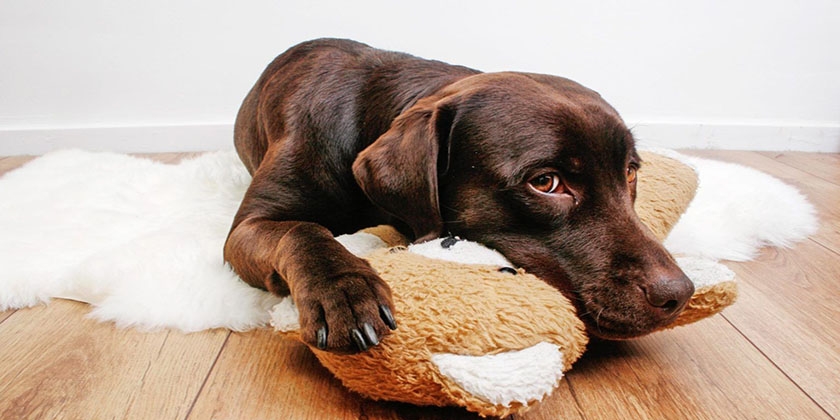
However, if your pet's loose stool persists for more than 24 hours and is accompanied by a deterioration in health, this is a reason to immediately seek specialized help. Persistent diarrhea may be a sign of serious poisoning or a dangerous disease requiring urgent treatment.
What to do before visiting a veterinary clinic
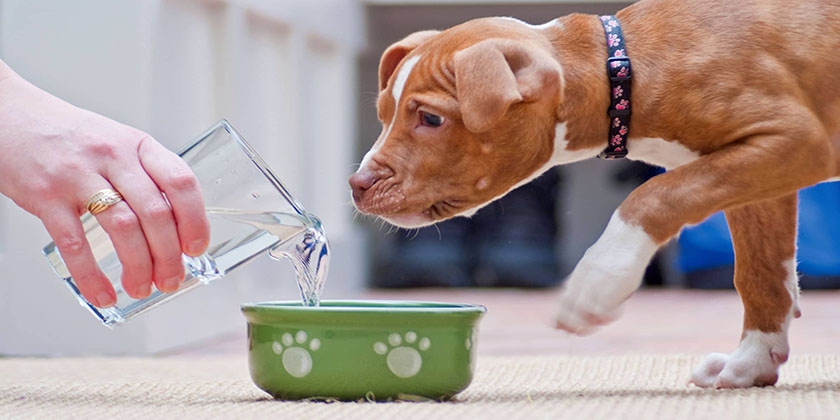
If your dog has severe diarrhea, you can only give them plenty of water for the first day—this reduces the risk of dehydration. Keep fresh water in the dog's bowl at all times. If the animal is reluctant to drink, water can be administered orally with a syringe. In cases of prolonged, debilitating diarrhea, saline may be needed to restore the dog's fluid and electrolyte balance.
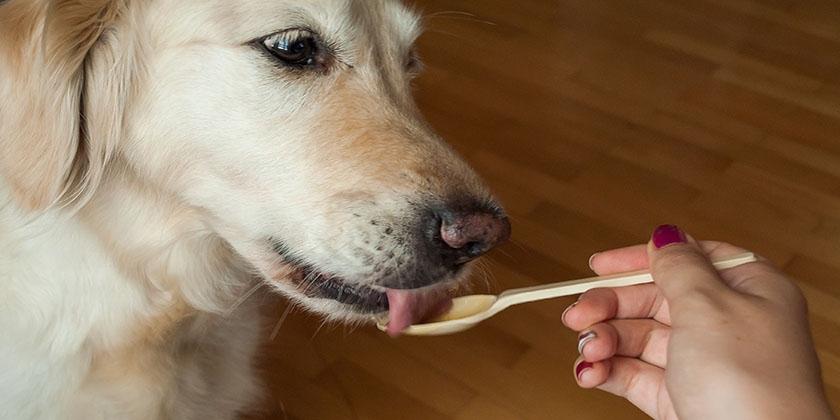
It's recommended to fast for at least 24 hours to allow the dog's intestines to clear and "rest." For puppies, the fasting period should be no longer than 12 hours. To speed up the removal of toxins from the intestines, it's recommended to give the dog activated charcoal. Tablets are crushed and dissolved in water, with the amount of adsorbent calculated based on the animal's weight. Your pet will then be placed on a gentle diet until complete recovery.
Diet for dogs with diarrhea
During diarrhea, the dog's diet differs from its usual one; it should contain easily digestible foods. After a 24-hour fast, you can begin feeding the dog small amounts more frequently than usual, at least four times a day. Puppies should be fed every two hours. The food should be semi-liquid, warm, but not hot.
Be especially careful when feeding a dog with diarrhea and vomiting; force-feeding can trigger further vomiting. If your pet refuses food but drinks water, you can offer them a thin soup made with vegetable broth, mashed vegetables, and a little meat puree. This dish doesn't require chewing; it can be lapped up like water.

If the cause of your dog's diarrhea is food poisoning, the standard feeding plan is as follows:
- After a day of fasting, the first two days you can give boiled chicken puree;
- then boiled vegetables are added to the menu and egg, hard-boiled;
- you can give it from the fourth day porridge, boiled in water, for the smell you can pour a couple of spoons of meat broth into the porridge, most suitable cereals - buckwheat and rice, and here pearl barley, corn, barley and millet porridge should not be given during the acute period of diarrhea;
- Of the dairy products, only low-fat cottage cheese, kefir, or yogurt are allowed.
Foods prohibited for diarrhea include:
- fatty meats (pork, lamb, duck);
- offal (liver, lungs, heart, kidneys, udder);
- legumes;
- bones (even boiled ones).
For diarrhea caused by an infection or helminths, dogs can be given lean boiled meat, boiled vegetables, and cottage cheese. Treatment of intestinal infections involves limiting carbohydrate intake. It's a good idea to include probiotic yogurt in the dog's diet to restore the natural intestinal flora, which has been disrupted by both diarrhea and the medications prescribed to treat the infection.
If your pet feels better after a week and their stools are no longer loose, you can gradually return to their normal diet. For one to two weeks after diarrhea, it's recommended to feed your dog homemade food—any commercial food contains a fairly high amount of fat, and dry kibble can irritate an inflamed intestine. Avoid feeding your dog raw, fried, or fatty foods immediately after diarrhea. Vitamin and mineral supplements should also be temporarily limited or discontinued.
Read also:
- My dog is pooping mucus and blood: reasons and what to do
- What you shouldn't feed your dog
- Can dogs drink milk?


Add a comment