
How to feed a cat correctly?
Cats are the most common pets around the world, yet not everyone knows how to feed them properly. These furry little creatures bring not only joy but also additional worries into our lives. This is especially true when it comes to feeding cats, which raises many questions among owners. The most common question is: what should I feed my cat at home? That's what we'll cover today.
Content
A cat is a predator
It's difficult to overestimate the importance of a balanced diet for maintaining a cat's vital functions at an optimal level. After all, the health, lifespan, and normal functioning of the reproductive system depend on the balanced and high-quality food an owner offers their pet. A diet that meets the cat's needs for proteins, carbohydrates, fats, vitamins, and microelements is considered acceptable. Otherwise, there is a high risk of developing metabolic disorders.
Many cat owners believe that since their pet is a predator by nature, the ideal diet should consist solely of animal products. Indeed, wild cats obtain their food exclusively by hunting, stalking and attacking mice and birds. However, meat alone is not enough. It turns out that plant-based foods contain essential components without which a cat's normal development is simply unthinkable. You've probably seen your pet happily munching on vegetables or simply nibbling on grass. Don't worry, as such behavior is completely understandable. This is simply how a cat replenishes its mineral deficiencies.
Some rules for proper feeding
Cats are very picky eaters. They begin their meals slowly. Cats will never eat anything they don't like, and a good owner should understand this when choosing what to feed their cat.
Don't make a mess in your plate.It's futile for some to try to make a homogeneous mash from individual ingredients. A cat will still only choose what it likes. Anything else, even the tiniest bits, will remain in the bowl after dinner.
This circumstance prevents cat food manufacturers from treating their products with disdain. Only properly selected food, made from high-quality ingredients with added flavor-enhancing ingredients, will be truly appreciated by cats.
Cats are very attentive to the temperature of food. Instincts play a major role here. After all, in the wild, cats begin eating their prey immediately after a successful hunt, while it's still hot. Furthermore, experiments have shown that cold food is much harder for cats to digest.
Experiment. The organoleptic properties of cat food are also extremely important. However, each cat has its own individual preferences in this regard. For example, one cat loves to experiment and eagerly tries new food offered by its owner, while another is more conservative, skeptical of anything new, and prefers its usual diet.
As mentioned, cat food manufacturers add flavor-enhancing ingredients to their products. However, choosing the right additive can be challenging. While dogs, for example, are incredibly sweet, and it's easy to find the perfect one, cats are less receptive to such additives. Furthermore, even food that seems tasty to cats must be of a certain size and consistency.
How to properly feed a cat prepared food?
So, to understand what to feed a cat at home, we need to understand our options. There are several types of commercial cat food—dry and wet—as well as several product classes, such as economy, premium, and super-premium. Let's take a closer look at the features of each type and learn how to feed your cat commercially prepared food.
Dry food
Feeding your cat ready-made dry food relieves owners of many worries. This is especially convenient when moving or traveling, when there's no time or opportunity to prepare your pet's food yourself. Simply open the package, pour the required amount of kibble into a bowl, place clean water nearby, and your cat is full and happy. When feeding dry food, having clean water nearby is crucial. The moisture content in dry food should not exceed 12%, as otherwise mold is highly likely to develop during storage. However, this doesn't affect the composition of the food, which is equally nutritious as wet food.
The most important thing is that your cat has free access to clean drinking water, and that the food you feed it is complete. That's all. If your little one enjoys the food, feels well, and looks healthy, then dry food is the most convenient option for the owner.
Wet food
In addition to dry food, wet food is also available commercially. It can be sold as canned cat food or simply packaged in pouches. In any case, wet food is no better or worse than dry food—it has its advantages and disadvantages.
The acceptable moisture level for canned food is 85%. This food is sterilized and hermetically sealed before being sold. Avoid buying loose cat food sold from opened containers. Wet food is perishable and can cause severe poisoning in your pet.
Canned food is resistant to mold and decay. However, when purchasing wet food, make sure the packaging is intact and sealed. The can should not show any signs of corrosion or swelling. It's also best to buy only from reputable sources, as this ensures the canned food has been stored properly and you won't buy an expired product.
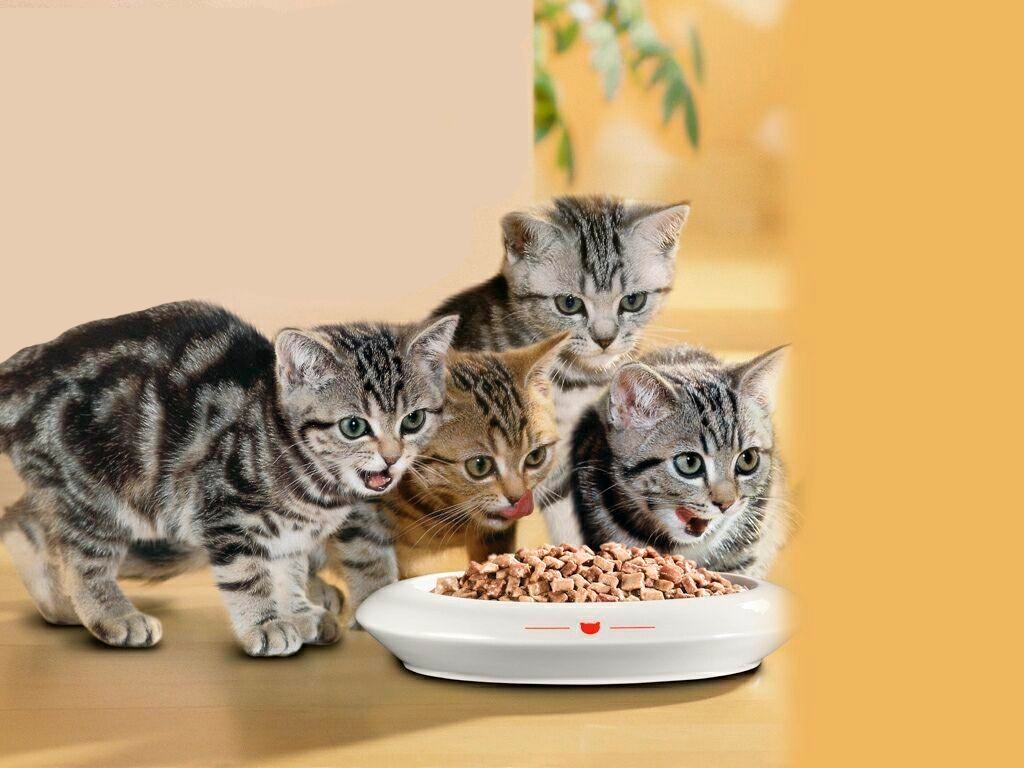
Features of the composition of finished feeds
The composition of cat food can be considered balanced. It includes ingredients such as meat, fish, by-products, and plant components. Manufacturers then enrich the resulting mixture with vitamins and minerals. The food is then given the required consistency. Wet cat food is undoubtedly the most preferable because it is very appetizing, nutritious, and easily digestible. Moreover, feeding it to a pet is not a difficult task for the owner.
When purchasing canned cat food, you can follow the same guidelines as you would for regular human food, as they are virtually identical in appearance. The can must include the manufacturer's information, including address and contact information. The expiration dates and storage conditions should also be stated.
Medicinal food for cats
A cat owner visiting a modern pet store can be overwhelmed by the variety of ready-made products for their pet. In addition to standard products, the shelves are widely stocked with therapeutic foods designed to help your pet combat various ailments. However, compassionate owners should be warned against the uncontrolled use of such products, as doing so can only harm their pet's health. Feeding your cat therapeutic foods should only be done under the supervision of a veterinarian, as an accurate diagnosis is necessary first.
You might sometimes hear cat owners say they feed their pet anti-urolithiasis food as a preventative measure. This approach is unwise, as the composition of such foods can vary greatly, and such preventative measures can be quite costly, as anti-urolithiasis food is significantly more expensive. Remember, self-treating your cat can cause irreparable harm to its health.
Economy class food. Any savings?
When choosing commercial cat food, it's important to understand the differences between different classes of cat food. Sometimes cat owners go to the opposite extreme and, in an effort to save money, buy budget-class cat food, forgetting that its production uses ingredients with questionable nutritional value, such as meat and fish processing waste. Furthermore, low-quality cat food may contain potentially harmful additives intended to improve cat consumption.
Feeding your cat economy food is deceptive, as your pet will eat large quantities and still remain hungry. However, premium foods made with natural meat and fish are eaten in much smaller quantities and keep your cat feeling full for longer.
In our fast-paced world, prepared food has become a necessity for cat owners, not a luxury. Manufacturers strive to make cat food convenient and easy to use. To this end, pet store shelves offer a wide variety of packaging options, all of which, crucially, are disposable. In other words, the food is packaged for a single serving. This prevents spoilage during open storage.
To keep your cat active and healthy, follow the recommendations on the packaging. Furthermore, when consuming premium foods, there's no need for supplemental feeding with vitamin and mineral premixes. It's safe to say that combined feeding, which involves feeding natural products such as meat, fish, and milk alongside commercial foods, is detrimental to cats' health, causing metabolic disorders and leading to excess weight.
If the owner wishes, they can pamper their pet with natural products. Meat and fish, as well as organ meats, milk, eggs, and vegetables, are available at a typical grocery store. However, such food is additionally enriched with vitamin and mineral premixes before serving.
What food is good for cats: video
Natural feeding of cats
What should you feed your cat if commercial food isn't suitable? Then it makes sense to consider natural food—in other words, "table scraps." Sometimes cat owners mistakenly believe that their pet will be perfectly happy with table scraps. It's not the quality of the food that's at issue, but its composition. It's crucial to feed your pet wisely, not just any food, because if you consistently feed it food that doesn't contain all the necessary micronutrients, it can easily damage your pet's health. How do you properly feed your cat natural food?
Fish and meat
Therefore, half-measures in preparing a cat's dinner are unavoidable. The food must be prepared separately, using meat as the main ingredient, as it is rich in essential amino acids, fats, vitamins, and iron. Cats readily eat meat. However, caution should be taken against overusing pork, as it is too fatty. Furthermore, a meat-based diet is low in calcium, which must be replenished separately.
Fish is also a valuable food for cats, but its taste is not as appealing. Fish fillets, like meat, are relatively low in calcium.
It is strictly unacceptable to use fish, especially river fish, in cat food without prior heat treatment, since parasites are often found on the fish's body.
A cat can easily devour any fish. However, feeding fish containing bones to cats is undesirable, as large fragments can cause serious intestinal injury, even perforation, which can lead to peritonitis and death. This is especially true for purebred cats, which have evolved significantly from their wild relatives and have lost many behavioral skills.
Milk for cats
Many cat owners consider milk the ideal food for their pets. This is partly true, as milk is arguably the most balanced food product. However, this statement doesn't apply to various powdered cat food substitutes.
Some cats, due to their individual characteristics, are unable to digest lactose, also known as milk sugar. Consuming even a small amount of milk can result in severe diarrhea. In this case, it's recommended to feed your pet raw milk or, if that's not possible, use dairy products, which cats rarely experience problems with.
Eggs
Cats love eggs, although owners most often feed them to kittens. Eggs are rich in protein, iron, folate, and vitamins. However, it's important to know that raw eggs, in addition to these beneficial nutrients, contain avidin, which is a biotin antagonist. Therefore, it's best to feed cats boiled eggs.
Sprouted grains are an excellent source of protein, thiamine, and all kinds of vitamins. If you can't sprout grain seeds, don't try to feed your pet whole grains. Cats won't eat them.
Vegetables
The beauty of adding vegetables to cat food is the enrichment it provides with B vitamins. However, this is pointless when feeding cooked vegetables, as all the essential vitamins will be destroyed. Despite this, vegetables are still beneficial, as they are rich in fiber, which normalizes intestinal motility. An adult, healthy cat eats about 200 grams of food per day. With a properly formulated diet, 70% of this will be meat, and the remainder will be other supplements, such as milk, vegetables, or eggs. How should you feed your cat properly to keep them well-fed and healthy?
The daily portion should be divided into three portions and fed to your cat at equal intervals throughout the day. For particularly picky cats, the food can be homogenized in a blender. This will make it very similar to commercially produced food.
Differences between natural and prepared foods
A veterinarian's opinion on feeding natural and prepared foods on video:
Feeding considerations for cats at different ages
Depending on a cat's age, the choice of what to feed at home should be tailored to the animal's age. A kitten, an adult cat, and a senior cat all require different approaches to their diet.
Diet for kittens
What to feed a kitten can be a challenging task if the mother cat rejects them for some reason. As is well known, kittens are typically nursed for up to 5 weeks. Goat's milk with added chicken egg can be an alternative to mother's milk. If goat's milk is unavailable, ready-made substitutes can be purchased at a veterinary pharmacy.
As soon as kittens begin to try to feed themselves, they can be offered a mixture of oatmeal, egg, cream, and meat puree. Gradually, they are introduced to cooked meat and fish.
Of course, when feeding kittens, using commercial food is ideal, as it best meets all their nutritional needs. The daily portion should be divided into six portions and fed at equal intervals throughout the day.
.jpg)
Feeding an Old Cat
Elderly cats also pose feeding challenges for their owners. What's the proper way to feed an older cat? Like kittens, they should be fed small portions, offering high-quality food.
An aging cat requires more attention, as it often refuses to eat completely. At the first sign of anorexia, it's important to take it to the veterinarian immediately, as liver problems can develop later. The consistency of the food also deserves attention, as a cat with dental problems is unlikely to be able to eat coarse or hard foods.
Nutrition for a pregnant cat
During pregnancy, the cat needs in nutritious feedThe developing fetus makes its own adjustments to the mother cat's diet. During this period, the cat's body requires twice as much energy to function normally. However, after a week of pregnancy, the cat's diet should be reduced. The same applies to water, which the cat should have free access to around the clock.
Foods that can cause bloat are completely eliminated from the pregnant cat's diet. However, the dose of vitamin and mineral supplements is increased. Also, to normalize the weight of the future kittens, high-fat foods should be included in the diet. This measure significantly improves the viability of the kittens after birth.
Read also:


Add a comment