
Czechoslovakian Wolfdog
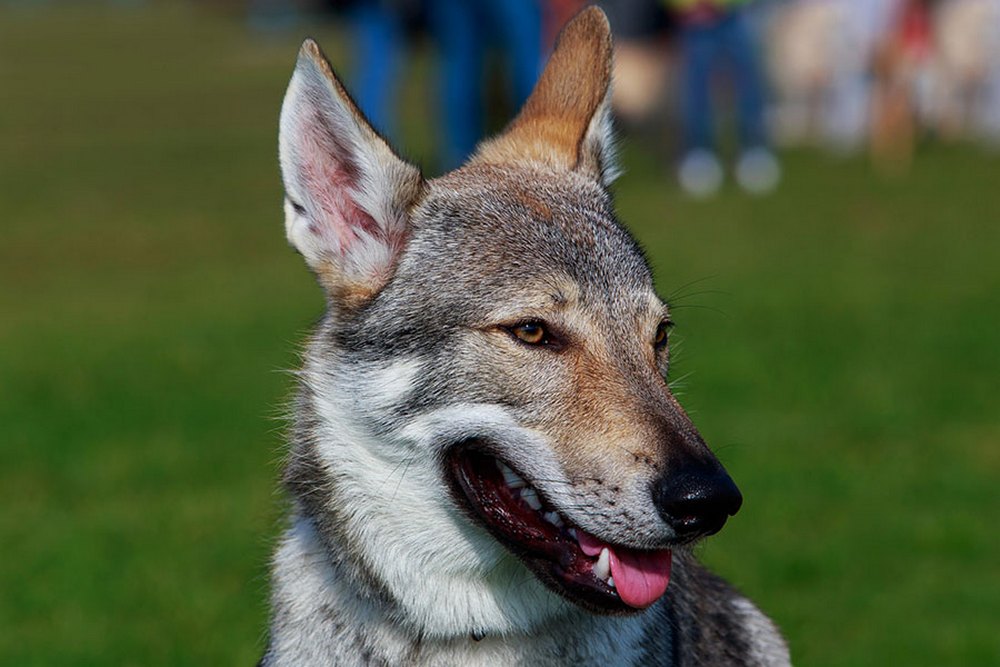
A hybrid of a domestic dog and a wolf. This is the distinctive feature of the Czechoslovakian Wolfdog breed. Experts opposed the creation of such a crossbreed, but this did not deter breeders. After extensive trial and error, they achieved a satisfactory result. Today, it is a national pride of the Czech Republic and Slovakia.
Content
- 1 General information
- 2 History of origin
- 3 Appearance
- 4 Disqualifying faults
- 5 Psychological parameters and mental abilities
- 6 Health
- 7 Upbringing
- 8 Nuances of caring for adults
- 9 Training and exercise
- 10 Nutrition
- 11 Breeding
- 12 Price
- 13 Choosing a puppy and price
- 14 Peculiarities of keeping a puppy
- 15 Pros and cons
- 16 Choosing a puppy and price
- 17 Interesting facts
- 18 Reviews
- 19 Photo of a Czechoslovakian Wolfdog
General information
|
Characteristic |
Description |
|
Name |
Czechoslovakian Wolfdog, Wolfhound |
|
Country of origin |
Czechoslovakia |
|
Withdrawal |
1955 |
|
Recognition as a national breed in its homeland |
1982 |
|
Recognition by the International Cynological Federation |
1999 |
|
Group |
Shepherd and cattle dogs |
|
Section |
Shepherds |
|
Life expectancy |
12-18 years old |
History of origin
In the mid-20th century, an unusual dog breed emerged – the result of crossing German Shepherds and wolves. Initially, the breeders' work was more of a scientific experiment, but the qualities of the hybrids and the need for a versatile working breed compelled them to continue their work.
The breed has a long history. Archaeologists have repeatedly found ancient remains. wolfdogsThis crossbreeding likely occurred spontaneously. The first crossbreeding experiments were conducted in the 14th century by German breeders. Wolves were crossed with a wide variety of species, including poodles. Two hundred puppies were born as a result. However, this experiment cannot be considered a success. According to the description, the genes from the wild animals proved dominant. As a result, the hybrids turned out to be distrustful, willful, and hot-tempered.
A more successful attempt was made by Dutch scientist Lander Sarloos. He crossed a wolf and a German shepherd. The experiment lasted from the 1930s to the 1975s. The new breed was recognized by the Dutch club and, 15 years later, received international recognition. The Dutch breed is visually similar to its wild relative. It has a strong pack instinct. It possesses leadership qualities, is inventive, and cautious. Among its main drawbacks is the difficulty of training.
The Czechoslovakian Wolfdog is wolf hybrid, developed by Karel Hartl. He crossed 48 German Shepherds with four Carpathian wolves. The first offspring, obtained in 1955, proved suitable for subsequent breeding. The breeding process continued for 10 years. The qualities of the resulting individuals corresponded to those of military breeds. They were used by the military, rescuers, shepherds, and hunters. For 33 years, the Czechs kept this new breed under wraps. The breed standard was only adopted in 1998.
In 1955, Karel Hartel began crossbreeding German Shepherds and Carpathian wolves. On May 26, 1958, the first hybrids were born, the fruit of the love between the wolf Brita and German Shepherd Caesar.
The puppies closely resembled wolves in appearance and character, making them difficult to raise and impossible to train. As adults, they were crossed again with German Shepherds, and so on until the fourth generation, where the wolf blood content dropped to 6.5-20%. Most of the third- and fourth-generation dogs were more attached to humans and easily trained. It was established that, compared to German Shepherds, they had better navigation skills, excellent night vision, sense of smell, and hearing. In endurance tests, the hybrids completed 100 km runs without exhaustion.
At the 1965 International Dog Show in Brno (Prague), Karl Hartel gave a lecture entitled "The Results of Crossbreeding Wolves and Dogs." It was a huge success and attracted the attention of cynologists. A standard for the breed was developed the following year. From then on, breeding was carried out only in closed populations, without the introduction of outside bloodlines. The hybrids became known as Czechoslovakian Wolfdogs.
Today, there are over a dozen breeds with wolf blood in their veins. Four of them are the result of crossbreeding with German Shepherds. Of these, only two are officially recognized: the Saarloos Wolfdog (Netherlands) and the Czechoslovakian Wolfdog.
Initially, wolfdogs were used only by special services, for which they were originally created. They were used in military special operations, search and rescue, and guard and protection duties. Nowadays, acquiring a tame wolf is easy, but expensive.
In 1982, the breed was recognized as a national breed by Czechoslovakian cynologists and breeders. In 1989, the Czechoslovakian Wolfdog was officially registered with the FCI, but without championship status. Breeders were given 10 years to confirm the breed's viability and meet all criteria, which they successfully accomplished.
In 2012, there were over 300 dogs in the Czech Republic. By 2014, the number had almost doubled, and they are actively bred in other European countries. In Russia, the breed is very small, with most dogs imported from Europe, but their popularity is growing every year.
At the behest of the authorities, Russian breeders also bred hybrids. They mated a female wolf and a male German Shepherd. The offspring were successful and subsequently socialized easily. Today, this breed is actively used by law enforcement agencies.
Appearance
|
Physical parameter |
Description |
|
Height at withers |
Males – 65-70 cm, females – 60-65 cm. These are average figures. Adults are often larger. |
|
Body weight |
Males – 25-30, females – 20-25 kg. Weight limits are not specified in the standard. |
|
Head |
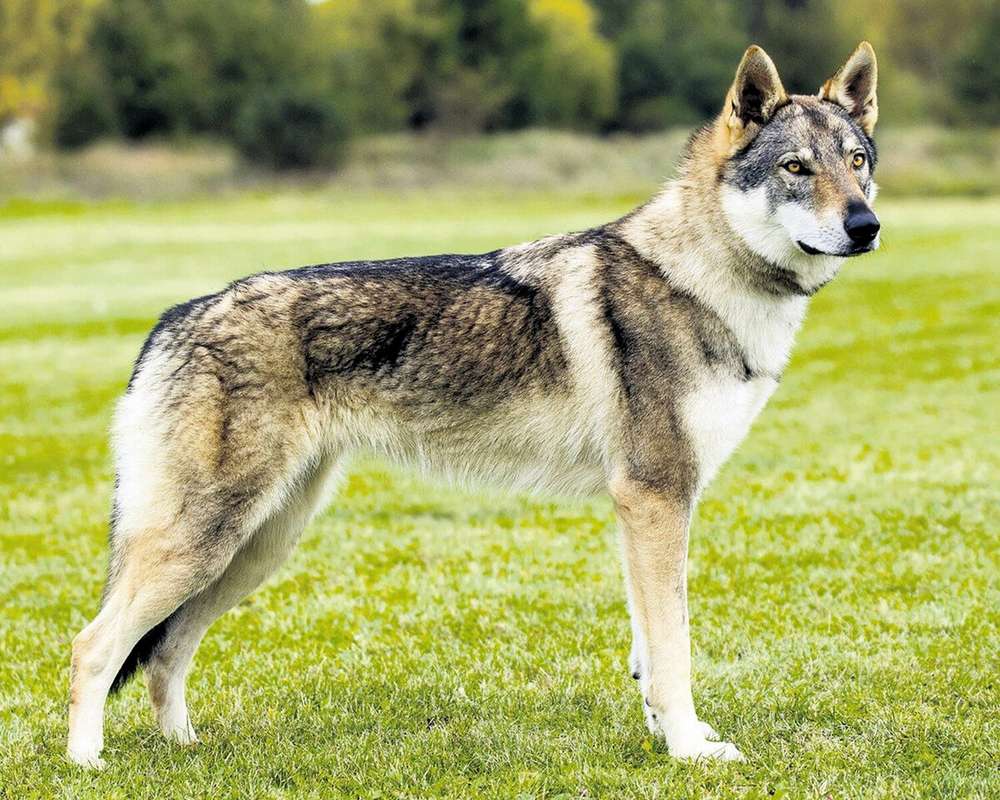
Medium-sized. The skull is arched, rounded at the front and sides. The occipital protuberance is clearly defined. A dividing furrow is present, but it is smoothed and barely noticeable. The forehead is massive, slightly sloping. The muzzle is not wide. The bridge of the nose is straight. The cheekbones are not prominent, but strong and muscular. The ratio of the facial area to the total length of the head is 1:1.5. |
|
Lips |
Thin, black. They fit tightly to the jaws and do not hang down the sides. |
|
Nose |
Oval, medium size, uniform black color |
|
Ears |
Short, classic triangular in shape, erect, and set high. The animal can droop them so that they lie level with the crown of the head. They have an interesting feature: an imaginary straight line can be drawn between the outer corners of the eyes and the outer corners of the ears. |
|
Eyes |
Small, moderately slanted, honey-colored, they are covered by dense, dry eyelids. |
|
Wool |
Thick and coarse. The undercoat is dense, growing thicker in winter and thinning out in summer. |
|
Colors |
Any shade of gray, with tan patches permitted. Light spots on the cheekbones, chest, and inside of the neck. |
|
Frame |
The back is level, with a slight slope. Despite the prominent withers, the topline is smooth. The loin is short and narrow, joining with a short, horizontal, yet well-developed croup. The chest is pear-shaped, set above the elbows. The forechest does not protrude beyond the shoulders. The belly is sunken and tucked in, giving the body a slender appearance. |
|
Limbs |
The front legs are close together but slightly turned outward. The shoulder blades form an angle of 60-70°. The shoulders are well developed, with strong and mobile elbows. They are held close to the body. The forearms and toes are long. The hind legs are strong and parallel. The massive thighs form an 80° angle with the pelvis. The stifles are distinguished by increased flexibility and flow into long, muscular shins. The angle of the articular joints is 130°. The metatarsus is almost vertical. Overall, this species has long legs. The claws are black and strong. The individual moves at an amble (usually) or a trot (during emotional excitement). |
|
Tail |
Medium length, set high. It normally hangs down, but can rise up into a crescent shape during stressful moments. |
|
Teeth |
42 pcs. Canines are large in size. Bite is pincer-like, scissor-like. |
|
Jaws |
Deep, powerful |
Disqualifying faults
Disqualifying faults are physical or psychological defects that prevent a dog from being bred. In the case of the Czechoslovakian Wolfdog, these are:
- flat forehead,
- a different shade of the iris,
- excessively large ears,
- low neck,
- the sternum is not pear-shaped,
- barely noticeable withers line,
- long tail,
- anxiety or, on the contrary, aggressiveness.
Psychological parameters and mental abilities
The wolfhound is willful and difficult to control. No offspring has yet been bred that are 100% obedient. Wolfdogs constantly push boundaries and compete for dominance. Their strengths include keen intelligence and determination. A wolfhound will be the first to dive into the water to rescue a drowning person, before their owner has even had time to assess the situation.
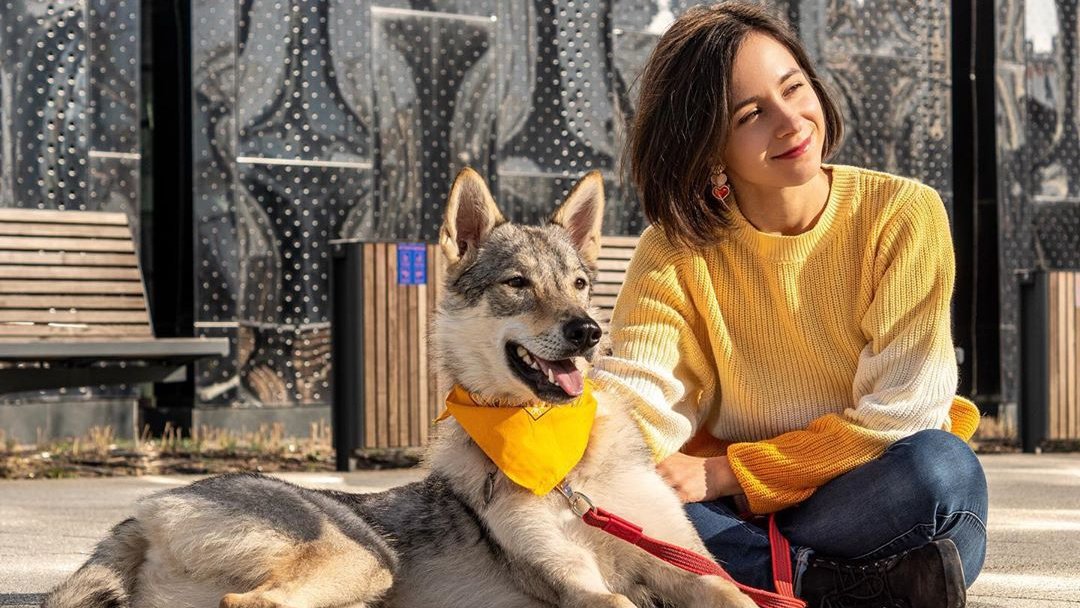
The mixed breed doesn't bark, but can howl. Its howl is more like a dog's. It expresses emotions through whining, growling, and grunting. It has good intuition and senses the moods of its family members. If its four-legged friend senses its owner's distress, it will certainly console them. If they are happy, it will also join in the emotion. If a person isn't in the mood for communication, the dog won't impose itself.
Barking isn't a characteristic trait of wolfdogs and isn't a natural way to communicate or express themselves. This can be challenging when training for service dogs requires vocalization. Body language and a wide range of sounds, such as whining and growling, are more characteristic ways to express emotion.
Relationships with children
A Czechoslovakian Wolfdog should only be purchased if there are no children in the home. This mixed breed doesn't show affection for children and places them below itself in the pecking order. It reacts extremely violently to disrespect and will not tolerate pinching, pushing, or attempts to climb on top.
Relationships with other animals
The wolf is a natural leader. He won't tolerate the presence of a same-sex companion in his territory. Therefore, if you're looking to expand your group, it's best to consider individuals of the opposite sex.
The Czechoslovakian Wolfdog has a strong and balanced character, much like the German Shepherd, but with its own unique characteristics. They are very energetic, moderately playful, and curious dogs with their own opinions, independent, self-sufficient, and stubborn. They are bold, courageous, and fearless, with lightning-fast reflexes. These qualities make them excellent guardians and protectors. They typically recognize only one owner and treat other family members well, but may ignore many commands. They are wary of strangers, ignoring some, and disliking others immediately.
Wolfdogs get along well with dogs, particularly small ones, and cats. Problems may arise with other males in the same territory. During walks, they will not miss an opportunity to scare away birds or chase cats. In reviews of the breed, all owners note many wolf-like habits: their gaze, behavior during walks, and their "pack" demeanor. Females have very well-developed maternal instincts.
The Czechoslovakian Wolfdog is a serious breed that requires proper training and a professional approach; it is not suitable for a beginner or as a child's dog.
Health
Czech wolves are hardy and have strong immune systems. Unfortunately, they inherited a predisposition to the following health conditions from their German shepherds:
- Pituitary dwarfism is a hormonal disorder that causes dwarfism. Affected puppies die almost immediately after birth.
- Joint dysplasia (usually hip dysplasia). It is accompanied by pain, lameness, and an inability to move normally. It requires surgical treatment.
- Degenerative myelopathy is a genetic disorder that causes paralysis of the hind legs. It is incurable.
Indeed, the majority of them are distinguished by good immunity, adaptability and endurance, but let's not forget that in addition to wild animals, their ancestry included German Shepherds, a breed with a whole list of hereditary diseases.
Vaccination provides protection against infectious diseases. The first vaccination is administered at 6 months, the second at 7 months, and the third at 12 months. Subsequently, the procedure is performed annually.
Life expectancy is on average 12-14 years.
Upbringing
Compared to the German Shepherd, the Wolfhound is more difficult to train. To achieve good results, the owner will need to put in maximum effort, patience, and persistence. It is recommended to begin the process as early as possible. It is important to clearly communicate who is in charge.
Training sessions should be regular. It's important to remain calm during them. Shouting and hitting are unacceptable. Under no circumstances should you show fear, as this will be immediately detected. The best motivation is praise, affection, and treats.
From the age of 5 months, a puppy can be sent to a general training course.
Nuances of caring for adults
The Czechoslovakian Wolfdog is an undemanding breed. It tolerates both heat and cold well, so it doesn't necessarily need to be kept indoors. A dog run is ideal. To prevent the pet from escaping, install a lock. The intelligent animal can quickly master the bolts. The run should have a kennel with a thickly covered entrance (to protect from rain and wind). Maintenance itself is simple.
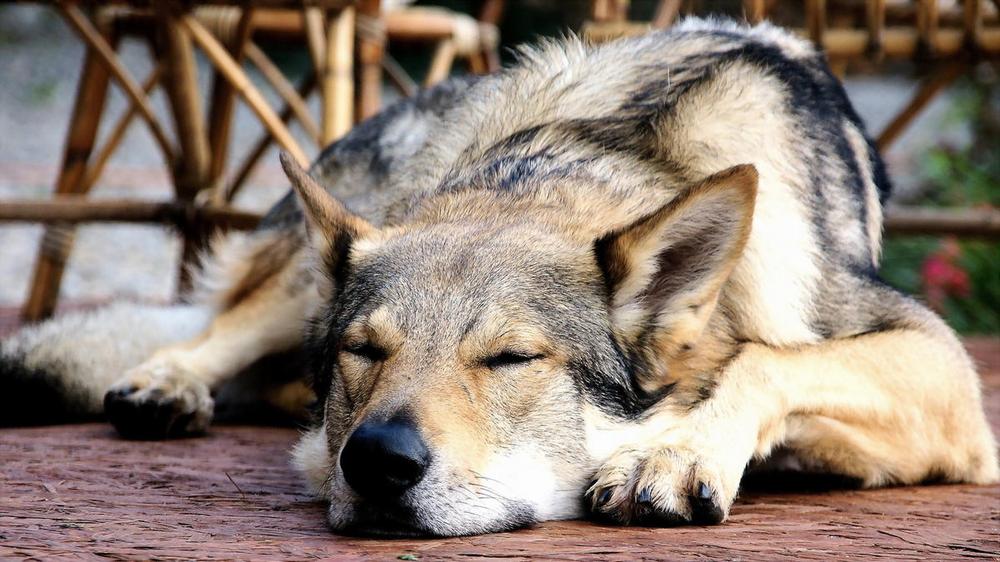
Frequent bathing is not necessary, as the short, coarse coat does not accumulate dust. This procedure is performed only when significantly soiled, no more than once every three months. A special shampoo with mild surfactants is used.
The Czechoslovakian Wolfdog sheds once every six months. During this period, it loses most of its undercoat. To speed up the process, water treatments followed by blow-drying are recommended. This prevents skin irritation and removes tangles. To maintain good results, brush the coat several times a week.
Since erect, open ears quickly accumulate dirt, they are cleaned regularly with cotton swabs soaked in chlorhexidine or a special lotion. This is done once a month in winter and twice a month in summer.
The eyes are cleaned daily to remove natural discharge. Use a soft cloth soaked in tea or herbal infusion. If the eyes become red, discharged, or watery, the animal should be taken to the veterinarian.
The Czechoslovakian wolf's claws wear down naturally. If this doesn't happen, they are trimmed with special clippers. This is done carefully, being careful not to cut the blood vessels.
Brush your pet's teeth 2-3 times a week with a soft toothbrush and special veterinary toothpaste. Pay special attention to the canines. To prevent tartar buildup, give them sugar bones and raw vegetables to chew on.
The dog requires long walks and active play. It requires at least two hours of exercise per day. Ideal places for walks are lively parks. If successfully socialized, the Czech Shepherd will be obedient.
Training and exercise
Raising a wolfdog requires a firm hand, a strong character, and experience in dog training. Even as a small puppy, a wolfdog will try to establish a leadership position within the pack, and this should not be allowed. Early socialization, introducing it to other people, animals, and children, is essential. These dogs are highly trainable and quickly learn commands. To achieve perfect obedience and respect, regular training is essential, but it's also important to find good motivation. Often, a dog simply tires of useless repetitions of commands and stops following them.
Czechoslovakian Wolfdogs are very active and energetic, requiring long walks. It's important to exercise them daily, not only physically but also mentally.
Nutrition
The Czechoslovakian Wolfdog isn't picky. It will eat whatever its owner gives it. To quickly replenish its energy reserves, this active dog's diet should consist of 50-60% raw, stringy meat. Ideally, beef, lamb, rabbit, turkey, horse, and goat.
Every 3-4 days, you can feed them sea fish or organ meats (liver, kidneys, hearts, and stomachs). Fermented milk products, eggs, vegetables, and grain porridges (especially rice, barley, and buckwheat) will also be beneficial. It's helpful to supplement their diet with fish oil, flaxseed oil, and brewer's yeast. To avoid gastrointestinal problems, avoid exotic fruits, fatty meats, and especially lard, smoked, sweet, salty, or spicy foods.
Adult dogs are fed 2 times a day, and “babies” – 4-5 times.
If owners lack the time or inclination to cook, they switch their mixed breed to commercial food. To ensure they don't suffer from nutritional deficiencies, they choose a premium product. When choosing food, pay attention to the ingredients. It shouldn't contain starch, as the Wolfhound's digestive system can't digest it.
Breeding
If you look at photos of Czechoslovakian wolfdogs, you'll see that between 7 and 11 months of age, they become virtually identical to their adult counterparts. At this age, they reach sexual maturity. After this, their bodies continue to develop slowly until they reach two years of age. It's recommended to wean them after this period.
Young animals in good physical and mental health are selected for breeding. Mating occurs 10-13 days after the onset of estrus. It is repeated 24-48 hours later. To ensure the male feels confident, the mating should take place in familiar territory. Before the "date," the animals are fasted and taken for a walk.
Female dogs tolerate pregnancy well. Pregnancy lasts two months. During this period, physical activity is limited. Frequent but short walks are provided whenever possible. The birth should take place in the presence of a veterinarian. The number of puppies in a litter ranges from 6 to 9.
Price
There are breeders in Russia where you can buy an exotic puppy. Here are some of them:
- Malakhovskiy wolfhound;
- Yu. Ivanovich;
- BEST-DOG-CLUB IKU.
The price for a decent crossbreed is appropriate, ranging on average from 40,000 to 80,000 rubles. It depends directly on the pedigree, health, and prospects.
Choosing a puppy and price
First of all, find a reputable breeder. When choosing a pet, it's recommended to look at the parents and study the pedigree. Breeders usually offer this opportunity. It's important to ensure that all the ancestors are worthy and have no history of unreasonable anger. Before visiting the breeder, study the breed standard, or even better, write down the expected physical characteristics on a piece of paper so you can conduct a thorough assessment at the right time.
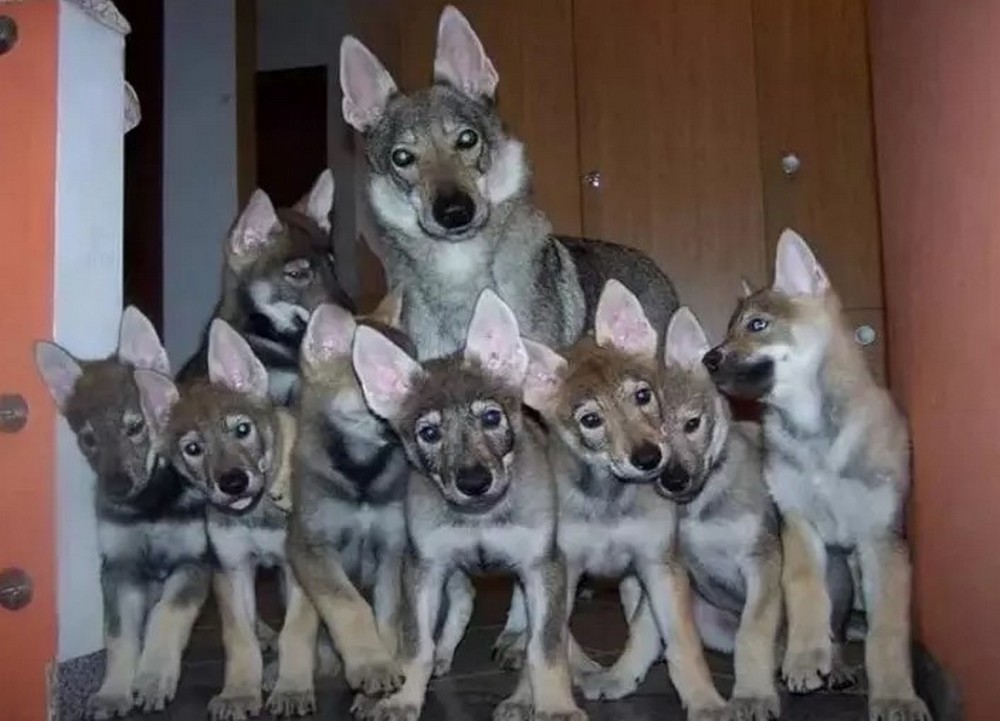
After observing a puppy for just half an hour, you can draw preliminary conclusions about its temperament. A healthy animal is active and playful, unafraid of strangers, easy to interact with, and allows you to hold it. Additional information the breeder should provide includes a photocopy of the pedigree and a veterinary passport with a vaccination record.
Before purchasing a "wolf cub," you should read up on the breed's characteristics, and even better, talk to breeders and owners before making your final decision. Breeders where you can buy Czechoslovakian Wolfdogs are scattered throughout Europe, including in many major cities in Russia, Ukraine, and Belarus.
Many believe it's better to buy a dog in your home country. While you're shopping for a puppy, you can also take in the sights and relax.
The average price of a Czechoslovakian Wolfdog puppy in the CIS ranges from $800 to $1,000. In the Czech Republic and other European countries, dogs are slightly more expensive.
Peculiarities of keeping a puppy
Pets are adopted from the shelter at 2-3 months of age. By this time, a bed with several covers, food and water bowls, hygiene products, toys, combs, leashes, and disposable diapers are prepared.
The new family member should be given a cozy resting spot away from drafts and heating devices. To prevent injury while exploring the house, medications, household chemicals, and fragile items should be stored up high. Until all vaccinations are complete, the pet should be kept away from strangers.
Pros and cons
Before buying a Wolfhound, you should consider the pros and cons. The pros and cons include:
- devotion, tendency to self-sacrifice;
- pleasant appearance;
- incorruptibility;
- high intellectual abilities, ability to make decisions quickly;
- determination;
- sociability;
- endurance.
There aren't many downsides. Among them:
- excessive independence;
- poor controllability;
- a tendency to display aggression in response to stress.
This animal isn't suitable for beginners. However, for experienced dog owners, its shortcomings won't be a significant problem.
Choosing a puppy and price
Before purchasing a "wolf cub," you should read up on the breed's characteristics, and even better, talk to breeders and owners before making your final decision. Breeders where you can buy Czechoslovakian Wolfdogs are scattered throughout Europe, including in many major cities in Russia, Ukraine, and Belarus.
Many believe it's better to buy a dog in your home country. While you're shopping for a puppy, you can also take in the sights and relax.
The average price of a Czechoslovakian Wolfdog puppy in the CIS ranges from $800 to $1,000. In the Czech Republic and other European countries, dogs are slightly more expensive.
Interesting facts
- Today, the right to be considered the Wolfhound's birthplace is shared by two countries—the Czech Republic and Slovakia. At the time of the breed's development, they were part of the same country.
- Thanks to the “wild” genes, the hybrid has a longer lifespan than ordinary dogs.
- The bite force of a wolfhound is several times greater than that of its purely domestic counterparts.
- The Wolfhound's sense of smell is so developed that it can distinguish a sick person from a healthy one by smell.
- Wolfhounds possess phenomenal endurance. They have been known to cover hundreds of kilometers at speeds of 12 km/h.
- The Wolfhound is 100% safe for humans. The last time predator blood was added to the breed was almost half a century ago.
Reviews
Victor, 33 g, Krasnodar
Throughout my life, I've only owned fighting breeds (Staffordshire Terriers, American Pit Bull Terriers). This mixed breed struck me at first sight, the moment I saw him at a dog show. I already had two Staffordshire Terriers when I bought him. I planned to take the wolfdog hunting. Horror stories didn't deter me. I got a male dog and started working with him from the very first day. He's now an adult. He doesn't cause any problems and gets along well with other dogs.
Olga, 42 g, Nizhny Novgorod
My husband was against having such a pet in the house. Only constant persuasion worked. We got a female because we'd read that they're more docile and don't tend to dominate. From day one, the entire family surrounded Assol with love and care. And it seems to have paid off. She grew up loyal, obedient, and affectionate. Now we can't even imagine how we ever lived without her.
Photo of a Czechoslovakian Wolfdog
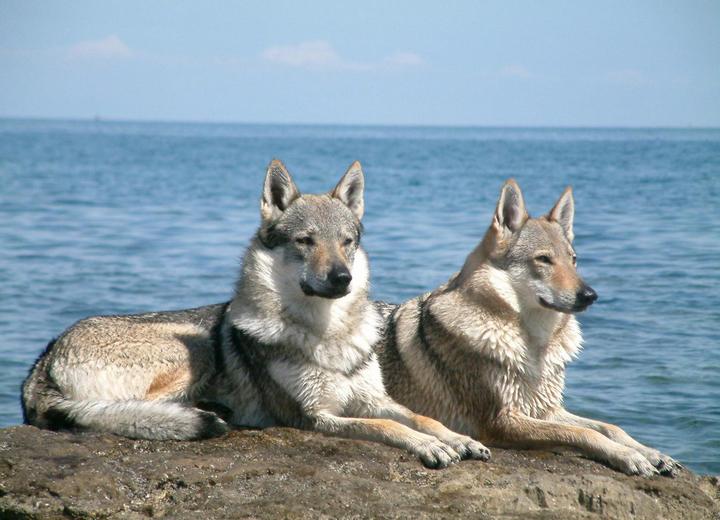
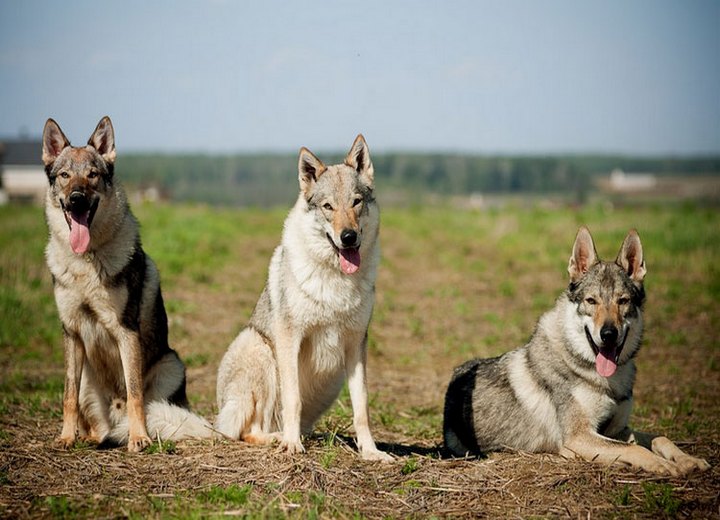
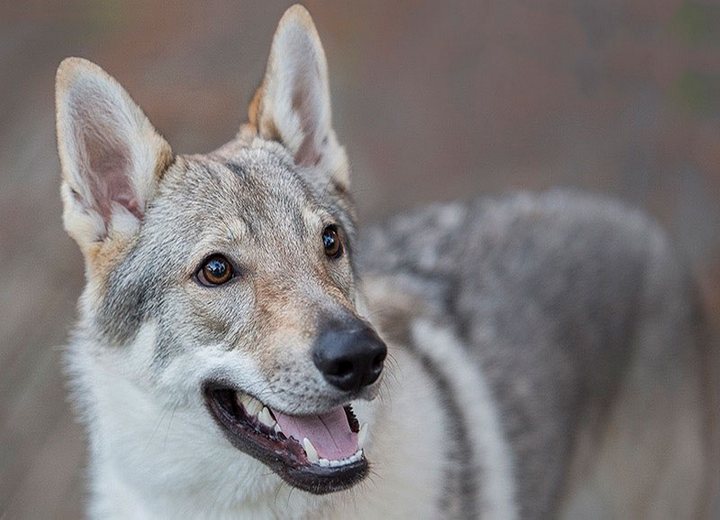
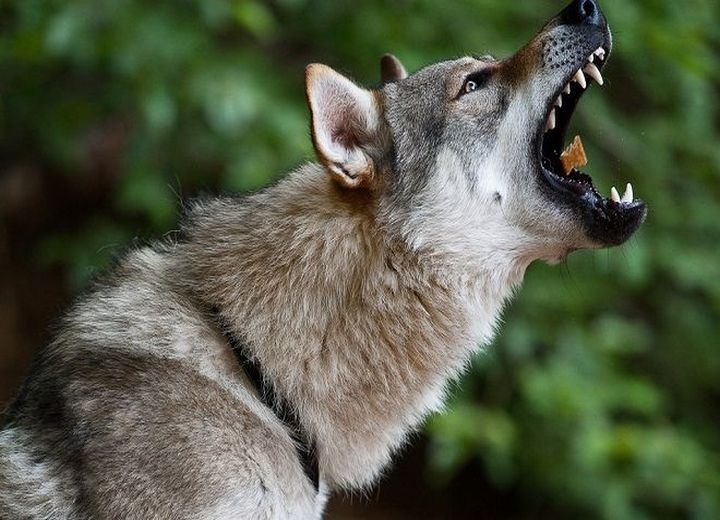
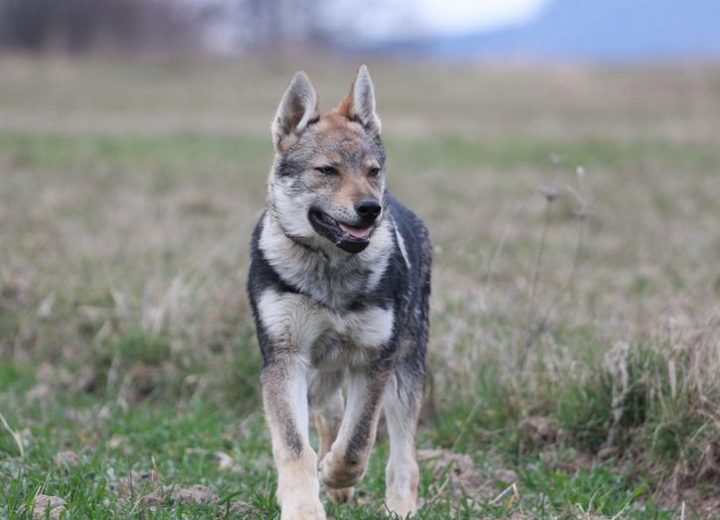
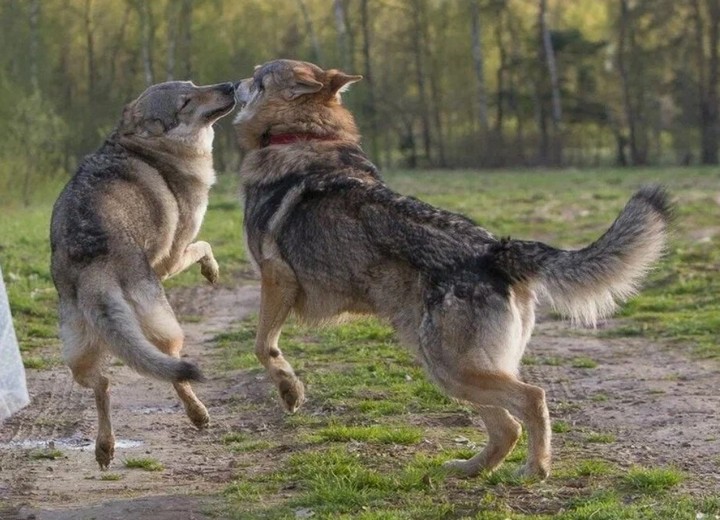
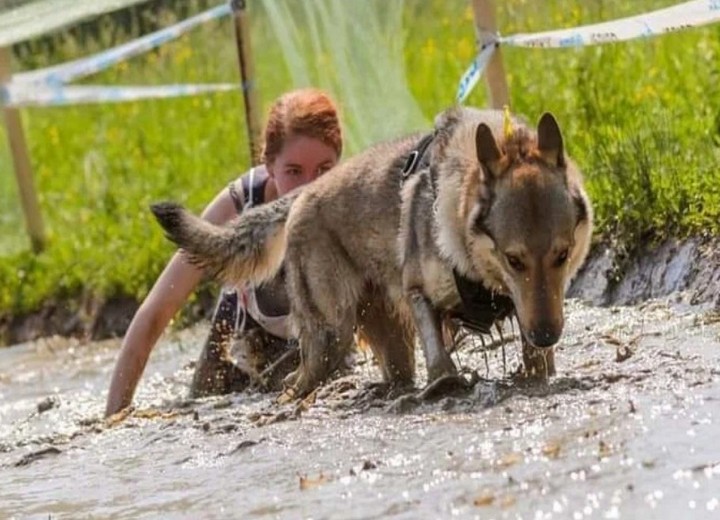
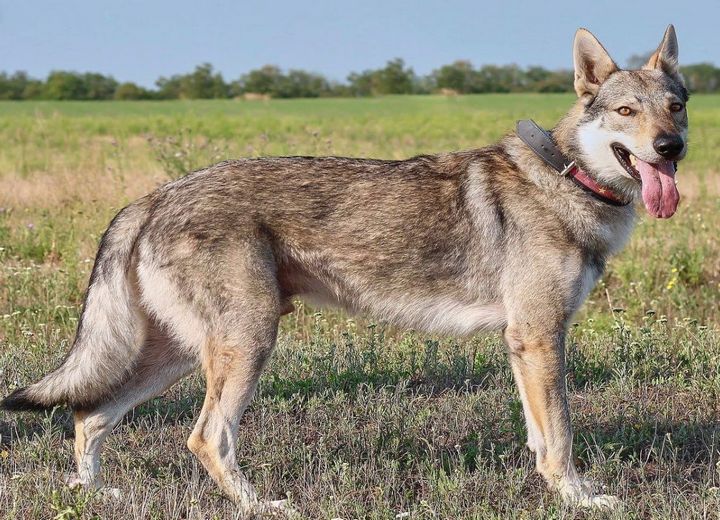
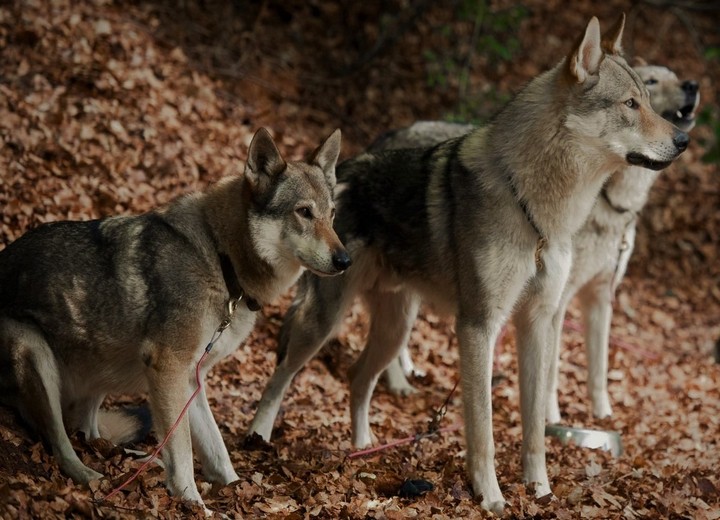
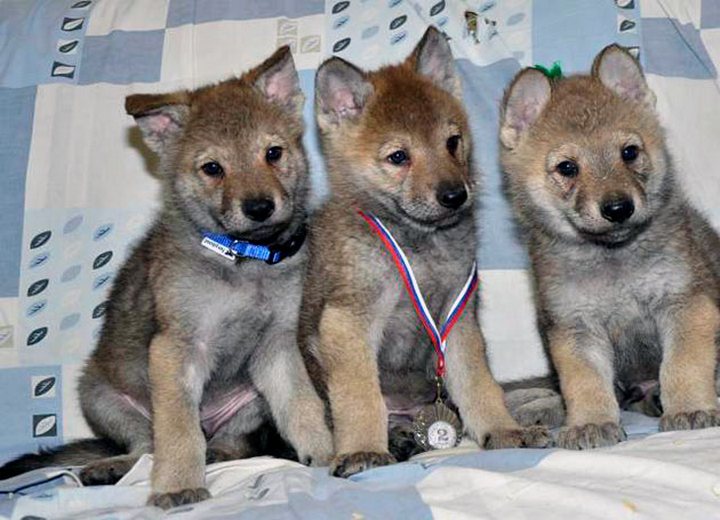
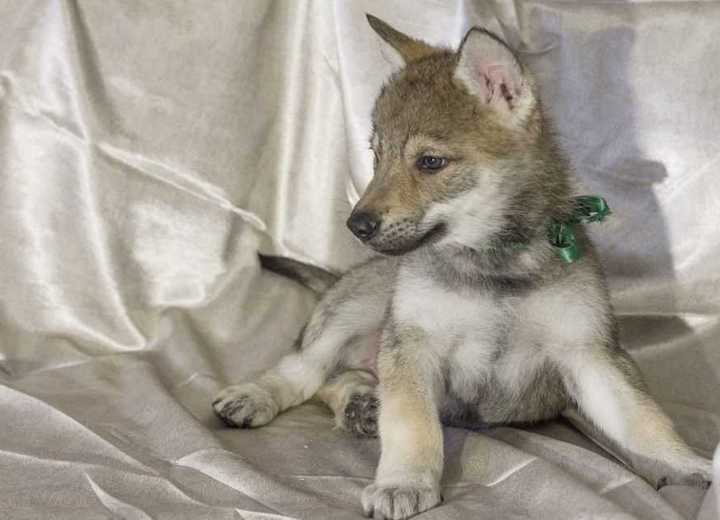
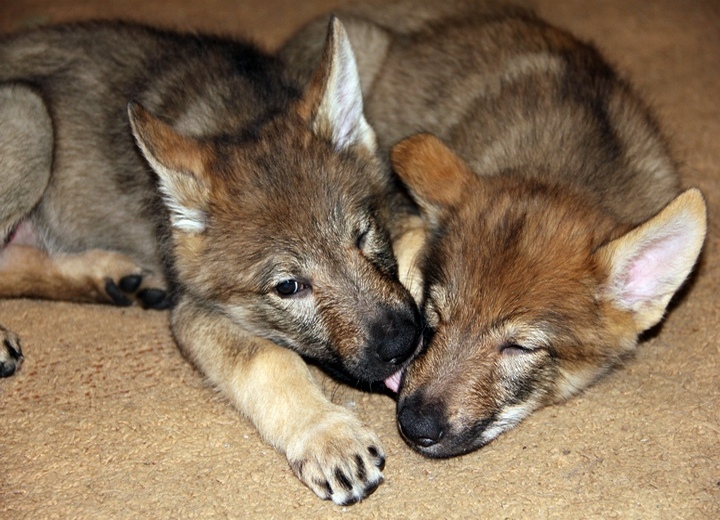
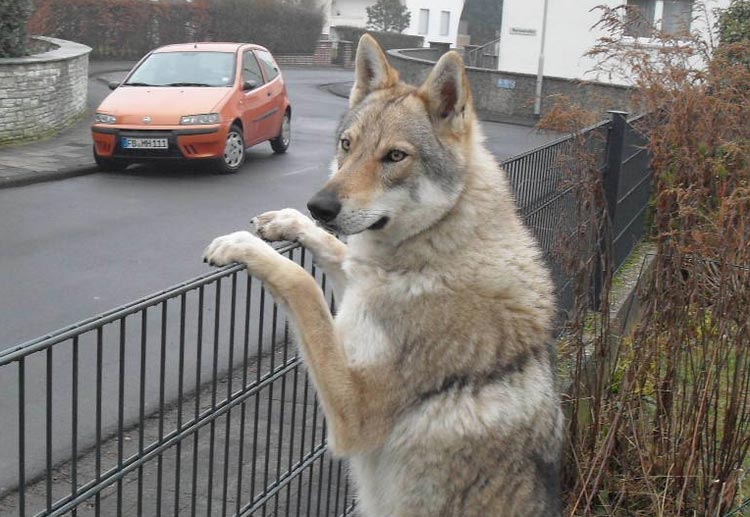
Looking at the photos, it's clear that the Czechoslovakian Wolfdog is a striking and beautiful animal, whose appearance leaves no one indifferent. However, its appearance shouldn't be the only reason for acquiring one. Its temperament is also important to consider. And, as experience shows, it's not the easiest to handle. Only confident, experienced dog owners can master it.
We also invite you to watch a very warm video about the wolf dog.
https://youtu.be/-ie8aazuVEM?t=197
Read also:
- Bully kutta (mastiff)
- Karst Shepherd Dog
- Swiss Hound
Read also:
- Picardy Shepherd (Berger de Picardy)
- Chodska dog (Czech herding dog, Bohemian Shepherd)
- Estrela Mountain Dog (Estrela Mountain Dog)


Add a comment