
Bordetellosis in cats: symptoms and treatment
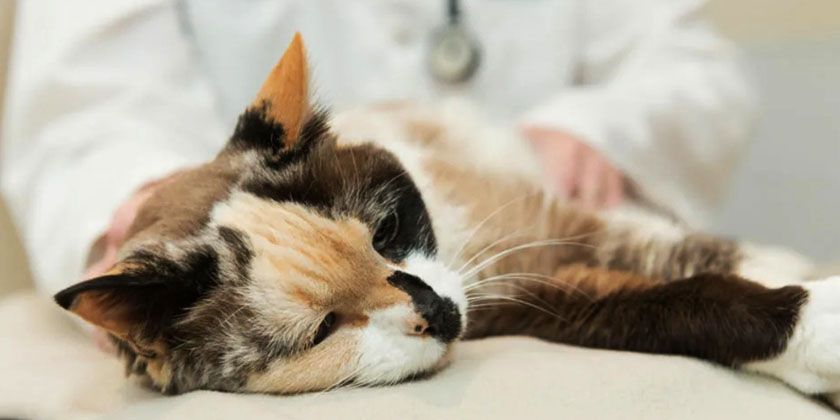
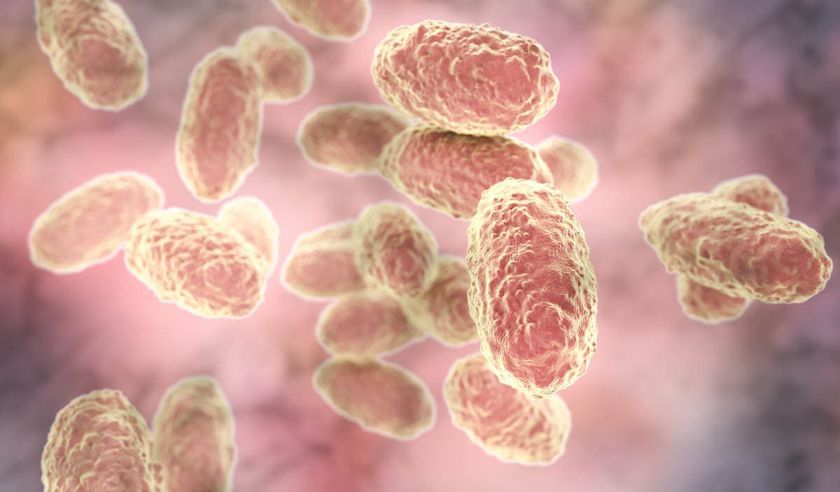
Bordetellosis is an infectious disease common to both animals and humans. It is caused by Bordetella bronchiseptica, a spherical, aerobic bacterium that requires oxygen to survive. In cats, bordetellosis affects the respiratory system: the bronchi, trachea, and lungs.
Content
Pathogenesis
The portal of entry for the bacteria into the body is the respiratory tract. When entering the respiratory tract, Bordetella attaches to the epithelium with thread-like processes called fimbriae, multiplies, and during the metabolic process releases toxins that suppress the activity of blood phagocytes and reduce the activity of ciliated epithelial cells.
The result is the development of asthmatic complex or bronchopneumonia in the cat, and the animal’s body becomes vulnerable to other types of respiratory infections – calicivirus, rhinotracheitis, herpes virus.
Routes of infection and causes of development
Bordetella is excreted in saliva and nasal mucus and remains viable outside the body for up to six weeks. Like all bacteria, Bordetella is sensitive to standard disinfectants. Bordetella infection can be transmitted through household items such as food bowls, litter, and toys. Although infection with Bordetella rarely occurs in humans, humans can carry the infection and transmit it to cats through coughing or sneezing.
The incubation period for bortellosis lasts 1-3 weeks. One of the most common modes of transmission is contact with other infected animals. Therefore, cats living in groups or colonies, as well as cats that frequently visit shelters or grooming salons, are at higher risk of infection than cats living alone.
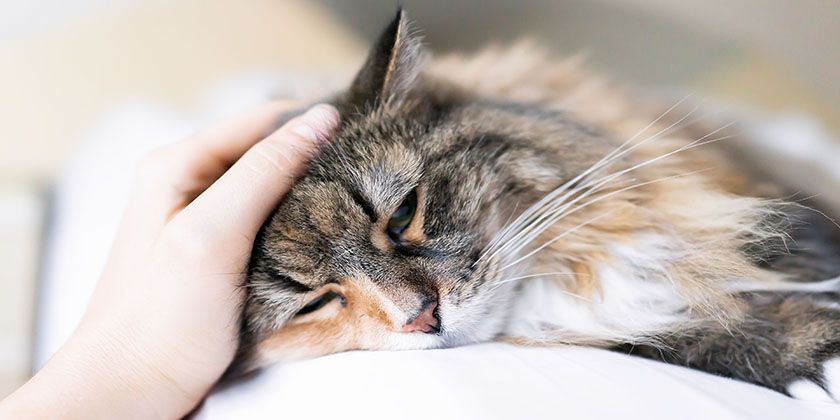
It's important to note that not all cats living in the same conditions are equally susceptible to Bordetella infection. Animals under one year of age are more susceptible, and a weakened immune system (for example, due to illness or age-related changes) makes cats more susceptible to infection.
A stressful situation can also be a factor that weakens the immune system: moving, a change in environment, new animals in the house, or a change in the pet's care schedule (in particular, an insufficiently balanced diet).
Clinical signs
Characteristic symptoms of bordetellosis in cats:
- apathy, general weakness;
- elevated temperature;
- loss of appetite;
- a wet cough that resembles gagging, especially noticeable after physical exertion;
- sneezing;
- profuse discharge of mucus from the nose;
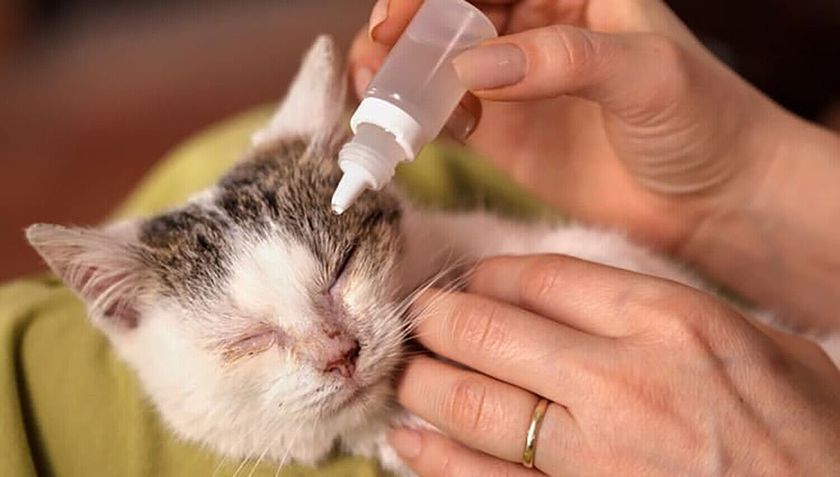
- conjunctivitis, serous or purulent eye discharge.
In the presence of concomitant pathologies and during serious disruptions in the cat's immune system, the disease progresses in a severe form, and then the animal may experience:
- dyspnea;
- wheezing in the lungs;
- cyanosis of the mucous membranes;
- enlargement of the cervical and/or submandibular lymph nodes;
- weight loss.
In kittens under 2-3 months of age, bordetellosis often occurs with a very high temperature and is complicated heavy pneumonia, therefore, the animal often dies from pulmonary edema within the first day.
In adult cats, if they have no other respiratory diseases and their immune system is strong, the disease has a milder course. With proper treatment, cats recover within one to two weeks, but remain carriers of the infection for a long time—up to four to five months.
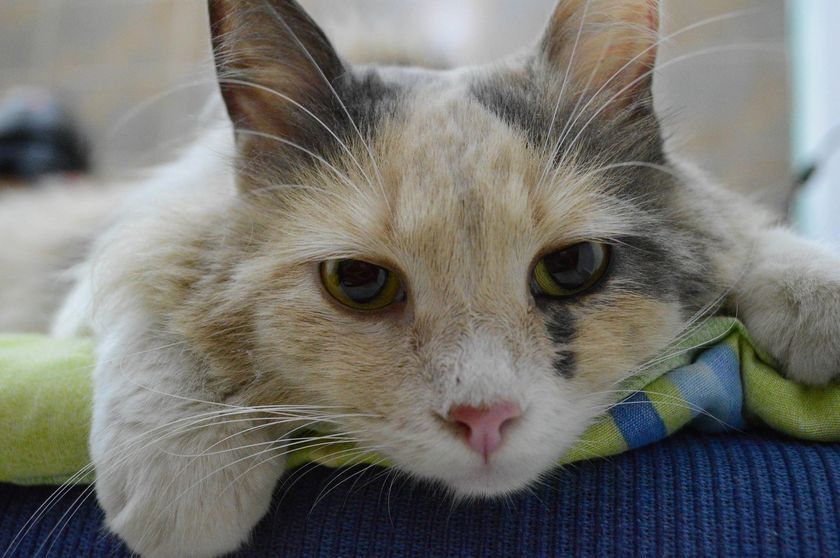
It is advisable to isolate such a pet from other animals living in the house, or at least provide it with a separate place to rest and provide dishes for food and water.
Diagnostics
To diagnose Bordetella in cats, methods are used to differentiate this disease; the symptoms of Bordetella in cats are typical of other diseases. A veterinarian prescribes laboratory and instrumental tests based on the results of the animal's examination and the owner's medical history.
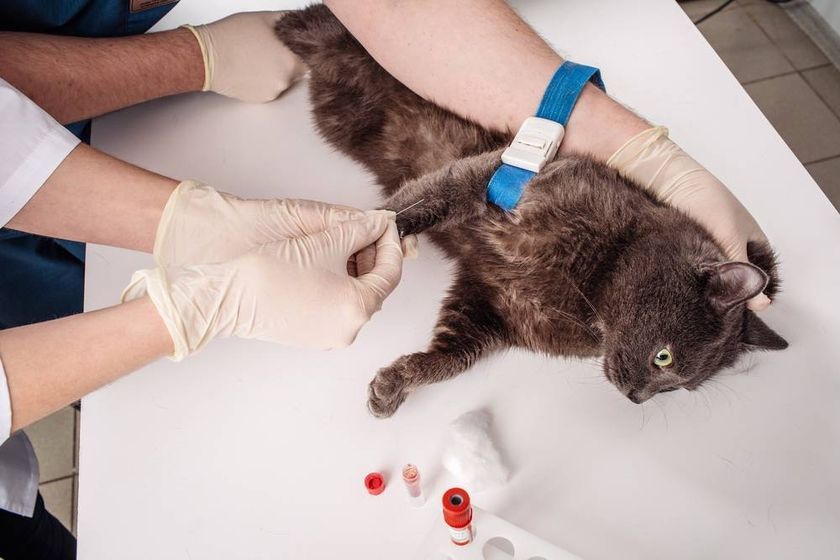
Diagnostic procedures may include:
- Complete blood count. immunodeficiency Low lymphocyte levels are detected, and in cases of anemia, a decrease in neutrophil counts. An elevated white blood cell count indicates the presence of an inflammatory process in the body.
- X-ray. A projectional chest x-ray is performed if pneumonia or bronchitis is suspected.
- Bacteriological culture. This method allows for the detection of pathogens in biological samples, such as those obtained from the mucous membranes of the eyes and nose. The accuracy of the analysis is 90%.
- Polymerase chain reaction (PCR). A more sensitive method than bacterial culture, it allows for the detection of even single cells of pathogen DNA in oropharyngeal swabs or transnasal swabs. It is reliable in almost 100% of cases.
- Immunochromatographic test. A rapid diagnostic test that detects antibodies produced against bacteria in biological samples such as blood, throat secretions, or nasal secretions.
- Electron microscopy. This method is used to visualize bacteria in biological material using an electron microscope.
Treatment
Treatment for bordetellosis is individualized and depends on many factors: the presenting symptoms, the severity of the disease, the overall condition of the affected cat, and the presence of concomitant pathologies. However, the primary goal of treating bordetellosis in cats is to neutralize the pathogen. When selecting a medication, bacterial culture results are taken into account, which, in addition to identifying the bacteria, determines its sensitivity to specific medications.
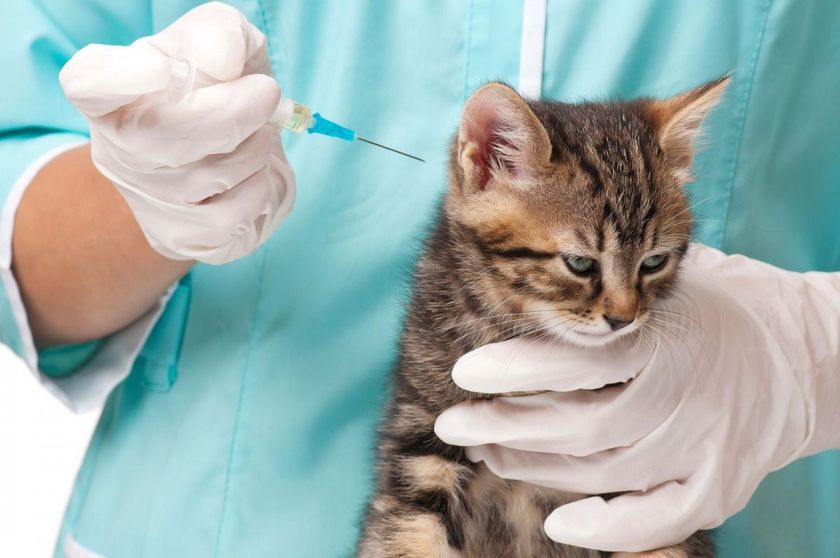
The most commonly used antibiotics in veterinary medicine are those of the polyketide and fluoroquinolone class:
- Tetracycline (oral);
- Doxycycline (oral);
- Ciprofloxacin (oral);
- Tsiprovet (orally);
- Ofloxacin (oral);
- Gentam (subcutaneous or intramuscular);
- Baytril (subcutaneously or intramuscularly).
Adult cats with moderate clinical signs respond relatively well to treatment. Prompt treatment of young kittens with pulmonary bordetellosis is crucial; it must be timely and intensive. Sometimes, in addition to the main treatment measures, these patients require intravenous fluid therapy to maintain acid-base and electrolyte balance.
In addition to a course of antibiotics, cats with bordetellosis are also prescribed symptomatic treatment.
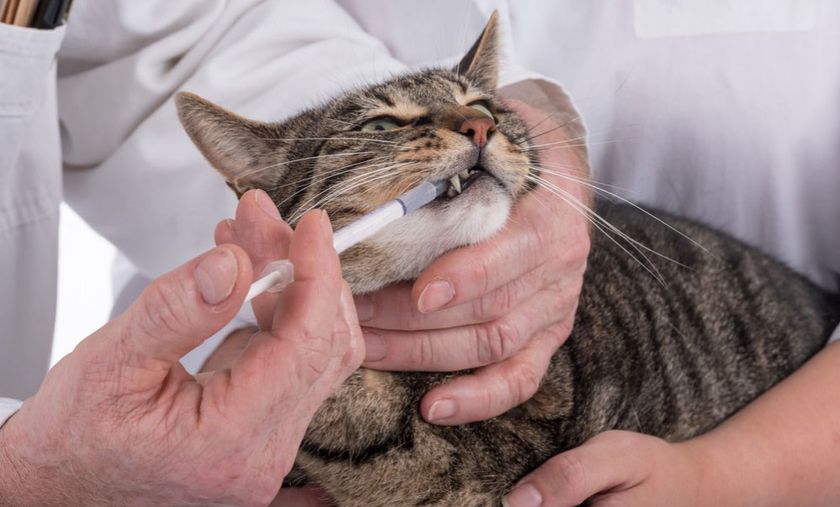
Depending on the clinical manifestations of the disease, the animal may be prescribed:
- At high temperature – antipyretics (Meloxicam, Metacam).
- In case of hyperemia of the mucous membrane of the trachea and bronchi – decongestant and anti-inflammatory drugs (propionic acid derivative Dolocarp or non-steroidal drug from the carboxylic acid group Ketoprofen).
- For severe coughing fits – antiemetics (VetSpokoin suspension, Maropital injection solution).
- To thin and remove phlegm - secretolytic drugs Divopride, Bromhexine, Ambroxol, Acetylcysteine).
- To improve the functioning of the gastrointestinal tract and restore intestinal microflora - enterosorbents (Smecta, Enterosgel, Polysorb), pro- and prebiotics, enzymes.
- If crusts form during serous discharge from the nose or eyes, they are removed with cotton pads soaked in antiseptic solutions (Miramistin, Chlorhexidine).
During an illness, it is recommended to put the cat on a therapeutic diet: buy special food prescribed by a doctor or introduce vitamin and mineral supplements and immunomodulators into the diet.
If treatment for Bordetella in cats is started promptly, when the disease is still in its early stages, the animal's recovery is easier, and the likelihood of complications is significantly lower.
Prevention
Among the methods for preventing Bordetella, the most important is vaccination. Unlike other vaccinations (against rhinotracheitis, panleukopenia, calicivirus, and rabies), it is not mandatory, but recommended.
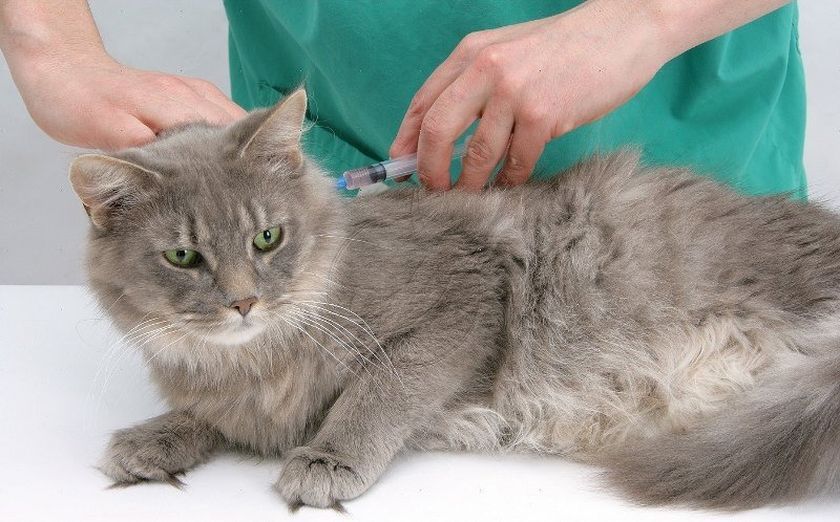
The vaccine against Bordetella bronchiseptica is called Nobivac Bb. A single dose of 0.2 cm3 (one dose) contains 106.3 colony-forming units of Bordetella bronchiseptica. Kittens are typically vaccinated with the killed (inactivated) vaccine rather than the live (attenuated) one. An intranasal vaccine, administered by instillation into the nose or eyes, is also possible.
Cats are vaccinated against Bordetella at 6, 9, and 12 weeks of age. It should not be combined with certain medications, particularly antibiotics. After intranasal vaccination, nasal or ocular discharge may occur. These post-vaccination side effects are short-lived and considered normal.
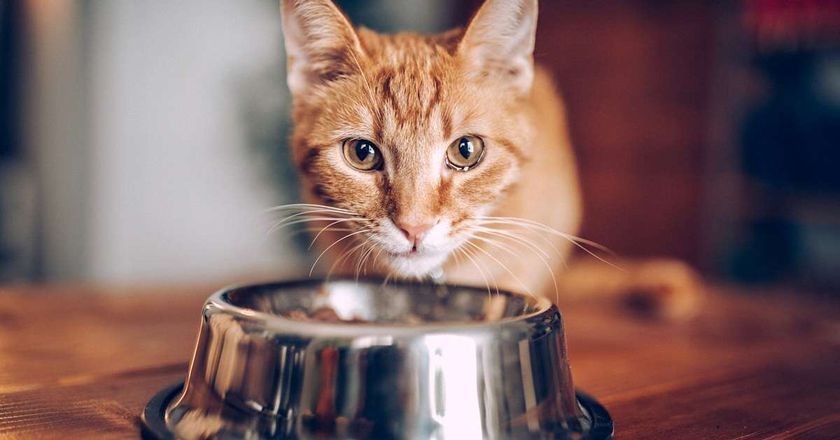
In addition to timely vaccination, to reduce the risk of your cat contracting bordetellosis, you should:
- keep the house clean and do not wear street shoes in the apartment;
- After returning from outside, wash your hands before touching pets;
- clean the litter box regularly;
- water and food should be given to the cat in clean dishes;
- provide the animal with a clean and comfortable place to live;
- If there are already cats or dogs in the house, new pets must be examined by a veterinarian and quarantined for ten days in a separate room;
- properly organize your cat's diet, using balanced natural or prepared foods that are beneficial for the cat's body;
- minimize the impact of negative factors - stress, overheating, hypothermia;
- undergo regular scheduled checkups at a veterinary clinic.
Read also:


Add a comment