
White Swiss Shepherd (American-Canadian Shepherd)
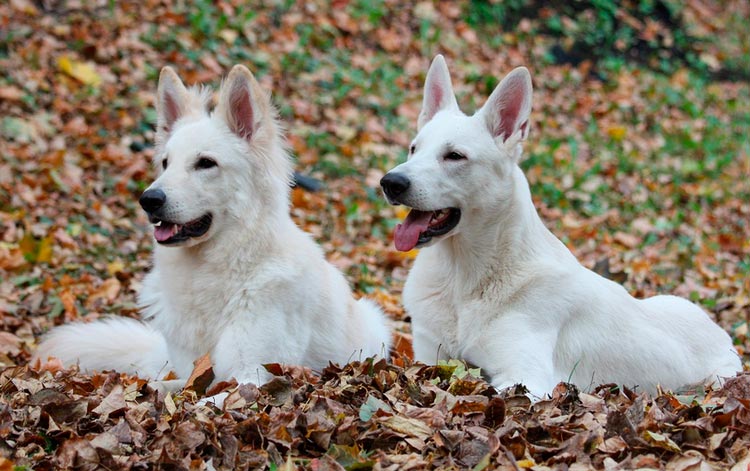
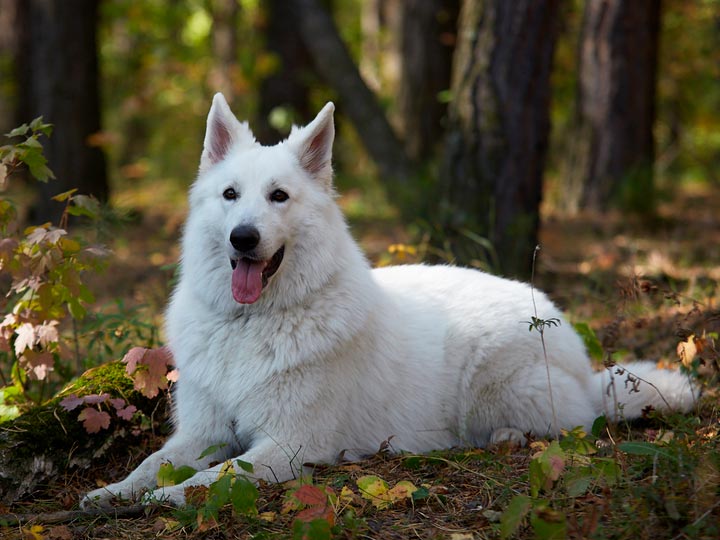
The White Swiss Shepherd is a relatively new breed descended from the old-type German Shepherd, thus sharing some similarities in appearance, character, and behavior. The White Swiss Shepherd is a versatile working dog and has also proven itself as a family dog and companion.
Content
History of origin
White German Shepherds have long been bred in Germany, Canada, and the United States, but are also known as White Swiss Shepherds or American-Canadian Shepherds. Essentially, they are the same breed, descended from white German Shepherds, but with normal pigmentation on the nose, lips, and eyelids.
As is well known, the first two males presented in Hanover in 1882 were light-colored: one white, the other light gray. The white male was named Greif, and he played a decisive role in the development of the breed. In the late 19th century, several German Shepherd breeders worked disjointedly, each trying to develop their own ideal working dog. However, one man emerged who was able to unite them: Max Emil Friedrich von Stephanitz. In 1899, he purchased a male named Hector at a show, renaming him Horand von Grafrath. He became the first dog in the stud book, and it is from him that modern German Shepherds descended, and his maternal grandfather was the same white Greif who introduced the white color to the breed.
German Shepherds quickly gained popularity and spread beyond Germany, exporting them to America, Canada, Great Britain, and other countries. The number of breeders grew exponentially. Until the 1930s, their color wasn't particularly important, with the emphasis being on working qualities. As their use as working dogs expanded, demands on them increased dramatically, and many breeds could no longer fully meet these demands. A culprit had to be found. The Nazis made the white gene the culprit, attributing to it all sorts of faults and loss of working ability. This opinion quickly spread among breeders, and in the 1960s, white was finally declared a disqualifying color. By this time, the white German Shepherd had already been developed in America; it was a distinct breed, and the Americans were unwilling to abandon it. White Shepherds from the States came to Europe under the name American-Canadian White Shepherd. They were first imported to Switzerland in the early 1970s. Soon, numerous purebred white dogs, spanning several generations, spread across Europe. Since 1991, they have been registered as a new breed with the Swiss studbook prefix LOS.
In 2003, the breed was recognized by the FCI (Federal Canine Association, International Federation of Dogs and Cattle) under the name White Swiss Shepherd Dog. The breed had no direct connection to Switzerland; most likely, the name was given due to the FCI's special relationship with the United States, which is not a member and limits its relations to a mutual recognition agreement.
Video about the White Swiss Shepherd dog breed:
Appearance
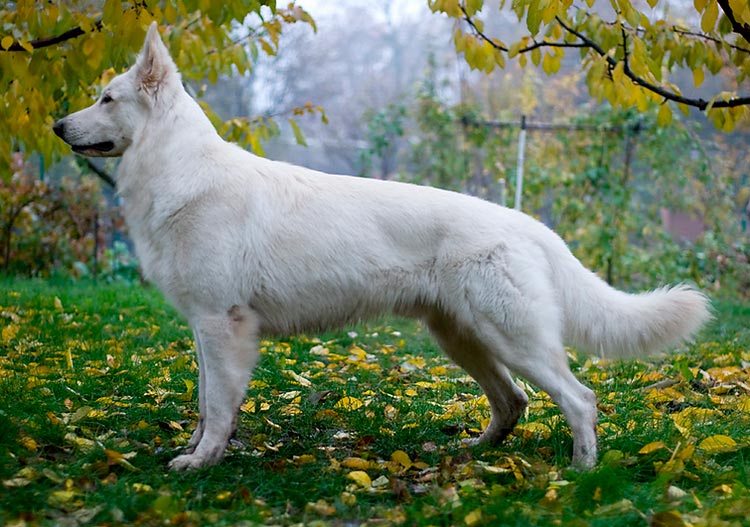
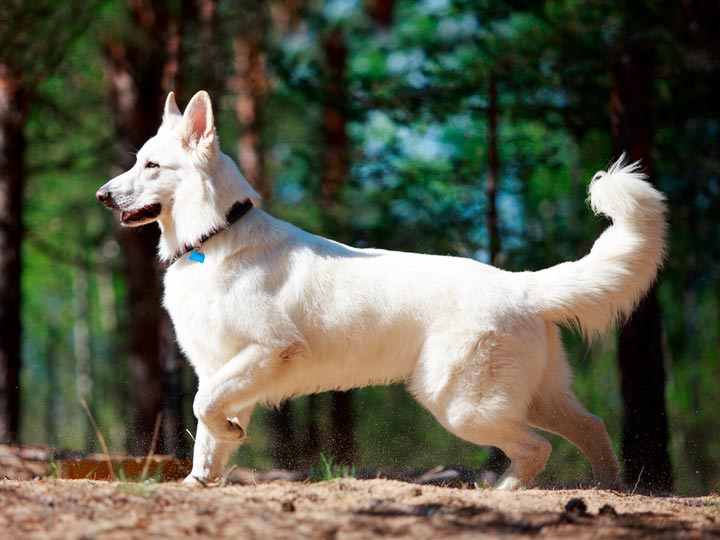
The White Swiss Shepherd is a strong, medium-sized dog with well-developed muscles, moderate bone structure, elegant, harmonious outlines, and a somewhat elongated format. The length-to-height ratio is 12:10. Sexual dimorphism is well-defined, with the height at the withers being 60-66 cm for males and 55-61 cm for females; weights range from 30-40 kg to 25-35 kg, respectively.
The head is dry, chiseled, and wedge-shaped. The axes of the muzzle and skull are parallel. The skull is slightly rounded. The stop is moderately pronounced. The muzzle is strong and long, with a straight bridge. The nose is medium-sized and dark in color. The eyelids and lips are dry, close-fitting, and as dark as possible. The eyes are medium-sized, almond-shaped, and set slightly obliquely. The iris color ranges from brown to dark brown. The ears are erect, set high, vertical, and directed forward, slightly rounded at the top.
The neck is of medium length and harmoniously set on. The body is strong and of medium length. The withers are well defined, the back is strong and level. The loin is developed. The croup is of medium width and length, sloping smoothly to the base of the tail. The chest is not very wide, oval in cross-section, with a well-defined forechest. The sides and belly are slender, the underline is slightly tucked up. The tail is sabre-shaped, bushy, tapering to the tip, set low, reaching the hocks. The limbs are strong and muscular, straight, parallel, not too wide apart. The paws are oval, the back paws are slightly longer than the front ones, rounded in shape. The toes are well-knit, with strong, black pads.
The coat is thick with a well-developed undercoat, lies close, and feels harsh to the touch. There are two types of BShO based on hair length: longhaired and shorthaired. The muzzle, forelimbs, and ears are always covered with short hair. The hair on the neck and back of the legs is longer and may be slightly wavy.
Character
The White Swiss Shepherd is a cheerful, attentive, and alert dog. Reserved with strangers, but not aggressive. Energetic without being overly fussy, it is especially friendly with children. It is very intelligent and quick-witted, and learns quickly.
The White Swiss Shepherd is a companion dog with a balanced psyche and friendly disposition.
Rarely do White Swiss Shepherd owners encounter problems living with other animals. White Swiss Shepherds have a very sociable, friendly nature and get along well with other dogs. They may chase cats or birds, but if properly trained, they will not harm their own. Most White Swiss Shepherds are owner-oriented, docile, and obedient, but some members of the breed can test their owners' limits throughout their lives. This is usually a characteristic of males.
The White Swiss Shepherd is not suitable for guarding a private home or other property. It is primarily a companion, a family dog. However, certain qualities can be developed in it. If something happens, the White Swiss Shepherd will undoubtedly raise the alarm; it has a well-developed territorial instinct, but unlike, say, Central Asian Shepherds or Caucasians, she is not as dedicated to guarding the territory and can pursue intruders beyond its boundaries. It is possible to develop the dog's qualities as a bodyguard, but the Malinois And German ShepherdsThe BShO can pretend to "bite", but usually nothing more.
Education and training
The White Swiss Shepherd is easy to train. Cynologists and breeders recommend working with them using positive reinforcement: a reward is given for completing a task, and a reward is given for not completing it. And, of course, motivation, motivation, and more motivation. While it's best to train a puppy through play, an adult dog should be motivated to complete tasks. Brutal physical force is not used. Some pressure can be applied to a learned skill if the dog becomes lazy or mischievous.
White Shepherds perform well in obedience competitions and search and rescue work, but dogs that work in protection and guard-guard duties are few and far between.
BShOs are increasingly seen competing in various obedience and more active sports (agility, frisbee, freestyle). BShOs are capable and versatile, and they can learn a lot if their owner sets a goal and engages them in their passion.
Content Features
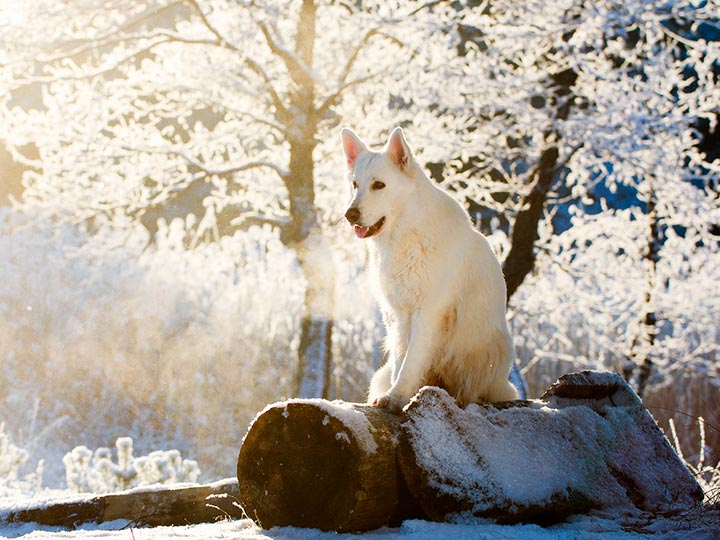
The White Swiss Shepherd is a versatile breed. It adapts to kennel life and tolerates cold temperatures well, and can also live in an apartment if provided with sufficient exercise. Indoors, it is calm and clean. White Swiss Shepherds shed heavily, depending on their living conditions. Kennel-dwelling dogs shed heavily only in the off-season, while apartment-dwelling dogs shed almost year-round.
It's recommended to walk the BShO twice a day according to the following schedule: 15 minutes for physical needs, 15 minutes for dynamic games, 15 minutes for challenging tasks and training, and 15 minutes for a leisurely walk on the way home. Many apartment owners try to arrange another 1-2 short walks. The BShO can be a companion for jogging and cycling, and in warmer months, it's advisable to allow the dog to swim.
Care
To keep your dog looking attractive, you'll need to dedicate some time to grooming. Brush the coat once or twice a week, and daily during shedding season. A standard grooming kit includes a comb or rake with long rotating teeth, a trimming knife for removing dead hair, or a 30-tooth stripping brush, and a fine-tooth brush. Dogs are typically bathed once a month. Whitening shampoos are sometimes used for washing. With proper grooming, the coat is virtually odorless and remains soft and clean. Ears are inspected and cleaned weekly. Nails are trimmed as needed. Some dogs develop hair between their paw pads and toes, which is best trimmed, especially in winter. It's also a good idea to accustom your dog to having their teeth brushed.
Nutrition
In terms of nutrition, the White Swiss Shepherd is usually reserved and adapts quickly to a given feeding type and schedule. This can include natural foods or prepared foods; the owner chooses whichever is most convenient. The most important thing is a balanced diet consisting only of high-quality ingredients or foods above the super-premium level. A pinkish tint may occur in the coat due to certain dry foods (usually containing kelp), as well as when red fish is present in the diet. This problem can also be caused by excess protein and fat in the diet, allergies, or fungal infections.
Given the dog's genetic predisposition to gastric torsion, it should be fed in a calm environment one hour after and the same amount of time before vigorous exercise. Foods that increase fermentation (potatoes, legumes, and heavy grains) should be completely excluded from the diet.
Health and life expectancy
The White Swiss Shepherd is a strong, hardy dog that tolerates both heat and cold well. Most illnesses are caused by improper care, nutrition, and poor living conditions. Several hereditary diseases are known in the breed, but most are not life-threatening and are treatable:
- Panosteitis (intermittent claudication);
- Eye diseases (cataract, corneal dystrophy, tissue sarcoma, iris cyst, optic nerve hypoplasia, blindness, districhiasis);
- Digestive disorders;
- Allergy;
- Volvulus of the stomach and intestines;
- Degenerative myelopathy;
- Autoimmune diseases;
- Metabolic diseases (hypothyroidism, diabetes);
- In adulthood, oncological diseases.
The lifespan is typically 11-12 years. Mandatory preventative measures include timely vaccinations, treatment for external and internal parasites, and regular veterinary examinations.
Choosing a puppy and price
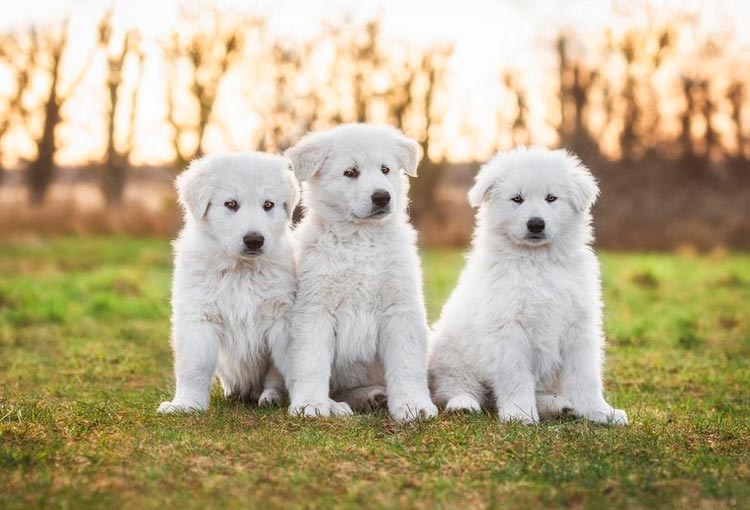
The most important things to consider when choosing a puppy are health and character. It's difficult for a non-specialist to spot a puppy with a weak nervous system. Experienced breeders evaluate the potential of their puppies and will help you choose a dog that meets specific needs: for sports, protection, or family. These fluffy little bundles of fur are very attractive, but before choosing a puppy from a litter, you need to evaluate the living conditions of the puppy and the temperament of the parents, or at least the mother.
It's best to choose a puppy for shows and breeding with the help of an experienced dog trainer or a disinterested breeder. However, even extensive experience often prevents a puppy from becoming a future champion, so be prepared for this.
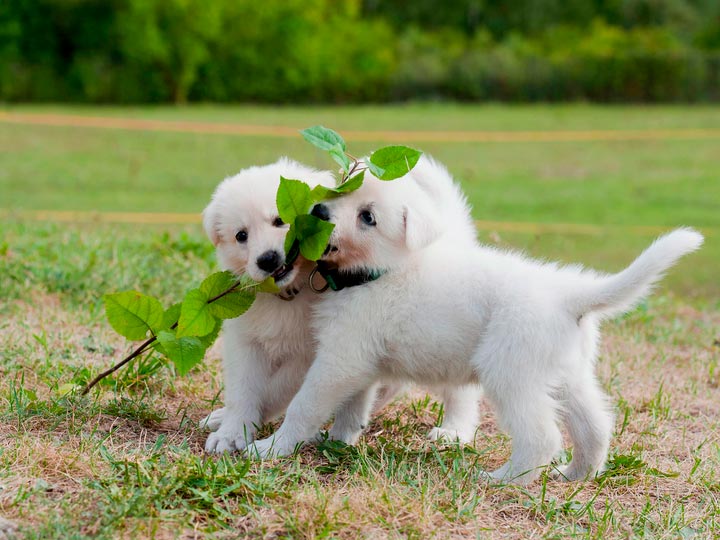
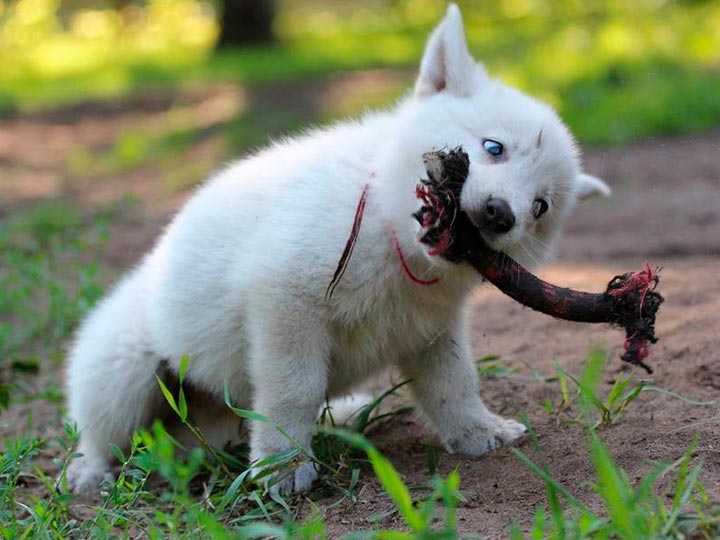
Puppies should be well-developed. Their ears may not yet be erect, but their firmness should be noticeable. It's crucial that the puppies meet the standard. They shouldn't be overly aggressive or shy, have blue eyes, or have an overbite. Lack of pigmentation on the nose, lips, eyelids, or paw pads, a curled tail, or a fawn coloration are disqualifying faults. Puppies vary in size at two months, but average weight is 4-6 kg, with a chest circumference of 37-42 cm. It's best to pick up a puppy at 2.5-3 months, and it's essential that they be vaccinated. A basic level of socialization provided by the breeder during the puppy's upbringing is a big plus.
Price
White Swiss Shepherd puppies range in price from 5,000 to 50,000 rubles. Puppies without a pedigree from parents of questionable origin usually cost no more than 5,000 rubles. Puppies without papers but from titled parents sell for an average of 10,000-15,000 rubles. Purebred puppies with papers, born from a planned mating, cost from 25,000 rubles. Some kennels, given their status, significantly inflate the price of their puppies, but prices can also be high if dogs from elite foreign lines are used in breeding.
Photos
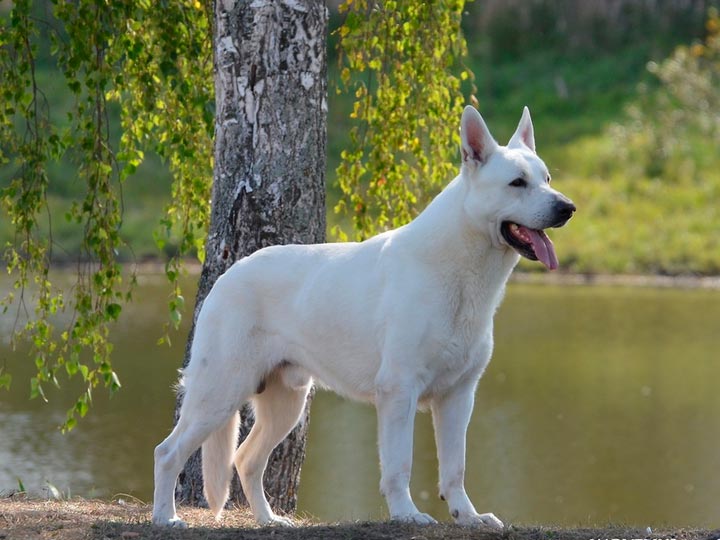
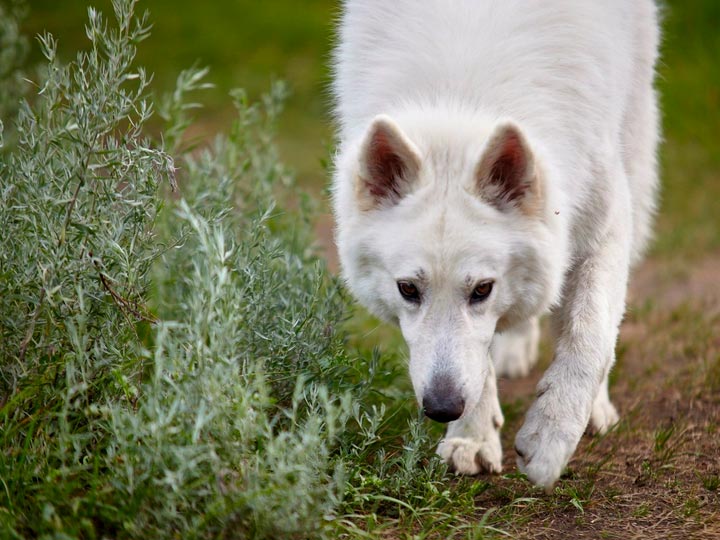
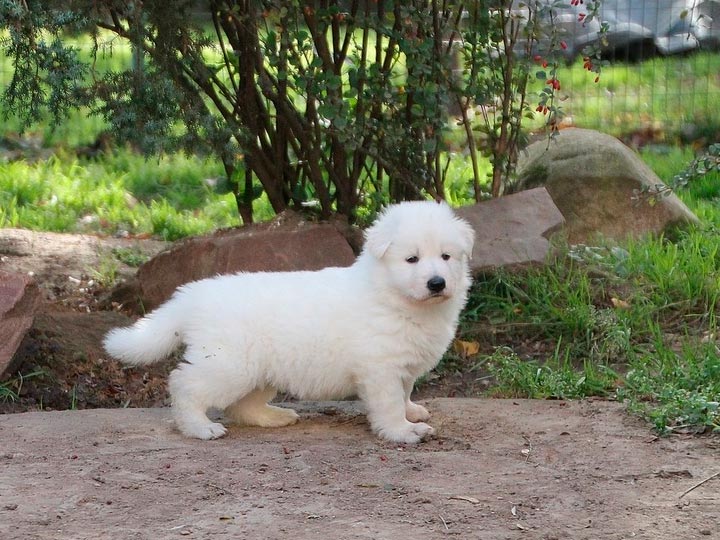
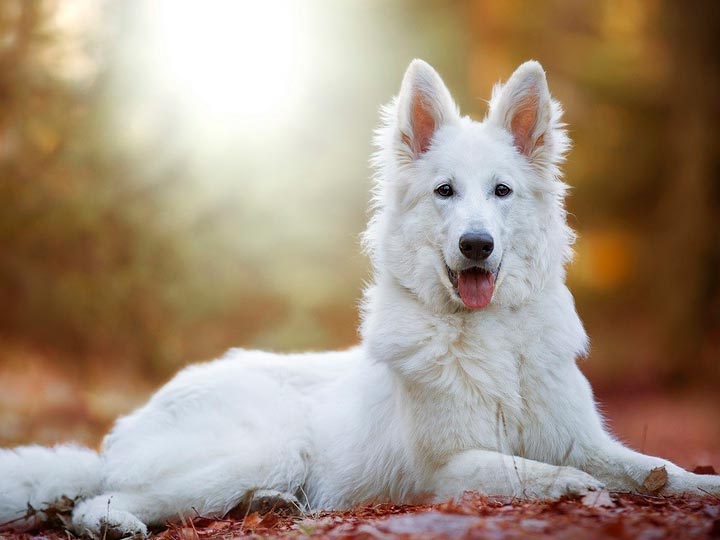
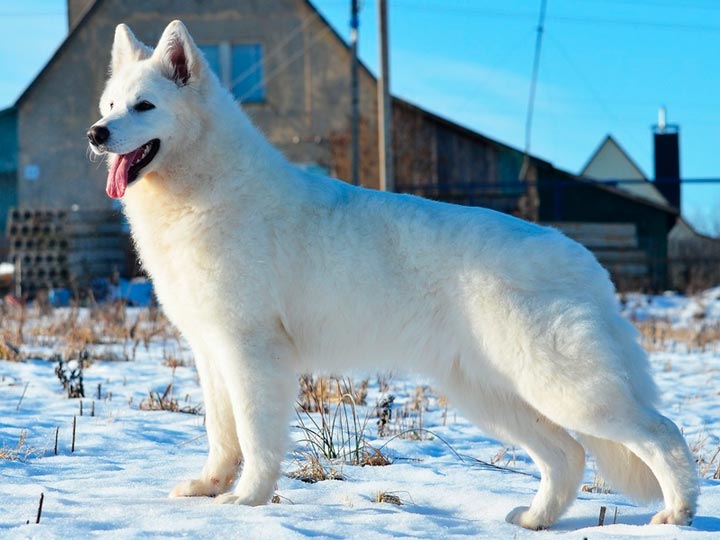
The gallery contains photos of White Swiss Shepherd puppies and adult dogs.
Read also:
- Entlebucher Mountain Dog (Swiss Mountain Cattle Dog)
- Bergamasco Shepherd Dog (Bergamasco)
- Bukovinian Shepherd (Southeastern European Shepherd)


Add a comment