
Austrian Pinscher
The Austrian Pinscher is an easy-to-care-for, versatile farm dog. Its somewhat rustic appearance is offset by its pleasant personality and exceptional intelligence. Highly energetic and resilient, it makes a great shepherd, guard dog, athlete, or simply a companion for active people.
Content
History of origin
Austrian Pinschers descended from farm dogs. They were widespread in rural Austria until the second half of the 19th century. They were known for their undemanding nature, versatility, and modesty. They vigilantly guarded the farm from intruders, helped herd cattle and small ruminants, and exterminated rodents. Related to German PinschersAt the end of the 19th and beginning of the 20th centuries, the Austrian Pinscher almost completely disappeared.
The breed was revived through the efforts of Emil Huck, who began searching for surviving Austrian Pinschers, also known as "swamp dogs." In 1921, a breeding program began under his leadership. In 1928, the breed was recognized by the Austrian Kennel Club, and in 1954 by the FCI under the name Austrian Shorthaired Pinscher. In 2000, the breed was renamed the Austrian Pinscher.
Appearance
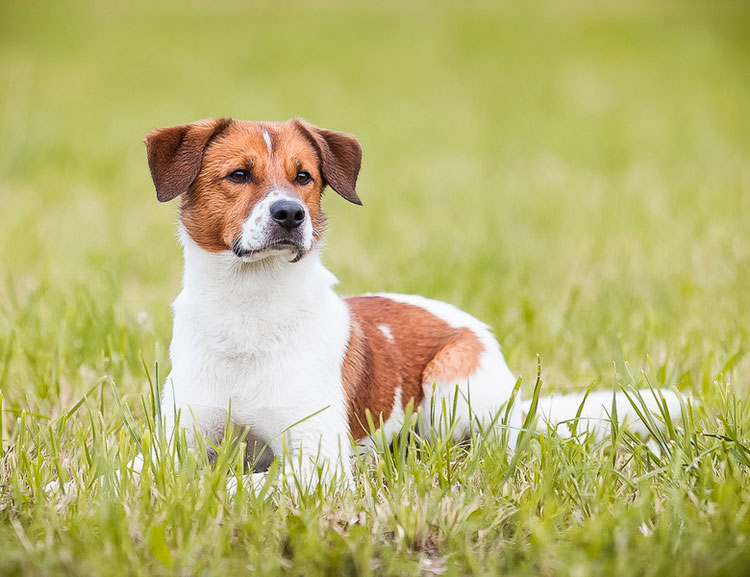
The Austrian Pinscher is a stocky, compact dog, slightly below average height, with a slightly elongated build. It is well-built, without any exaggeration. Sexual dimorphism is pronounced.
- Height of males is 44-50 cm; weight is 18-25 kg.;
- The height of females is 42-48 cm; weight is 15-20 kg.
The head is proportional and pear-shaped. The skull is rounded and broad. The stop is pronounced. The muzzle is strong, the bridge of the nose is straight. The nose leather is black. The jaws are strong, the teeth are complete, and the bite is scissor-like. The eyes are round, large, and dark-colored. The ears are small, hanging down, and set high. The neck is of medium length and strong.
The body is strong, with a straight, broad back and a deep, barrel-shaped chest. The loin is short. The croup is long and wide. The tail is set high, medium length, and strong. The limbs are strong-boned, muscular, and straight. The paws are tightly closed, with strong claws.
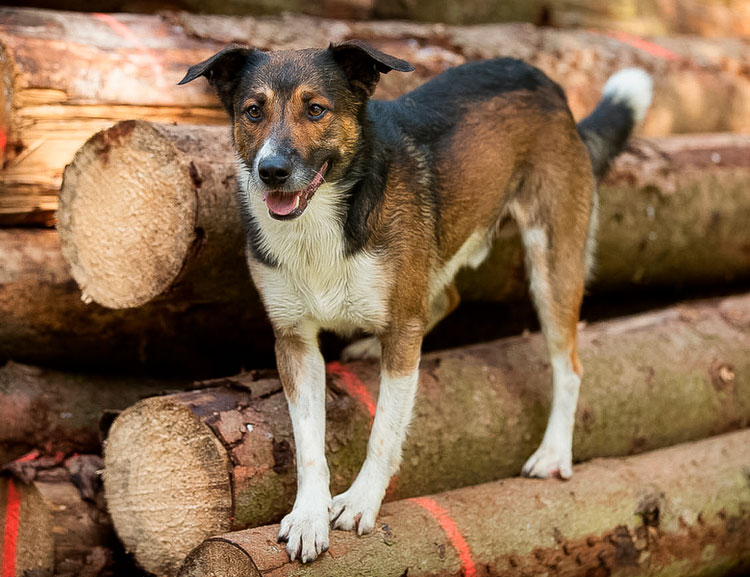
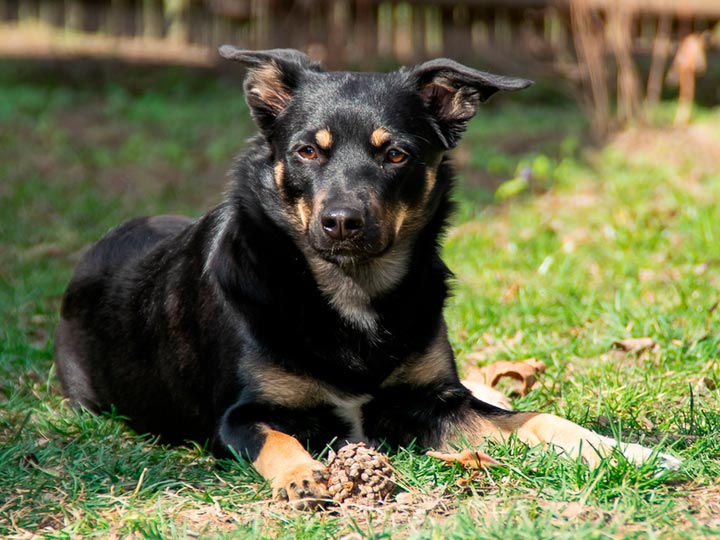
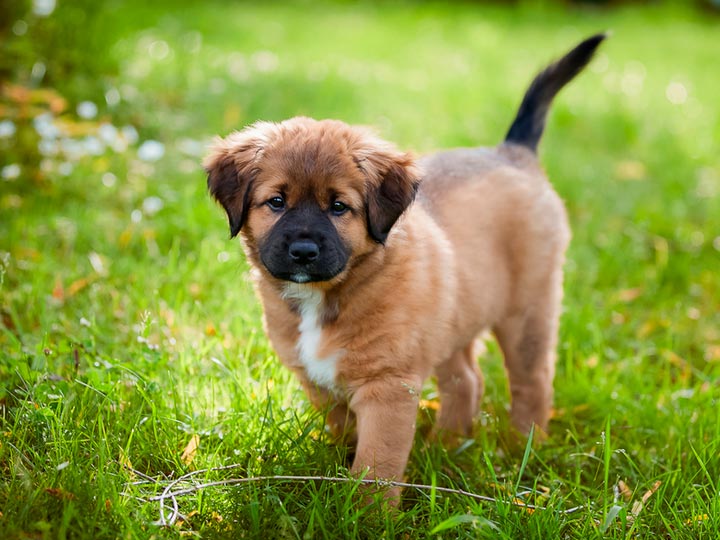
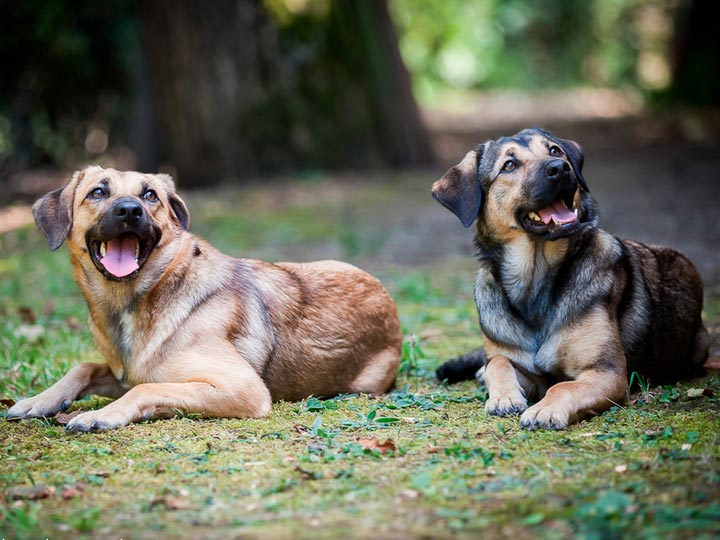
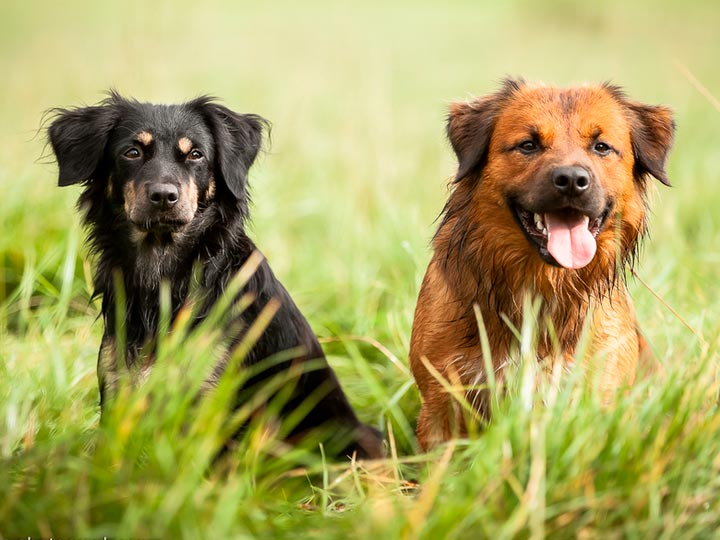
The coat consists of a thick, smooth guard hair (short to medium length) and a dense, short undercoat. There is slight feathering on the back of the thighs. Colors:
- Reddish brown;
- Reddish yellow;
- Red-fawn;
- Black with tan markings.
In any color, small white markings are allowed on the muzzle, throat, neck, chest, back of the head, paws, and tip of the tail.
Character and behavior
The Australian Pinscher is energetic, cheerful, and playful, very loyal to its owner, and incorruptible. It forms strong bonds with all family members. Friendly with familiar people, it is wary and suspicious of strangers. It gets along well with children when properly trained. The Austrian Pinscher is a good watchdog with a strong herding instinct and, to some extent, a hunting instinct.
The Austrian Pinscher is a wonderful companion, but is also suitable for a variety of sports, can be guide dog or a canine therapist.
It's worth noting that Austrian Pinschers are very intelligent and quite independent, displaying cunning and resourcefulness when necessary. They are easily trained.
Content Features
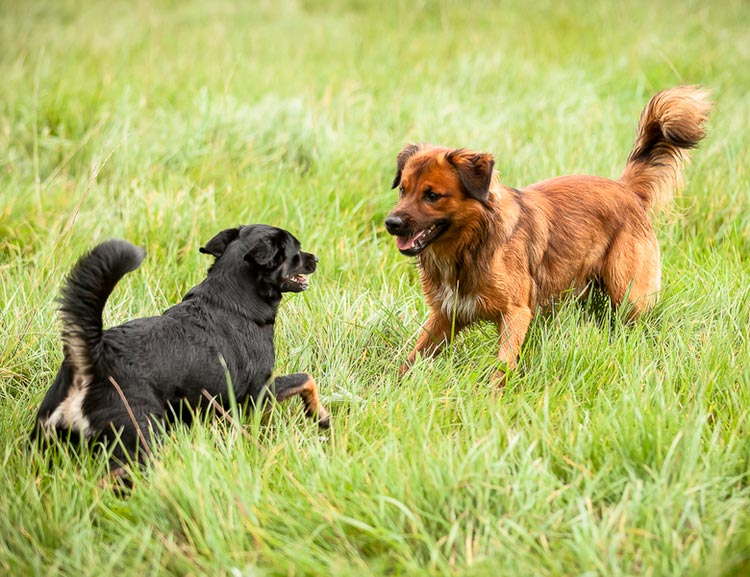
The Austrian Pinscher is easy to keep and adapts well to outdoor life in moderate climates. It can live in an apartment, provided its owner devotes sufficient time to walk it. However, a private home with a spacious yard is ideal.
The energetic Austrian Pinscher requires regular exercise and physical and mental stimulation. He enjoys long walks, active play, and sports.
Care
They don't require any special grooming and are fairly clean. They shed moderately during the season and lightly during other times of the year. Grooming consists of occasional brushing and occasional bathing. Owners should also keep their eyes, ears, teeth, and nails clean.
Health and life expectancy
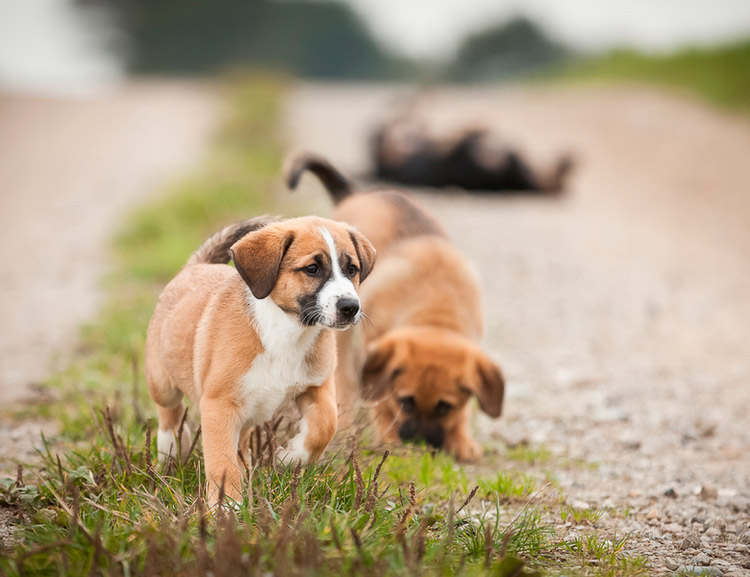
Overall, the breed is healthy. Most Austrian Pinschers are hardy, easygoing, and adapt easily to a variety of living conditions. They only need to visit the vet for vaccinations. Their life expectancy is 14-16 years.
Where to buy an Austrian Pinscher puppy
Austrian Pinschers are common in Austria. They are also found in Germany, Denmark, Sweden, the Netherlands, Switzerland, and the United States. In these countries, you can find kennels and breeders dedicated to breeding and promoting the breed. There are a few representatives of the breed in Russia. There is no information on kennels or litters.
Price
In Austria, the average price of an Australian Pinscher puppy is 1000 euros.
Photos and videos
More photos of Austrian Pinschers can be seen in the gallery.
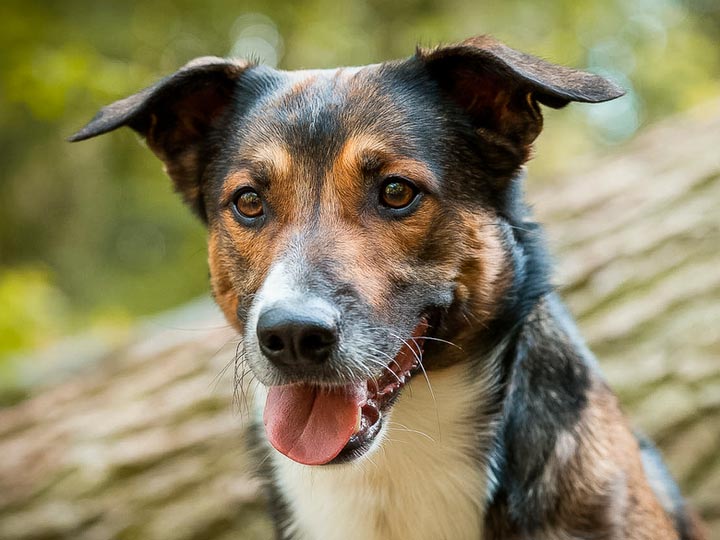
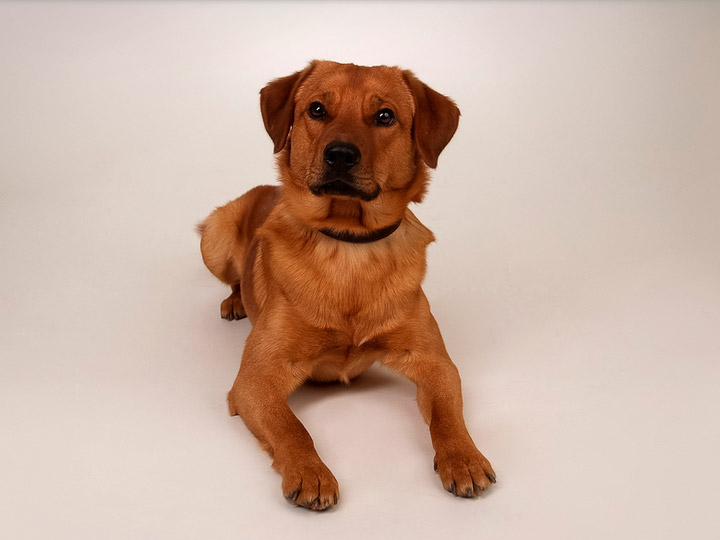
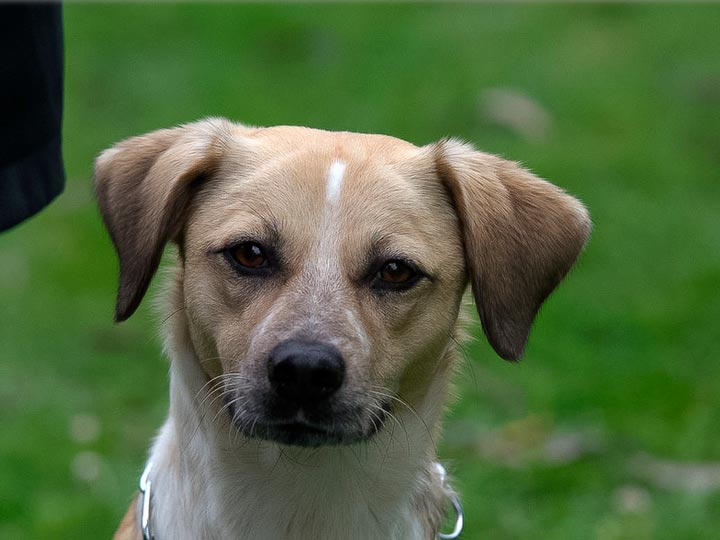
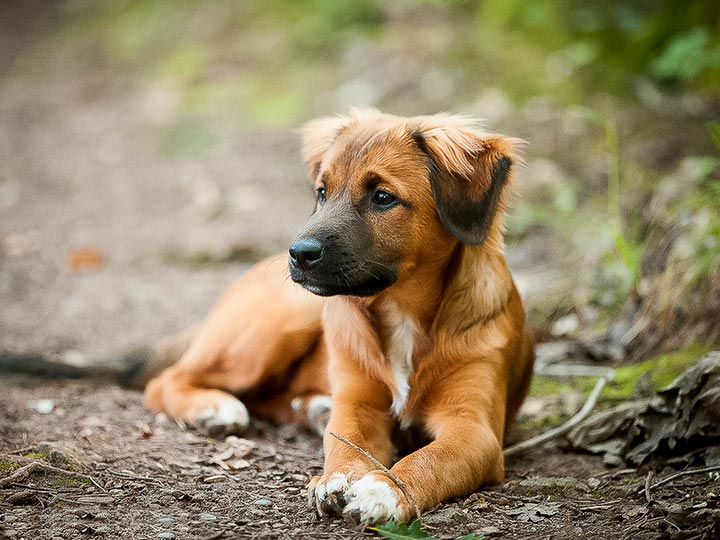
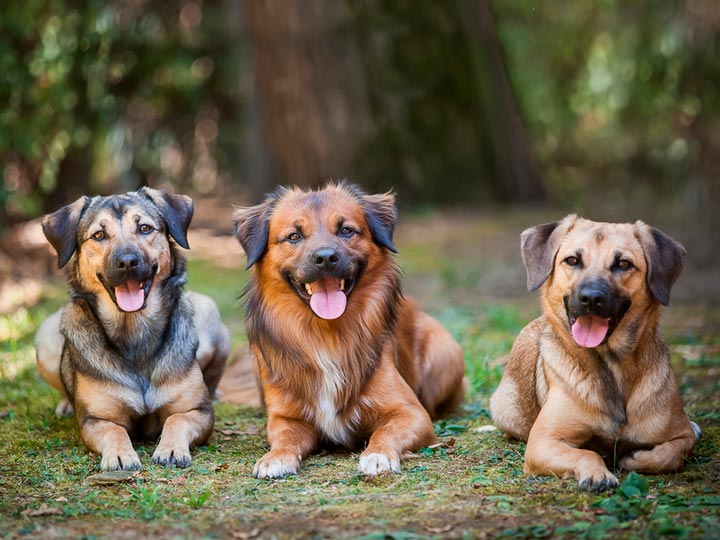
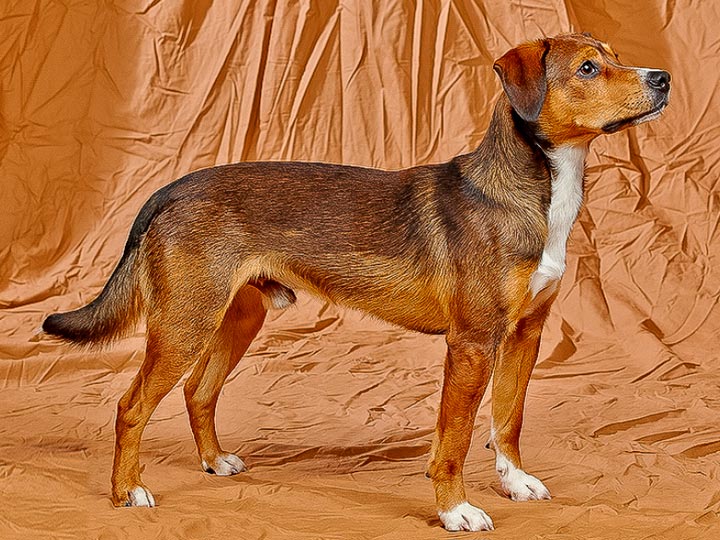
Video about the Austrian Pinscher dog breed
Read also:


1 comment
Sergey
Is it possible to get a puppy?
Add a comment